Gradient Hair Color: The Complete Guide for 2026
What Is Gradient Hair Color?
Gradient hair color is any technique that creates a smooth transition between two or more hair colors. The color moves from one tone to another without a hard line – blending naturally from root to tip, from dark to light, or from one hue into a completely different one. The result is hair that looks dimensional, intentional, and visually striking.
The term covers several specific techniques – ombre, balayage, color melt, and dip dye all fall under the gradient hair umbrella – but what unifies them is the seamless transition between colors. No harsh lines, no abrupt shifts. Just a smooth, flowing color story from one end of the hair to the other.
Gradient Hair Techniques Explained
Ombre
The original gradient hair technique. Ombre moves from a darker root color to a lighter tip color in a relatively defined transition.
Classic ombre has a visible, intentional shift point – usually somewhere in the mid-length of the hair – where the darker color gives way to the lighter tone. Modern ombre has softened this transition significantly, blurring the boundary between the two colors.
Ombre is the most structured of the gradient techniques and works particularly well on straight or slightly wavy hair where the transition is visible from root to tip without the color being broken up by texture.
Balayage
Balayage is a freehand painting technique rather than a structured color placement. The colorist paints lightener or color directly onto sections of hair without foils, which produces a softer, more natural-looking gradient than traditional highlights. The result is a sun-kissed effect where lighter pieces blend seamlessly with the base color.
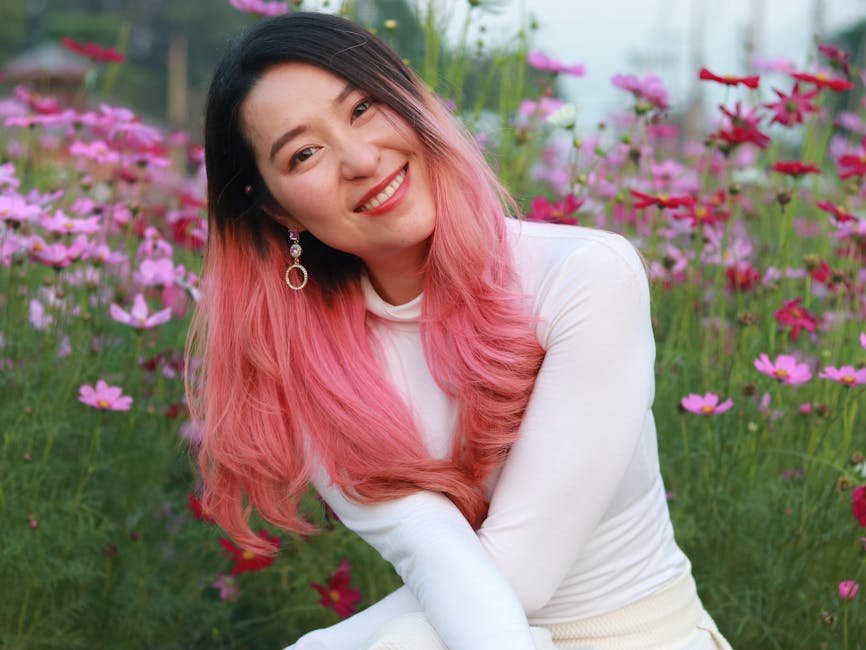
Balayage is the most low-maintenance of the gradient techniques – because the color is placed away from the root and the transition is gradual, regrowth is significantly less visible than with full highlights or solid color. This makes it the most practical choice for people who want gradient color without frequent salon visits.
Understanding the difference between these techniques matters before booking a salon appointment. Marie Claire clarifies the distinction between balayage and ombre with a clear stylist explanation: balayage is the application technique while ombre is the color result – knowing which you want helps you communicate clearly with your colorist and get the gradient outcome you are actually after.
Color Melt
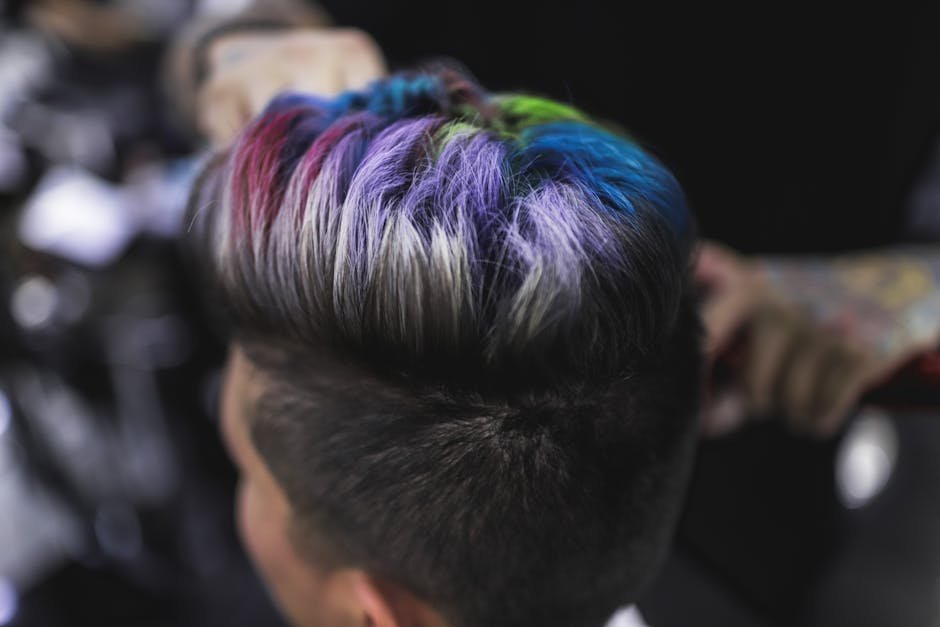
Color melt takes the gradient concept into multi-color territory. Instead of moving from dark to light within one color family, a color melt transitions through multiple distinct colors – from deep burgundy into rose pink into peach, for example, or from navy into teal into seafoam. The colors are applied in sections and blended at the boundaries to create a seamless flow.
Color melt is the most technically demanding gradient technique and produces the most dramatic results. Sunset color melts – moving through orange, coral, pink, and purple – are among the most requested and visually striking versions of the technique.
Dip Dye
Dip dye is the most graphic of the gradient techniques. The ends of the hair are dipped in a vivid color – often a fashion shade like bright pink, electric blue, or deep purple – creating a bold two-tone look. The transition between the natural or base color and the dipped ends can be sharp or blended depending on the desired effect.
Dip dye works on all hair types and base colors, though it shows most dramatically on lighter bases. On darker natural hair, it typically requires lightening the ends before applying the fashion color.
Sunset Gradient Hair
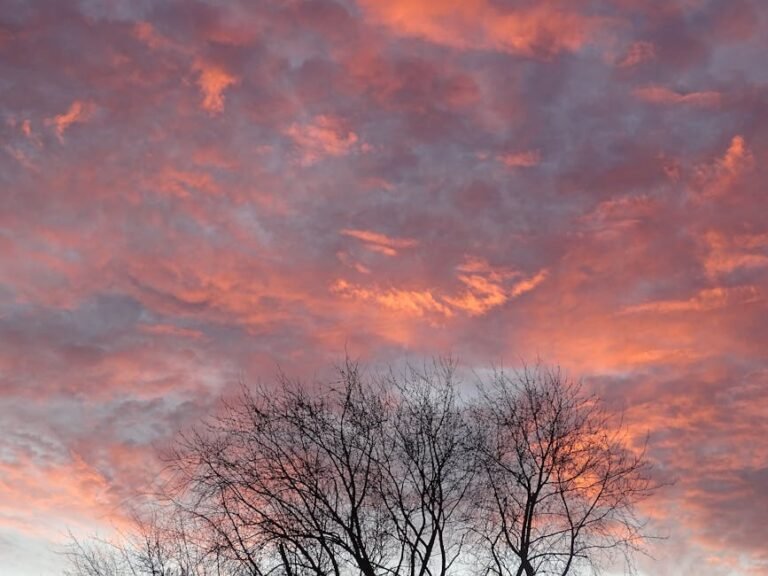
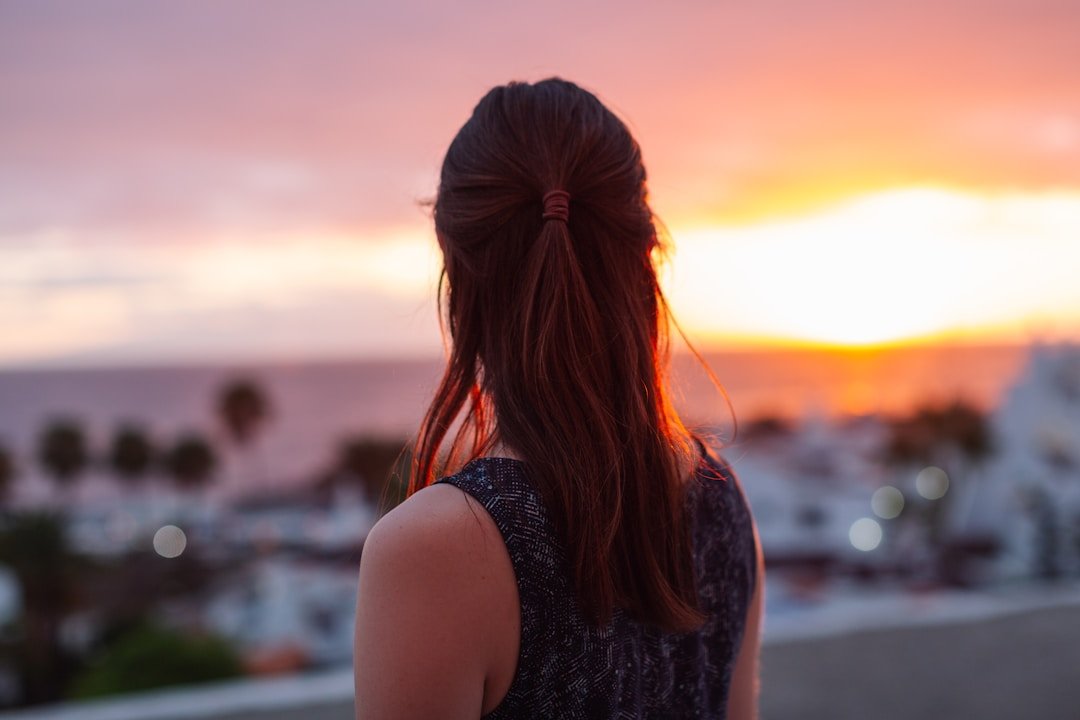
The sunset gradient hair trend applies the same color palette that defines gradient fashion – orange, coral, pink, purple – directly to the hair. The result is hair that transitions through the colors of a sunset from root to tip or tip to root.
Sunset gradient hair became one of the most-requested hair color looks on Instagram and Pinterest precisely because it photographs so well. The warm, saturated colors render beautifully in both natural and artificial light. In motion, the color transitions create a dynamic visual effect that flat solid colors cannot achieve.
Getting Sunset Gradient Hair
Achieving sunset gradient hair typically requires:
- Pre-lightening to at least a pale yellow if starting from dark natural hair – the warm tones need a light base to show their true vibrancy
- Color application in sections, working from the tips upward: deep orange at the ends, transitioning through coral and pink toward the mid-length, fading into soft peach or blonde near the root
- Careful blending at each color boundary to prevent visible lines between the sections
- Color-safe shampoo and conditioner immediately after – especially important for fashion colors which fade faster than natural-looking shades
Pastel Gradient Hair
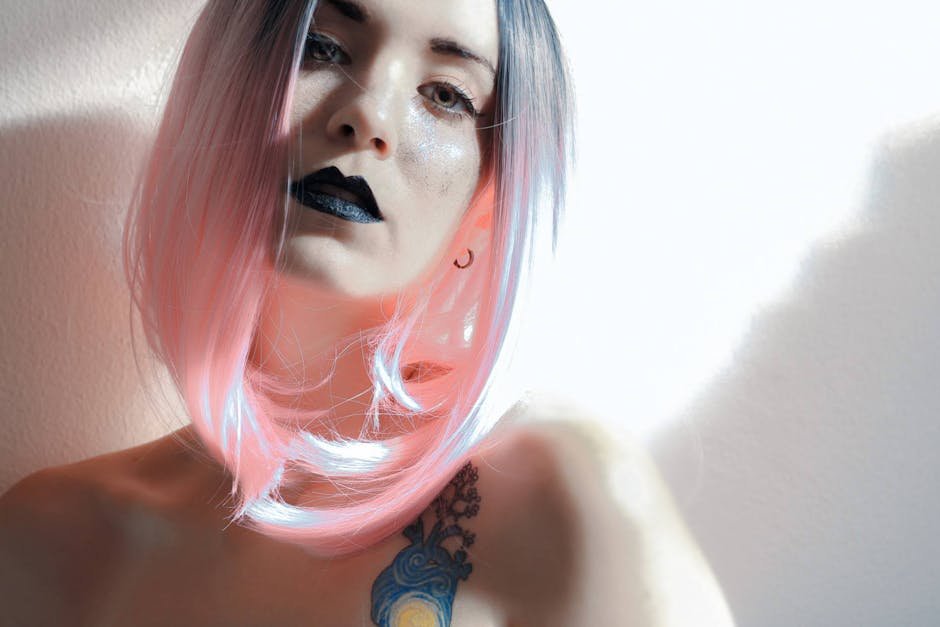
Pastel gradient hair softens the bold saturation of vivid gradient colors into softer, more muted tones. Pastel ombre – moving from white or pale blonde into soft lavender, or from cream into baby pink – creates a delicate, ethereal version of the gradient look.
Pastel gradient is easier to maintain than vivid gradient in some respects – the softer tones are more forgiving as they fade, often transitioning through intermediate pastel shades rather than fading to an unflattering tone. However, pastels require the same pre-lightened base as vivid fashion colors to show correctly.
Gradient Hair Maintenance
Color-Safe Products
Gradient hair – particularly any version using vivid or fashion colors – requires color-safe shampoo and conditioner without sulfates. Sulfates strip color significantly faster than sulfate-free formulas. This is the single most important product switch for maintaining gradient hair color.
Wash in Cool Water
Hot water opens the hair cuticle and allows color molecules to escape. Washing in cool or cold water seals the cuticle and significantly slows color fade. This is a simple habit change that extends the life of any gradient color treatment.
Deep Condition Weekly
Any hair coloring process, particularly pre-lightening for vivid colors, creates some degree of damage to the hair structure. Weekly deep conditioning – a mask or treatment left on for ten to thirty minutes – repairs and strengthens the hair shaft, which helps color last longer and prevents the dryness and breakage that accelerates color fade.
Limit Heat Styling
Heat styling tools accelerate color fade and damage color-treated hair faster than untreated hair. Where heat styling is unavoidable, always use a heat protectant product. Air drying is ideal for gradient hair whenever time allows.
Touch-Up Schedule
Balayage and softly blended gradient styles can go three to six months between salon visits without looking grown out. Vivid color melts and dip dye styles require more frequent refreshing – typically every six to eight weeks – as fashion colors fade significantly faster than natural shades.
Gradient Hair by Natural Base Color
Light Natural Hair
The easiest starting point for gradient color. Lighter natural bases can often achieve pastel and some vivid gradient looks without extensive pre-lightening. Balayage on light natural hair produces the most natural-looking, low-maintenance gradient results.
Medium Brown Natural Hair
The most versatile base for gradient color. Medium brown hair can support warm gradient tones – caramel, honey, copper – that blend naturally with the base without pre-lightening. For vivid colors and pastel gradients, the ends typically need lightening first, but the root color can remain natural, creating a seamless gradient from the natural base into the fashion color.
Dark Natural Hair
Dark hair requires the most pre-lightening to achieve vivid gradient color, particularly at the tips. However, dark hair also creates some of the most dramatic gradient effects – the contrast between the dark natural root and the vivid colored ends is inherently high-impact. Deep jewel-tone gradient colors – emerald, sapphire, deep burgundy – can sometimes be achieved on dark hair with minimal lightening and produce rich, intense results.
Frequently Asked Questions
What is the difference between ombre and gradient hair?
Ombre is a specific type of gradient hair color that moves from dark roots to lighter ends in a defined transition. Gradient hair is the broader term that includes ombre, balayage, color melt, and dip dye – any technique that creates a smooth color transition. All ombre is gradient, but not all gradient is ombre.
How long does gradient hair color last?
Natural-looking balayage gradients can last three to six months before requiring a refresh. Vivid fashion color gradients – sunset palettes, pastel ombres – typically last six to eight weeks at full vibrancy before fading noticeably. Proper maintenance with sulfate-free products and cool water washing extends the life of any gradient color.
Can you get gradient hair at home?
Balayage and ombre can be attempted at home with the right products and technique, but achieving a smooth gradient without visible lines is significantly easier with a professional colorist. Vivid color melts particularly benefit from professional application because the blending between multiple colors requires skill and practice to execute cleanly.
What hair colors work best for a sunset gradient?
Sunset gradient hair typically uses orange or deep amber at the ends transitioning through coral, warm pink, and magenta toward the mid-length, finishing in soft peach or blonde near the root. The exact shades vary by colorist and client preference, but the warm orange-to-pink-to-purple palette is the defining characteristic of a sunset gradient.