How to Build a Streetwear Wardrobe From Scratch
Start With the Foundation, Not the Statement
The most common mistake when building a streetwear wardrobe from scratch is buying statement pieces first. A limited-edition graphic hoodie or a bold gradient piece is exciting, but without a solid foundation of basics beneath it, the statement piece has nowhere to land. It ends up looking like a random bold item sitting in an otherwise incoherent wardrobe.
Building a streetwear wardrobe the right way means starting with the pieces that make everything else work – and adding statement pieces once the foundation can support them.
The Foundation Pieces
White and Black Tees – Multiple
Buy several, in quality cotton that holds its shape after washing. White tees are the most versatile piece in any wardrobe – they go under hoodies, over long sleeves, and stand alone with any bottom.
Black tees serve the same function in a darker palette. These are not exciting purchases.
They are the infrastructure that makes everything else work.
Dark Straight-Leg Jeans
A straight-leg jean in dark indigo or black is the most versatile bottom in streetwear. It works with oversized tops, graphic tees, hoodies, and more dressed-up pieces. Avoid jeans that are too slim or too wide as a first purchase – straight leg sits in the middle and works across the most outfit combinations.
Clean White Sneakers
One pair of clean, simple white leather sneakers. These go with everything.
Keep them clean. This single footwear purchase will work harder than any other shoe in a streetwear wardrobe.
Low-top or mid-top both work – avoid anything with too much detailing or branding on a first purchase.
Building any wardrobe from a foundation of true basics is a principle that holds across all categories. Vogue breaks down the capsule wardrobe essentials that form the backbone of a versatile closet – shirting, trousers, denim, and basic tees – the same categories that streetwear builds from before adding statement pieces and graphic elements.
A Quality Neutral Hoodie
Before buying a statement gradient hoodie, own a quality neutral-colored hoodie in grey, black, or cream. This is your layering piece, your backup outfit, and the garment you reach for when everything else needs to be clean.
Buy heavy fleece – at least 300gsm. Avoid anything thin or poorly constructed.
Joggers or Sweatpants in Grey and Black
Two pairs of quality joggers – one grey, one black – cover most casual context needs. They work with the foundation tees, with hoodies, and as a comfortable alternative to jeans.
French terry or heavyweight fleece in a tapered or relaxed fit. These, like the neutral hoodie, are foundation pieces that support everything else.
Adding Statement Pieces
Once you have the foundation in place – several tees, dark jeans, white sneakers, a neutral hoodie, and basic joggers – you are ready to add pieces that define your aesthetic.
A Gradient or Art Piece
This is the point at which your wardrobe stops being generic and starts being yours. A gradient hoodie from an independent brand like COVL, an art-inspired piece from a creator whose work you follow, or a vivid color-blocked item that represents how you want to dress.
Buy one piece that excites you and that you will reach for constantly. The foundation supports it; the statement piece defines the aesthetic.
A Second Pair of Sneakers
Once the white sneakers are established, a second pair in a different silhouette expands what you can build. Chunky trainers, retro running shoes, or a bold colorway that picks up a recurring color in your wardrobe. The second sneaker expands the range of outfits you can build without duplicating what the first pair already does.
An Outerwear Statement
A longline puffer, an oversized coach jacket, or a quality windbreaker adds weather-appropriate layering and another expression point for your aesthetic. Outerwear in streetwear can be as much of a statement as any other piece – choose something that works with both your neutral foundation and your statement pieces.
Developing Your Personal Streetwear Aesthetic
Streetwear is a broad category with many sub-aesthetics. Building a wardrobe with a coherent personal aesthetic requires understanding which direction resonates with you and curating deliberately toward it.
Art and Gradient Aesthetic
If bold color, gradient pieces, and art-inspired graphics appeal to you, build toward a wardrobe that treats the clothing as canvas. Key pieces are gradient dye hoodies and pants, art-inspired tees from independent brands, and vivid color palette coordination. The COVL approach – building streetwear from a digital art visual language – is a natural home for this aesthetic.
Minimal Streetwear
Neutral palettes, clean silhouettes, quality basics with minimal branding. Japanese streetwear labels and Scandinavian interpretations of the category lean this direction. The statement comes from silhouette and fabric quality rather than color or graphics.
Utility Streetwear
Military and workwear influences – cargo pants, technical fabrics, functional pockets, outdoor-coded pieces. Earth tones, olive, tan, and black dominate. The aesthetic references function and outdoor culture.
Archive and Vintage Streetwear
Deep knowledge of specific eras and labels, vintage pieces mixed with modern basics, a collector’s approach to building a wardrobe. Requires more research and hunting but produces a wardrobe that is genuinely distinctive.
What to Avoid When Building a Streetwear Wardrobe
- Too many statement pieces at once – they compete with each other and none of them can breathe
- Cheap versions of expensive basics – a thin hoodie that pills after five washes costs more in the long run than a quality piece bought once
- Buying for hype rather than personal resonance – pieces bought because they are trending rather than because you genuinely love them rarely get worn
- Ignoring fit – oversized is intentional; badly fitting is not. Every piece should be sized for the silhouette you want, not defaulting to a size that happens to be available
- Neglecting footwear – scuffed or inappropriate footwear undermines streetwear more visibly than almost any other element
Budget Guidelines
Starter Budget
Focus entirely on foundation pieces. Multiple quality tees, dark jeans from a reliable brand, clean white sneakers, one neutral hoodie, two pairs of joggers. Total spend varies but quality over quantity – five excellent basics outperform ten mediocre ones.
Intermediate Budget
Foundation is established. Add one or two statement pieces – a gradient or art piece from an independent brand, a second sneaker, a quality outerwear piece. This is the stage where the wardrobe starts to have a genuine aesthetic identity.
Ongoing
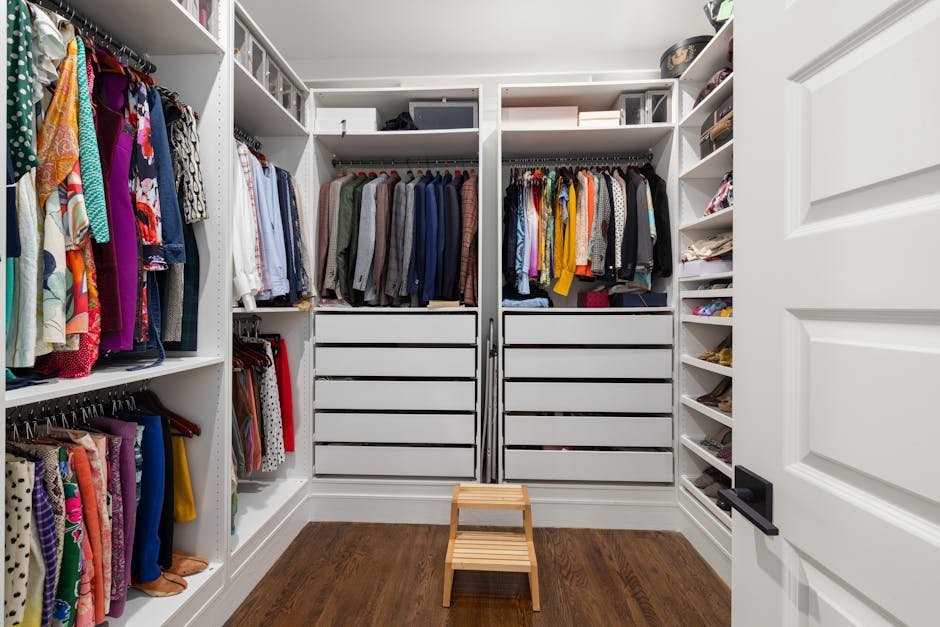
Prioritize limited drops from independent brands whose work you follow. Buy secondhand for basics when good condition pieces are available. Invest in footwear – it lasts longer and works harder than any other category when quality is good.
Frequently Asked Questions
How much does it cost to build a streetwear wardrobe?
A functional streetwear wardrobe can be built for a few hundred dollars if you prioritize quality basics and add statement pieces gradually. The mistake is spending on multiple statement pieces before the foundation is in place – which produces a wardrobe with memorable individual pieces but no coherence.
What is the most important piece in a streetwear wardrobe?
Clean, quality white sneakers. They work with every outfit combination and elevate even the most basic streetwear look. No other single piece works as hard across as many combinations.
How do you develop a personal streetwear style?
Identify which sub-aesthetic within streetwear resonates with you – art and color, minimal, utility, archive. Follow creators and brands in that space. Buy one statement piece that represents your aesthetic direction and build toward it deliberately rather than buying whatever is trending.