Women’s Streetwear Brands: The Best Labels Dominating 2026
The State of Women’s Streetwear in 2026
Women’s streetwear in 2026 is not a subcategory of men’s streetwear with smaller sizing. It is its own design space — shaped by women designers, worn and styled by women, and increasingly defined by labels that were built specifically with a female perspective rather than retrofitted from men’s collections.
The shift accelerated through the early 2020s as a generation of women designers, many of whom had come up through the skate, music, and art communities that originally shaped streetwear, started their own labels. The result is a market with significantly more range than five years ago — from ultra-technical performance streetwear to art-forward luxury streetwear, from community-rooted independent labels to global brands with serious cultural weight.
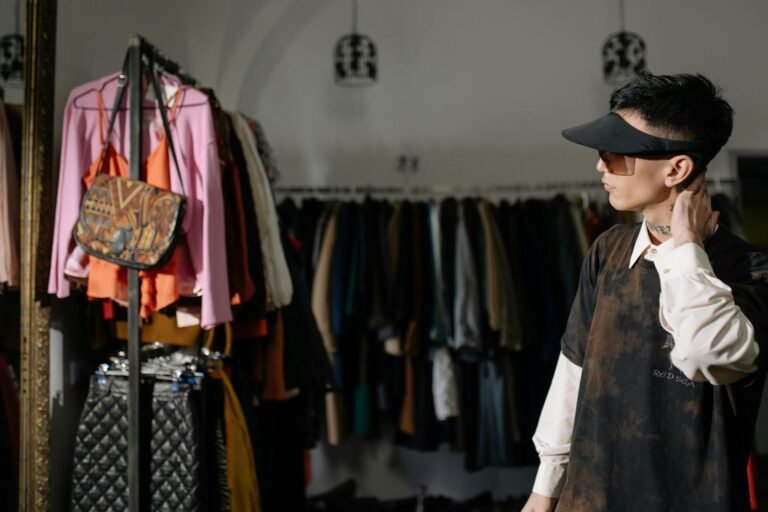
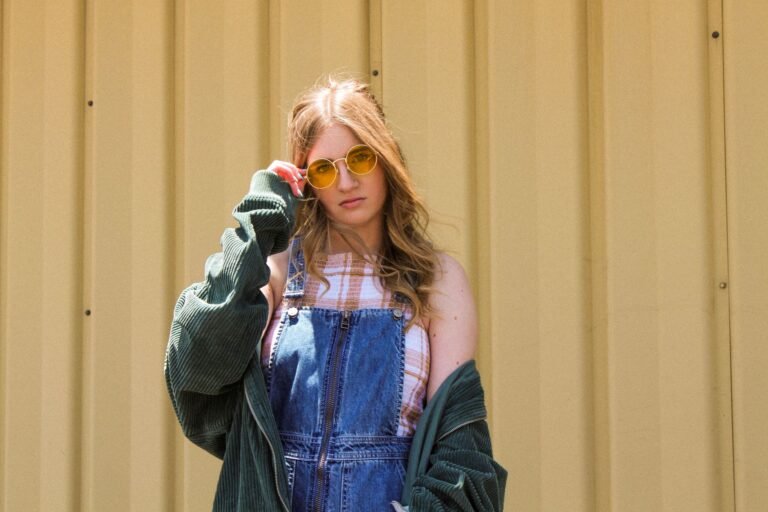
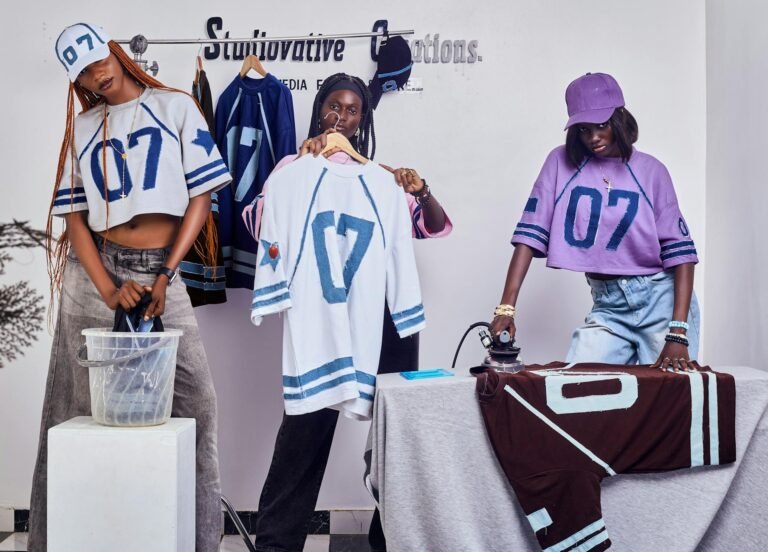
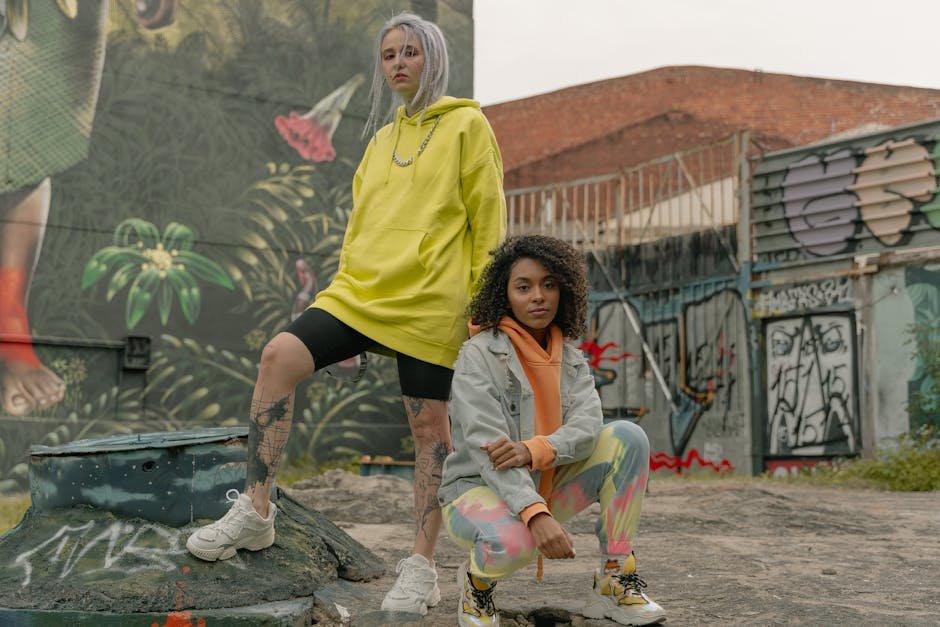
The aesthetic in 2026 leans toward oversized silhouettes, expressive graphics, quality construction, and pieces that function as both street and social media objects. The styling is looser and more layered than the body-conscious streetwear of the mid-2010s. The reference points are wide: skate culture, hip-hop, club wear, artisanal craft, sports, and contemporary art all feed into what women’s streetwear looks like right now.
Best Women’s Streetwear Brands Right Now
Kiko Kostadinov
Kiko Kostadinov’s women’s line, designed by sisters Laura and Deanna Fanning, is arguably the most technically accomplished and visually distinctive women’s streetwear line currently in production. The silhouettes are sculptural and asymmetric, the fabrics are chosen for texture and movement, and the construction details — articulated seams, panel insertions, unusual closure systems — reward close attention. This is streetwear for people who approach clothing as a form of material culture.
Kostadinov occupies a price point above most streetwear labels, but the design quality and longevity of the pieces justify the investment for those who are serious about building a distinctive wardrobe.
Martine Rose
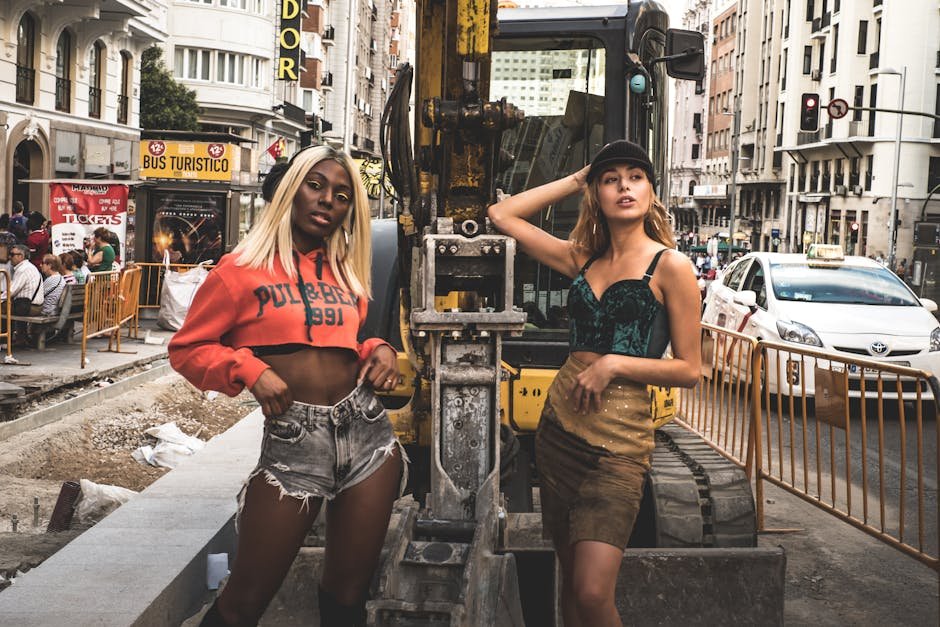
Martine Rose builds pieces around the working-class British subcultural references that formed her — football casuals, rave culture, pub culture — and filters them through a contemporary design lens that results in some of the most distinctive and wearable women’s streetwear produced in London. The proportions are deliberately off: collars too big, trousers cut wide and low, shirts oversized in unexpected places.
Worn correctly, the effect is deeply stylish. The fit requires commitment to the aesthetic.
Rose’s work resonates particularly strongly with women who want to dress in a way that references male-coded subcultural aesthetics without being read as simply wearing men’s clothes.
Dime MTL
The Montreal skate label that has built a global cult following through consistent design quality, dry humor in graphics, and deliberate scarcity. Dime’s women’s sizing has improved significantly and the brand’s aesthetic — clean lines, tonal palettes, occasional bold graphic moments — translates naturally into women’s wardrobes. The hoodies and sweatpants are among the best quality-to-price-ratio pieces in the market.
Ader Error
The South Korean collective Ader Error produces some of the most visually cohesive and consistently interesting work in contemporary streetwear. The collections move through deconstructed workwear, graphic play, and references to contemporary art and installation, all held together by a recognizable aesthetic that is simultaneously ironic and earnest. Their women’s pieces sit at the intersection of Korean street fashion and global streetwear culture.
Ader Error’s seasonal campaigns function as art direction projects in their own right and are worth following for visual inspiration even beyond the clothing itself.
Brain Dead
The Los Angeles collective started by Kyle Ng and Ed Davis draws heavily on underground music, horror imagery, and graphic design history to produce some of the most visually interesting graphics in streetwear. The women’s pieces — particularly the knits, outerwear, and graphic tees — bring a genuinely alternative aesthetic that doesn’t look like any other brand in the market.
Paloma Wool
The Barcelona brand founded by Paloma Lanna sits at the intersection of streetwear and artisanal craft. The knitwear is exceptional — hand-crafted textures, unusual colors, and silhouettes that sit beautifully on the body while still reading as contemporary and street-adjacent. Paloma Wool has built a dedicated following among women who want streetwear aesthetic with craft quality and a European sensibility.
Bodega (Women’s Section)
The Boston retailer and brand has developed a women’s presence that reflects the same curation standards that made the shop a global destination. Collaborative pieces with leading brands, well-selected basics, and consistently intelligent design. The Bodega aesthetic — understated, referential, quality-forward — translates naturally into women’s wardrobes.
Stüssy Women’s
The original surf-street brand has continued to develop one of the most complete and consistently wearable women’s streetwear programs in the market. The women’s pieces stay close to the core Stüssy aesthetic — relaxed graphics, quality fabrics, classic silhouettes — while being cut specifically for women rather than simply downscaled men’s patterns. The hoodies, shorts, and graphic tees are wardrobe staples that hold their value and style across multiple seasons.
P.A.M. (Perks and Mini)
The Melbourne label founded by Misha Hollenbach and Shauna Toohey operates at the meeting point of psychedelic visual culture, streetwear, and activewear. The prints are complex and deeply considered — influenced by meditation practices, geometric mysticism, and countercultural art — and the silhouettes are loose, functional, and street-ready. P.A.M. is genuinely independent in its aesthetic and requires no reference point outside its own visual world.
GCDS (Girls Don’t Cry)
The Italian label has built a distinctive space in women’s streetwear through maximalist graphics, logo-forward branding, and a combination of sportswear and club wear references that feels uniquely its own. Bold colors, playful messaging, and pieces designed to be seen — GCDS is for women who dress for the photo and for the street simultaneously.
Independent Women’s Streetwear Labels to Watch
Courrèges
The revived French house has found a second life as a contemporary streetwear-adjacent brand under creative director Nicolas Di Felice. The vinyl, the white-on-white, the graphic forms — classic Courrèges translated into contemporary street-relevant pieces. One of the more surprising success stories in recent fashion.
Bode
Emily Bode Aujla’s label deals in repurposed vintage fabrics and traditional American craft techniques, applied to garments with a distinctly contemporary sensibility. Bode pieces are collectible objects as much as clothing, and the brand’s women’s expansion has maintained the same standard of material and craft that made the men’s line a critical success.
Lo Chen
An emerging New York label with a strong point of view on proportion and color. Lo Chen’s pieces sit at the high end of the independent market but deliver design quality and distinctiveness that justify the investment for serious collectors.
How to Build a Women’s Streetwear Wardrobe
Start With Quality Basics
The foundation of any streetwear wardrobe is elevated basics — heavyweight cotton sweatshirts and hoodies in neutral or tonal colors, well-cut wide-leg trousers, quality graphic tees, and versatile outerwear. Invest in these pieces from brands with proven construction quality. Basics from Stüssy, Dime, or Carhartt WIP hold up to wear and wash better than cheaper alternatives and develop a patina over time that cheaper garments don’t.
Build Around Statement Pieces
One or two statement pieces per season — a distinctive jacket, a graphic hoodie from a specific collaboration, a standout pair of trousers — give the wardrobe its character. The statement pieces should be from brands you genuinely connect with aesthetically, not just brands with visible logos. Authenticity in streetwear reads immediately.
Develop Your Reference Points
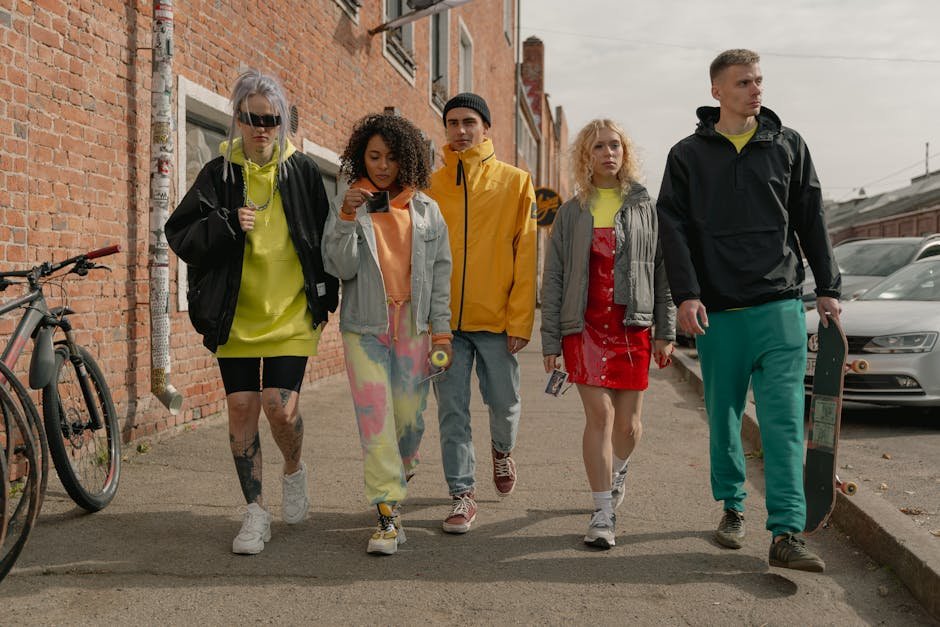
The most interesting women’s streetwear wardrobes are built around consistent reference points — a visual world that the wearer is clearly drawing from. Skate culture references.
Art and design references. Music subculture references.
The more specific your references, the more coherent and distinctive your aesthetic becomes. Wearing everything from every trend simultaneously produces a wardrobe with no point of view.
New York Fashion Week remains one of the clearest indicators of where women’s streetwear is heading season to season. Marie Claire’s NYFW fall/winter 2025 street style coverage captures how the brands shaping women’s streetwear are being worn in practice, outside the runway context.
Frequently Asked Questions
What is women’s streetwear?
Women’s streetwear encompasses casual, comfort-forward clothing — hoodies, sweatshirts, wide-leg trousers, graphic tees, sneakers, and outerwear — designed with street culture, art, music, and subcultural aesthetics as primary references. In 2026 it includes everything from technically constructed contemporary pieces to oversized basics to art-forward independent label work.
What are the best women’s streetwear brands for beginners?
Stüssy, Dime MTL, and Carhartt WIP offer the best entry points — consistent quality, accessible price points, and aesthetics that hold up across multiple seasons without feeling trend-dependent. From there, explore more specific brands as your own aesthetic reference points develop.
Is streetwear still popular for women in 2026?
Yes. Women’s streetwear has continued to expand in both cultural relevance and commercial scale through 2025 and into 2026. The categories that are particularly strong right now are oversized suiting with streetwear sensibility, elevated knits, technical outerwear, and graphic pieces from brands with genuine subculture connections.