
Indie Streetwear Brands You Have Never Heard Of (But Should)
Why Indie Streetwear Is Where the Best Stuff Is
Mainstream streetwear has a hype problem. The brands that dominate the conversation – Supreme, Off-White, Palace, Stussy – make genuinely good products but they also carry enormous brand premiums.
You are paying for the name as much as the clothing. And the culture around drops has become more about resale value and status signalling than actually wearing things.
Indie streetwear operates differently. Independent brands – typically founded by one person or a small team with a genuine creative vision – are building products because they have something to express, not because they identified a market opportunity.
The clothing is better because it has to be. There is no brand prestige to hide behind.
The product either speaks for itself or the brand does not survive.
Here is what to look for and how to find the independent streetwear brands worth knowing about.
What Makes a Brand Genuinely Independent
Independent is an overused word in fashion. Every brand claims it. These are the markers that actually distinguish indie streetwear from mainstream brands marketing themselves as underground:
- Founder-led with a visible creative identity – you can find the person behind the brand and see their broader creative practice
- Limited production – drops sell out because runs are genuinely small, not because artificial scarcity is manufactured
- No outside investment – the brand funds itself through product sales, which means every decision is creative rather than investor-driven
- Original visual language – the aesthetic is recognizable and consistent without relying on licensed imagery or trend-chasing
- Community before marketing – the audience was built around the creative work before the products existed
How Indie Streetwear Brands Are Built Today
The Instagram to Product Pipeline
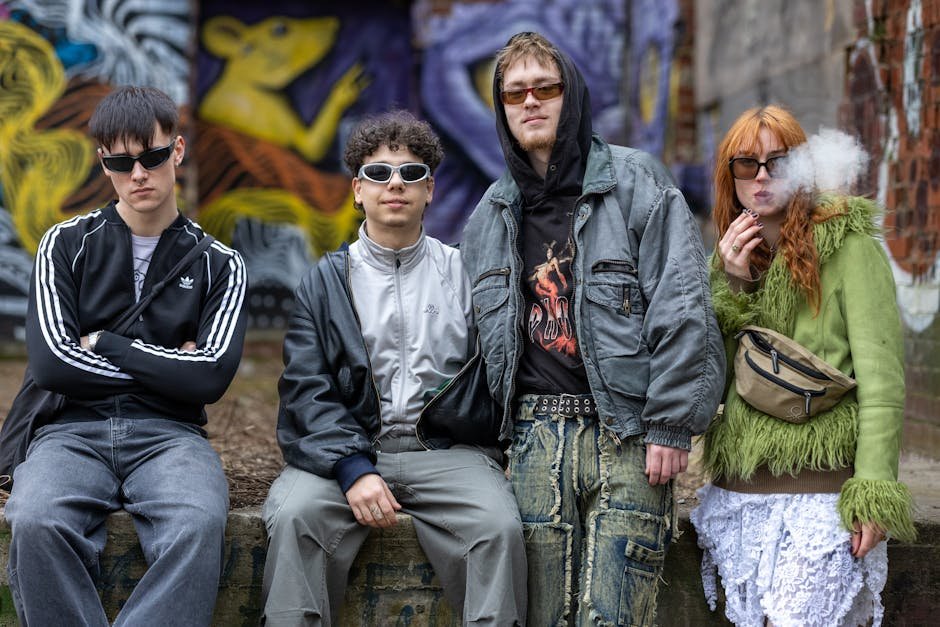
The most common origin story for indie streetwear brands in the last decade is the Instagram art account that became a clothing label. A digital artist or illustrator builds an audience around their visual work.
The audience wants to own the work. The artist produces physical pieces.
A brand emerges.
COVL is one example of this pipeline – an Instagram art practice with a distinct gradient and illustration aesthetic that became a physical streetwear brand. The key characteristic of brands built this way is that the creative work is primary and the clothing is secondary. The product exists to serve the art community, not the other way around.
The independent streetwear landscape continues to produce genuinely interesting new labels. Highsnobiety maintains an updated guide to the 25 streetwear brands worth knowing, spanning everything from heritage labels and Japanese pioneers to emerging names building original visual languages through exactly the kind of founder-led creative practice that defines genuine indie streetwear.
The Skate and DIY Route
Skateboarding has always been the incubator for streetwear brands that start from authentic subcultural roots. The graphic tee as vehicle for skate crew identity, the local brand that starts screen printing in a garage, the skate shop that becomes a label. This route produces brands with deep community roots but often limited reach beyond their immediate scene.
The Sample Archive Route
Some indie brands start from a deep knowledge of vintage and archive clothing – the founder who obsessively collects rare pieces and eventually starts producing their own interpretations. These brands typically have excellent construction and material knowledge because the founder has handled thousands of quality garments. The visual language tends to be more referential and archive-aware than purely digital-native brands.
What to Look for in an Indie Streetwear Piece
Construction Quality
Independent brands that are serious about the product will use quality blanks or construct their own garments. Check the seams – double-stitched or chain-stitched construction indicates a brand that thought about durability. Check the fabric weight – heavier cotton or fleece holds its shape and feel significantly longer than lightweight options.
Print and Dye Quality
The graphic or dye work should be executed at a level that justifies the price. Screen prints should have clean edges and feel slightly raised from the fabric surface.
Garment dye should be even and saturated. Direct-to-garment printing should have detail and color accuracy without the plastic feel of low-quality digital prints.
Fit and Silhouette
Indie brands that understand fashion think about the silhouette of their pieces. A hoodie should have a considered fit – the drop of the shoulder, the length of the body, the weight of the cuff. These details separate a brand that designs clothing from one that just puts graphics on blanks.
Consistency Across Drops
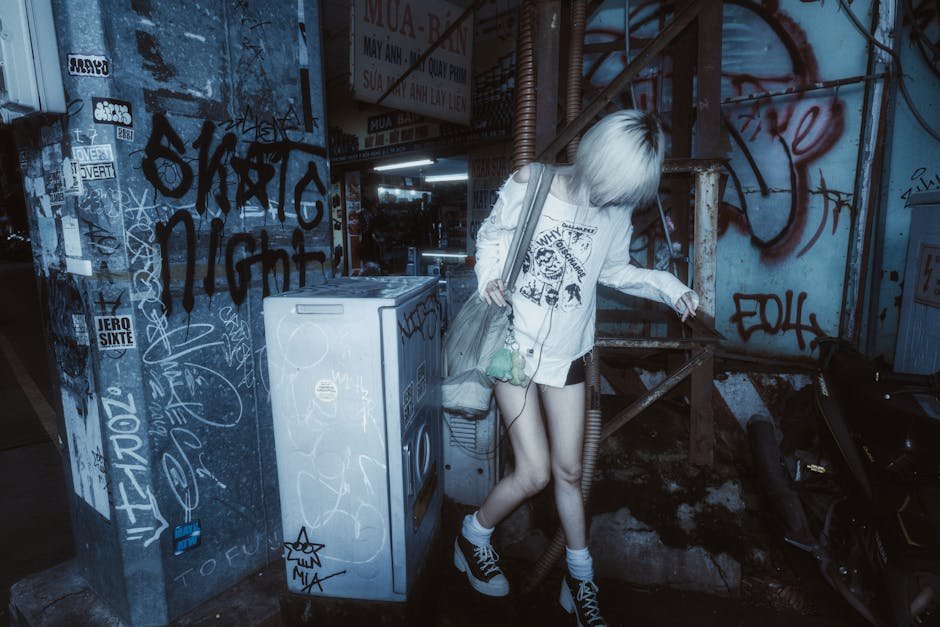
The best indie streetwear brands have a recognizable visual language that evolves coherently across multiple drops. Each piece connects to the brand’s aesthetic without being repetitive. If every drop looks completely different with no connecting thread, the brand does not have a genuine creative identity – it is just reacting to trends.
Where to Find Indie Streetwear Brands
Still the primary discovery channel. The algorithm serves niche creative content to interested audiences better than any other platform.
Follow artists whose work you respond to and watch their stories for product announcements. Use the explore page to find adjacent creators once you have identified a few you like.
Independent Drop Platforms
Several platforms exist specifically to support independent brand drops. These give indie brands infrastructure for selling limited runs without building their own e-commerce from scratch. Check new arrivals and upcoming drops regularly if you follow this space seriously.
Vintage and Resale Markets
Physical markets – vintage fairs, art markets, pop-up events in creative cities – are where indie streetwear brands often debut and sell directly. Meeting the founder and seeing the product in person is the best way to evaluate a brand you have not bought from before.
Streetwear Communities Online
Reddit communities dedicated to streetwear, Discord servers organized around specific aesthetics or scenes, and forum cultures around drop culture all surface indie brands that mainstream fashion media does not cover. These communities tend to have early information about new brands worth watching.
Why Supporting Indie Streetwear Matters
Beyond the quality argument – which is real – supporting indie streetwear brands matters because it sustains an ecosystem of independent creative production. Every purchase from an indie brand directly funds the artist or team behind it. It enables them to make the next drop, iterate on their practice, and build something that lasts.
The alternative – everything flowing to a handful of dominant brands – produces cultural homogeneity. The same aesthetics, the same drops, the same hype cycles. Indie streetwear is where visual diversity in clothing actually lives.
Understanding how limited drops work in streetwear is essential context for following indie brands – the drop model is not a marketing trick at the independent level but a genuine reflection of how small-team creative production operates, with real scarcity replacing manufactured exclusivity.
Frequently Asked Questions
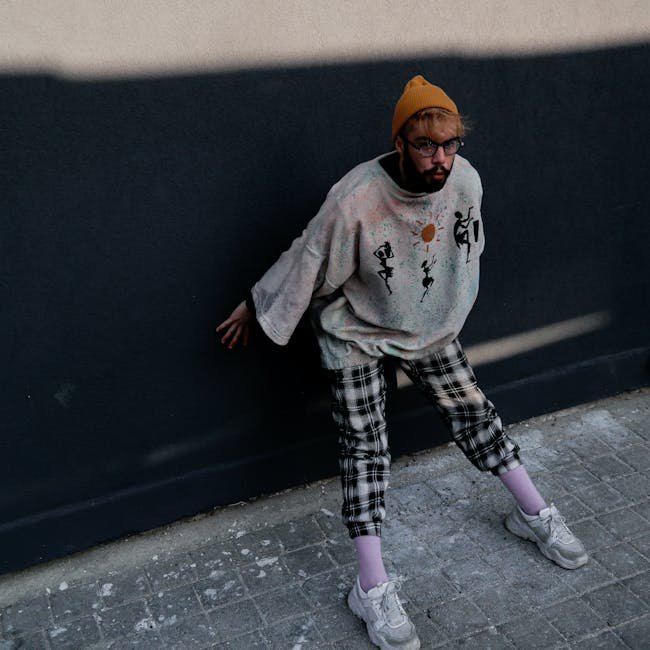
What counts as an indie streetwear brand?
An independent streetwear brand is one that operates without corporate backing or outside investment, is typically founded and run by a small creative team or individual, produces in limited quantities, and has an original visual identity that comes from a genuine creative practice rather than trend analysis.
How do you find new indie streetwear brands?
Instagram is the most reliable channel – follow digital artists and illustrators you admire and watch for product announcements. Physical markets, streetwear forums, and independent drop platforms are also strong sources. The best indie brands are often discovered through community recommendation rather than advertising.
Are indie streetwear brands worth the higher price?
Yes, when the quality is there. Indie brands typically use better materials, produce in smaller quantities that allow tighter quality control, and carry original artwork or design that cannot be found in mainstream retail. The premium reflects genuine craft and scarcity rather than brand prestige.