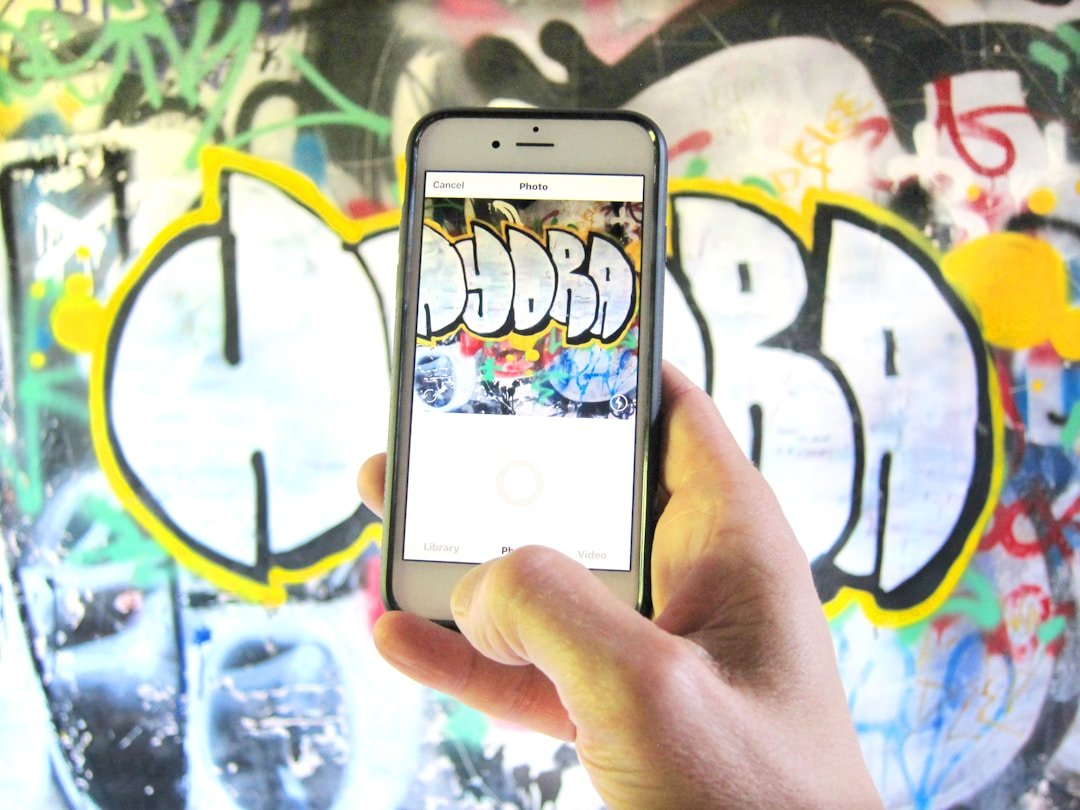
How Instagram Art Became Fashion: The Rise of Art-Inspired Streetwear
The Shift That Changed Everything
In 2012, Instagram was a photo-sharing app. By 2016, it had become the primary distribution channel for an entire generation of independent artists.
By 2020, those artists were running clothing brands. The pipeline from Instagram art to streetwear was not inevitable – it was constructed piece by piece by artists who recognized that their audience wanted to wear the aesthetic they were seeing in their feeds, not just like it.
This shift created a new category in fashion: art-inspired streetwear. Not streetwear brands that commissioned artists as collaborators.
Not fine art that happened to appear on a tee shirt. Something more integrated – clothing brands founded by working artists, built on the visual language of their personal practice, selling directly to an audience they had cultivated through years of posting.
Why Instagram Was Different
Previous generations of artists built audiences through galleries, zines, websites, and limited-circulation publications. These channels were effective but slow and geographically constrained. An artist in Los Angeles building a following through gallery shows was working within a local and regional market with occasional national exposure through publications.
Instagram collapsed geography. An artist posting gradient digital paintings from anywhere had access to a global audience that the gallery system could not provide.
More importantly, Instagram built parasocial connection at scale – followers saw not just the work but the artist’s process, taste, daily life, and values. By the time an artist announced a clothing brand, the audience already felt they knew the person behind it.
This parasocial depth translated directly into purchase behavior. Buying a tee shirt from an artist you followed for three years was not the same decision as buying a tee shirt from a brand. It was closer to buying something from a friend – a transaction loaded with meaning and identity alignment that commodity fashion cannot produce.
The Art-to-Brand Pipeline
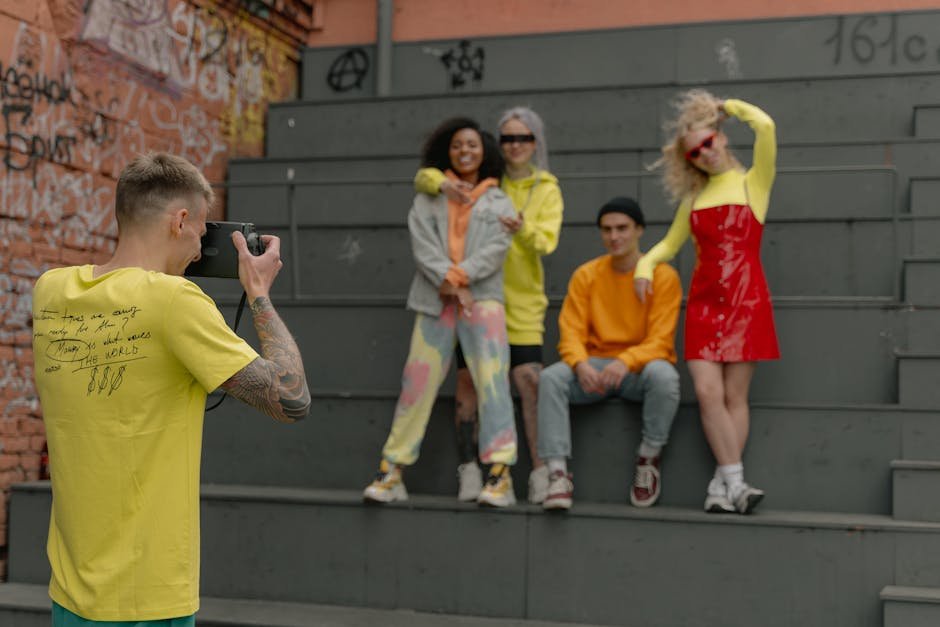
Phase 1: Build the Visual Language
Every artist-founded streetwear brand started with a recognizable visual language built through consistent posting. Whether it was gradient color fields, bold typography, surreal illustration, or collage aesthetics, the visual signature had to be strong enough to be instantly recognizable in a feed. Consistency of aesthetic was not artistic limitation – it was brand building in the most literal sense.
COVL is a direct example of this pattern. The gradient-forward visual language – warm color transitions, sun-inspired palettes, bold color movement – was developed through the Instagram feed before it became the brand. The clothing was the product; the aesthetic was the foundation.
Phase 2: Convert Followers to Buyers
The conversion from art follower to clothing buyer required bridging the gap between aesthetic appreciation and product desire. The most effective mechanism was showing the art on the body – styling posts that placed the clothing in the same visual context as the art that had built the audience. When the garment clearly expressed the same visual language as the Instagram feed, the purchase decision became straightforward: buying the piece was buying a piece of the aesthetic.
Phase 3: Limited Drops as Demand Engineering
Artist-founded streetwear brands borrowed heavily from the limited-drop model pioneered by Supreme and refined by a hundred subsequent brands. Limited production runs created scarcity and urgency without requiring the marketing infrastructure of a traditional fashion brand. Instagram made announcing drops immediate and direct – a post to an engaged following was enough to sell out a small production run within hours.
The limited drop also aligned naturally with the artist’s production reality. An independent artist-founder cannot produce and stock thousands of units. Small runs, sold out quickly, with high margins on premium product was a business model that fit both the artist’s capacity and the streetwear audience’s expectations.
The Aesthetic Signatures of Art-Inspired Streetwear
Gradient and Color Transition
Gradient aesthetics became one of the dominant visual signatures of art-inspired streetwear precisely because gradients are native to digital art tools – they are easy to execute in Photoshop, Illustrator, and Procreate while being expensive and technically demanding to replicate in traditional fashion. When an artist who worked primarily in digital media moved into clothing, gradient prints were a natural translation of their core visual language into fabric.
The gradient also carried specific cultural associations – sunsets, warmth, the visual quality of light, emotional resonance. A gradient hoodie communicates something about the wearer’s sensibility that a solid-color piece cannot.
Hand-Drawn and Illustrative Graphics
Artist-founded brands brought the tactile quality of hand drawing back into streetwear graphics at a moment when much of the industry had moved toward clean, digital vector graphics. Loose line drawings, expressive brushwork, and illustrative characters that clearly originated in a sketchbook rather than a design brief distinguished art-inspired streetwear from brand-produced graphics.
Typography as Visual Art
Custom lettering and typographic art – where the text is also the image – appeared in art-inspired streetwear through artists who came from graffiti, sign-painting, and calligraphy traditions. Type-heavy pieces that would be illegible from a distance but reward close inspection reflected the artist’s interest in language as visual medium rather than purely communicative tool.
The Artists Who Built the Category
The artist-founded streetwear brand category includes a broad range of practices and scales. Some remained genuinely small – limited production, direct sales, artist as sole operator – and maintained the intimacy and exclusivity that built their audiences. Others scaled into proper businesses with team members, retail distribution, and eventually acquisition by larger fashion companies.
The common thread was always the artist’s visual language as the brand’s foundational asset. When the work was strong, the brand was strong. When the artist stopped making compelling work, the brand lost its reason to exist in the market.
This is fundamentally different from how traditional fashion brands relate to art. In mainstream fashion, art is a collaborator, a vendor, a source of one-off cultural capital. In artist-founded streetwear, art is the origin – the brand exists because the art was good enough to build an audience that wanted to wear it.
What Art-Inspired Streetwear Looks Like in 2026
The category has matured significantly since the mid-2010s peak of artist-founded brand launches. Several things have changed:
Quality Has Increased
Early artist-founded streetwear brands sometimes prioritized the graphic over the garment. The tee might have exceptional art printed on mediocre fabric.
As the category matured and consumer expectations rose, the standard shifted toward quality blanks, better printing techniques, and more considered construction. Buyers now expect both the art and the garment to be excellent.
The Channels Have Multiplied
Instagram remains central, but artist-founded brands now operate across TikTok, Pinterest, and YouTube alongside Instagram. TikTok in particular has accelerated discovery cycles significantly – a single video showing the creation process or the garment in motion can reach hundreds of thousands of people who had no prior awareness of the brand. The multi-platform audience is less concentrated but larger in aggregate.
The Competition Has Intensified
Because the barrier to launching a clothing brand dropped dramatically with print-on-demand services and Shopify, the artist-to-brand pipeline that was genuinely novel in 2015 is now crowded. The visual language that distinguished art-inspired streetwear has been partially absorbed by mainstream fashion brands and fast fashion, which regularly produce gradient prints and art-adjacent graphics without the artist behind them. Authenticity – the genuine artist origin – has become more important as a differentiator precisely because it is more easily counterfeited.
Why the Model Endures
Despite increased competition and channel fragmentation, the artist-founded streetwear brand model remains one of the most viable paths for independent artists to build sustainable revenue from their practice. The reasons are structural:
- High-margin product: A printed tee shirt at $65 with a $12 production cost represents margin that digital art sales (prints, licensing) rarely achieve
- Direct audience: No intermediary between the artist and the buyer means no middleman taking margin and no dependency on gallery, publication, or platform gatekeepers
- Brand value compounds: A clothing brand that sells out drops becomes more desirable over time, not less – scarcity and successful drops build the brand’s perceived value in a way that pure art practice rarely does
- Community formation: Buyers of art-inspired streetwear self-identify as members of a community around the artist’s aesthetic, which creates retention and repeat purchasing that commodity fashion cannot produce
The connection between New York street artists and mainstream fashion has deep roots that predate the Instagram era. WWD documented the art kids and misfits who built New York streetwear from the ground up — the same creative community whose visual language now shapes the art-inspired streetwear market globally.
Frequently Asked Questions
What is art-inspired streetwear?
Art-inspired streetwear is clothing produced by brands founded by working artists, where the visual language of the brand derives directly from the artist’s creative practice rather than from trend research or commercial design. The brand exists because the art was good enough to build an audience that wanted to wear it.
How did Instagram change fashion?
Instagram gave independent artists direct access to global audiences without the gatekeeping of galleries, publications, or distribution systems. It built parasocial connection at scale between artists and followers that translated into strong purchase intent when those artists launched clothing brands. The result was a new category of artist-founded fashion brands that the traditional industry had no roadmap for.
What makes art-inspired streetwear different from regular streetwear?
The origin. Regular streetwear brands may commission artists or use art-adjacent graphics produced by in-house designers.
Art-inspired streetwear comes from the artist’s own practice – the visual language on the garment is the same visual language that built the audience that buys the garment. The authenticity of that connection is what creates the brand’s value and what the mainstream fashion industry cannot fully replicate.