
Streetwear Accessories: The Complete Guide to Finishing Your Look
Why Accessories Define Streetwear
In streetwear, accessories are not afterthoughts. A plain white tee, baggy jeans, and clean sneakers is a blank canvas – the accessories are where the look becomes a statement. The cap, the bag, the jewelry, the socks visible above the shoe line – these are the details that signal streetwear fluency and separate a deliberate outfit from a random assembly of clothes.
Streetwear culture has always placed enormous weight on accessories because they are the most visible indicators of taste, knowledge of brands, and alignment with specific scenes. A Supreme box logo cap or a Palace triangle tee communicates brand literacy.
A chrome cross pendant, a beaded bracelet, or an oversized watch signals aesthetic alignment with specific visual codes. Getting accessories right is how a streetwear outfit moves from good to complete.
Caps and Headwear
The Six-Panel Cap
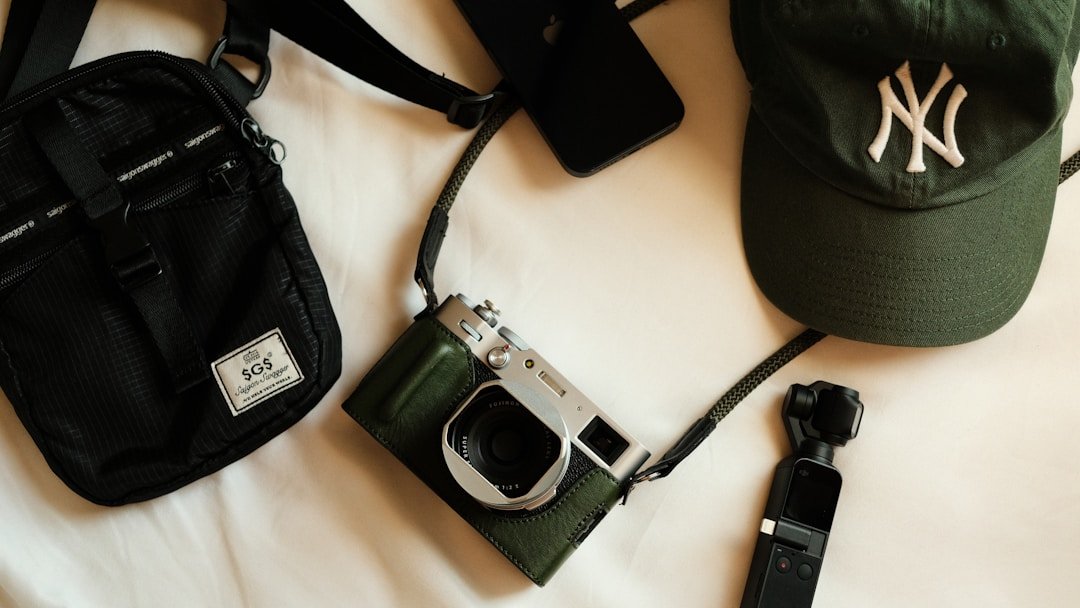
The six-panel structured cap – also called a dad hat’s more structured cousin – is the dominant streetwear headwear. Originally popularized through skateboarding and hip-hop culture, the six-panel cap has become a standard streetwear canvas for brand graphics, collaborative art prints, and embroidered logos. Wear it forward for a clean, classic read; slightly off-center or backward for a more casual, skate-aligned look.
Dad Hats
The unstructured cotton dad hat (low profile, curved brim, adjustable strap at the back) is the more relaxed counterpart to the structured six-panel. Dad hats from independent brands and art-forward labels lean into the faded, worn-in aesthetic that works well with vintage streetwear or gradient fashion looks. A dad hat in a tonal color that echoes the rest of the outfit creates cohesion without trying too hard.
Beanies
The knit beanie is essential cold-weather streetwear. Worn slouched at the back of the head (never pulled down over the ears in streetwear contexts), a plain knit beanie in black, grey, or a bold color adds dimension to any layered look. Art-forward brands produce beanies with embroidered patches, jacquard patterns, and logo placements that make them a statement piece rather than just a practical item.

Bucket Hats
The bucket hat has been embedded in streetwear since the 1990s and has not left. Its appeal lies in versatility – it reads casual and relaxed, it works across seasons (cotton in summer, fleece or nylon in winter), and it accommodates everything from brand logos to art prints to solid colors. A reversible bucket hat in two complementary colors maximizes wear options.
Bags
Crossbody Bags
The crossbody bag is the most practical streetwear bag category. Worn across the chest or at the hip, crossbody bags keep hands free while maintaining visual interest at the torso level.
Nylon crossbodies from brands like Porter-Yoshida, small leather crossbodies, and art-graphic-printed crossbodies all work in streetwear contexts. Size matters – too large and it overwhelms a slim-fit top; the right scale sits cleanly without disrupting the outfit’s silhouette.
Tote Bags
The canvas tote bag is one of the most underrated streetwear accessories. Carried by hand or over one shoulder, a tote with a strong graphic, art print, or brand statement becomes a visual element of the outfit rather than just a practical carrier. Art-brand totes – canvas totes printed with original artwork – function as wearable art in the streetwear context and align particularly well with the COVL aesthetic.
Backpacks
The streetwear backpack ranges from technical nylon (Eastpak, Fjallraven, Cote&Ciel) to brand-collaborative art pieces to minimal leather. The key in streetwear is proportion – a backpack that is too large reads as school bag rather than fashion.
A compact backpack (20L or under) maintains the streetwear silhouette. Wear it with both straps for the clean look rather than single-strap, which reads as 2012.
Hip Bags and Belt Bags
The hip bag (often called a bum bag or fanny pack in other contexts) worn at the waist or across the chest is one of the most consistent streetwear bag choices. It keeps essentials immediately accessible, adds visual structure at the mid-section, and works with both casual and more styled streetwear looks. Nylon hip bags in solid colors or brand graphics are the most versatile entry points.
Streetwear Jewelry
Chains
The chain necklace is core streetwear jewelry. Cuban link chains in silver or gold at a medium thickness (5-8mm) are the most wearable.
Worn alone or layered with a pendant, a chain adds intentional visual weight at the neckline that balances loose-fit tops and hoodies. In streetwear styling, chains are worn outside the clothing rather than tucked in – visibility is the point.
Pendants
Pendants in streetwear tend toward graphic, meaningful, or art-forward designs rather than fine jewelry minimalism. Cross pendants, art-cast pendants, vintage medallions, and brand-logo pendants all work. The pendant is often the most personal accessory in a streetwear look – a marker of specific tastes, affiliations, or cultural references that matters to the wearer.
Rings

Stacked rings on multiple fingers create a bold, intentional hand aesthetic. Sterling silver or gold rings in simple band or signet styles work cleanly.
In art-forward streetwear, sculptural or hand-cast rings with graphic forms add an artistic dimension. Wear rings on both hands for a balanced, styled look rather than clustering on one hand.
Earrings
For all genders, earrings are significant streetwear accessories. Studs in gold or silver, small hoops, and statement ear cuffs all fit within streetwear contexts. Art-inspired earrings with graphic forms, cast shapes, or enamel color details align particularly well with art-forward streetwear brands and the COVL aesthetic.
Bracelets
Beaded bracelets, leather cuffs, and chain bracelets add texture at the wrist. Layered bracelets work in streetwear when they feel curated rather than random – two to four pieces in a consistent material or color story rather than an unrelated assortment. Sports rubber bracelets (particularly colorful silicone bands from skate brands) remain embedded in streetwear wrist stacking.
Socks
In streetwear, socks are visible. Intentionally. The few inches of sock visible above the shoe and below the hem of pants or shorts carry genuine styling weight.
Key streetwear sock principles:
- Length: Crew height (mid-calf) is the streetwear standard. Ankle socks disappear; knee-highs read as a deliberate style choice.
- Color: Either exactly match the top or shoes for a tonal, clean look, or use the sock as a deliberate contrast accent or color pop
- Graphics: Bold graphic socks (brand logos, art prints, typography) work in streetwear contexts where the rest of the outfit is relatively clean
- White socks with dark shoes: One of the strongest contrast details in streetwear – white crew socks with black Nikes or Air Force 1s is a clean, classic combination
Fashion industry coverage of accessories reflects how central small details are to a complete look. WWD coverage of top accessories across fashion weeks highlights how statement jewelry, structured bags, and bold headwear define considered styling at every level, from runway to street.
Belts
The belt is both functional and visual in streetwear. A visible belt on low-worn pants creates a graphic horizontal element at the hip.
Box-logo belts, chain belts, and wide leather belts with graphic hardware all appear in streetwear. The nylon webbing belt with a side-release plastic buckle (popularized through outdoor and tactical gear) became a streetwear standard through brands like Supreme and Stussy and remains one of the most versatile options.
Sunglasses
Streetwear sunglasses skew toward bold, geometric frames rather than classic or preppy silhouettes. Wraparound frames, thick square frames, narrow oval frames (the so-called Y2K or matrix silhouette), and shield frames all appear in streetwear contexts. Tinted lenses in amber, blue, or gradient colorways (gradient lenses that fade from dark at the top to clear or a lighter tint at the bottom) add an additional layer of visual interest that aligns directly with gradient fashion aesthetics.
How to Accessorize a Streetwear Outfit
The One-Statement Rule
Choose one accessory as the visual anchor and support it with quieter pieces. If the chain is the statement, keep the cap simple and the bag plain.
If the bag is a graphic statement, simplify the jewelry. Competing statement accessories create visual noise rather than intentional style.
Color Cohesion
Accessories should either match a color already present in the outfit or introduce a single deliberate accent. Pulling one color from a graphic tee into an accessory (a hat that picks up the red in the graphic, a bag that mirrors the tone of the pants) creates coordination without requiring an exact match.
Proportion and Scale
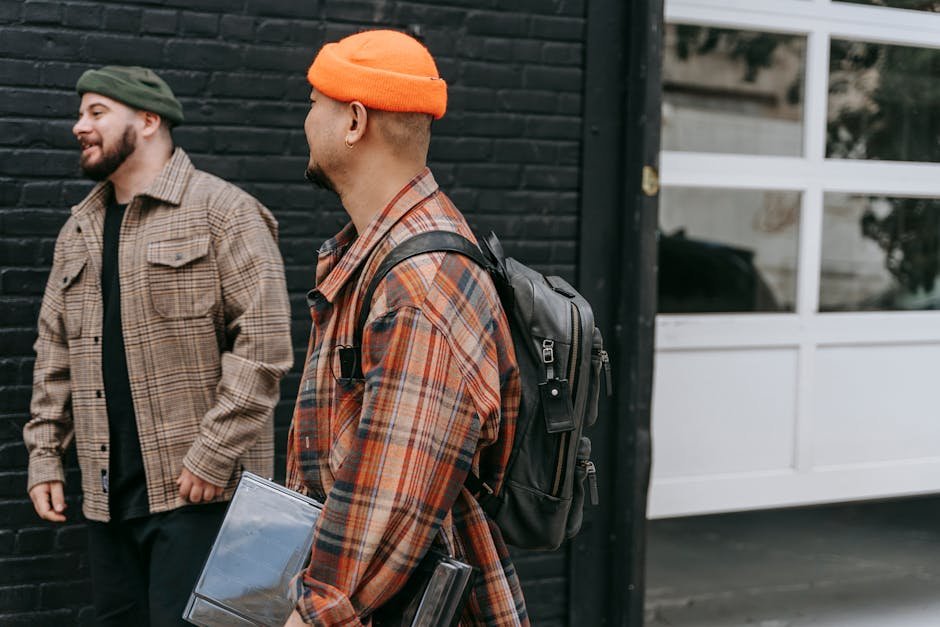
Oversized streetwear silhouettes (baggy pants, oversized hoodies) need accessories that hold visual weight – a chunky chain, a substantial bag, a bold cap. Slim or fitted streetwear pieces can carry more delicate accessories. Mismatched scale (tiny jewelry on an oversized look) creates an unfinished quality.
Frequently Asked Questions
What accessories do you need for streetwear?
At minimum: a cap, a bag, and either jewelry or visible socks. These three categories cover the visual zones (head, torso/hand, feet) that streetwear styling prioritizes. Build from these essentials and add pieces as you develop your aesthetic.
Are chains necessary in streetwear?
No, but they are common. Chains add visual weight at the neckline that balances loose-fit streetwear silhouettes. If chains don’t suit your aesthetic, other neckline interest (layered tees, visible collar from a shirt under a hoodie, bandana) serves the same visual purpose.
What bags work with streetwear?
Crossbody bags, totes, compact backpacks, and hip bags all work. The key is appropriate scale for the outfit and a design that reads intentional – graphic, branded, or minimally refined rather than a generic bag that happens to be nearby.