Gradient Nail Art: Ideas, Techniques and Inspiration for 2026
What Is Gradient Nail Art?
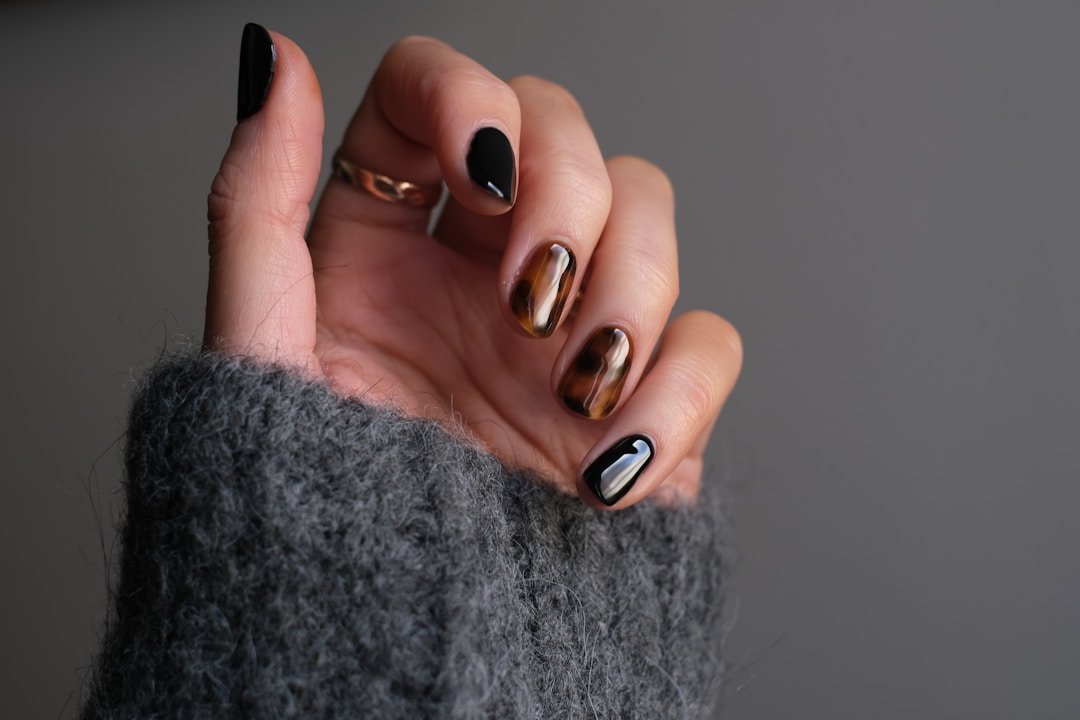
Gradient nail art is any manicure technique that creates a smooth transition between two or more colors on the nail. The color flows from one shade into another without a hard line – a seamless fade that mimics the color transitions seen in sunsets, ocean horizons, and gradient fashion. The effect can be subtle, like a soft ombre from deep burgundy to blush, or vivid, like a full sunset palette moving through orange, pink, and purple across a single nail.
Gradient nails have been one of the most consistently popular nail art styles since the early 2010s. Unlike trendy nail art that cycles in and out quickly, gradient techniques endure because the color palette options are essentially infinite and the technique scales from beginner-friendly to highly skilled depending on how complex the execution is.
Gradient Nail Techniques
The Sponge Method
The most accessible gradient nail technique and the best starting point for beginners. The sponge method uses a makeup sponge to blend multiple nail polish colors together before dabbing them onto the nail.
How to do it:
- Apply a white or light base coat and let it dry fully – this makes the gradient colors appear more vibrant
- Paint stripes of your chosen gradient colors side by side on a makeup sponge, slightly overlapping where they meet
- Dab the sponge gently onto the nail in a rolling motion, reloading the sponge with polish as needed
- Apply two to three layers to build opacity and smooth out the transition
- Clean up the edges with a brush dipped in acetone, then seal with a glossy top coat
The sponge method works best with colors that are close on the color wheel – adjacent hues blend more smoothly than complements. For a sunset gradient, layer orange, coral, and pink for a naturally flowing result.
The Brush Blend Method
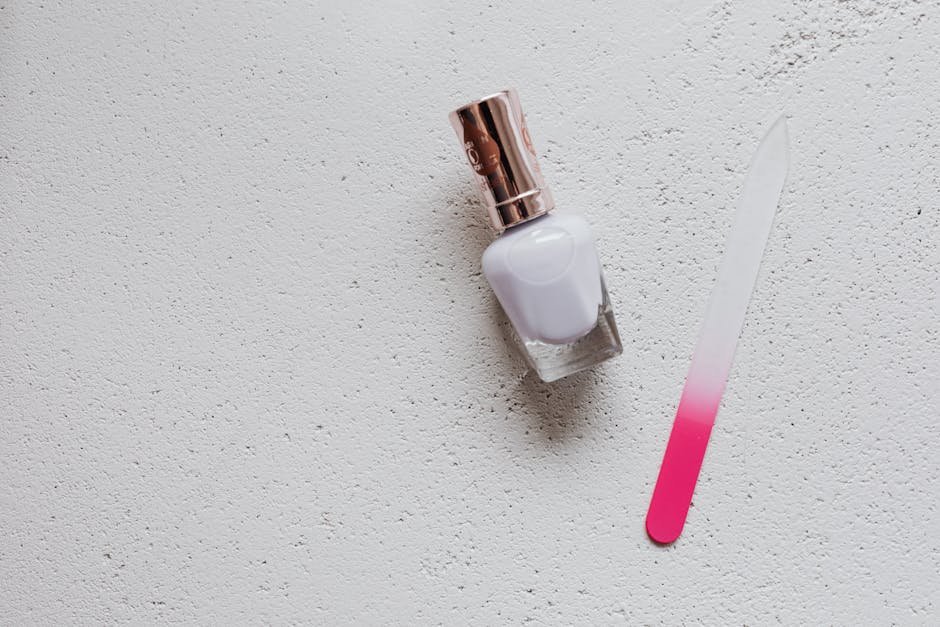
A more controlled technique that requires a fan brush or a flat nail art brush. Apply the colors to the nail separately and blend them together at the meeting point while the polish is still wet using small, feathery brush strokes. This method gives more precision over where the transition falls on the nail and is better suited for detailed gradient placements like tip gradients or gradient French manicures.
Gel Gradient
Gel nail polish gives more working time than regular polish, which makes blending easier. Apply gel colors in sections, use a clean brush to blend them together at the boundaries while uncured, then cure under UV or LED light. Gel gradients produce a deeper, more glass-like finish than regular polish gradients and last significantly longer without chipping.
Acrylic Powder Gradient (Ombre Acrylic)
Used in nail salons, the acrylic powder gradient technique creates dimensional ombre nails by working two different colored acrylic powders together while they are still malleable. The transition is built directly into the nail structure rather than painted on top, which produces an exceptionally smooth gradient that is integrated into the nail itself. This technique requires professional-level skill and tools.
Chrome Gradient
A more advanced technique that uses chrome powder or foil on top of a gel base to create a metallic gradient effect. The chrome is buffed onto the nail selectively – more concentrated at one end, fading to nothing at the other – creating a reflective gradient that shifts with the light. Chrome gradients in rose gold to silver or copper to gold are particularly striking.
Sunset Gradient Nails
The sunset gradient nail is one of the most requested manicure styles and directly mirrors the color aesthetic at the heart of the COVL brand. The palette moves through the same colors as a setting sun – deep orange or coral at the base, transitioning through warm pink and magenta toward a soft purple or lavender at the tip.
Classic Sunset Gradient Nail Colors
- Base: Deep coral or burnt orange
- Mid: Hot pink or watermelon
- Tip: Soft purple or mauve
For maximum impact, apply over a white base coat. The white underneath makes the warm tones glow rather than appearing muddy. Finish with a high-shine gel top coat to give the gradient the depth and glass-like quality that makes it photograph beautifully.
Sunset Gradient Nail Variations
- Vertical sunset – gradient runs from cuticle to tip, the classic orientation
- Horizontal sunset – gradient runs across the width of the nail from one side to the other
- Diagonal sunset – gradient cut diagonally across the nail for a more graphic look
- Sunset tip – only the tip of the nail carries the gradient, like a French manicure with sunset colors replacing white
- Galaxy sunset – sunset gradient with added glitter or foil at the dark end to create a space-like effect
Pastel Gradient Nails
Pastel gradient nails use the same techniques as vivid gradients but with desaturated, soft tones. Mint to lavender, baby pink to peach, soft yellow to pale rose. Pastel gradients are the most wearable for everyday contexts – they add color interest without the intensity of vivid sunset palettes.
Pastel gradients work particularly well in spring and summer, where the soft tones complement natural light beautifully. They also photograph well in natural daylight without the slight overexposure that sometimes happens with highly saturated colors.
Monochromatic Gradient Nails
A single color transitioning from light to dark on the same nail. Deep navy at the base fading to pale sky blue at the tip. Rich burgundy at the cuticle lightening to blush at the edge. Monochromatic gradients read as sophisticated and intentional – they have the elegance of a solid color manicure but with the visual depth that a gradient adds.
This style is the easiest to wear across professional and formal contexts where vivid multi-color gradients might feel too casual or bold.
Gradient Nail Color Combinations
Warm Combinations
- Orange to coral to pink – the classic sunset
- Red to orange to yellow – bold and graphic
- Burnt sienna to peach to cream – earthy and wearable
- Wine to rose to blush – romantic and refined
Cool Combinations
- Navy to teal to mint – ocean gradient
- Purple to blue to periwinkle – twilight palette
- Emerald to sage to pale green – forest gradient
- Deep indigo to lavender to white – cosmic fade
Neutral Combinations
- Black to charcoal to grey – graphic and modern
- Deep brown to tan to cream – earthy monochrome
- Nude to white – the most minimal gradient
Gradient Nail Art Tips
Always Use a White Base
For any vivid or pastel gradient, a white base coat underneath makes colors appear significantly brighter and more saturated. Without white underneath, gradient colors on natural nails can look muddy or dull, especially warm tones like orange and yellow.
Work Quickly
The sponge method requires the polish on the sponge to still be slightly tacky when applied to the nail. If the polish dries on the sponge before you apply it, the gradient will look streaky rather than blended. Work in small sections and reload the sponge frequently.
Build in Layers
One application of the gradient sponge technique will rarely produce a smooth, opaque result. Apply two to three layers, letting each dry slightly between applications, to build the gradient to full opacity and smooth out the transition.
Top Coat Is Essential
Gradient nail art, particularly the sponge method, often leaves a slightly textured surface where the sponge dabbed onto the nail. A generous application of high-shine top coat smooths this texture, intensifies the colors, and extends the wear time significantly.
Ombre and gradient nails have remained consistently popular because the technique works across so many color directions. Marie Claire rounds up the most striking ombre nail designs, from classic sunset gradients to modern glazed finishes and pastel fades, showing how the technique continues to evolve while staying fundamentally recognizable.
Frequently Asked Questions
How do you do gradient nails at home?
The sponge method is the most beginner-friendly approach. Paint your gradient colors side by side on a makeup sponge with slight overlap, then dab the sponge onto the nail in a rolling motion.
Apply two to three layers, clean up the edges with acetone, and finish with a glossy top coat. A white base coat underneath makes the colors appear more vibrant.
What nail polish colors make a sunset gradient?
A classic sunset gradient uses coral orange, hot pink or watermelon, and soft purple or mauve. Apply over a white base coat for maximum vibrancy. The transition moves from the warm orange at the base through pink at the mid-nail to purple at the tip.
How long do gradient nails last?
Regular polish gradient nails last five to seven days with proper top coat. Gel gradient nails last two to three weeks.
Acrylic gradient nails last three to four weeks with regular fills. Top coat reapplication every two to three days significantly extends the wear of any gradient manicure.
Are gradient nails hard to do?
The sponge method is straightforward enough for beginners to achieve a decent result on the first attempt. Clean edges and a smooth transition improve significantly with practice. More advanced techniques like brush blending, gel gradients, and chrome gradients require more skill but produce progressively more refined results.