Limited Drop Streetwear: How It Works and Why It Matters
What Is a Limited Drop?
A limited drop is a release strategy where a brand produces and sells a small, fixed quantity of a product – often without restocking it once it sells out. The product is available for a defined window, either by time or by quantity, and when it is gone, it is gone.
The term comes from streetwear culture, where drops have been a core release mechanism since at least the 1990s. Supreme formalized the weekly Thursday drop as a cultural institution. Sneaker brands used limited releases to drive demand and cultural relevance. Independent streetwear labels adopted the model because it matched how they actually operated – small runs produced by small teams with limited manufacturing capacity.
Why Independent Brands Use the Drop Model
For large brands like Supreme or Nike, the limited drop is a deliberate scarcity strategy designed to create hype and demand. The scarcity is manufactured.
For independent brands, the scarcity is real. A small team producing garments with genuine craft cannot manufacture in the volumes that would make perpetual availability possible.
A run of fifty or a hundred pieces is not a marketing decision – it is a production reality. The drop model simply acknowledges and organizes around that reality.
This distinction matters because it affects the quality of what you buy. A large brand manufacturing thousands of units has commercial incentives to reduce costs at scale. An independent brand producing fifty units has strong incentives to make each one as good as possible – there is no margin to hide behind, and the audience is small enough that quality failures are immediately visible.
How a Limited Drop Actually Works
Design and Production
For an independent brand, a drop typically starts with the creative work – an illustration, a colorway concept, a garment design – and then moves into production. The brand sources blank garments or constructs pieces from scratch, commissions print or dye work, and produces a fixed run. The production timeline typically runs two to four months from concept to finished goods.
Drop Announcement
Most independent brands announce upcoming drops through their Instagram stories and posts, email newsletters, and in some cases Discord or community channels. Drop dates are typically announced one to two weeks in advance. Some brands build anticipation with preview content – process shots, material details, colorway reveals – in the days leading up to the drop.
The Drop Window
The actual drop happens at a specific time on a specific date. Some brands release everything simultaneously and let it sell until stock runs out.
Others use a staggered approach – releasing to email subscribers first, then to the general audience. The window might last minutes for brands with large audiences, or several days for newer brands building their following.
Sell-Out and Aftermarket
When a limited drop sells out, the pieces move to the secondary market – platforms where buyers and sellers trade sold-out products, usually at a premium. For independent art-first brands, the aftermarket is smaller and less organized than the resale market for major streetwear labels, but it exists. The more desirable and genuinely limited the piece, the more it commands above retail.
What Limited Drops Mean for Quality
The production economics of a limited drop are fundamentally different from mass production. When a brand produces fifty hoodies instead of five thousand, the cost per unit from quality materials is much higher, but the incentive to cut corners on quality is much lower. The brand’s reputation depends entirely on every single unit being right.
This is why the best limited drop pieces from independent brands often have significantly better construction and material quality than comparably priced or even more expensive pieces from mainstream retail. The brand cannot afford a quality failure. Every piece that leaves the production run is effectively the entire brand’s quality statement.
This quality standard extends across garment types. Graphic hoodies from art-forward independent brands are a prime example – the limited run economics mean every construction detail, print quality decision, and fabric weight choice matters in a way that mass production simply does not require.
How to Actually Get Limited Drop Pieces
Follow the Brand on Instagram
Turn on notifications for the brands you care about. Most independent brands announce drops on Instagram stories and posts first. If you miss the announcement, you often miss the drop.
Join the Email Newsletter
Most independent brands offer email subscribers early access or advance notice of drops. Being on the list is the most reliable way to know about drops before they happen. Some brands email subscribers hours before the public announcement.
Set a Calendar Reminder
When a drop date is announced, put it in your calendar with a notification fifteen minutes before. Limited drops from popular independent brands can sell out in minutes. Being logged in and ready at the announced time is often the difference between getting the piece and missing it.
Do Not Wait
The worst strategy for limited drops is waiting to decide. If you see something you want from an independent brand drop, buy it immediately.
The thinking time is the window in which it sells out. Unlike mainstream retail, there is no restocking, no sale, no second chance.
Buying intentionally from limited drops is also a more satisfying approach to building a streetwear wardrobe than collecting multiple fast fashion pieces – one genuinely limited item carries more meaning and usually more quality than several disposable alternatives.
COVL and the Limited Drop Model
COVL operates on the drop model by nature – the brand produces in small runs that reflect the genuine creative output of an artist-led practice rather than a commercial production schedule. Each drop at madebycovl-com-595318.hostingersite.com is a specific expression of the brand’s visual language at a specific moment, available in limited quantities for as long as stock lasts.
Following COVL on Instagram and joining the email list is the best way to stay informed about upcoming drops. The pieces are made to be worn, not held for resale – the drop model exists to connect the work with people who genuinely want it, not to create artificial scarcity for a secondary market.
The drop model has reshaped how fashion thinks about releases at every level. WWD traces the evolution of the drop from streetwear origins to luxury adoption, showing how a release strategy born from genuine production constraints at small independent labels became a model that Givenchy, Moncler, and Burberry now use deliberately to create scarcity and demand.
Frequently Asked Questions
Why do streetwear brands do limited drops instead of restocking?
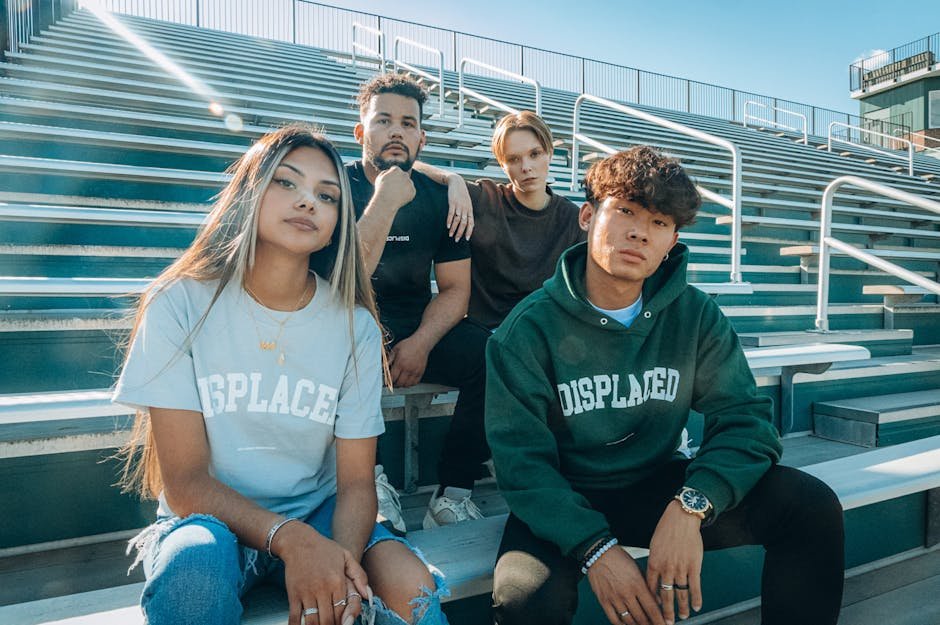
For independent brands, the limited drop model reflects genuine production constraints – small teams cannot manufacture at the scale required for perpetual availability. For larger brands, it is also a demand-creation strategy. The best independent brands use the model because it matches how they actually work, not as a manufactured scarcity tactic.
How do you find out about limited drops?
Follow brands you care about on Instagram with notifications enabled. Join their email newsletters for early access.
Follow streetwear community spaces online where drop information is shared. Set calendar reminders for announced drop dates.
What happens when a limited drop sells out?
The product is typically gone from the brand’s store permanently – independent brands rarely restock. Some pieces appear on the secondary resale market at premium prices. The best approach is to buy at retail during the drop window rather than paying aftermarket prices.
Are limited drops worth buying over regular retail?
Limited drops from independent art-first brands are often worth buying over comparable mainstream retail pieces because the quality, originality, and craft are genuinely higher. You are also buying something that will not be widely available – which matters if wearing something distinctive is part of why you care about what you wear.