How Instagram Artists Are Changing Streetwear
A New Kind of Fashion Brand
The traditional fashion brand origin story goes something like this: a designer graduates from a fashion school, works under an established name for several years, builds industry relationships, secures funding, launches a label, pursues stockists and press, and eventually reaches consumers. The process takes years, requires significant capital, and depends heavily on gatekeepers at each stage.
Instagram artists building streetwear brands follow a completely different path. The artist makes work.
The work finds an audience. The audience creates demand.
The artist makes products to meet that demand. No gatekeepers, no fashion industry infrastructure, no funding required beyond what the first product run costs.
The brand builds from the bottom up, driven entirely by genuine creative resonance.
This inversion – audience before brand, art before product – is changing what streetwear looks like and who gets to make it.
Why Instagram Was the Catalyst
Instagram did something no previous platform had done at scale: it made visual work discoverable without editorial intermediaries. Before Instagram, a digital artist wanting to reach an audience needed either a gallery, a magazine feature, or enough technical knowledge to build and promote a website.
Instagram removed all of those requirements. Post consistent work, develop a visual language, and the algorithm would surface it to people who responded to it.
For visual artists, this was transformative. A digital illustrator in São Paulo, a graphic designer in Jakarta, a painter in Lagos could build audiences of tens or hundreds of thousands of people who genuinely loved their work – without ever leaving their studio or meeting a single industry professional.
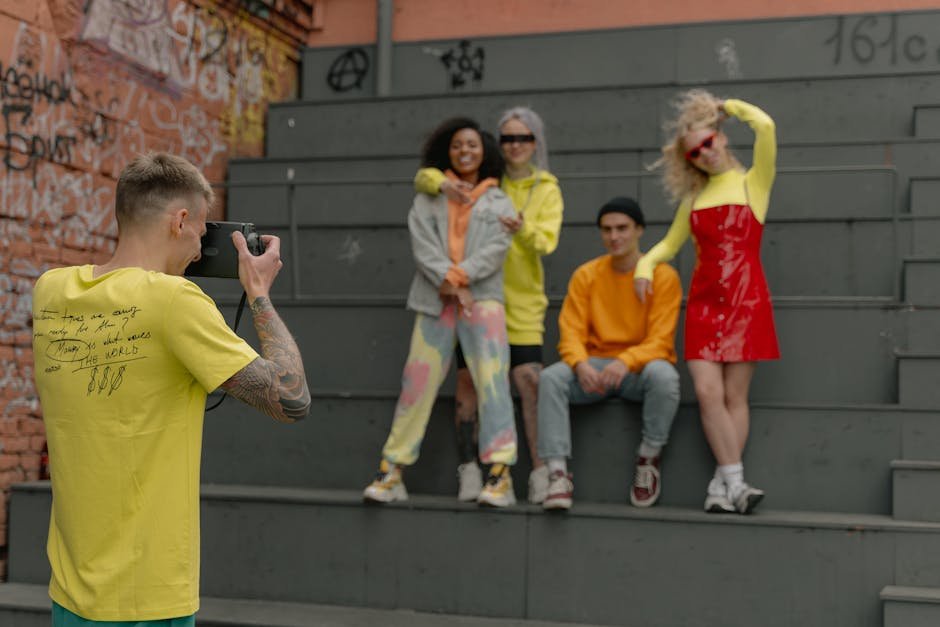
The audience was there before there was anything to sell. When those artists started making physical products, the market was already warm.
The Gradient Art Movement and Streetwear
One of the most visible crossovers between Instagram art culture and streetwear has been the gradient art movement. Digital artists working with bold color gradients, sunset palettes, and vivid ombre effects built massive audiences around visually striking illustration work.
COVL is part of this lineage. The gradient aesthetic that defined the Instagram art practice – warm oranges, deep pinks, rich purples transitioning seamlessly – translated directly to the physical products. Garment dye hoodies, gradient pants, and colorful tees that wore the visual language of the digital work.
As covered in features like the ONE37pm profile of COVL, these artist-built brands carry something mainstream streetwear cannot replicate: a direct, unmediated connection between the creator’s imagination and the finished product.
What Instagram Artists Bring to Streetwear That Brands Cannot Buy
Authentic Visual Identity
A mainstream brand hiring an artist for a collaboration produces a product where the art is applied to the brand’s commercial framework. The artist’s visual language exists within someone else’s constraints.
An artist-run brand has no such constraint. The visual identity is entirely the artist’s, expressed through the clothing without compromise.
This authenticity is visible in the product. There is a directness to art-first streetwear that reads differently from collaboration pieces – it has the quality of someone expressing exactly what they meant to express, rather than interpreting a brief.
Community Ownership
The audience that builds around an Instagram artist is a genuine community – people who follow because they respond to the work, not because the brand is fashionable or well-marketed. When that artist launches clothing, the community buys it because they want to support the creator and own something connected to work they care about.
This is a fundamentally different dynamic from consumer behavior driven by brand status or trend cycles. The customer is a fan first, a consumer second. That relationship produces loyalty that traditional brands spend millions trying to manufacture.
Creative Velocity
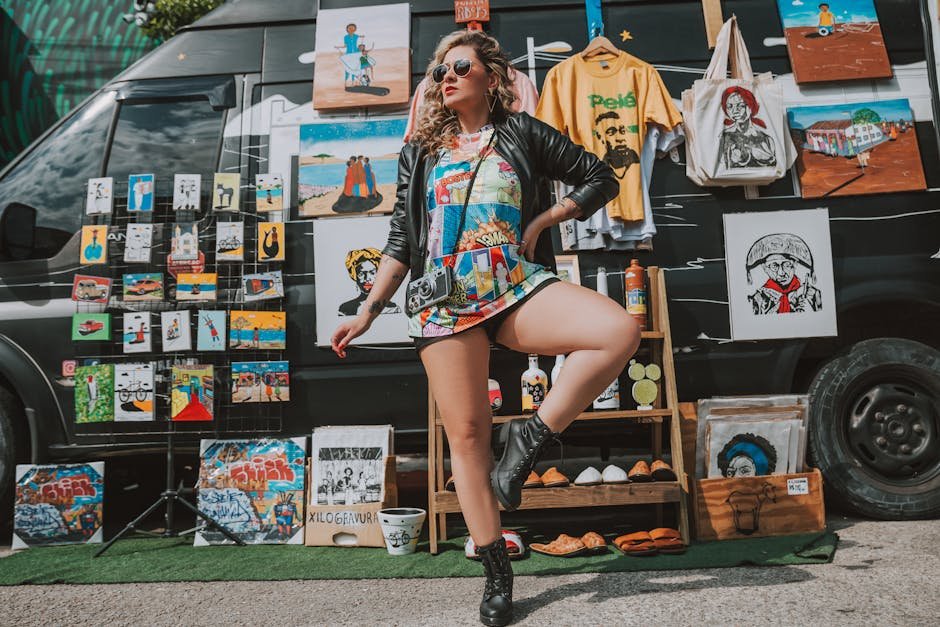
Artist-run brands can move quickly because they do not have the organizational overhead of traditional fashion brands. An idea that occurs on a Tuesday can be a product on sale by the following month. The drop model suits this velocity – small runs produced quickly, released to an already-engaged audience, sold out before the next idea is in production.
The Challenges of the Artist-to-Brand Transition
The Instagram artist to streetwear brand pipeline has a high failure rate. Building an audience around visual work is a different skill set from running a product business. Artists who make the transition successfully tend to have either a strong operational partner or a willingness to learn the business side that many creatives resist.
The specific challenges include:
- Supply chain complexity – sourcing quality blank garments, finding reliable print or dye partners, managing production timelines
- Inventory risk – producing physical goods that may not sell creates financial exposure that digital art does not
- Customer service and fulfillment – shipping products to customers is an entirely different operation from posting digital work
- Creative consistency under commercial pressure – the temptation to produce more frequently or chase trends can dilute the visual identity that built the audience in the first place
The brands that navigate these challenges successfully are typically the ones that stay closest to their original creative identity. The audience followed the art – compromising the art to grow the brand faster usually backfires.
What This Means for the Future of Fashion
The Instagram artist to streetwear pipeline is not a trend – it is a structural shift in how independent fashion brands are built. The infrastructure for going from digital creative practice to physical product brand is now accessible to anyone with a consistent visual practice and an engaged audience. That was not true ten years ago.
The implications for fashion are significant. More brands, more visual diversity, more creative voices in the market.
Less concentration of the fashion narrative in a small number of heritage brands and industry institutions. A fashion landscape that looks more like the internet – distributed, global, driven by genuine creative resonance rather than gatekeeping.
For consumers, this means more access to genuinely original work. The best pieces from art-first brands carry something that mass-market clothing cannot offer: a direct connection to a creative mind that made something specific and real.
Frequently Asked Questions
How do Instagram artists turn their work into streetwear brands?
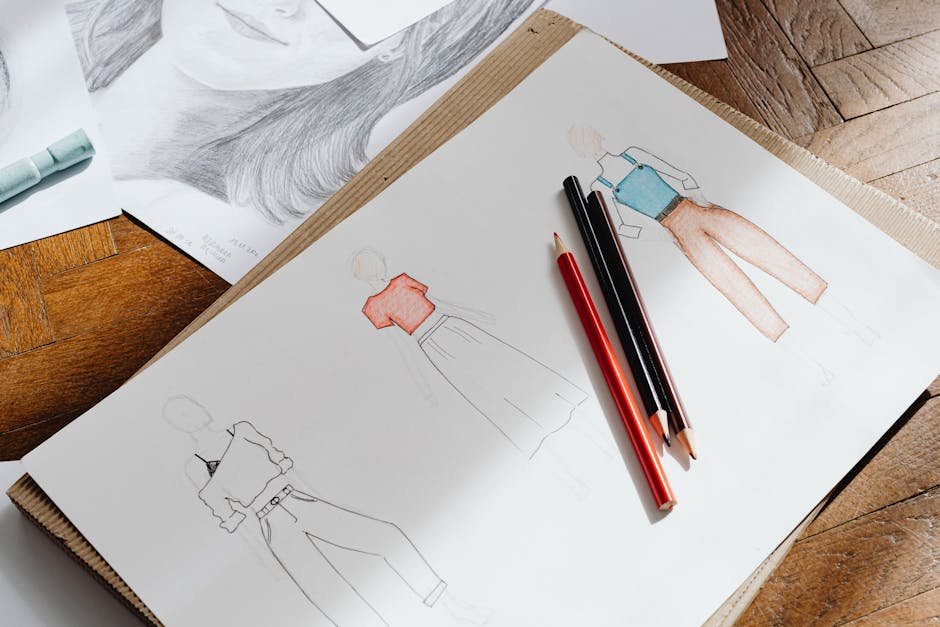
The typical path runs from consistent Instagram posting to audience building, followed by a first product run – usually a small number of units of a single piece – sold to the existing audience. Positive response leads to further drops. The key is that the product serves the audience the art built, rather than the art serving as marketing for the product.
What makes art-inspired streetwear different from regular graphic tees?
Art-inspired streetwear comes from an artist with an identifiable creative practice that extends beyond the clothing. The artwork has context – it is part of a body of work with a consistent visual voice.
A regular graphic tee carries a brand mark or licensed image. The distinction is authorship and creative depth.
Are artist-run streetwear brands sustainable long term?
The ones that maintain their creative integrity tend to be. Brands that stay close to their original visual identity and treat the clothing as an extension of the art practice rather than a commercial pivot tend to retain their audience across multiple drops. The failure cases are usually brands that scale too fast or compromise their creative identity for growth.