
Wedding Guest Outfit Ideas: What to Wear to Every Type of Wedding in 2026
Wedding Guest Dressing in 2026
Wedding guest dressing has a specific and well-defined social function: to celebrate the occasion through deliberate, respectful dressing that honours the formality of the event without competing with or overshadowing the wedding party. The two most consistent rules of wedding guest dressing across all wedding types and cultural contexts: do not wear white or ivory (colours conventionally reserved for the bride or wedding party in Western ceremony traditions), and dress one level above what you would consider appropriate for the occasion’s formality level — weddings are deliberately celebratory occasions, and the collective social norm is dressing up.
Beyond these principles, the enormous range of contemporary wedding formats — garden parties, beach ceremonies, formal church services, city hall registrations, country house weekends — creates equally wide variation in appropriate guest dressing.
Wedding Guest Outfit Ideas by Wedding Type
Garden or Outdoor Wedding
A midi or maxi dress in a floral, soft print, or solid summer colour — dusty rose, sage green, lavender, cobalt, or soft yellow — in a lightweight fabric (chiffon, satin, lightweight crepe), worn with block-heeled sandals or wedge shoes (heels that will not sink into grass), and a small structured bag. The garden or outdoor wedding is typically the most relaxed formal wedding context: it allows colour and floral prints that might read as too casual in a church setting, and practically requires footwear that is stable on outdoor terrain.
A floral midi dress with block-heeled sandals and simple gold jewellery is the most universally appropriate garden wedding guest outfit.
The women’s sandal styling guide covers every type of sandal — from flat slides to block-heeled styles — and how to choose the right pair for different occasion contexts including outdoor events.
Church or Formal Religious Wedding
A more structured, covered, and formally appropriate outfit: a midi or knee-length dress with sleeves (or a jacket or blazer added as a layer) in a solid colour or subtle print, with heeled court shoes or pointed-toe heels, a small clutch, and elegant jewellery. Church and formal religious weddings typically expect more covered and structured dressing — bare shoulders, very short hemlines, and very casual fabrics are generally less appropriate. A structured midi dress in a rich jewel tone (deep blue, forest green, burgundy) or a classic neutral (pale blush, champagne, dove grey) with court shoes and a small structured bag is the most reliably appropriate choice.
For full guidance on how to style and layer a blazer to create a covered, formally appropriate look for religious or traditional ceremonies, the women’s blazer styling guide covers every approach from structured to relaxed wearing.
Beach or Destination Wedding
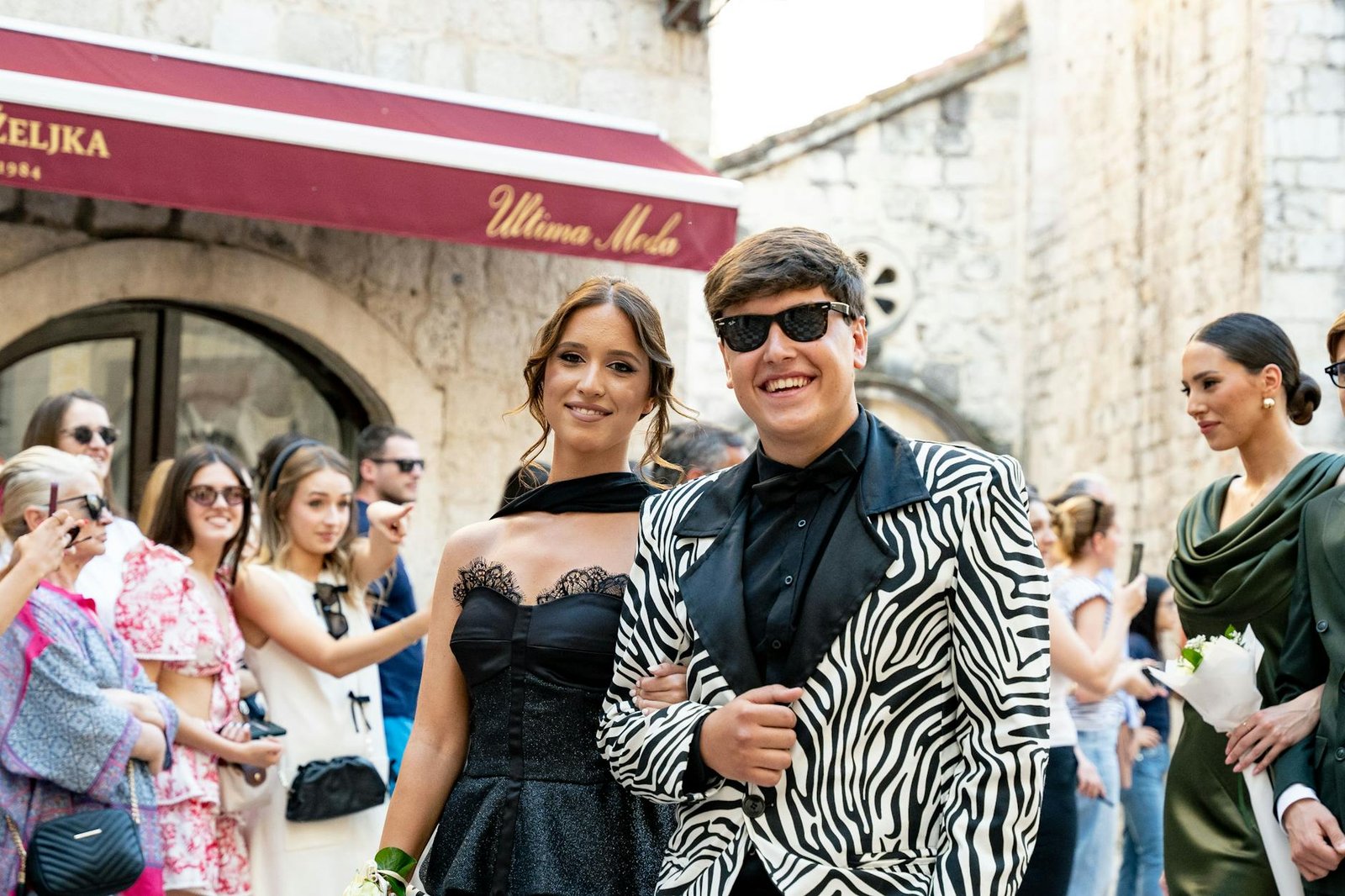
A flowing maxi dress in a lightweight fabric (chiffon, cotton voile, or satin) in a bright colour or bold print — turquoise, coral, warm orange, or white-adjacent (cream, champagne) — with flat sandals or low wedge sandals appropriate for sand or outdoor terrain. The beach wedding context is the most permissive for colour and print: bright, warm-toned colours are contextually appropriate in a sun-and-ocean setting where they would read as too casual in an urban or formal setting. White-adjacent (cream, ivory) is still generally to be avoided even in beach contexts, but the full spectrum of colour and tropical print is typically appropriate.
City Hall or Intimate Wedding
A smart-casual or cocktail-appropriate outfit: a fitted midi dress in a quality fabric, wide-leg tailored trousers with a quality blouse or top, or a matching co-ord set in a celebratory colour, with heeled shoes or elevated flats and a small structured bag. City hall and intimate weddings often have more flexible dress codes than church or garden ceremonies — the formality level varies significantly based on the couple’s aesthetic and the venue. When the dress code is unstated, aiming for smart-casual (clearly deliberate dressing, but not overtly formal) is the safest and most broadly appropriate approach.
Black Tie or Formal Evening Wedding
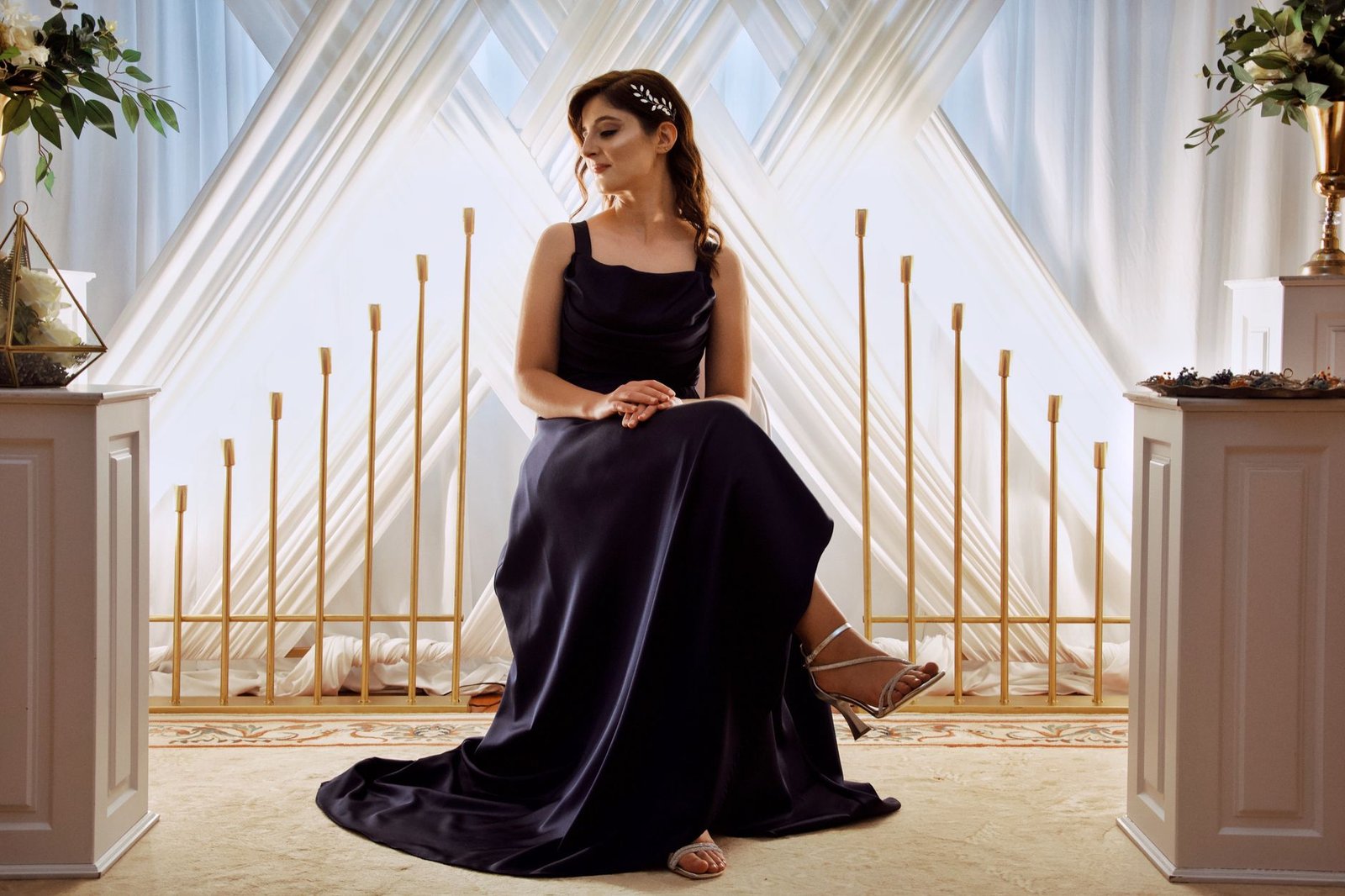
A full-length or floor-length gown in a rich fabric (satin, silk, velvet, lace) in a jewel tone, metallic, or classic black; or a formal midi dress in an equivalent fabric with appropriate jewellery. Black-tie dress codes explicitly invite the most elevated dressing — and the most dramatic, occasion-forward choices.
A floor-length satin gown in deep emerald, midnight navy, or burgundy; a metallic midi dress with statement jewellery; or a structured velvet gown in black are all contextually appropriate choices. With heeled shoes in a complementary leather or satin finish, a small evening bag, and statement earrings.
Wedding Guest Colour Guide
Colours to Avoid
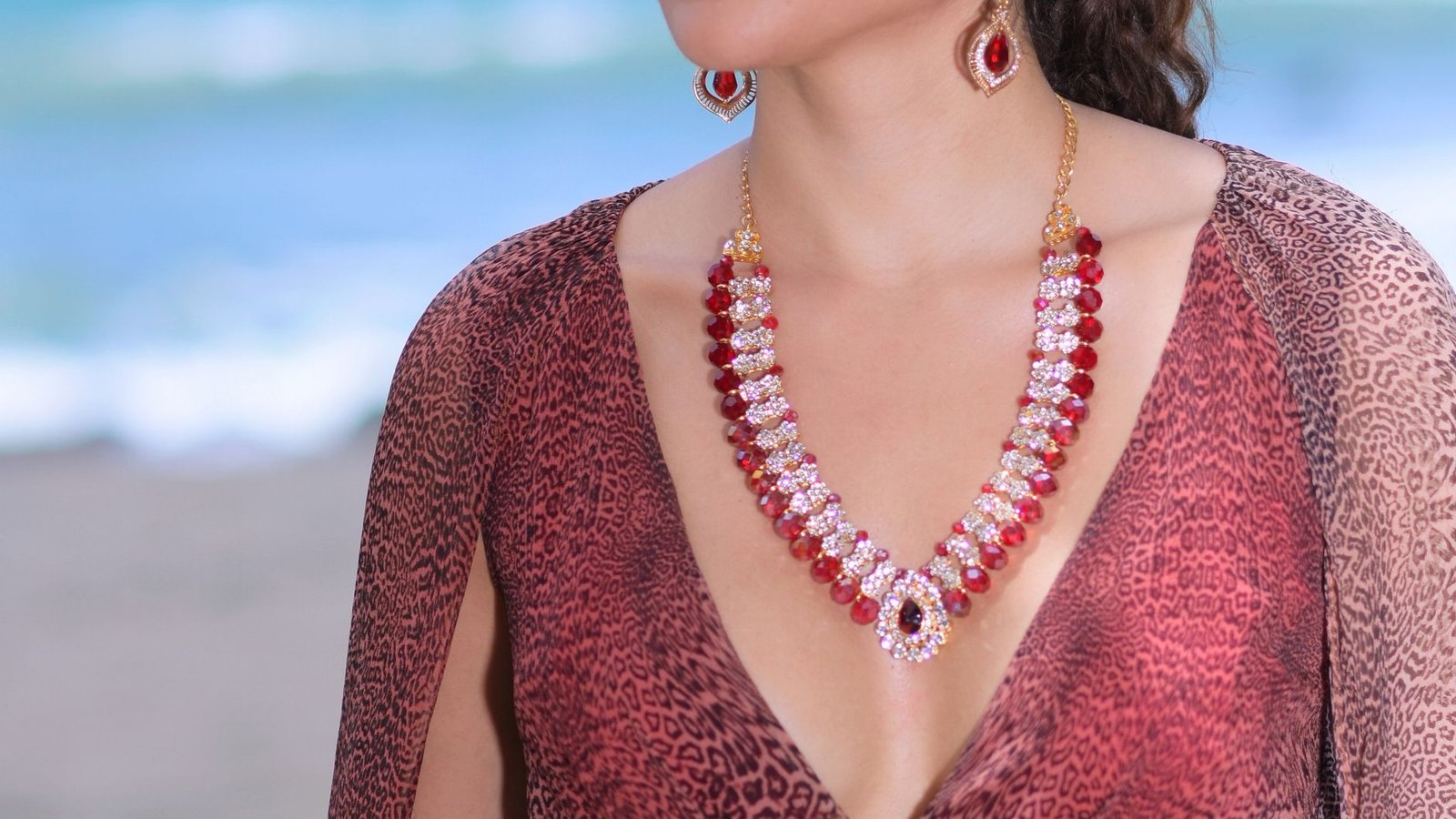
White and ivory are the most universally accepted colours to avoid as a wedding guest in Western ceremony traditions — these are conventionally reserved for the bride. Very pale blush, very pale champagne, or any colour that might read as white in photographs should be avoided with the same caution.
Beyond white and ivory, the only other colour to approach with caution is black: while black has become broadly accepted at weddings in most contemporary Western contexts, in some cultures and family traditions black is still associated with mourning and may be considered disrespectful. When in doubt about the specific couple’s preferences, a rich jewel tone or a warm neutral is the safest and most visually effective choice.
For an editor-approved framework covering every wedding type and dress code variation, Who What Wear’s complete wedding guest attire guide provides styling direction from formal gowns to casual beach ceremonies.
Glamour editors have also curated a selection of top wedding guest dresses for every dress code, covering everything from garden parties to formal ceremonies.
Frequently Asked Questions
What should I wear as a wedding guest in 2026?
The most universally appropriate wedding guest outfits: for garden or outdoor weddings, a floral or solid-colour midi dress with block-heeled sandals; for church or formal ceremonies, a structured midi dress in a jewel tone with court shoes; for beach or destination weddings, a flowing maxi dress in a bright colour with flat sandals; for black-tie events, a floor-length gown in satin or velvet. In all cases: avoid white and ivory, dress one level above casual, and choose a fabric that communicates genuine occasion-dressing.
What colour should you not wear to a wedding?
White and ivory are the primary colours to avoid — these are conventionally the bride’s colours in Western wedding traditions. Very pale cream or champagne shades that read as white in photographs should be avoided with equivalent caution.
Pure black can be appropriate in most contemporary Western contexts but should be approached with awareness that some families and cultural traditions consider black at weddings inappropriate. The safest and most visually effective choices are rich jewel tones (emerald, cobalt, burgundy, sapphire) and warm neutrals (soft pink, sage green, warm lavender, dusty rose).