
Business Casual Outfits for Women: The Complete Guide for 2026
What Is Business Casual for Women in 2026?
Business casual is the most widely used but most poorly defined workplace dress code: it sits between formal business attire (suits, structured blazers, formal shoes) and casual wear (jeans, trainers, and anything that communicates a non-work context), but its specific boundaries vary significantly across industries, company cultures, and individual workplace interpretations.
In 2026, business casual has drifted progressively more casual in most contemporary office and professional contexts: quality dark-wash jeans are accepted as business casual in many workplaces where they would have been rejected a decade ago; trainers are increasingly considered business casual when they are clean, minimal, and paired with intentional outfits; and wide-leg trousers have largely replaced the pencil skirt as the default business casual bottom piece.
The consistent through-line across all business casual interpretations: quality fabrics, fitted or tailored silhouettes, and a deliberate, professional appearance — the outfit communicates that the wearer takes their work context seriously, even if the specific garments are not formally structured.
Business Casual Key Pieces
- Tailored wide-leg or straight-leg trousers — the most versatile business casual bottom
- Quality blazer — the single most effective business casual item; upgrades any outfit
- Quality fitted top or blouse — in a quality fabric (silk, quality polyester, fine cotton)
- Midi dress or midi skirt — in a structured or quality fabric
- Dark-wash straight or wide-leg jeans — in workplaces where jeans are accepted
- Loafers, Chelsea boots, or low heels — the most appropriate footwear
Business Casual Outfit Ideas
Blazer and Tailored Trousers
A fitted or relaxed blazer in a neutral or complementary colour (navy, grey, camel, black) with high-waisted wide-leg or straight tailored trousers in a quality fabric, a simple quality top or blouse underneath the blazer, and pointed-toe loafers or Chelsea boots. The blazer-and-tailored-trouser combination is the most universally understood and appropriate business casual outfit — it works across industries, company cultures, and dress code interpretations because its individual pieces (blazer, tailored trouser) are the defining garments of professional dressing. With a quality leather tote or structured bag and minimal, professional-appropriate jewellery.
Midi Dress Professional
A structured or quality-fabric midi dress — in a solid colour, a subtle print, or a classic stripe — with loafers, low-heeled court shoes, or Chelsea boots, and a blazer over the top in cooler weather or air-conditioned environments.
The midi dress is one of the most practical business casual garments: it requires no coordinating of separates, provides a complete, professional-reading silhouette in one piece, and works across the full range of business casual formality levels depending on its fabric and the accessories worn with it. In a quality fabric (crepe, quality ponte, or a structured knit) rather than a casual cotton or jersey.
Tailored Trousers and Quality Top
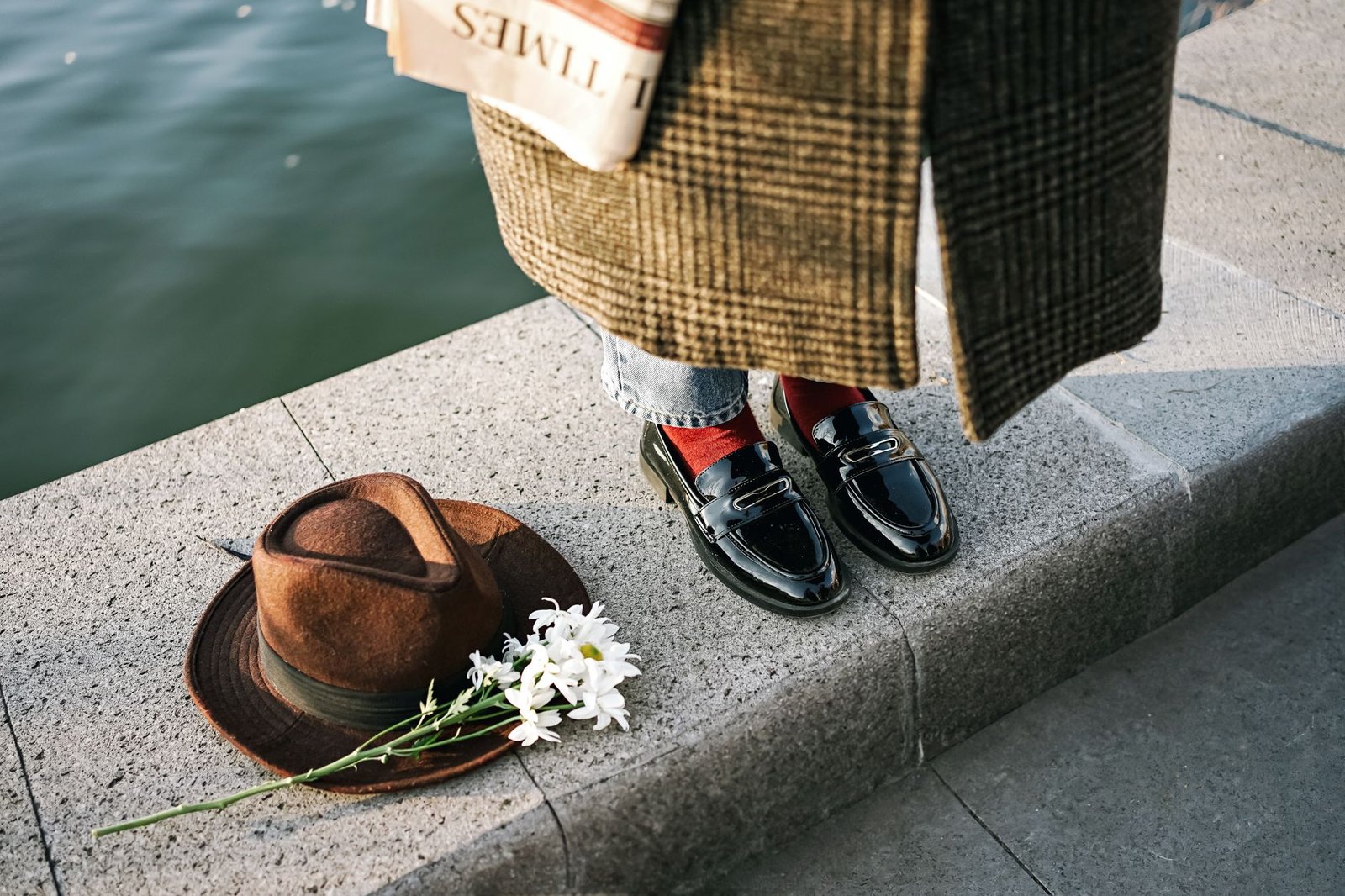
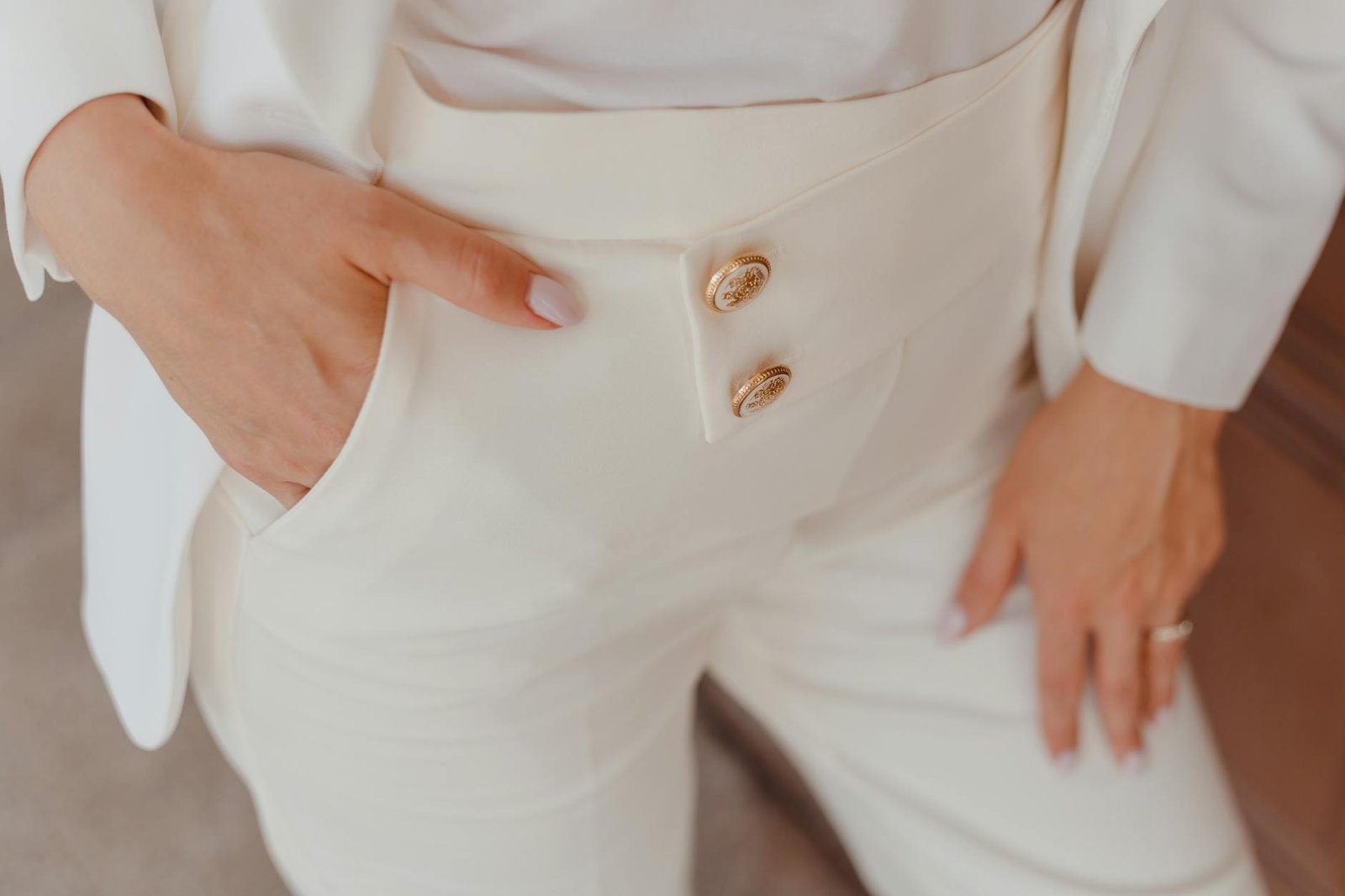
High-waisted wide-leg or straight tailored trousers with a quality blouse, fitted shirt, or satin-finish top — tucked in or worn naturally at the waist — and loafers or low heels.
This separates-based approach to business casual is highly flexible: the trouser is consistent, and the top can vary across different fabrics, colours, and necklines to create different daily outfits from the same base. The key to making tailored trousers work in business casual contexts is the trouser’s quality: a well-constructed wide-leg trouser in a quality fabric (wool-blend, quality polyester crepe) reads as professional; the equivalent trouser in a thin, low-quality fabric does not.
Midi Skirt Business Casual
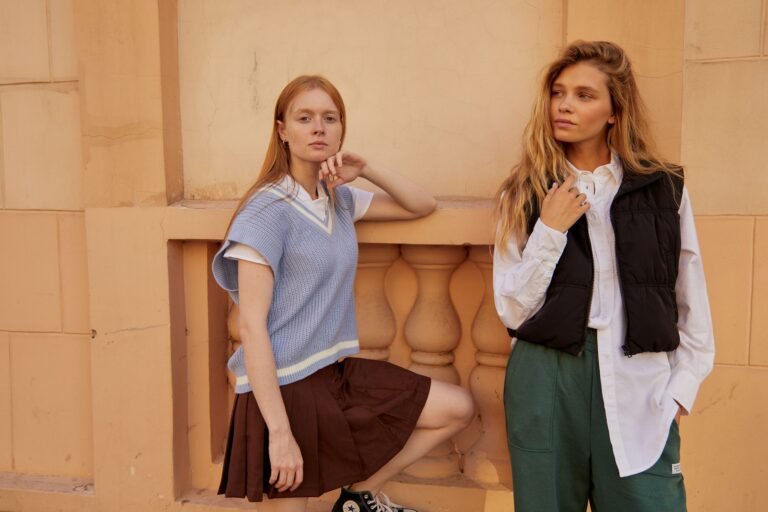
A structured or quality-fabric midi skirt — in a straight-cut, A-line, or pleated silhouette — with a quality fitted top, a blazer or quality knit layer, and loafers or low heels. The midi skirt performs a similar function to tailored trousers in a business casual context: it provides a professional, deliberate base for the outfit while offering slightly more variety in silhouette. A structured knit midi skirt or a pleated fabric midi skirt in a neutral or rich colour, worn with a simple fitted top and a blazer, is a highly appropriate and contemporary business casual outfit.
Smart Jeans Business Casual
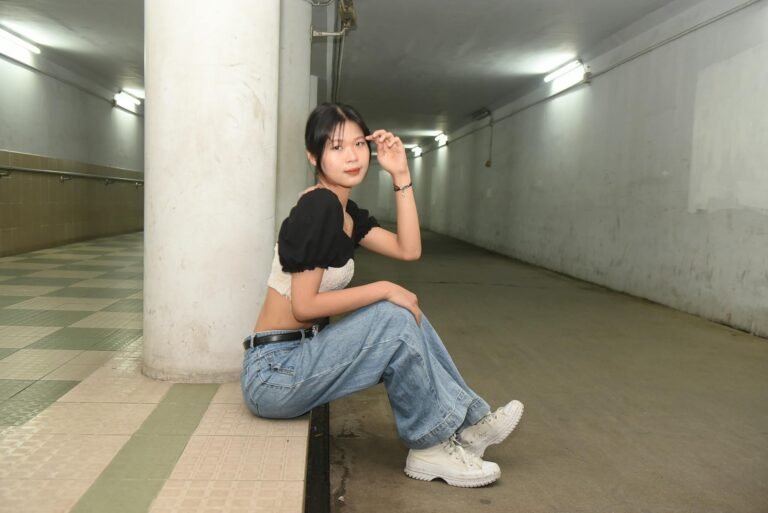
In workplaces that accept jeans as business casual: dark-wash, straight or wide-leg, clean jeans with no visible distressing or fading, worn with a quality blouse or fitted top, a blazer over the top, and loafers or Chelsea boots. The smart jeans approach works in business casual contexts when the jeans are clearly quality, clean, and paired with explicitly professional garments (blazer, quality top, smart footwear) that contextualise them as deliberately worn for a work environment. Dark wash and an unfaded, undistressed fabric are non-negotiable — any visible casualness in the jeans themselves undermines the professional-appropriate reading of the outfit.
Business Casual Tips
The Blazer Rule
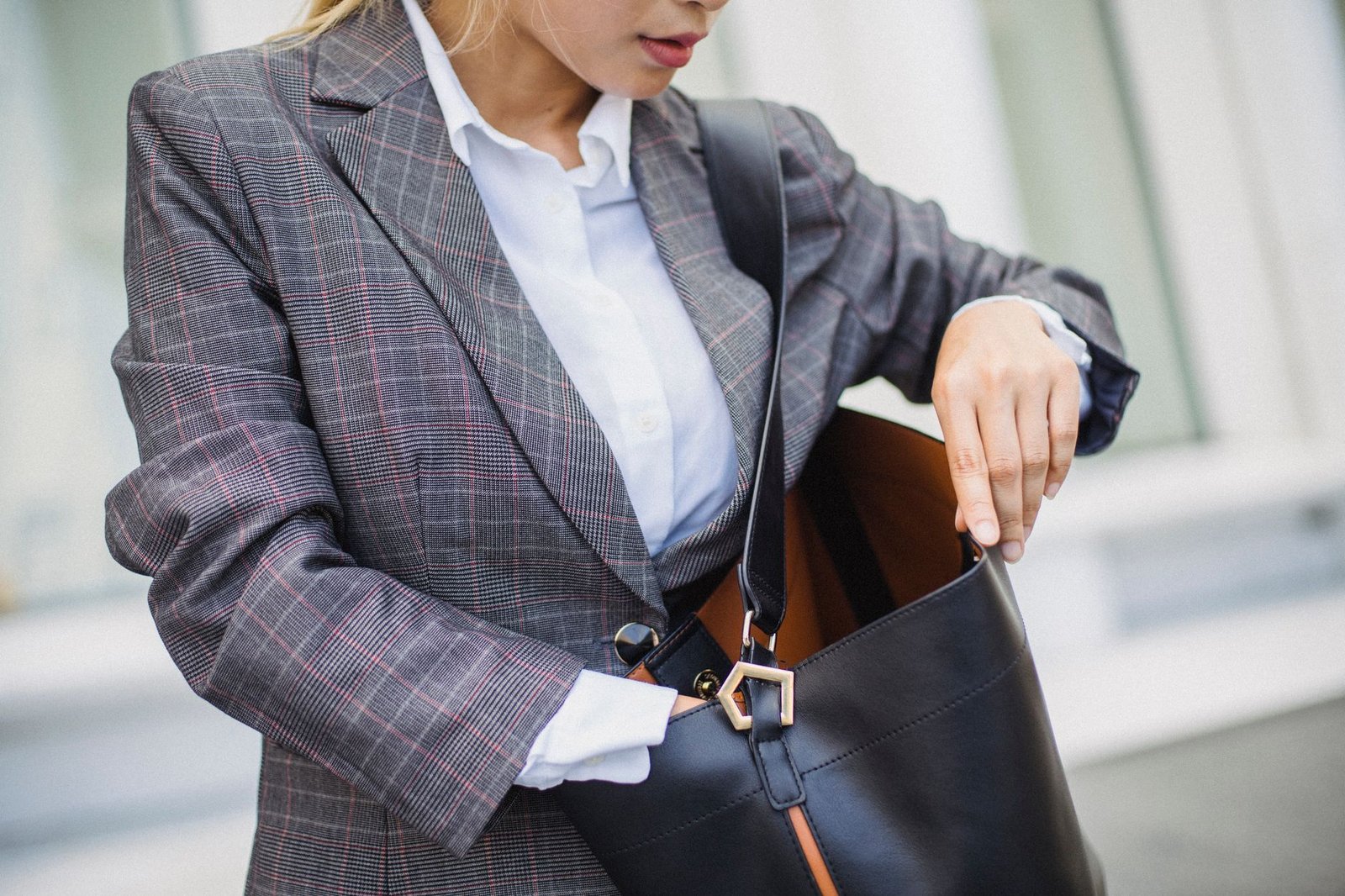
A quality blazer is the single most effective business casual garment because of its upgrading effect: a blazer worn over jeans-and-tee, over a midi dress, or over tailored trousers immediately pushes any outfit toward the more professional end of the business casual spectrum. Investing in one or two quality blazers — in classic neutrals (navy, grey, or camel) — provides an outfit-upgrading tool that works across the full range of business casual separates.
For a full breakdown of how to choose and style blazers across different workwear and smart-casual contexts, the women’s blazer styling guide covers every fit, occasion, and outfit approach for this key business casual piece.
For a fashion editor’s curated approach to autumn office dressing with specific pieces and styling notes, Marie Claire’s fall work outfit guide covers the essentials — from blazers to midi dresses — that define contemporary professional wardrobing.
Frequently Asked Questions
What is business casual for women?
Business casual for women is a workplace dress code that requires deliberate, professional-appearing dressing without the full formality of a suit or structured blazer-and-skirt combination. In 2026, the most broadly accepted business casual outfits include: tailored wide-leg or straight trousers with a quality top and blazer; a midi dress in a quality fabric with loafers or low heels; a midi skirt with a fitted top and blazer; and in accepting workplaces, dark-wash quality jeans with a blazer and quality top. The consistent requirement across all interpretations: quality fabrics, fitted or tailored silhouettes, and an appearance that communicates professional context-awareness.
Can you wear jeans for business casual?
In most contemporary workplaces, dark-wash, unfaded, undistressed quality jeans in a straight or wide-leg cut are broadly accepted as business casual — particularly when paired with explicitly professional items (a blazer, a quality fitted top, smart footwear like loafers or Chelsea boots). Light-wash jeans, distressed jeans, and jeans with visible fading are generally not considered business casual in most workplace interpretations. When in doubt about a specific workplace’s jeans policy, observing what colleagues wear and defaulting to a more conservative interpretation (tailored trousers) until the culture is clear is the safest approach.