Vintage Fashion Tips: How to Find, Style, and Wear Vintage Clothing in 2026
Vintage Fashion in 2026
Vintage fashion has moved from an alternative or niche approach to mainstream fashion to one of the most valued and widely practised fashion approaches in 2026. The combination of aesthetic appeal (vintage pieces have a quality, character, and historical depth that contemporary production cannot replicate), environmental values (buying existing clothes rather than new production), economic advantage (high-quality pieces often available at well below their equivalent new price), and uniqueness (vintage pieces are not mass-reproduced and are unlikely to be worn by others) makes vintage dressing increasingly attractive to a broad range of fashion-interested people.
The practical skills of vintage fashion — knowing which eras to focus on, understanding what wears well, knowing how to style historical pieces in contemporary contexts without looking in costume — are learnable and worth developing. This guide covers the essential knowledge for building vintage fashion into your wardrobe in 2026.
The Most Wearable Vintage Eras
1970s Vintage
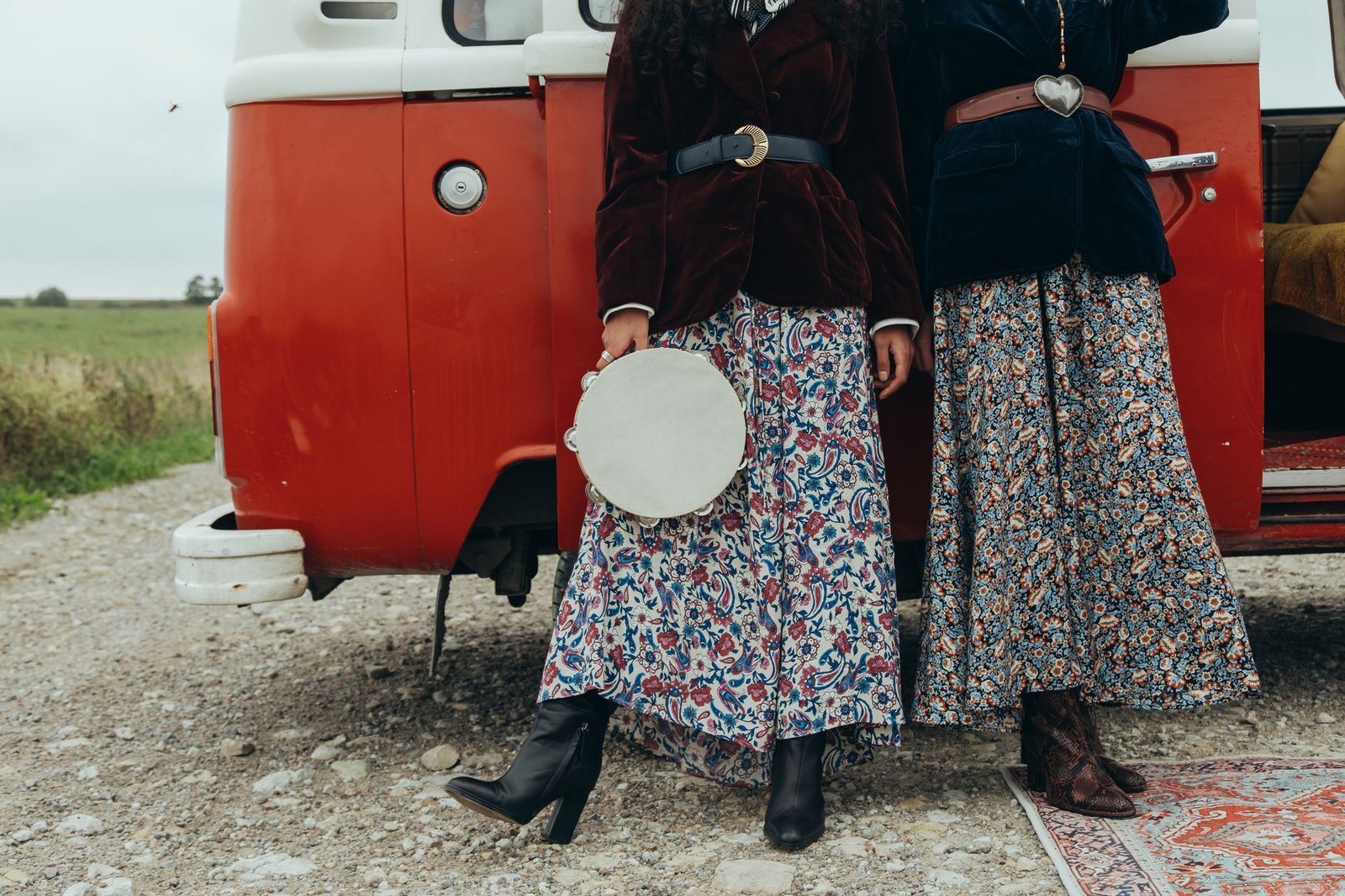
The 1970s represents arguably the most wearable vintage era for contemporary dressing. The decade’s wide-leg trousers, oversized knitwear, maxi skirts and dresses, bold prints, and relaxed tailoring all align naturally with contemporary silhouette preferences — a 1970s wide-leg pant silhouette is immediately compatible with current fashion without requiring any adaptation. 1970s knitwear in particular offers quality and visual character that contemporary production struggles to match. Key 1970s pieces to look for: wide-leg trousers in quality fabrics, patterned knitwear in earthy or bold tones, maxi skirts and wrap dresses, and oversized blazers and structured jackets.
1990s Vintage
The 1990s remains the most actively sought vintage era in 2026, driven partly by ongoing Y2K revival and partly by the genuine quality advantage of 1990s production over more recent fast fashion. 1990s slip dresses, blazers, band tees (genuine vintage band tees have significant value), denim, and simple basics all offer better construction than contemporary equivalents at similar or lower prices. The 1990s also represents the sweet spot for wearable vintage age — old enough to have genuine vintage character but recent enough that sizing and silhouette remain relatively compatible with contemporary wearing.
The 1990s slip dress is one of the era’s most versatile and wearable finds — our slip dress styling guide covers how to wear this silhouette in contemporary outfit combinations across seasons.
1980s Vintage
The 1980s offers the most distinctive and high-impact vintage pieces — power shoulders, bold colourful prints, bold metallics, and the maximalist visual character of the decade’s fashion culture. 1980s vintage requires more styling confidence than 1970s or 1990s vintage because its silhouettes are more extreme — the very strong shoulder, the very body-conscious lower half — and because the decade’s fashion codes are more obviously historical. The 1980s blazer with exaggerated shoulder has become a fashion-forward piece in its own right; the key is wearing it with an ironic awareness of its historical character rather than straight.
1960s Vintage
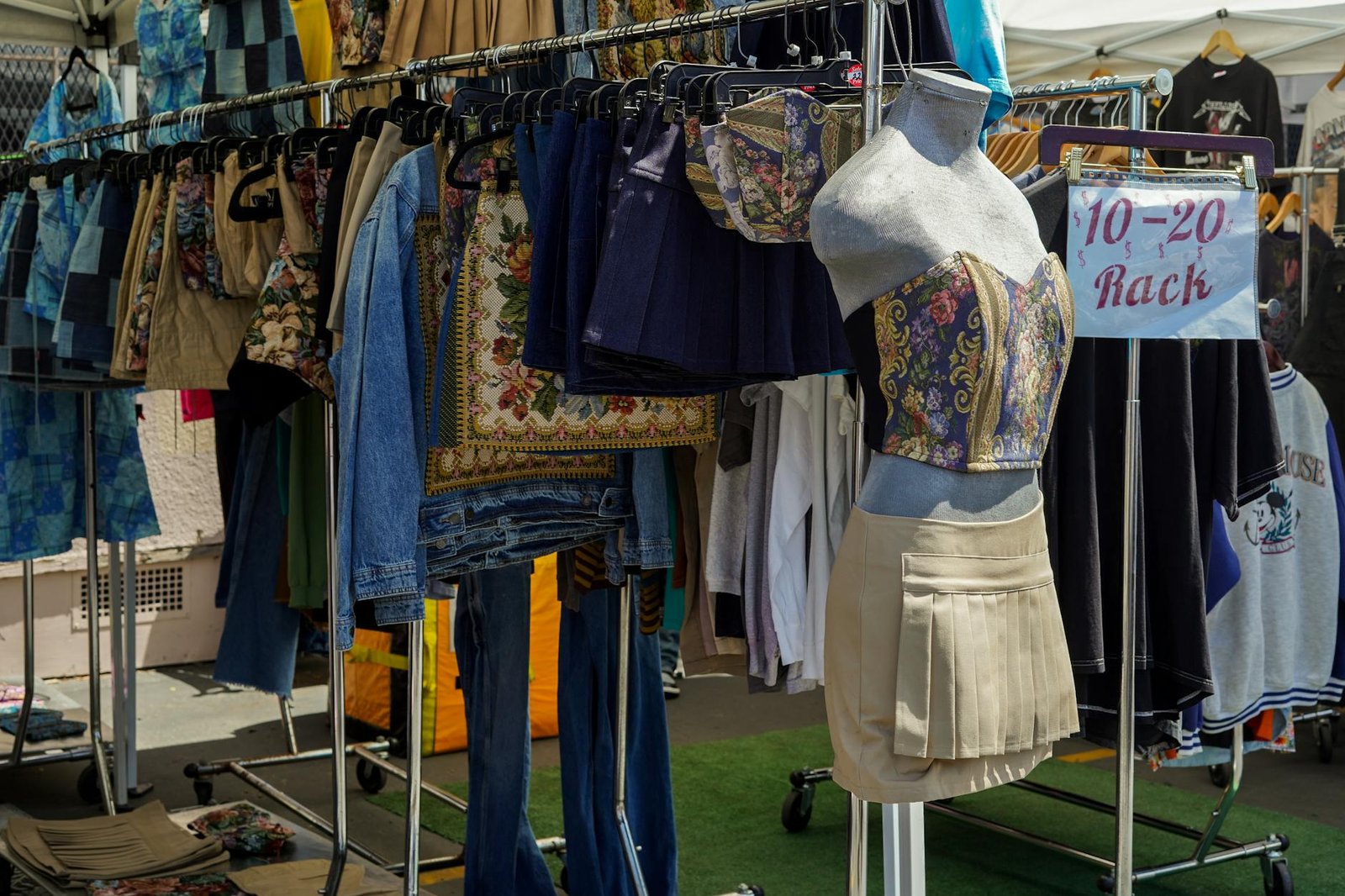
1960s vintage — particularly the mod aesthetic of geometric prints, shift dress silhouettes, and bold colour blocking — offers pieces that are genuinely harder to find and require the most styling skill to wear in contemporary contexts without appearing in costume. When it works, 1960s vintage creates the most visually distinctive and culturally interesting outfits of any era; the geometric print shift dress is an immediately recognisable piece with no contemporary equivalent. Key to wearing 1960s vintage: keep accessories very simple and contemporary to prevent the whole outfit from reading as historical costume.
How to Style Vintage Without Looking Costumed
One Vintage Piece Per Outfit
The most reliable way to wear vintage without appearing in costume: one vintage or historically distinctive piece per outfit, combined with contemporary pieces. A 1970s printed blouse with contemporary wide-leg trousers and clean modern trainers reads as fashion-forward vintage integration.
The same blouse with vintage trousers, vintage shoes, and a vintage bag starts to read as costume. The contemporary pieces anchor the vintage piece in the present.
Contemporary Footwear Grounds Vintage
Footwear is the most powerful tool for modernising a vintage outfit. A genuinely old vintage dress worn with contemporary trainers (white leather trainers or current-season chunky platforms) reads as contemporary fashion with vintage influence.
The same dress with period-accurate vintage shoes reads as historical reproduction. Contemporary shoes are the single most effective intervention for keeping vintage dressing current.
A vintage denim jacket is an excellent outer layer for grounding historical pieces — the denim jacket styling guide covers how to wear this versatile layer across casual, dressed-up, and layered outfit contexts.
Proportion Updating
Vintage pieces often have slightly different proportions from contemporary fashion — slightly different sleeve lengths, slightly different waist positions, slightly different hem lengths. These small differences can make vintage pieces feel dated rather than vintage. Simple alterations — hemming, taking in seams, adjusting sleeve length — can update a vintage piece’s proportions to feel more contemporary without losing its vintage character.
Sourcing Vintage in 2026
- Depop, Vinted, and eBay — the primary online vintage sourcing platforms; searchable by era, size, and garment type
- Vestiaire Collective — for higher-end vintage and pre-owned designer pieces
- Physical vintage and charity shops — the best source for unexpected finds at lower prices; requires regular visits and browsing skill
- Vintage markets and fairs — concentrated vintage buying events with curated dealer stock
- Dead stock retailers — vendors specialising in new-old-stock pieces; unworn items from historical production
For guidance on the environmental case for choosing vintage and pre-owned fashion, our sustainable fashion guide covers how secondhand shopping fits into a more responsible approach to building a wardrobe.
Vintage Fashion Care
Vintage pieces require more careful maintenance than contemporary clothing. Natural fibres (the dominant fabric type in older vintage, particularly pre-1970s) are more delicate than synthetic equivalents and often require hand washing or dry cleaning rather than machine washing.
Check care labels where present; for unlabelled pieces, assume natural fibre care requirements (cool water, gentle handling, air drying). Store vintage pieces hanging or folded in clean, dry conditions; avoid plastic storage bags that trap moisture.
Who What Wear’s expert guide on caring for vintage clothing covers eight practical preservation strategies — including cleaning before storage, UV protection, and proper folding techniques — to keep vintage finds in wearable condition.
Frequently Asked Questions
How do you dress vintage without looking costume?

The key principles: wear one vintage or historically distinctive piece per outfit combined with contemporary pieces; use contemporary footwear to ground the historical garment in the present; keep accessories simple and modern unless deliberately committing to a full vintage look; and ensure fit is correct — vintage pieces in the wrong size read as costume, while properly fitting vintage pieces read as fashion.
What is the best era of vintage to shop for?
The 1970s and 1990s are the most practical vintage eras for most wearers in 2026 — their silhouettes align most naturally with contemporary fashion without adaptation, their sizing is closest to contemporary sizing, and their quality advantage over contemporary fast fashion is significant. The 1970s in particular offers wide-leg silhouettes, quality knitwear, and bold prints that are directly compatible with current fashion. The 1990s offers band tees, slip dresses, and basics at better quality and lower prices than contemporary equivalents.