Sustainable Fashion Guide: How to Build an Ethical Wardrobe in 2026
Why Sustainable Fashion Matters in 2026
The fashion industry produces an estimated 10% of global carbon emissions, is the second-largest consumer of the world’s water supply, and generates enormous volumes of textile waste — approximately 85% of all textiles produced globally end up in landfill or incinerated. Fast fashion’s business model of extremely low prices, extremely short trend cycles, and extremely disposable quality has created an environmental crisis in textile production that is increasingly visible and increasingly difficult to ignore as a consumer.
Sustainable fashion in 2026 is not a single approach — it encompasses a range of strategies from buying second-hand exclusively to choosing specific certified brands to extending the life of existing clothes to advocating for industry-level change. The most accessible and impactful sustainable fashion approaches for individual consumers are: buying less and buying better, choosing second-hand and vintage, caring for and repairing existing clothes, and supporting brands with genuine and verifiable environmental commitments.
The Most Impactful Sustainable Fashion Choices
Buy Less — The Most Powerful Action
The single most environmentally impactful fashion choice is simply buying less. Every garment that isn’t purchased represents a certain amount of production resources — water, energy, chemical processing, labour — that doesn’t need to be consumed.
This is a more fundamental principle than brand-switching: buying one genuinely good quality piece instead of five cheap ones reduces consumption by 80% regardless of either purchase’s brand ethics. The concept of the “cost-per-wear” — the total cost of a garment divided by the number of times it is worn — is a useful reframing of purchasing decisions: a £150 jacket worn 200 times has a much lower cost-per-wear than a £15 jacket worn 5 times before being discarded.
For a practical perspective on making smaller, more achievable changes toward a more ethical wardrobe, Refinery29’s sustainable fashion guide features insights from fashion activists on the everyday steps that make the biggest real-world difference.
Buy Second-Hand and Vintage First
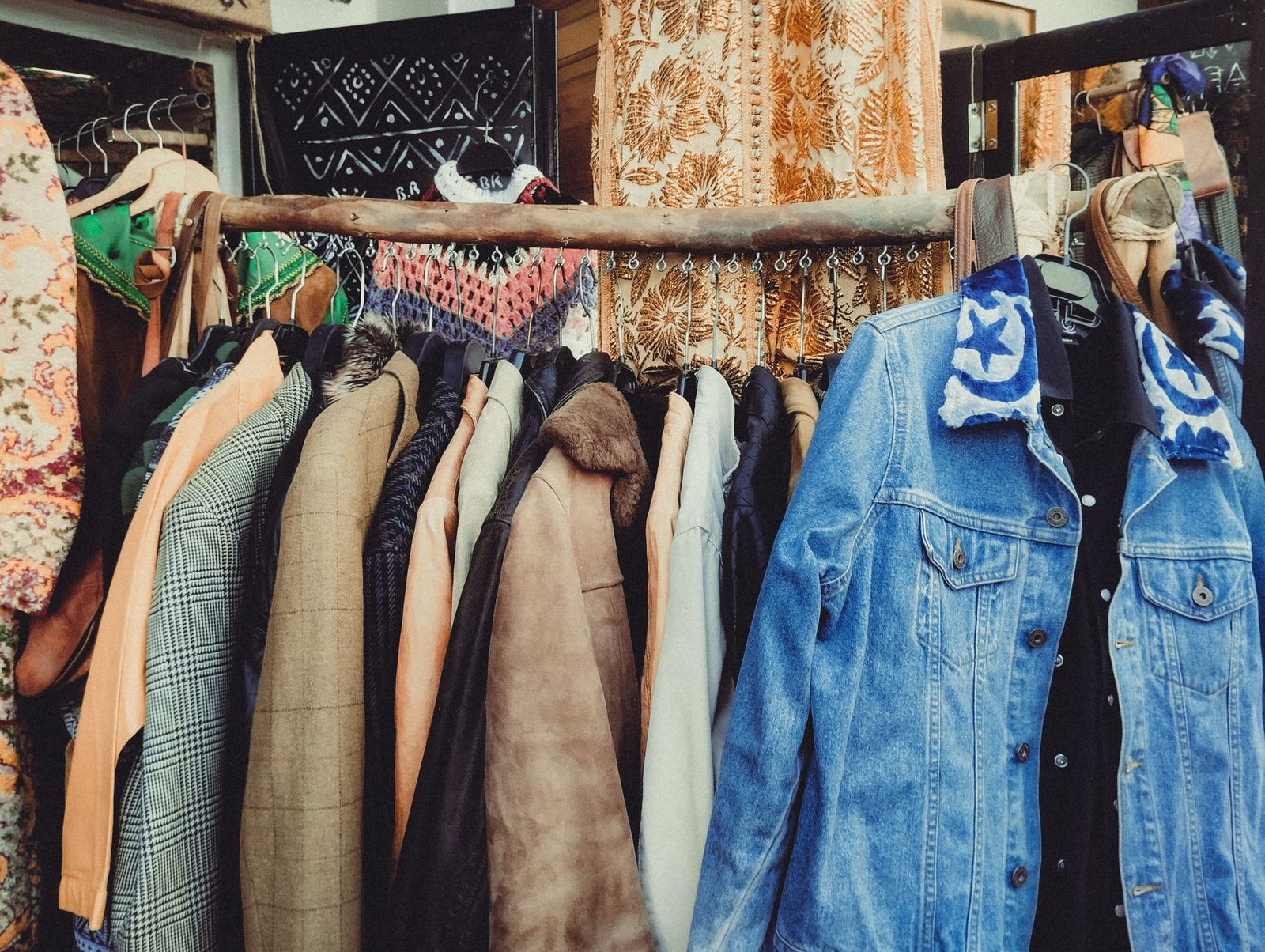
Second-hand and vintage purchasing has no new production associated with it — the garment already exists. Buying a vintage denim jacket extends the life of a piece that would otherwise potentially end up in landfill, and creates no new environmental cost beyond the transport of the purchase. Second-hand shopping has become significantly more accessible through online platforms (Depop, Vinted, eBay, Vestiaire Collective for luxury) and has simultaneously become more fashionably acceptable — vintage and second-hand pieces are now valued for their aesthetic character as much as for their environmental or economic benefits.
Choose Natural and Certified Sustainable Fibres
Natural fibres (cotton, wool, linen, silk) are generally more biodegradable than synthetic alternatives (polyester, acrylic, nylon), but their environmental credentials depend heavily on production practices. Conventional cotton is one of the most pesticide-intensive crops in global agriculture; organic cotton, certified by GOTS (Global Organic Textile Standard), uses significantly fewer chemicals and less water.
Linen is naturally low-impact to produce. Wool is renewable but has animal welfare implications that vary significantly by farm.
Recycled fibres — particularly recycled polyester from plastic waste — represent a pragmatic middle ground that reduces virgin material use without requiring fully natural fibre sourcing.
Care for and Repair Your Clothes
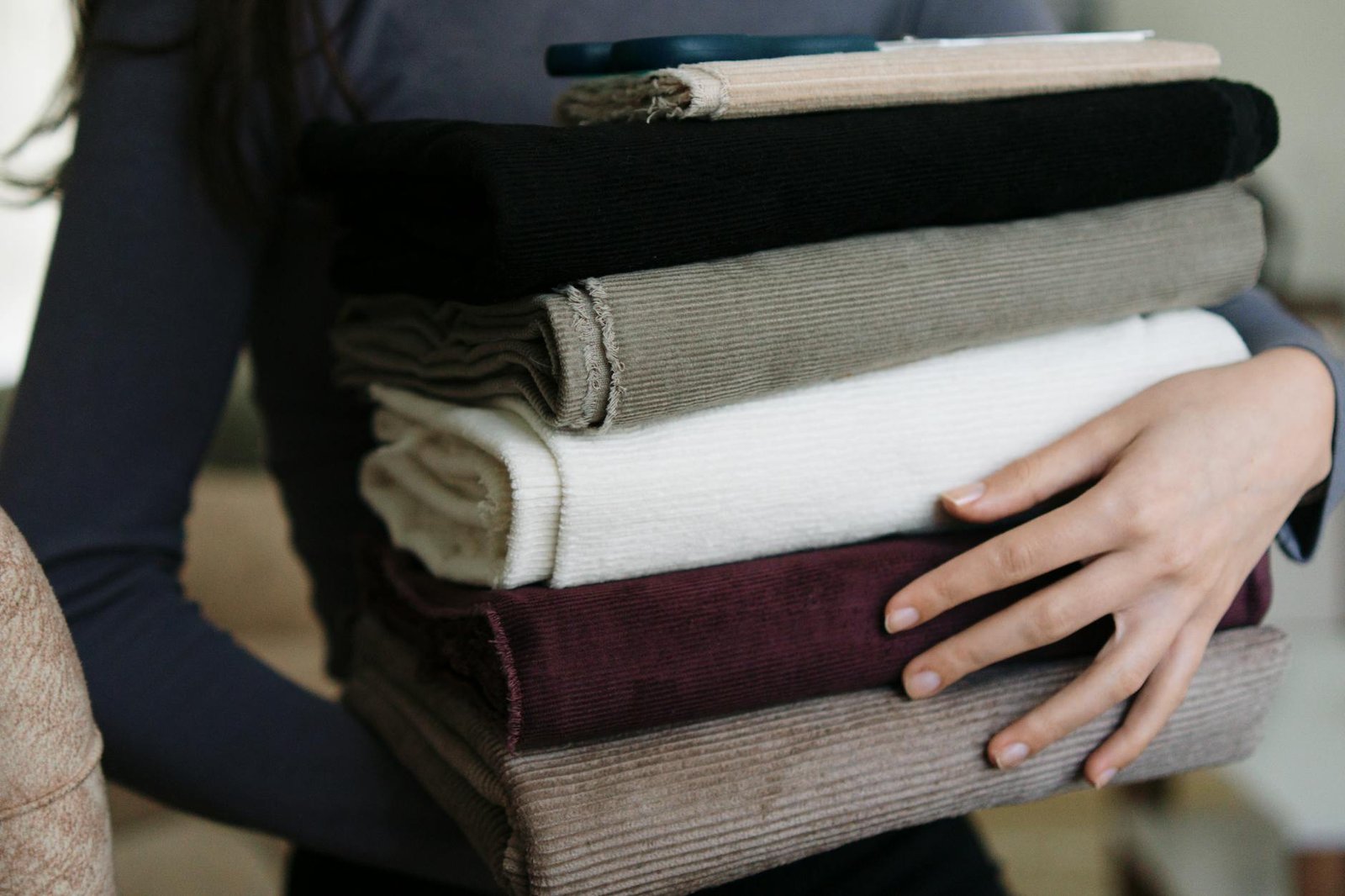
The lifespan of a garment is the most direct determinant of its environmental cost per wear. Washing at lower temperatures (most fabrics wash effectively at 30°C), air drying rather than using a tumble dryer, treating stains promptly, storing clothes properly, and repairing damage rather than discarding garments all extend garment lifespan significantly. Learning basic repairs — replacing buttons, mending small tears, darning worn areas — is both practically useful and increasingly fashionable; visible mending and intentional repair have become aesthetically valued practices rather than marks of poverty.
Investing in quality natural-fibre pieces that are worth maintaining is central to this approach — our guide to styling cardigans and knitwear covers the kind of versatile natural-fibre pieces that repay careful maintenance and accumulate genuine cost-per-wear value over time.
Sustainable Fashion Brands in 2026
What to Look For in a Sustainable Brand
Sustainable brand claims are frequently overstated — “eco-friendly” and “sustainable” are unregulated marketing terms that any brand can apply regardless of actual practice. Verifiable indicators of genuine sustainability commitment: B Corp certification (requires comprehensive social and environmental standards audit), GOTS-certified organic cotton, Fair Trade certification for labour standards, detailed supply chain transparency (published supplier information), and use of recycled or certified organic materials across most of the product range rather than a single capsule collection. Be skeptical of brands that make sustainability claims for a small percentage of their range while continuing conventional production for the rest.
Established Sustainable Fashion Brands
Patagonia remains the benchmark for transparency and environmental commitment in clothing — its worn wear repair programme, supply chain transparency, and long-term environmental advocacy set a standard that most brands have not matched. Eileen Fisher has made significant investments in a take-back and resale programme for its own garments.
Stella McCartney has maintained a no-leather, no-fur position across its entire range for decades. Smaller brands like Pangaia (material innovation), Veja (supply chain transparency in footwear), and Thought (natural and sustainable fibre focus) represent the best of smaller sustainable fashion brands.
Sustainable Streetwear and Aesthetic Fashion
Sustainable fashion and streetwear culture have had a complex and evolving relationship. Streetwear’s drop model and hype-driven consumption are environmentally problematic; but streetwear’s valorisation of vintage and second-hand purchasing (thrifting as authenticity) and its resistance to fast fashion’s low-quality model both align with sustainable values. The most sustainable streetwear approach is building a core wardrobe from high-quality pieces — either new from genuinely sustainable brands or second-hand from platforms and vintage shops — rather than chasing every drop release.
Sustainable Fashion and Personal Style
The sustainable fashion approach and personal aesthetic development are more compatible than they might initially appear. Both require clarity about what you actually like and will wear consistently (rather than buying impulsively) and both reward investment in quality over quantity. A well-edited wardrobe built around a coherent aesthetic — where every piece is worn regularly and maintained carefully — is both more environmentally sustainable and more stylistically coherent than a constantly expanding wardrobe of cheap trend pieces that are worn once or twice before being discarded.
The old money aesthetic offers a useful model for sustainable personal style — its emphasis on quality natural fabrics, classic silhouettes, and decades-long garment longevity aligns closely with sustainable fashion principles; our old money aesthetic outfit guide explores how to build a wardrobe around enduring quality rather than seasonal trends.
Frequently Asked Questions
What is sustainable fashion?

Sustainable fashion is a broad term for fashion practices that reduce the environmental and social harms associated with clothing production, consumption, and disposal. Key approaches include buying less and choosing better quality, shopping second-hand and vintage, supporting brands with verifiable environmental and labour standards, choosing natural or certified sustainable fibres, caring for and repairing existing clothes, and extending the lifespan of garments rather than discarding them. No single approach is sufficient; sustainable fashion requires changes across the entire lifecycle of clothing.
Which fashion brands are actually sustainable?
B Corp certification, GOTS certification for organic textiles, and Fair Trade certification are the most verifiable indicators of genuine sustainability commitment. Patagonia, Eileen Fisher, Stella McCartney, Veja, and Pangaia are among the most consistently credible sustainable fashion brands. For budget-accessible options, buying from certified organic or Fair Trade certified lines from mainstream retailers, or choosing second-hand platforms like Depop and Vinted, delivers genuine environmental benefit without premium pricing.