Streetwear Collaborations: The History of Fashion’s Most Important Partnerships
Why Collaborations Defined Streetwear
No business model has been more central to streetwear culture than the collaboration — the limited-release product created through the partnership of two brands, an artist and a brand, or a designer and a manufacturer. The collaboration allowed streetwear to do something that conventional fashion couldn’t: create genuine cultural events around clothing releases. By producing limited quantities of collaborative pieces, creating shared visual identities between brands, and generating social media anticipation for release dates, streetwear collaborations turned the purchase of a garment into a cultural participation — something more analogous to a ticket to a music event than a retail transaction.
Understanding the history of streetwear collaborations is understanding the history of streetwear itself — the culture’s most significant moments have almost all involved the merger of two brand identities into a limited-release third thing that belongs to both and neither.

The Founding Era: Shawn Stüssy and the 1990s
Collaborative culture in streetwear predates the formal collaboration drop model. Shawn Stüssy’s informal network of friends in different cities — the people he gave his custom tees to, who wore them in their own cities’ skateparks and surf beaches and music venues — was an early form of collaborative brand-building through association. The people who wore Stüssy weren’t employed by the brand or paid by it; they were authentic participants in the culture that the brand reflected, and their wearing of it in different cities was a form of organic collaborative distribution that built the brand’s geography of authenticity.
More formal collaboration culture began in the 1990s, when brands like Supreme began producing work with artists — initially graffiti writers and fine artists whose visual language was already native to the culture surrounding skateboarding. The artist-brand collaboration model, where an artist’s visual work is applied to a product series, established the template that the vast majority of subsequent streetwear collaborations would follow.
Nike and the Collaboration Industrial Complex
Nike’s collaboration programme is the most influential in streetwear history — not because of any single release but because of its scale, consistency, and the structural model it established for how collaborations should work. Nike’s collaborations with designers, artists, and other brands created the template of the limited-edition drop: a finite quantity of product, a specific release date, significant social media build-up, and a secondary market price that typically exceeded the retail price significantly.
The Nike x Air Jordan collaboration is among the most culturally significant in the history of footwear — the partnership with Michael Jordan created not just a shoe but an entire brand within a brand, and established the athlete-as-collaborator model that every sportswear company has subsequently pursued. The Air Jordan’s combination of athletic performance credibility, celebrity association, and genuine fashion character created the foundations of sneaker culture as a distinct subculture.
Later Nike collaborations — with Virgil Abloh’s Off-White, with Travis Scott, with the Japanese brand sacai, and with dozens of smaller and more specialist collaborators — each created cultural events of their own and defined the specific moment in streetwear culture at which they appeared.
Supreme x Louis Vuitton: The Collaboration That Changed Fashion

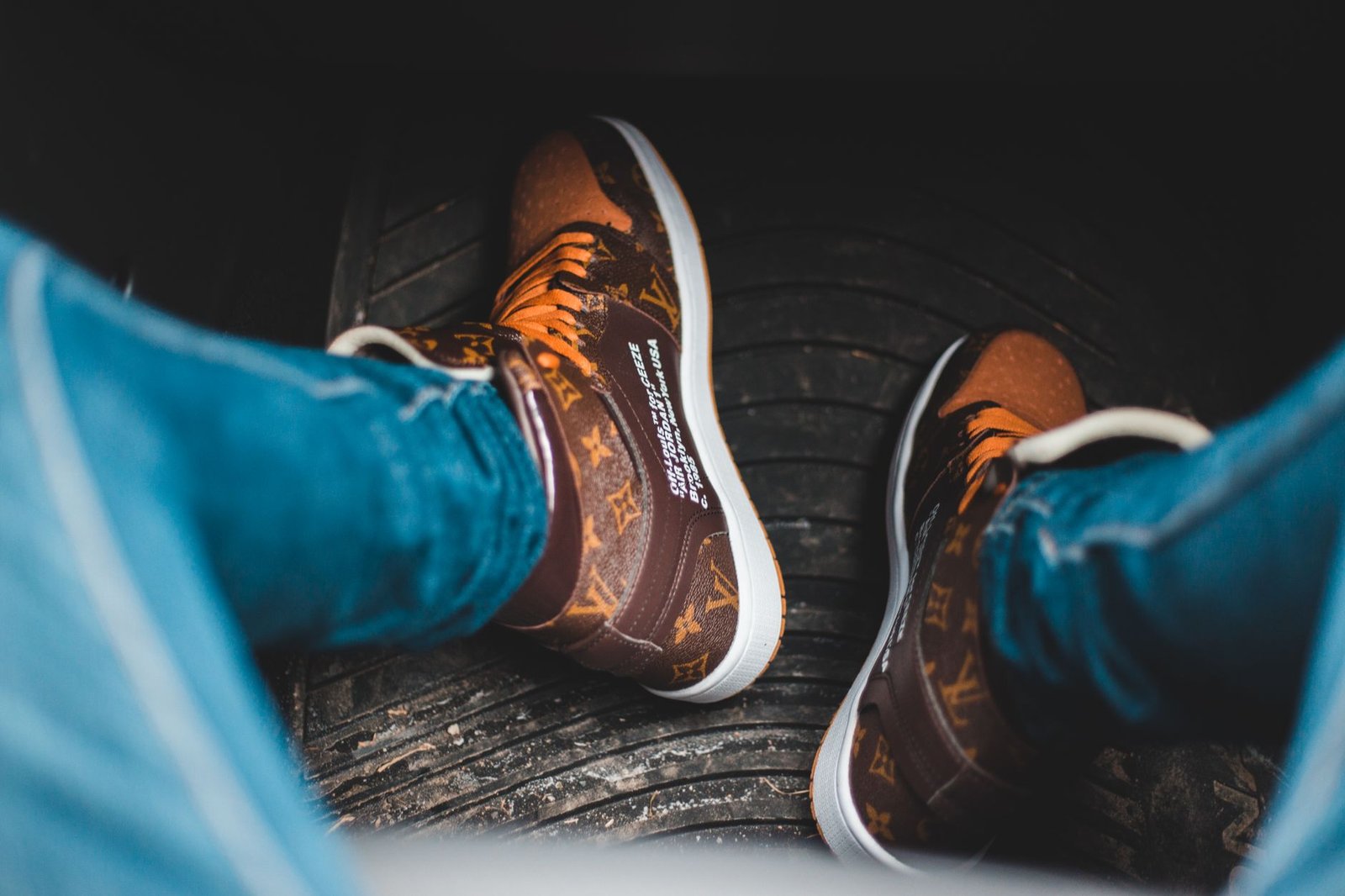
The 2017 collaboration between Supreme and Louis Vuitton is, by general consensus, the single collaboration that most dramatically altered the relationship between streetwear and luxury fashion. For the first time, a major traditional luxury fashion house — one of the oldest and most expensive brands in the world — formally partnered with a streetwear brand, producing a co-branded product line that placed Supreme’s box logo alongside the LV monogram.
The collaboration made multiple things explicit that had previously been implicit: that luxury fashion acknowledged streetwear as a legitimate cultural force; that streetwear’s cultural capital was worth the reputational risk of association for a brand like Louis Vuitton; and that the two cultures’ customers were sufficiently overlapping that a combined product made commercial sense.
The cultural impact was enormous in both directions. For luxury fashion, the Supreme collaboration was part of a broader pivot toward streetwear cultural capital that accelerated significantly in the following years, leading to Virgil Abloh’s appointment at Louis Vuitton and the subsequent widespread adoption of streetwear aesthetic language by luxury brands. For streetwear, it represented an official recognition that the culture had achieved the same legitimate cultural status as the most established fashion institutions.
Artist Collaborations: Kanye West and the Yeezy Model
Kanye West’s collaborations with Adidas to produce the Yeezy line represent a different collaboration model — the musician-as-designer, whose cultural celebrity and aesthetic vision combine with a manufacturer’s production capability and distribution infrastructure to produce something neither could achieve alone. The Yeezy collaboration established the model of the celebrity designer as legitimate aesthetic voice rather than celebrity endorser of someone else’s aesthetic decisions, and created one of the most commercially successful collaborative lines in fashion history.
The Yeezy model influenced dozens of subsequent celebrity-brand collaborations, from Travis Scott’s Nike and McDonald’s partnerships (which extended the collaboration model beyond fashion into fast food) to Pharrell Williams’s appointment as Creative Director of Louis Vuitton Men’s following Virgil Abloh’s death — a direct lineage from the artist-brand collaboration model to the artist-brand leadership model.
The Contemporary Collaboration Landscape in 2026
In 2026, the collaboration as a cultural event has become somewhat normalised — there are so many collaborations produced each season, across so many brand pairs, that the cultural impact of any individual collaboration has diluted somewhat from the maximum excitement of the 2017-2020 peak drop culture era. However, collaborations remain commercially and culturally significant, particularly when they create genuinely unexpected or culturally meaningful pairings rather than obvious brand extensions.
The most culturally significant collaborations in 2026 tend to involve: genuinely unexpected brand pairings that create visual and cultural tension; artists or designers whose work has specific cultural meaning beyond their commercial brand identity; or collaborations between fashion brands and communities or institutions outside the conventional fashion world. The collaboration’s power comes from the genuine meeting of two distinct cultural identities — when both partners are simply commercial entities seeking mutual revenue, the collaboration’s cultural impact is minimal.
Sneaker collaborations have been central to streetwear’s commercial culture — the limited-release model perfected by Nike and Supreme shaped how entire generations of fans engage with drops and releases. Our guide to how to style sneakers covers how the cultural legacy of collaboration sneakers now informs everyday trainer styling, from retro runners to platform soles.
The Supreme x Louis Vuitton moment accelerated a broader shift toward mixing high fashion with streetwear in everyday dressing. Our guide on how to mix streetwear with luxury fashion covers the high-low styling principles that emerged directly from collaborations like this one — combining elevated designer pieces with casual streetwear foundations in a single outfit.
The darker, more experimental side of streetwear culture has always informed how collaboration pieces get styled in the real world. If you’re drawn to the more underground aesthetic that collaborations like Supreme’s artist editions represent, our guide to dark streetwear outfits covers how to build that visual language from scratch.
The history of streetwear collaborations is well documented by those closest to the culture. Highsnobiety’s comprehensive list of every clothing brand Supreme has collaborated with traces the New York label’s partnerships from the late 1990s to the present day, showing how collaborative culture built the infrastructure of modern streetwear.
Frequently Asked Questions
What was the most important streetwear collaboration ever?
The Supreme x Louis Vuitton collaboration in 2017 is most commonly cited as the single most culturally significant streetwear collaboration — it formally united streetwear culture and traditional luxury fashion in a way that permanently altered both. For footwear, the Nike x Air Jordan partnership is arguably more foundational, establishing the entire sneaker collaboration model. For broader cultural impact, Kanye West and Adidas’s Yeezy line demonstrated that musician-designer collaborations could achieve commercial and cultural significance at the largest scale.
Why do brands collaborate?
Brands collaborate for a combination of commercial and cultural reasons: to access each other’s customer base, to create limited-release product that commands higher prices and generates social media excitement, to transfer cultural credibility from one brand context to another, and to create cultural events around clothing releases that pure retail cannot generate. The most successful collaborations achieve all four simultaneously — commercial success, cultural legitimacy, new customer acquisition, and the creation of a genuine cultural moment around the product release.