Dark Streetwear Outfits for Women: How to Master the Aesthetic
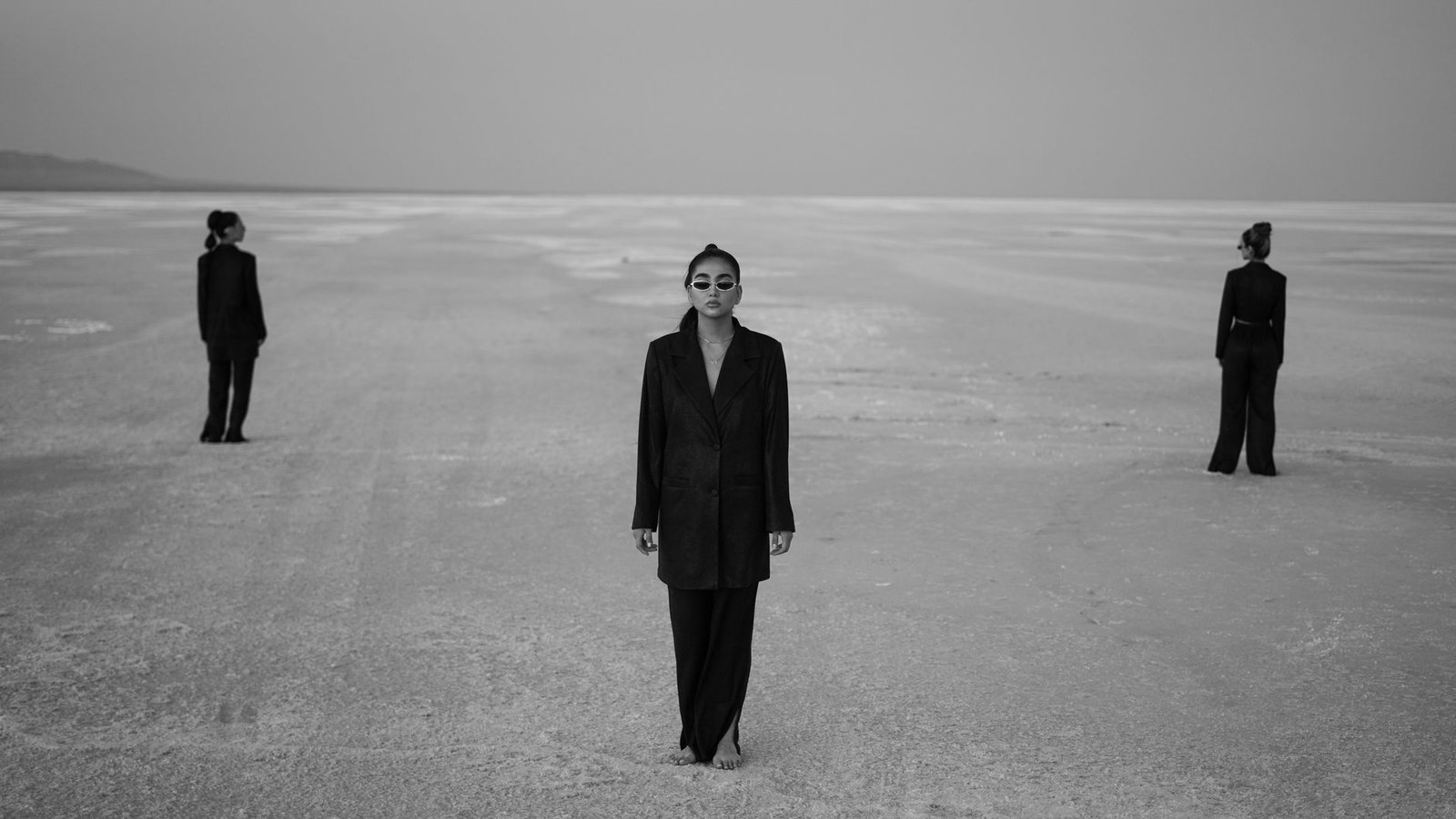
Dark streetwear is not simply black streetwear — it is a specific aesthetic approach that draws from multiple visual traditions (punk’s anti-establishment edge, goth’s darkness and theatricality, military utility’s functional severity, and high-fashion’s structural precision) to create an urban style that reads as simultaneously cool and considered. Where mainstream streetwear often embraces colour, logos, and visible branding as primary communication tools, dark streetwear works primarily through silhouette, texture, and a restricted palette of deep, muted tones.
The aesthetic’s appeal lies in its self-assurance — dark streetwear outfits communicate a specific point of view without needing to explain themselves through obvious branding or trend-chasing. It is one of the most cohesive and most internally consistent streetwear approaches available, and it is also one of the most forgiving in terms of outfit assembly: when every piece is in the same restricted palette, any combination of pieces produces a visually coherent result.
Trend Overview
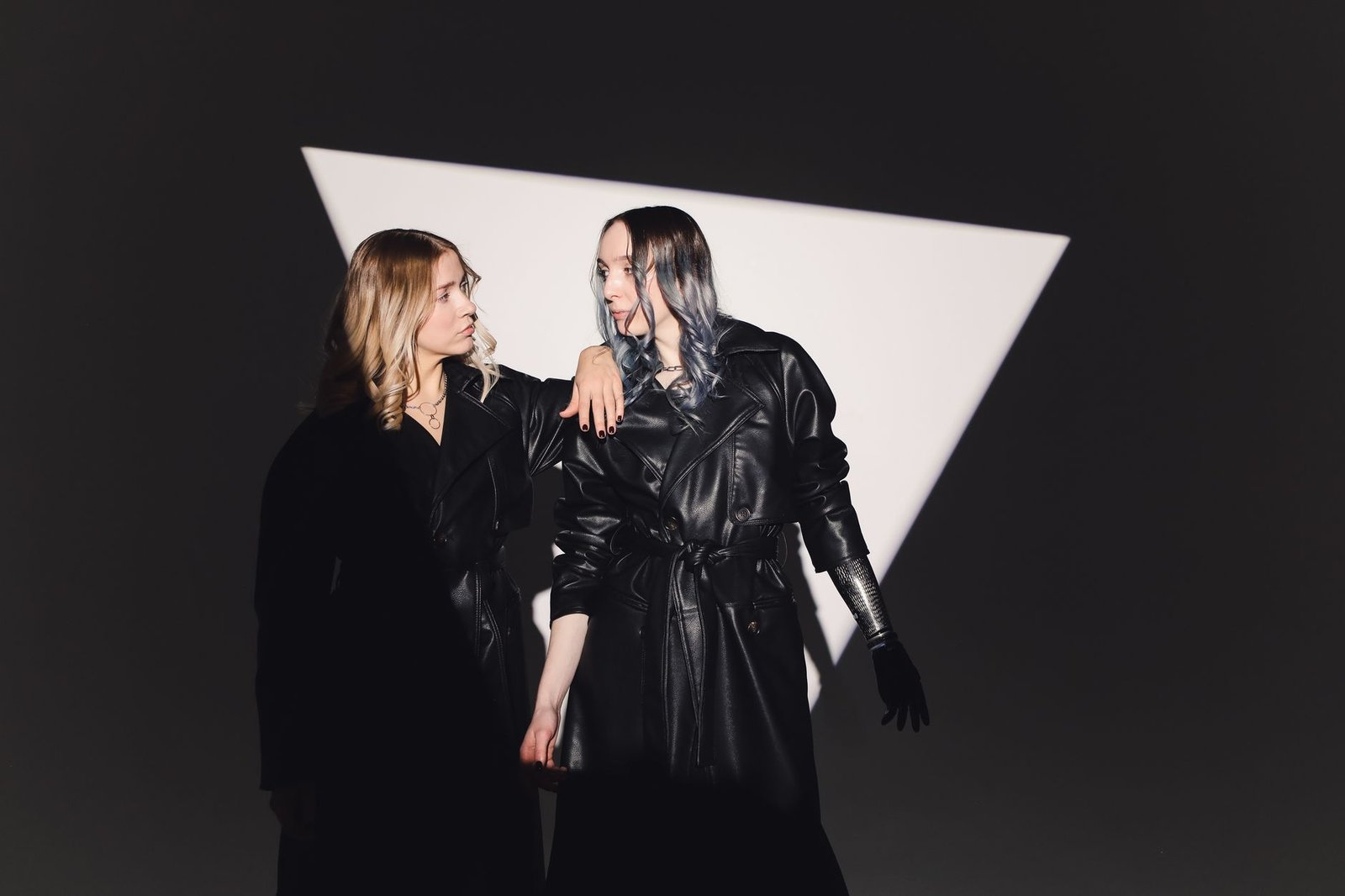
Dark streetwear’s current moment reflects the convergence of several trend streams: the continued dominance of grunge-influenced fashion, the revival of early 2000s dark indie and alt aesthetics, and the broader streetwear industry’s move toward more fashion-influenced silhouettes and away from exclusively sports-reference-dependent design. The dark feminine aesthetic has contributed a specifically powerful version of dark dressing that incorporates feminine silhouettes and textures into the dark streetwear palette, creating a genuinely new visual territory that sits between traditional streetwear and high fashion’s darker references.
Styling Recommendations
The Palette
Dark streetwear’s working palette extends well beyond black alone — deep charcoal, graphite, navy, forest green, burgundy, and muted olive all contribute to the aesthetic’s depth without breaking its dark, restricted character. Building an outfit where different dark tones coexist (a black jacket over a dark charcoal top and forest green cargo trousers) creates a more textural and more visually interesting dark streetwear impression than all-identical-black dressing. Texture contrast within the dark palette — a matte softshell jacket over a slightly shiny black satin top — is one of the most sophisticated approaches in dark streetwear.
Silhouette and Structure
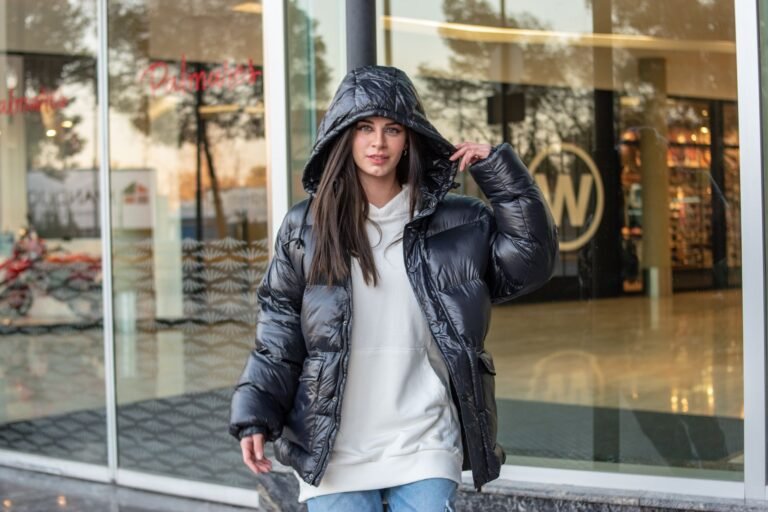
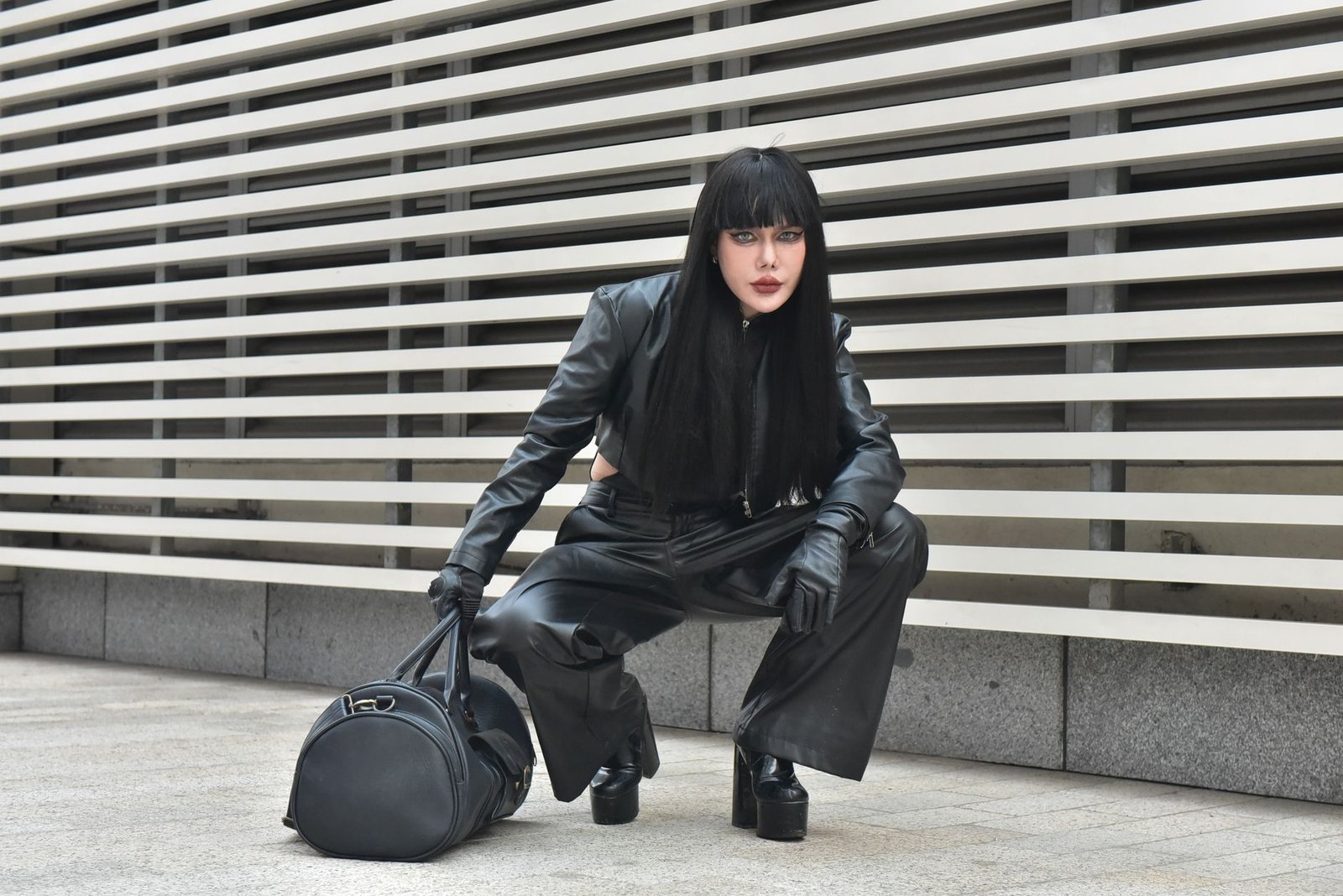
Dark streetwear’s most powerful silhouettes are those with inherent structure or architectural interest — a well-cut biker jacket, an oversized structured hoodie, cargo trousers with precise pocket placement, and technical outer layers with functional detailing. The structure communicates intentionality; a shapeless all-black outfit reads as simple casualness rather than deliberate aesthetic commitment.
Texture and Material
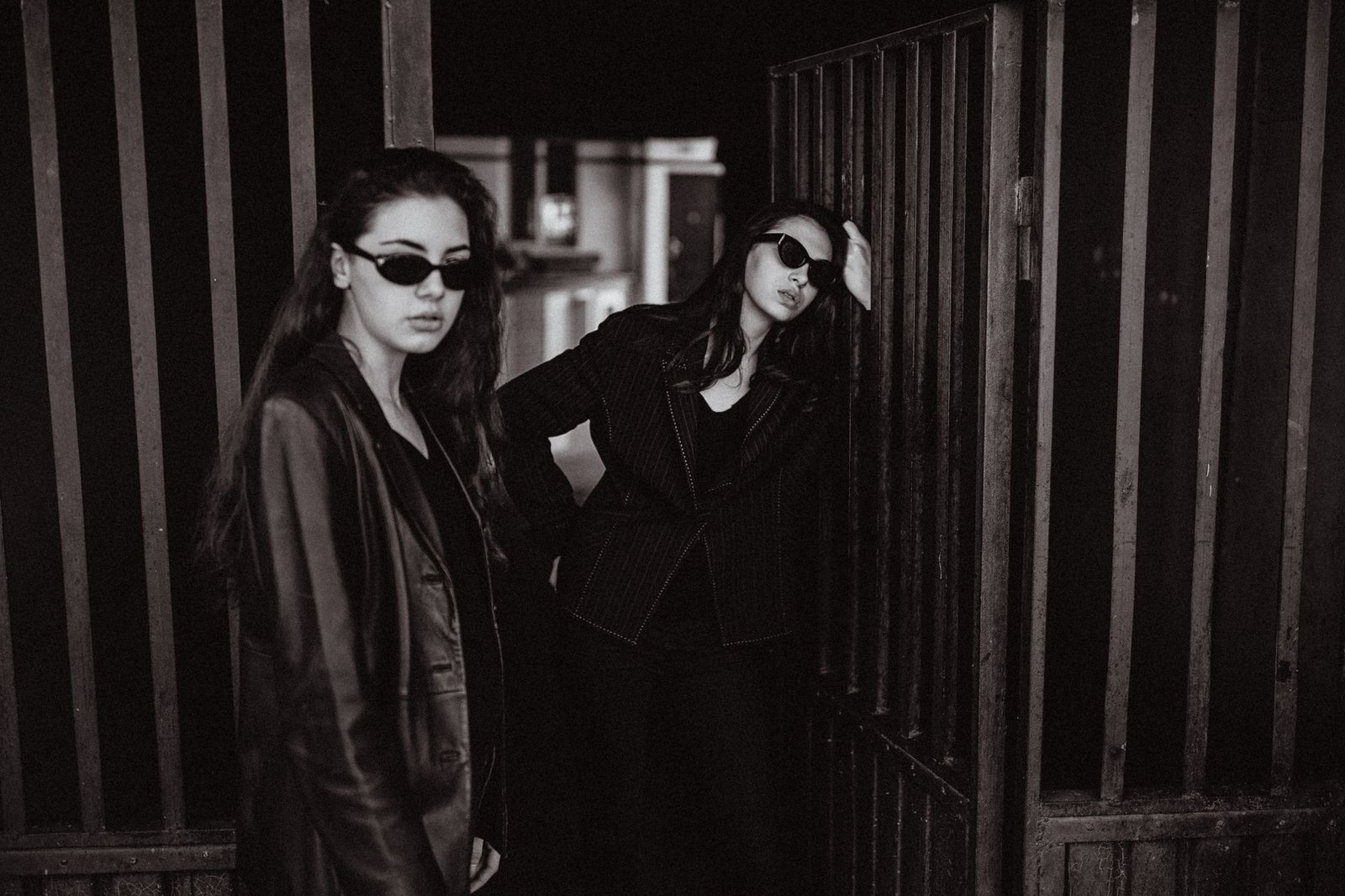
Within a restricted dark palette, texture becomes the primary differentiator between pieces — and dark streetwear rewards the most interesting textures in its chosen tones. Leather, waxed cotton, technical nylon, distressed denim, chunky ribbed knit, and matte jersey all coexist naturally within a dark streetwear palette. The minimalist streetwear approach provides a framework for how texture contrast within a restricted palette creates visual interest without colour — principles that apply directly to dark streetwear’s internal logic.
Outfit Ideas
A black leather or faux-leather biker jacket over a dark grey oversized graphic tee (with muted, minimal printing), black straight-leg jeans with a slight distress, and black chunky platform boots or lug-sole boots. A minimal black crossbody bag with silver hardware. This is dark streetwear in its most native and most easily assembled form — every piece reinforces the same aesthetic vocabulary.

A dark olive technical shell over a black mock-neck long-sleeve, black slim cargo trousers, and black or dark green trail runners. A black bag with functional strapping. This is the techwear-inflected dark streetwear approach — where the aesthetic’s darkness and the techwear sub-genre’s functional logic overlap in a look that reads as both deliberate and practically intelligent.
A black oversized structured blazer over a black band tee, black loose-fit trousers or wide-leg cargo pants, and black platform shoes or chunky boots. Silver chain jewellery as the only visible accessory. This is dark streetwear at its most fashion-forward — the blazer’s structure elevates the band tee and loose trouser combination into a genuinely considered outfit that reads as women’s streetwear at its most directional. According to Vogue, the dark streetwear aesthetic has become one of the most consistently referenced style territories in contemporary fashion coverage, positioned as the counterpoint to quiet luxury’s pastel minimalism and dopamine dressing’s colour maximalism.
Common Mistakes
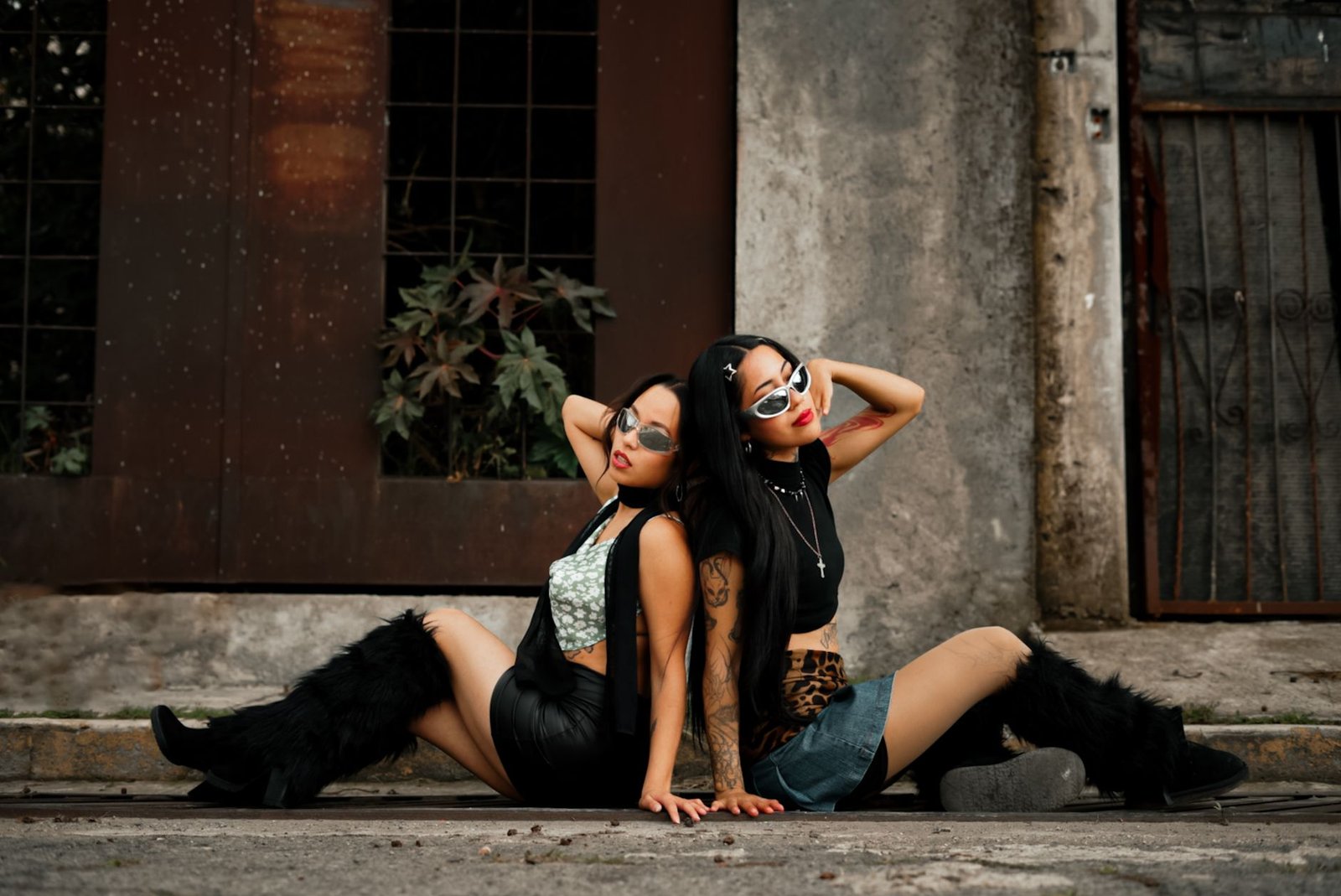
The most common dark streetwear mistake is assembling dark pieces without considering their texture relationships. An all-black outfit where every piece is in the same flat, matte jersey reads as simply dark casualwear rather than intentional dark streetwear. The texture contrast — leather against matte, technical against ribbed knit, structured against draped — is what distinguishes a dark streetwear outfit from dark casual loungewear.
The second mistake is not anchoring the look with at least one structural or quality-signalling piece. A dark streetwear outfit built entirely from low-quality, shapeless basics in dark colours reads as accidental — a quality jacket, a structured trouser, or a deliberately textural piece communicates that the darkness is a choice rather than a coincidence.
Shopping Considerations
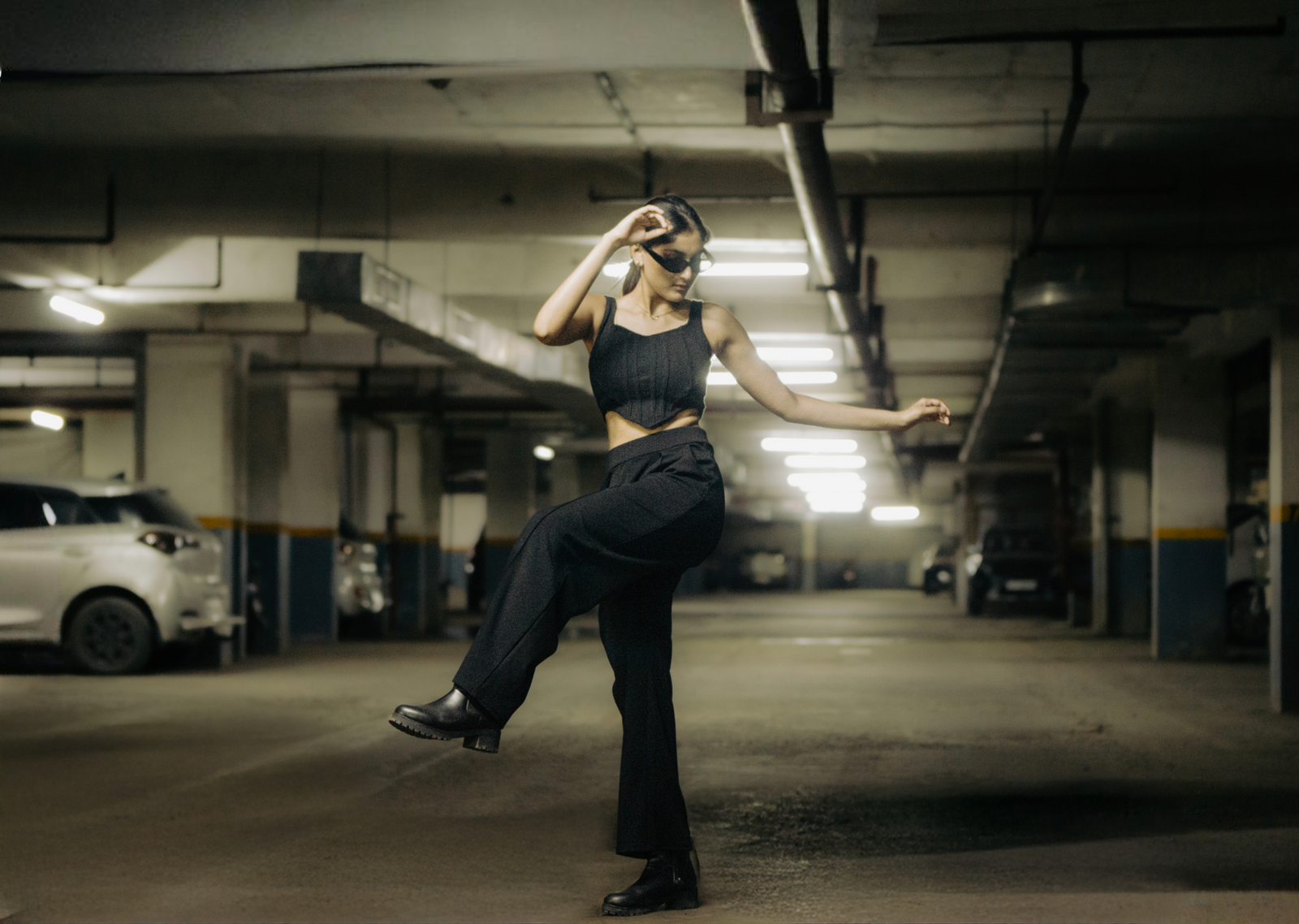
When building a dark streetwear wardrobe, prioritise the outer layer first — the jacket or shell jacket that provides the look’s structural anchor. Everything beneath it in a dark palette can be simpler and less expensive. A quality leather or faux-leather biker jacket in black, or a quality technical shell in charcoal or olive, provides the quality signal that the rest of the darker, simpler pieces can rely on. Also check colour temperature within the dark palette — warm blacks (slightly brown-toned) and cool blacks (blue-toned) coexist less naturally than all-warm or all-cool dark tones.
Frequently Asked Questions
How is dark streetwear different from goth fashion?
Dark streetwear shares gothic fashion‘s preference for dark tones and edge-influenced aesthetics, but its design vocabulary is firmly rooted in streetwear’s urban, contemporary references — hoodies, cargo trousers, technical outerwear, sneakers — rather than gothic fashion’s Victorian, theatrical, and subculture-specific elements. A dark streetwear outfit communicates urban cool; a gothic fashion outfit communicates subcultural commitment. The overlap occurs in pieces like chunky platform boots, silver chain jewellery, and leather jackets, but the overall outfit construction and reference points are distinct.
Can you wear dark streetwear to work?
In creative industry environments, a dark streetwear outfit with more structural pieces — a quality jacket, slim trousers, considered footwear — reads as fashion-conscious and personally expressive without being disruptive. The key is choosing the more architectural, more refined pieces from the dark streetwear vocabulary (a structured blazer rather than an oversized hoodie, slim cargo trousers rather than very wide joggers) and pairing them with footwear that reads as smart enough for the context. The workwear-streetwear guide covers the specific piece combinations that most effectively bridge these two registers.
Conclusion
Dark streetwear is the most internally consistent and the most self-contained streetwear aesthetic — its palette restriction ensures outfit coherence while its texture and silhouette diversity ensures visual interest. Invest in one strong structural anchor piece, build the surrounding palette through texture rather than colour contrast, and allow the aesthetic’s confident restraint to communicate what louder approaches require more effort to say.