Korean Streetwear Style: How to Get the Look
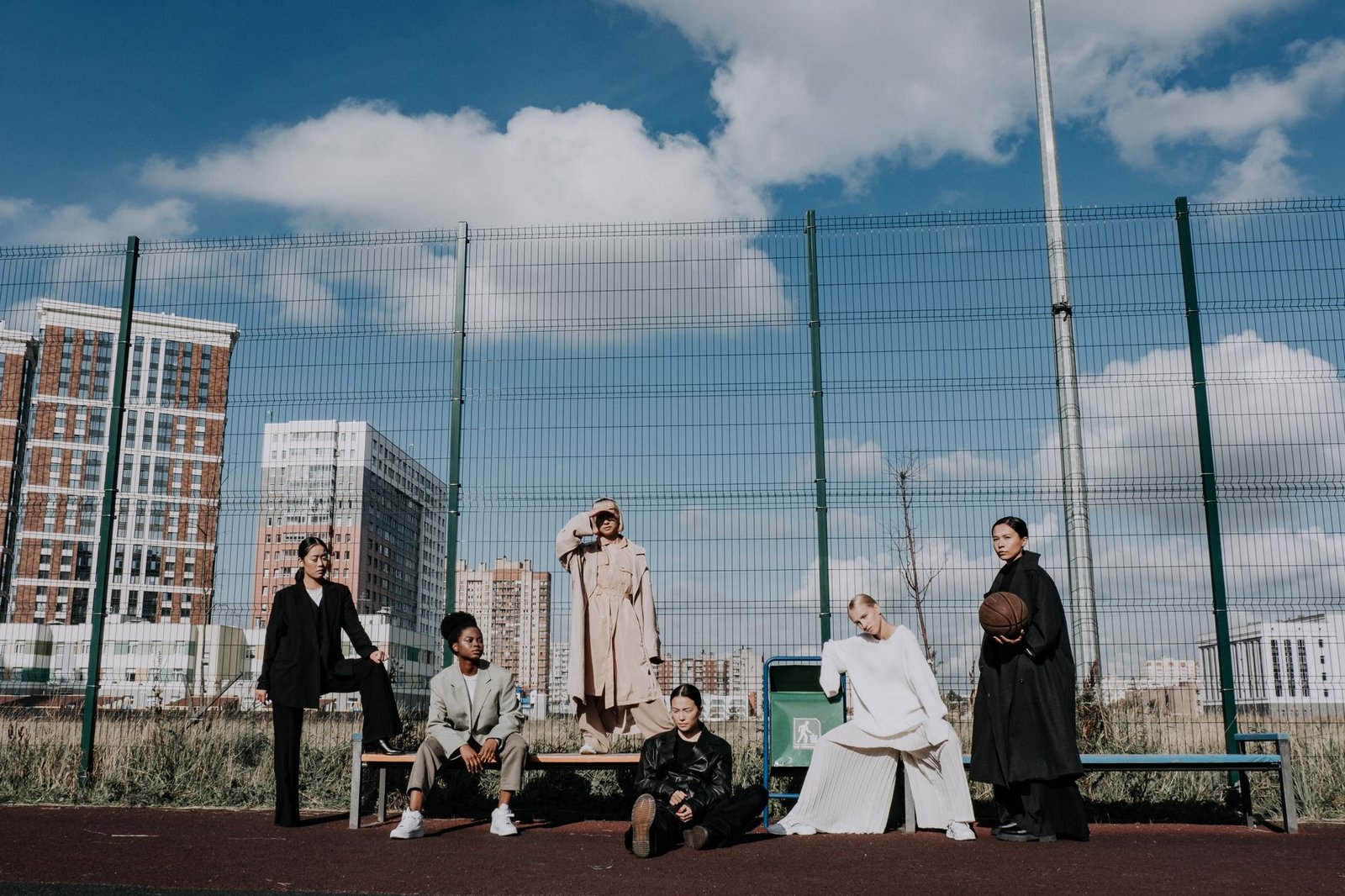
Korean streetwear has established itself as one of the most internationally influential streetwear aesthetics, driven by the global reach of K-pop, K-drama, and the broader Korean cultural wave (hallyu) that has made Seoul’s fashion districts — particularly Hongdae and Sinchon — as important to global fashion conversation as Tokyo’s Harajuku or London’s Soho. Korean streetwear’s visual identity is distinctive: it prioritises clean oversized silhouettes, subtle or bold logo placement (depending on the brand), a colour palette that ranges from very clean neutrals to very deliberate pastels, and a grooming-forward personal presentation that treats the total look as a complete visual statement.
The broader Korean fashion style covers the full range of Korean aesthetic approaches from formal to casual; Korean streetwear specifically focuses on the youth-culture, music-adjacent, and urban-influenced clothing that has developed most rapidly in the context of K-pop fashion and the idol-adjacent cultural production that surrounds it.
Trend Overview
Korean streetwear has influenced global fashion most visibly through K-pop’s enormous cultural reach — the styling choices of K-pop groups are now immediately and globally distributed through social media, making Korean street style trends internationally accessible at a speed that traditional fashion communication cannot match. Brands like Ader Error, Mischief, and 8seconds have developed significant international followings by producing clothing that embodies Korean streetwear’s specific oversized-but-precise aesthetic. The Japanese streetwear context provides a useful comparative reference — Korean streetwear tends to be cleaner and more colour-restrained than Japanese streetwear’s more maximalist tradition.
Styling Recommendations
The Oversized Foundation
Korean streetwear’s most defining silhouette characteristic is its specific approach to oversizing — not the extreme, proportion-defying oversizing of some Western streetwear approaches, but a deliberate one-to-two size up that creates clean, relaxed volume without shapelessness. An oversized hoodie in a quality fleece, a large-fit tee with clean construction, or an oversized structured shirt layered over a fitted base — all worn with slim or straight bottoms that counterbalance the upper-body volume. This specific proportion (generous top, controlled bottom) is Korean streetwear’s most widely applied and most immediately recognisable silhouette formula.
Colour Approach
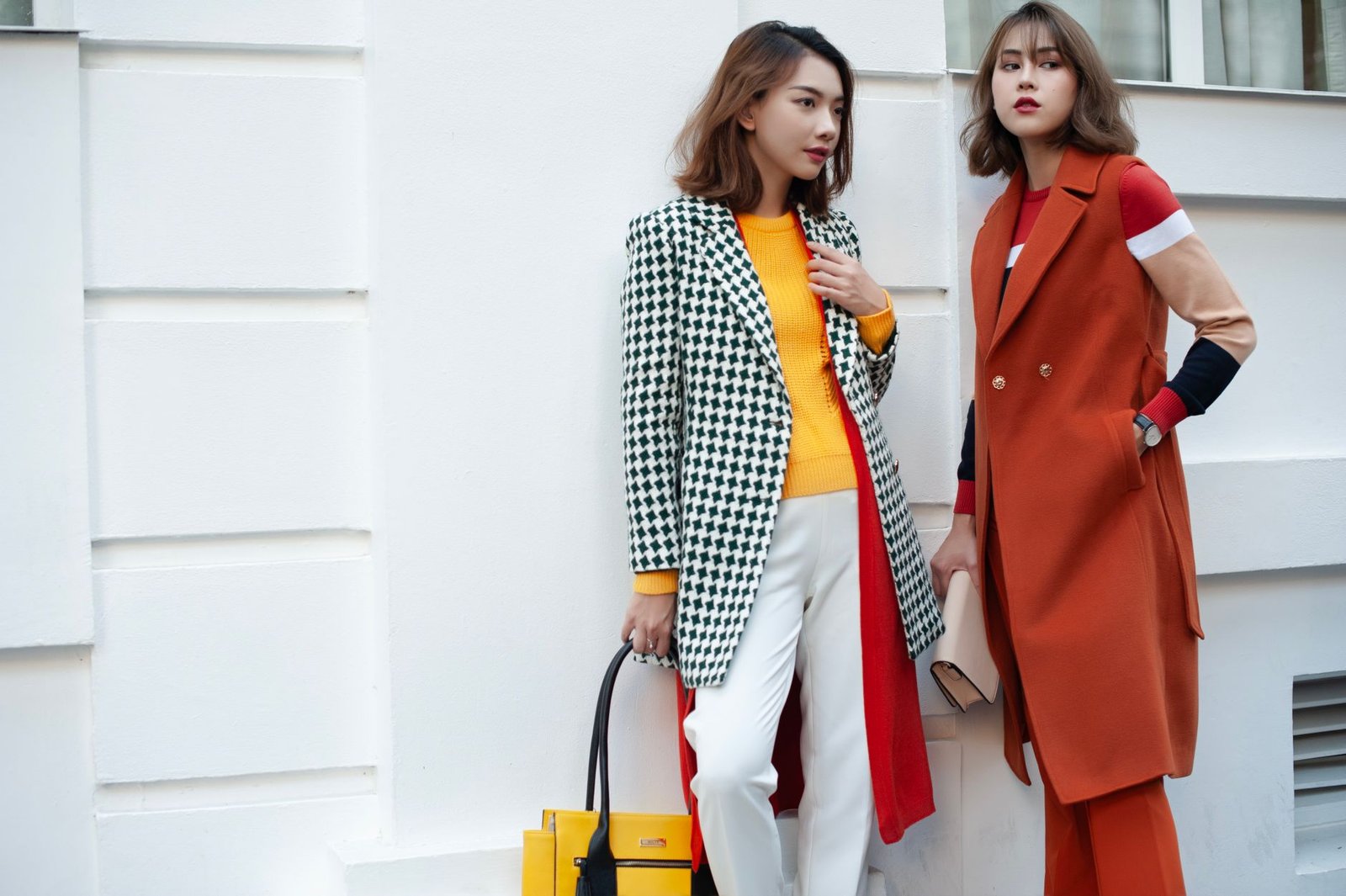
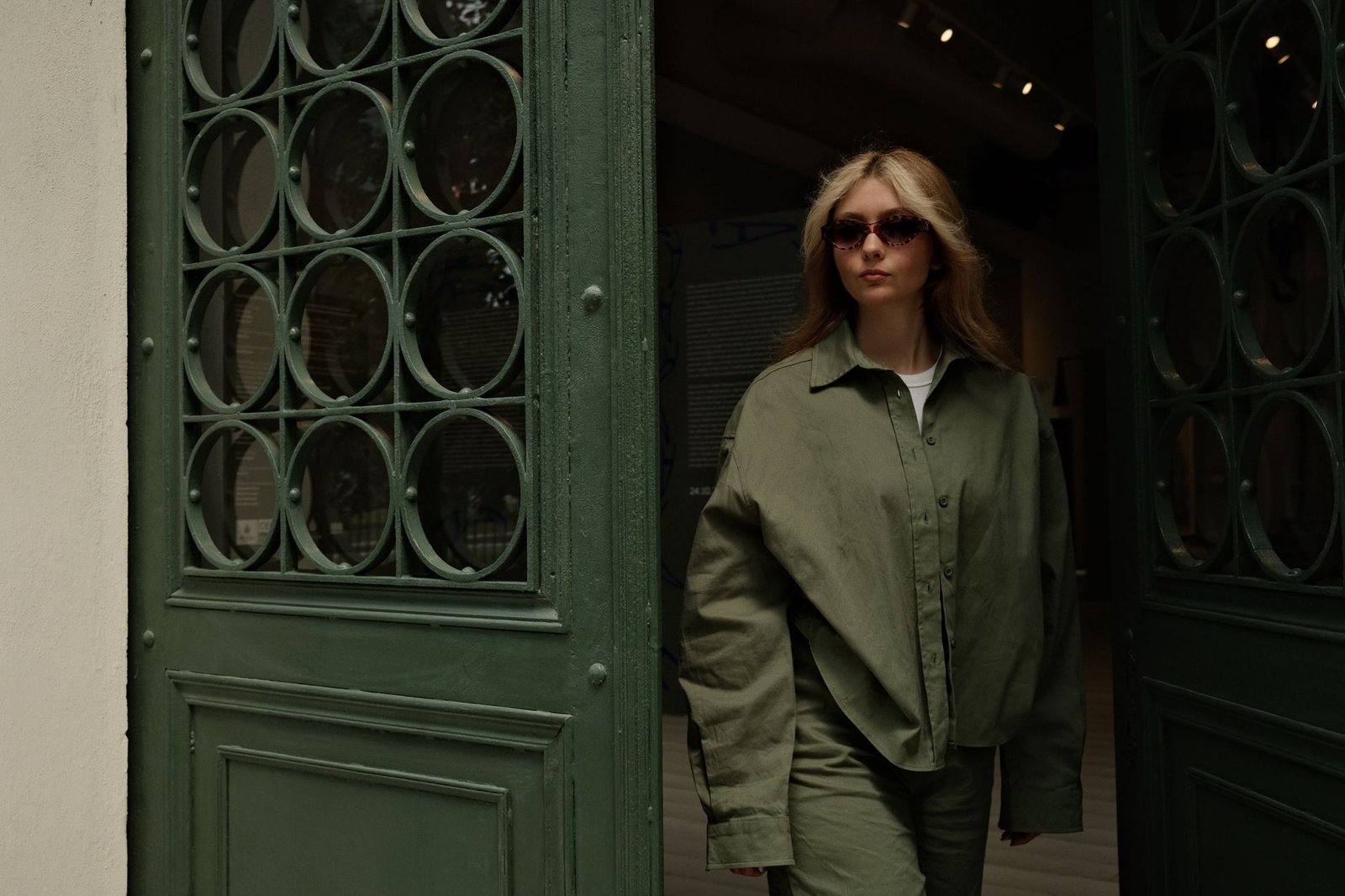
Korean streetwear has developed two colour identities that coexist: a clean neutral palette (cream, white, light grey, black) that reads as precisely maintained and effortlessly cool, and a deliberate pastel or muted colour accent approach (dusty pink, sage green, light lavender, muted blue) that references Korean beauty culture’s softness while maintaining streetwear’s casualness. Building an outfit around either of these approaches — all neutrals, or neutrals with a single clean colour accent — produces the most authentically Korean streetwear visual result. The streetwear capsule wardrobe framework applies well here: a neutral foundation with selected colour accent pieces.
Logo and Branding
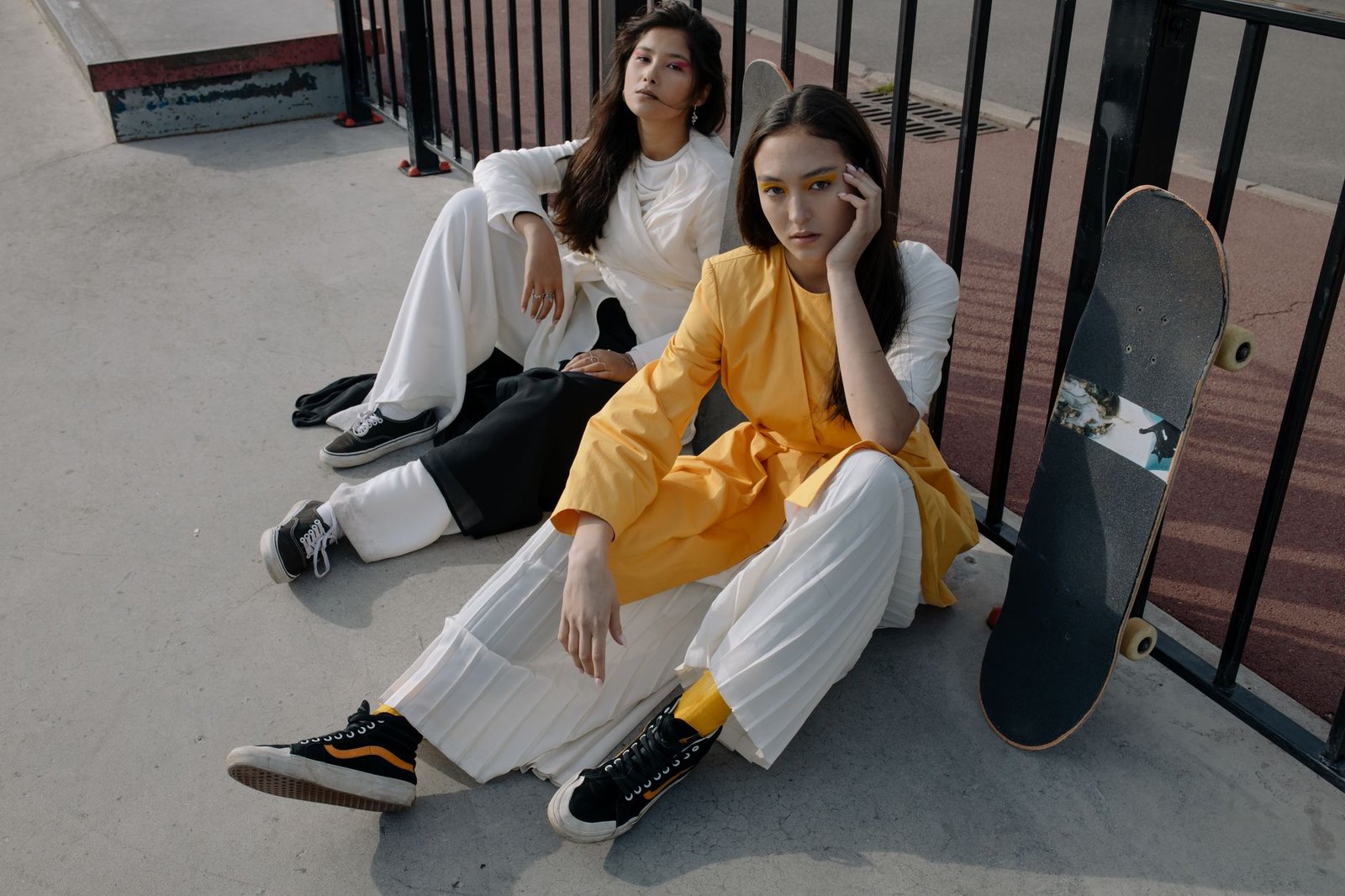
Korean streetwear has a more nuanced relationship with visible branding than American streetwear’s logo-maximalism — quality Korean brands often use smaller, more refined logo placements as subtle quality signals rather than bold status broadcasts. When incorporating branding into a Korean streetwear-inspired look, favour cleaner, smaller logo placements or deliberately artistic graphic treatments over large repeated logo patterns. This restraint in branding is one of the most culturally specific and most visually sophisticated elements of Korean streetwear’s design language.
Outfit Ideas
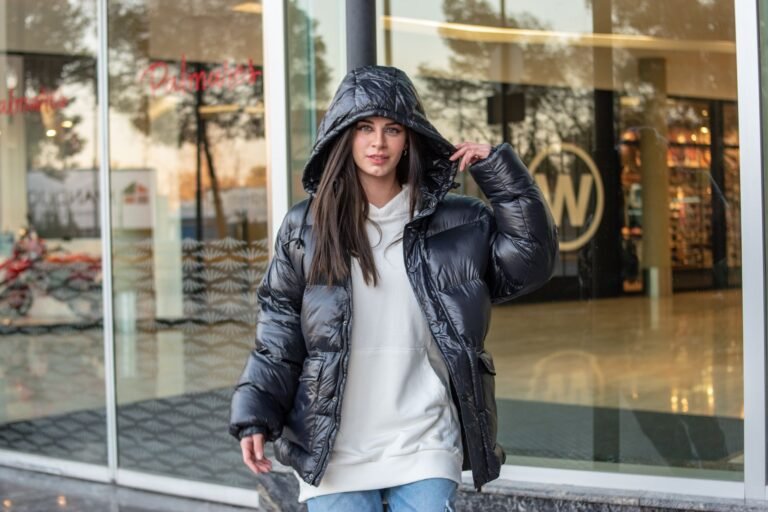
A cream or light grey oversized hoodie, straight-leg or wide-leg light wash jeans, and clean white leather sneakers. Minimal accessories — perhaps a small silver chain and a structured mini bag. This is Korean streetwear at its most accessible and its most universally flattering — the clean colours and oversized-top, straight-bottom proportion create a look that reads as effortlessly fashionable without requiring any specific cultural knowledge to assemble. The women’s streetwear outfits context shows this formula appearing consistently across Korean-influenced international fashion photography.
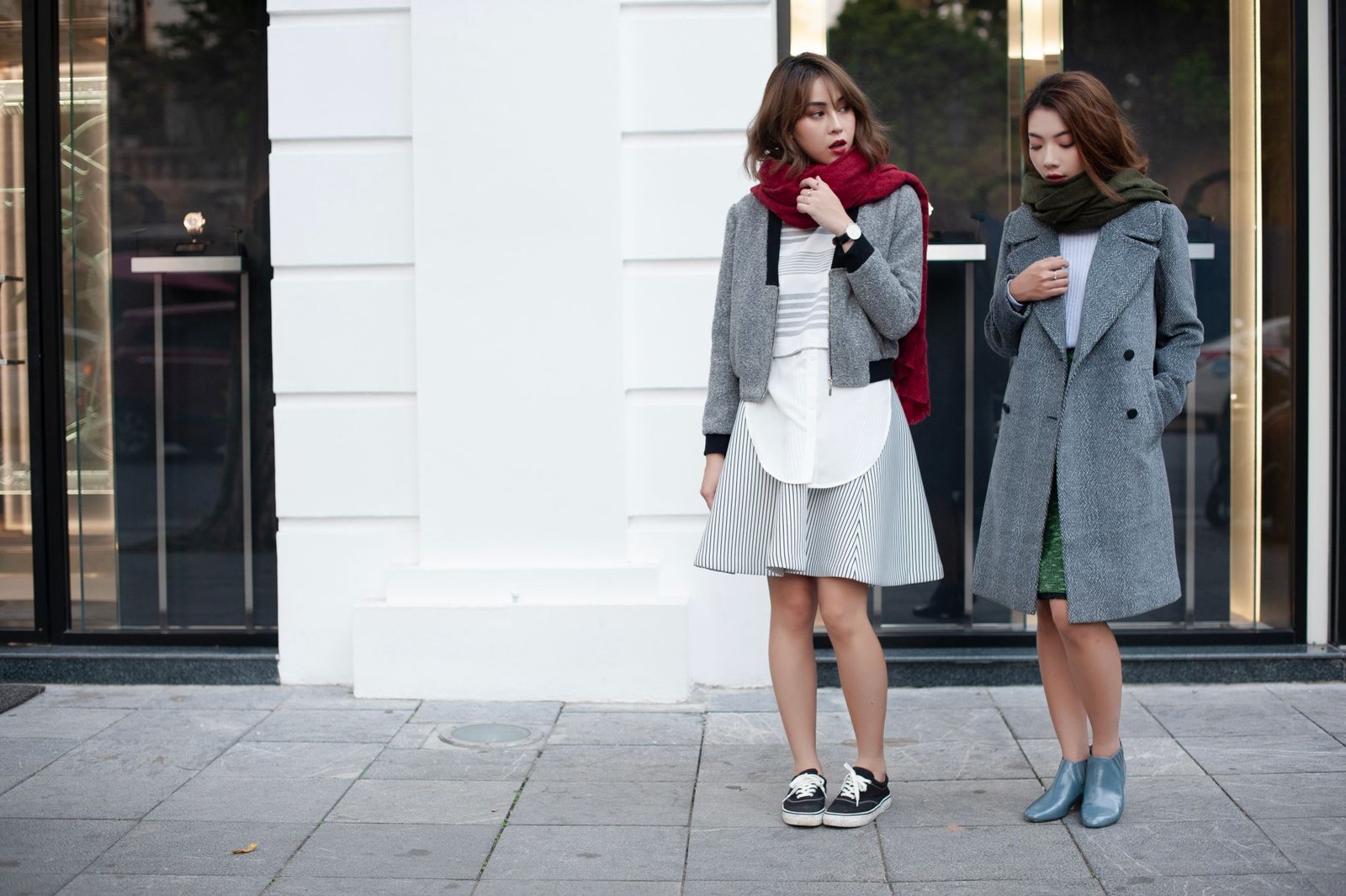
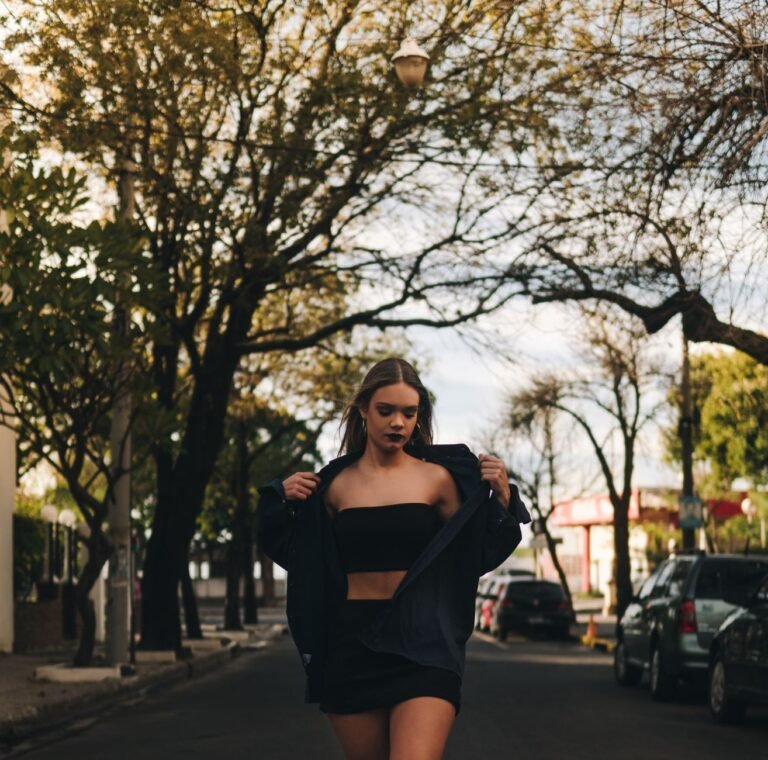
An oversized black bomber or structured jacket over a fitted white tee, wide-leg black trousers with a clean line, and black chunky sneakers. Simple silver jewellery and a minimal bag. This is the monochrome Korean streetwear approach — clean, precise, and immediately readable as deliberately assembled rather than casually defaulted to.
A pastel-toned oversized sweatshirt (sage green, lavender, or dusty pink) over matching wide-leg jogging bottoms — the Korean streetwear matching set — with white leather sneakers and simple stud earrings. The matching set is one of the most directly K-pop-adjacent approaches to Korean streetwear styling, and also one of the most easy and most polished to assemble. According to Harper’s Bazaar, the K-pop cultural wave has made Korean streetwear one of the most internationally studied and most rapidly adopted fashion approaches among Gen Z, with Seoul’s Hongdae district emerging as a primary global reference point for youth streetwear alongside Tokyo and New York.
Common Mistakes
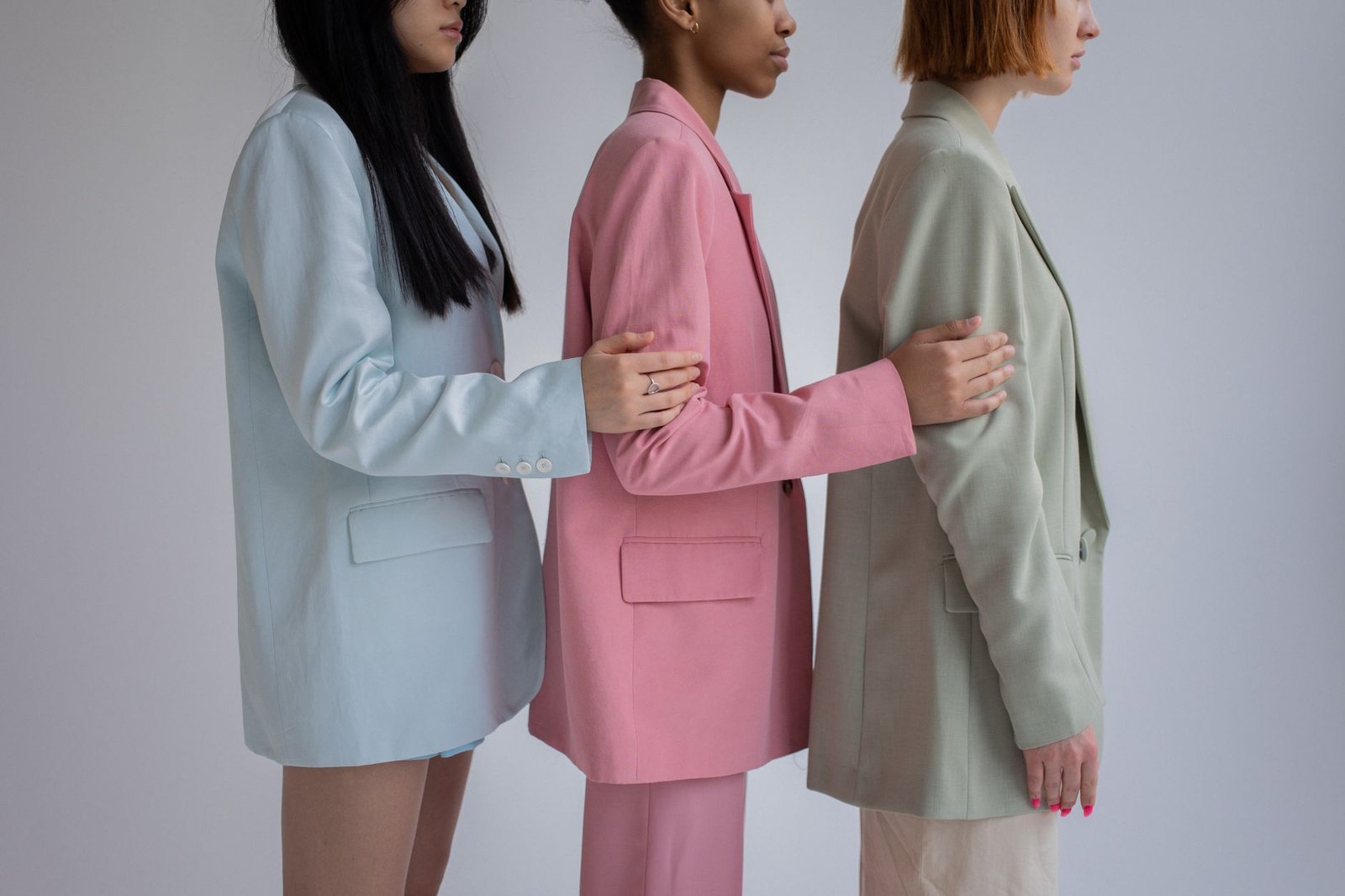
The most common Korean streetwear mistake is replicating only the size aspect (going oversized) without replicating the precision of construction and the colour restraint that makes Korean oversizing read as deliberate. An oversized Western sweatshirt in a random colour over mismatched jeans doesn’t read as Korean streetwear — it reads as simply large. The Korean streetwear formula requires clean, quality construction, specific proportion management (generous top, controlled bottom), and palette discipline even in casual pieces.
The second mistake is neglecting the total-look approach that Korean fashion consistently prioritises. Korean streetwear’s visual impact comes partly from the precision with which the entire outfit — clothing, footwear, bag, and personal presentation — are aligned. A carefully chosen oversized hoodie worn with old, beaten-up sneakers and a random everyday bag loses the aesthetic’s specific polish.
Shopping Considerations
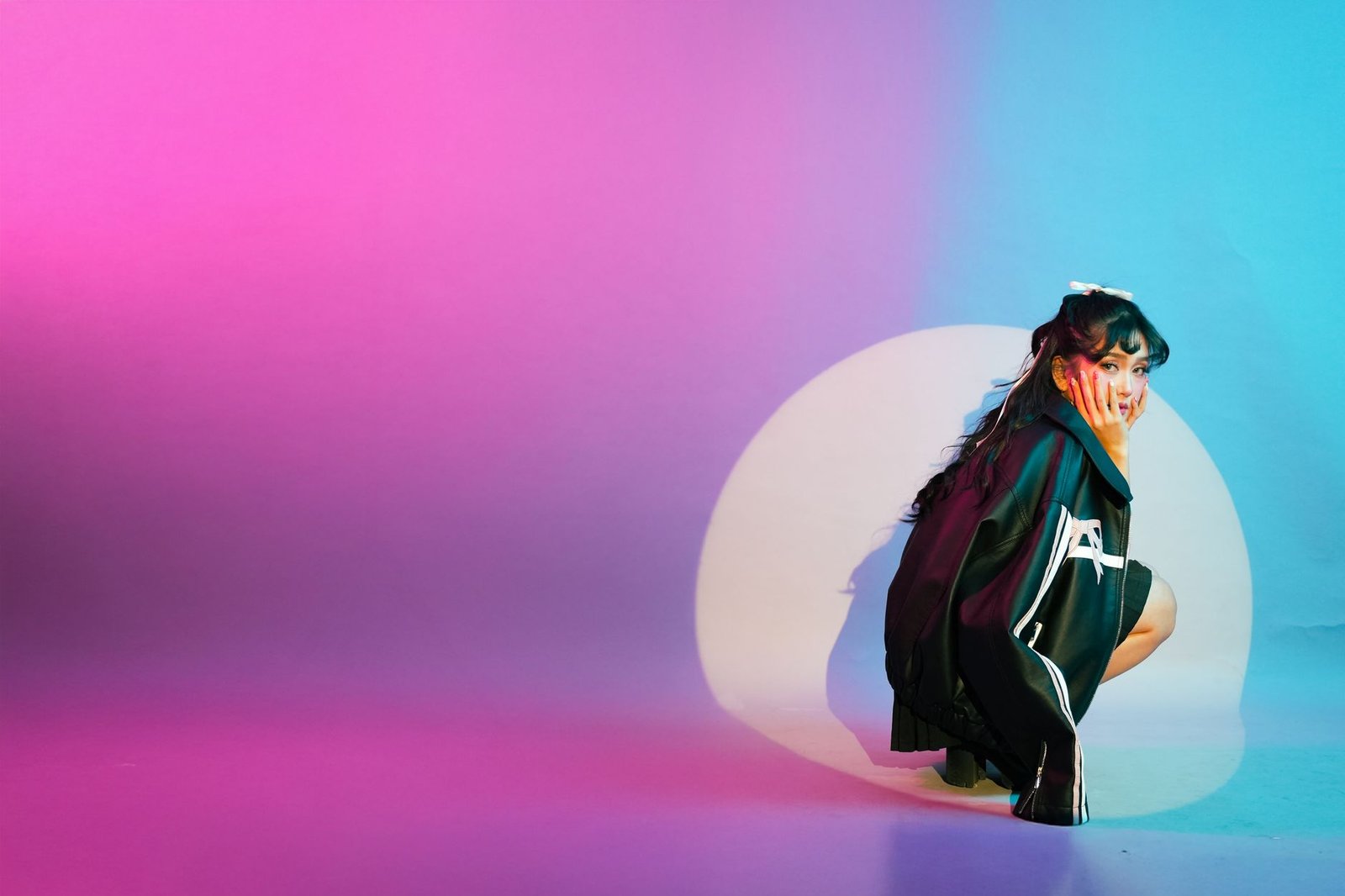
Korean streetwear brands that ship internationally include Ader Error, Mischief, Critic, and SPAO for accessible entry points. For specific K-pop adjacent styling, fan-favourite brands like Gentle Monster (eyewear), Andersson Bell, and Beyond Closet offer genuinely Korean design DNA at various price points. Many Korean streetwear pieces are also available through global platforms like Musinsa (Korea’s largest online fashion platform) that ship internationally. The key quality indicator in Korean streetwear is the construction precision and fabric weight — quality Korean streetwear pieces have a specific denseness and finish quality that distinguishes them from superficially similar fast-fashion alternatives.
Frequently Asked Questions
What makes Korean streetwear different from American streetwear?
American streetwear is strongly influenced by hip-hop culture, basketball culture, and sports branding — it tends toward bolder logos, more saturated colours, and a more overtly masculine design vocabulary even in women’s pieces. Korean streetwear has developed its own visual language through K-pop, Korean youth culture, and the specific aesthetic sensibilities of Seoul’s fashion districts — it tends toward cleaner silhouettes, more restrained colour palettes, and a grooming-forward total-look approach that integrates fashion and beauty in a way that American streetwear typically does not. Both are globally influential; both continue to reference and borrow from each other.
Do you need Korean brands to achieve Korean streetwear style?
No — Korean streetwear’s aesthetic principles (oversized-but-precise silhouettes, restrained colour palettes, quality fabric weight, total-look coordination) can be applied with pieces from any brand that meets those specifications. The Korean streetwear look is about proportion management, palette discipline, and construction quality rather than about specific label origin. That said, pieces from Korean brands often have the precise construction details and specific colour tuning that most accurately capture the aesthetic’s specific visual character.
Conclusion
Korean streetwear’s global influence reflects the genuine sophistication of its aesthetic proposition — oversized but precise, colourful but restrained, casual but completely deliberate. Build the oversized foundation, manage the colour palette carefully, and treat the total look (including footwear and bag) as a unified visual statement to capture the aesthetic’s specific power most effectively.