Japanese Streetwear Brands: The Labels That Defined a Global Aesthetic
Why Japanese Streetwear Is Different
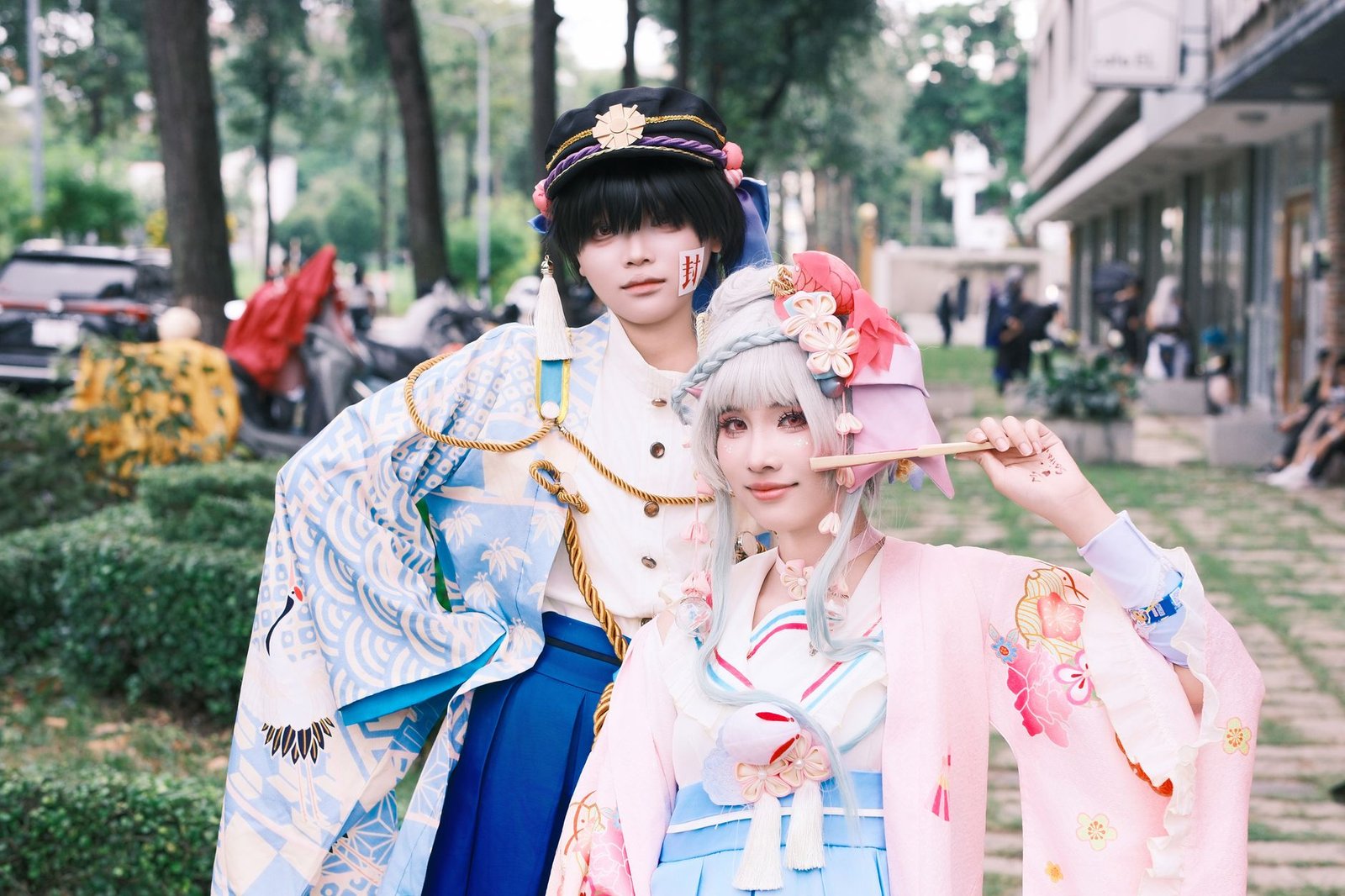
Japanese streetwear has been influencing global fashion since the 1990s, and the reasons why go deeper than aesthetic preference. Japanese streetwear culture is defined by an attitude toward clothing that treats garments as objects worthy of serious attention — their construction, their cultural references, their materials, and their relationship to the history of fashion and subculture are all considered with an intensity that is relatively rare in other streetwear markets.
The result is brands that operate with unusual rigour. Japanese streetwear labels invest in fabric development, construction techniques, and archival research in ways that produce pieces with a depth and longevity that fast-cycle trend streetwear rarely achieves. When a Japanese streetwear brand produces a hoodie or a pair of trousers, the likelihood is that significant thought has gone into every element of that piece — fabric weight, construction finish, hardware, fit, and the reference points it draws from.
The Founding Generation: Brands That Started It All
BAPE (A Bathing Ape)
NIGO’s A Bathing Ape is the brand most responsible for introducing Japanese streetwear to a global audience. Founded in 1993 in Harajuku, BAPE combined the visual languages of American hip-hop, Japanese graphic culture, and the camouflage obsession of military fashion into a brand identity that was immediately recognisable worldwide. The shark hoodie, the BAPESTA sneaker (a deliberate riff on the Air Force 1), and the ABC camo pattern are among the most-referenced visual objects in streetwear history.
BAPE’s scarcity model — limited production, single-brand stores, no wholesale — was adopted by a generation of streetwear brands worldwide. The cultural impact of BAPE on how streetwear operates as a business and cultural phenomenon cannot be overstated.
Neighborhood
Shinsuke Takizawa’s Neighborhood brand synthesises Japanese workwear, American motorcycle culture, and British punk into a visual language that has been consistently influential since its founding in 1994. The brand’s use of military, workwear, and biker references — bones, flames, American eagles — filtered through Japanese craftsmanship standards creates pieces that are recognisably rooted in subculture without being costume.
Undercover
Jun Takahashi’s Undercover operates at the intersection of streetwear and avant-garde fashion — the brand is as likely to be shown in a Paris fashion week context as it is to be sold in a streetwear boutique. Takahashi’s background in punk, new wave, and Japanese underground music informs Undercover’s graphic language and willingness to use clothing as a vehicle for subversive cultural commentary.
Craft-Led Japanese Streetwear Brands
Visvim
Hiroki Nakamura founded Visvim in 2000 with a philosophy of applying artisanal craft traditions from around the world to the construction of contemporary clothing and footwear. Visvim sources rare fabrics, dyes using traditional Japanese and global techniques, and constructs footwear with methods borrowed from Native American moccasin making. The brand’s prices reflect genuine material and labour costs — Visvim is not expensive because of brand premium but because of genuine craft investment.
Engineered Garments
Daiki Suzuki’s New York-based but Japanese-spirited brand applies Japanese workwear research and construction standards to American heritage clothing archetypes. Engineered Garments works entirely in the New York Garment District, using American fabrics and manufacturing while maintaining the Japanese design intelligence that informed its founding. The brand is a significant reference point for anyone interested in how Japanese craft sensibility can be applied to American clothing history.
Kapital
Kapital is the brand most obsessed with denim and American heritage clothing as Japanese folk art. Based in Kojima — Japan’s denim production capital — Kapital applies traditional Japanese dyeing, weaving, and fabric manipulation techniques to American garment archetypes. Indigo shibori-dyed western shirts, hand-stitched denim, kantha patchwork applied to American baseball jackets: Kapital treats the intersection of American and Japanese textile traditions as an art form.
Contemporary Japanese Streetwear Brands
Sacai
Chitose Abe’s Sacai brand has earned global recognition for its hybrid construction technique — the fusion of two distinct garment archetypes into a single piece. A Sacai design might combine a rugby shirt and a dress into one garment, or a puffer jacket and a blazer into a single silhouette. The technique applies Japanese precision construction to deconstructed Western fashion archetypes, producing pieces that exist in the gap between streetwear and luxury fashion.
White Mountaineering
Yosuke Aizawa’s White Mountaineering applies technical outdoor and mountain sports references to streetwear silhouettes with a specifically Japanese approach to proportion and material. The brand’s work is defined by its investigation of function — how outdoor clothing construction can be applied to urban dressing without losing either the technical performance or the streetwear aesthetic register.
WTAPS
Tetsu Nishiyama’s WTAPS is the brand most directly connected to the streetwear-as-uniform tradition in Japanese dressing. Military references — both American and Japanese — workwear construction details, and a deep preoccupation with the meaning and function of uniform clothing produce pieces that are simple in appearance but intensely considered in construction and cultural reference.
The Harajuku Influence on Global Streetwear
Harajuku — Tokyo’s youth fashion district — has been the origin point of several of the most influential streetwear aesthetics in global fashion. The area’s culture of subcultural dressing, where extreme personal expression through clothing is normalised and celebrated, produced aesthetic frameworks that filtered into mainstream global fashion years or decades after their origin in Harajuku youth subculture.
Decora (layered, maximalist kawaii accessories), Visual Kei (rock-influenced extreme styling), Gyaru (tanned, bleached-hair, heavily branded fashion), and street-specific hybrid aesthetics that defy easy categorisation all originated in Harajuku and influenced global streetwear’s willingness to treat personal styling as a form of cultural expression rather than simply following brand-dictated looks.
What Makes Japanese Streetwear Worth Collecting
Japanese streetwear brands at every price point tend to share several qualities that make their pieces worth collecting:
- Construction longevity — Japanese garment construction standards typically exceed equivalent pieces from other markets at the same price point
- Fabric investment — Japanese brands source and develop fabrics with unusual seriousness, producing materials that wear differently and age better than standard streetwear fabrics
- Cultural depth — the reference points in Japanese streetwear are typically researched and intentional rather than surface-level, giving pieces a cultural resonance that increases rather than decreases over time
- Scarcity — many Japanese streetwear brands maintain limited production volumes, making key pieces difficult to acquire at retail and strong in secondary market value
Frequently Asked Questions
What are the best Japanese streetwear brands?
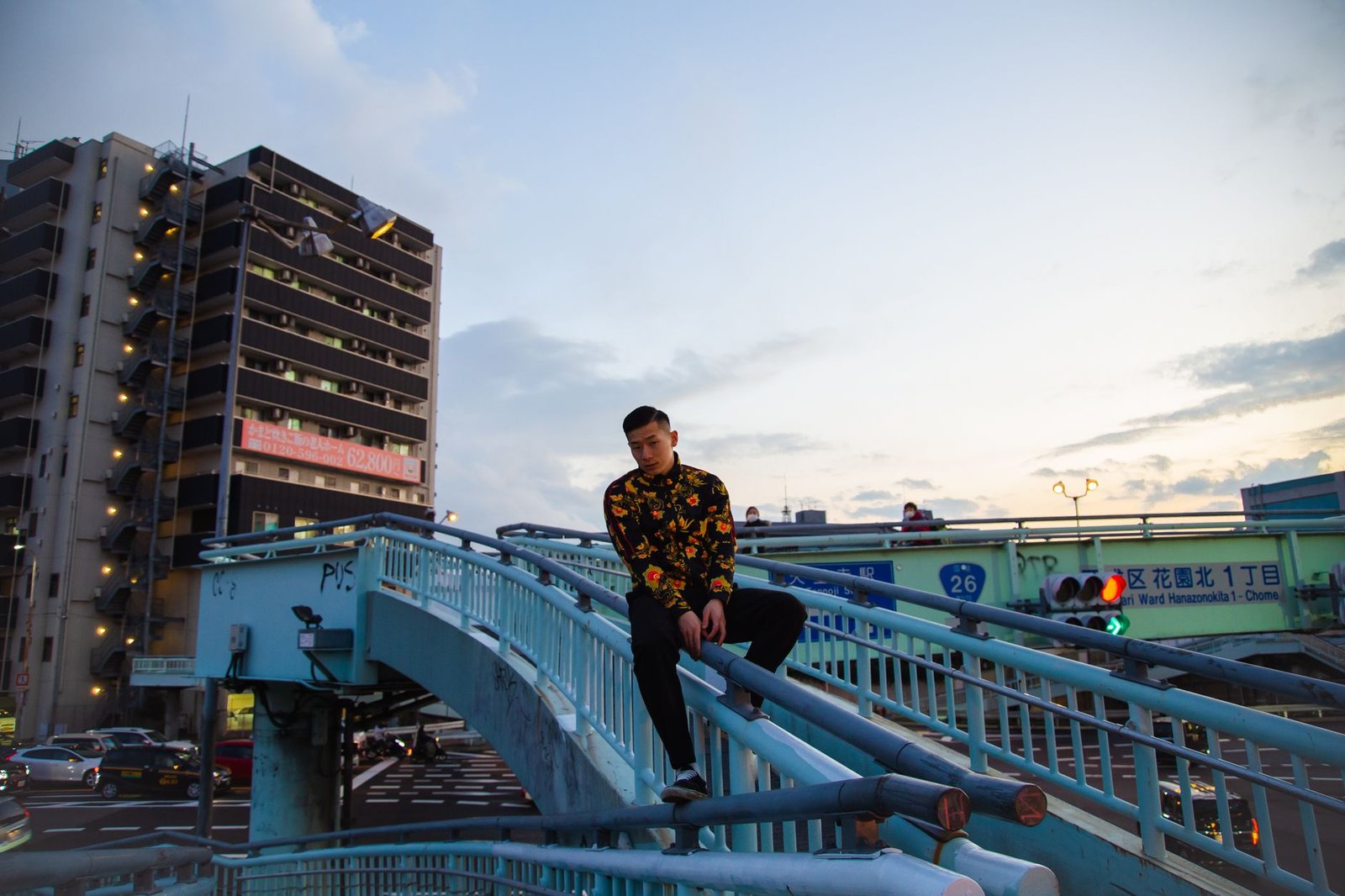
The most influential Japanese streetwear brands include BAPE for cultural impact, Visvim for craft, Neighborhood and WTAPS for workwear and military references, Sacai for hybrid construction, Kapital for denim and textile craft, and Undercover for the intersection of streetwear and avant-garde fashion. Each represents a different approach to what Japanese streetwear can be.
Is Japanese streetwear expensive?
Japanese streetwear ranges significantly in price. BAPE operates at a mid-to-premium price point.
Visvim and Kapital are among the most expensive streetwear-adjacent brands in the world, reflecting genuine craft costs. Newer Japanese brands and diffusion lines offer more accessible price points.
The general principle is that Japanese brands invest more in production quality per price tier than most equivalent non-Japanese brands.
How did Japanese streetwear influence global fashion?
Japanese streetwear introduced the concepts of limited production as cultural value, craft-level investment in streetwear production, and the serious treatment of subculture references as design research. The scarcity model pioneered by BAPE became the dominant operating model for global streetwear. Japanese precision in fabric development and construction raised expectations for what streetwear could be in terms of physical quality.
For a broader overview of the Japanese fashion market, Marie Claire’s guide to Japanese clothing brands worth knowing covers labels from luxury avant-garde to accessible contemporary, including several with streetwear roots.