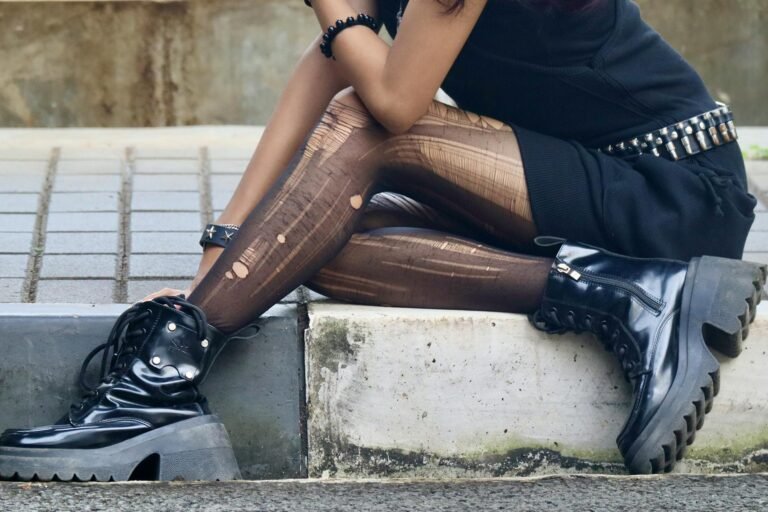

Best Streetwear Brands of 2026: The Labels Defining the Scene Right Now
How to Define the Best Streetwear Brands in 2026
Calling a brand one of the best in streetwear requires more than sales numbers or social media following. The labels that genuinely define the scene in 2026 do so through cultural positioning — the conversations they start, the collaborations they pursue, the communities they build, and the consistency of their creative vision across seasons and drops.
This list is built around that standard. It includes legacy brands that have maintained relevance without compromising their original identity, independent labels that have earned recognition through quality and community, and newer names that are actively reshaping what streetwear means in 2026. Price point is not a criterion — the best streetwear brands exist across every level of accessibility.
Legacy Brands Still Setting the Pace
Supreme
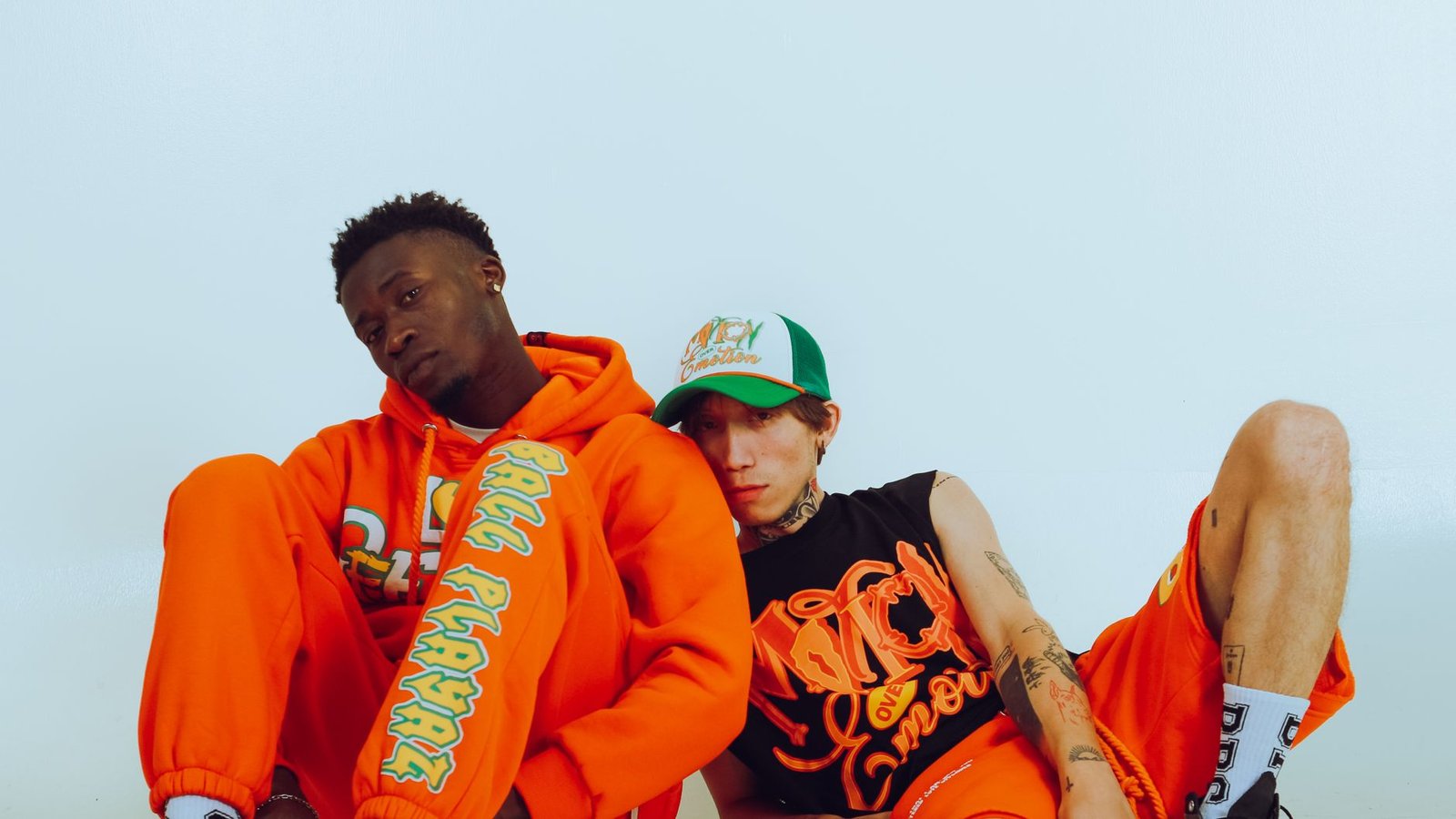
Supreme’s position as a cultural institution is secure regardless of how the ownership structure evolves. The box logo remains the most recognised symbol in streetwear, and the Thursday drop model continues to generate cultural moments even as competitors have adopted similar scarcity mechanics. Supreme’s collaboration programme — spanning art, music, skateboarding, and luxury fashion — is the standard against which all brand partnerships are measured.
What keeps Supreme relevant in 2026 is not novelty but consistency. The brand knows exactly what it is, executes it with craft, and does not attempt to please everyone. That clarity is increasingly rare.
Stüssy
Stüssy’s longevity — over four decades in operation — makes it the oldest brand on this list by a significant margin. Its continued relevance is not accidental. The brand has navigated multiple streetwear cycles without chasing each one, maintaining a core aesthetic rooted in surf, skate, and hip-hop culture that has proven broad enough to remain current without being generic.
The recent Nike and Dior collaboration chapters confirm that Stüssy still functions as a legitimising presence — when a brand partners with Stüssy, it signals streetwear credibility to a global audience.
Palace
Palace occupies a specific position that few brands manage: genuinely funny, visually sharp, and culturally credible without taking itself seriously. The London brand’s graphic language — irreverent, self-aware, and rooted in British skateboarding — reads distinctively against the more earnest aesthetic of most American streetwear brands.
Palace’s collaboration record (Adidas, Ralph Lauren, Moschino, Calvin Klein) demonstrates a rare ability to partner across completely different brand registers without losing its own identity in the process.
BAPE (A Bathing Ape)
BAPE’s camouflage prints and shark hoodies have been part of streetwear since the mid-1990s, making it one of the few brands whose visual language is genuinely iconic. In 2026 the brand continues to operate through limited releases, global flagship stores, and a collaboration programme that spans hip-hop, anime, and sports brands. The connection between BAPE and Japanese streetwear culture remains a foundational reference point for anyone engaging seriously with the genre.
Independent Labels Worth Following

Brain Dead
Brain Dead operates as a creative collective as much as a brand — its founders and collaborators include artists, musicians, and filmmakers whose work shapes the label’s output beyond clothing. The visual aesthetic is deliberately discordant: layered references from underground subcultures, horror films, post-punk music, and global folk art, rendered in a graphic language that resists easy categorisation.
Brain Dead’s retail spaces function as cultural venues — the Los Angeles flagship hosts films, records, and books alongside clothing — which reinforces the brand’s identity as something broader than a product line.
Awake NY
Angelo Baque built Awake NY from his experience as Supreme’s brand director, and the label carries that DNA — an understanding of scarcity, collaboration, and community as brand-building tools — while pursuing a distinct New York cultural identity. Awake NY’s work reflects the city’s immigrant cultures, its neighbourhood specificity, and its position at the intersection of art and street.
Aimé Leon Dore
ALD’s rise from a small Queens-based label to a brand with international recognition and a New Balance partnership is one of the defining brand stories of the early 2020s. The aesthetic — New York preppy filtered through basketball culture and Mediterranean heritage — is specific enough to be immediately recognisable while remaining broadly wearable. The Madison Avenue flagship has redefined what a streetwear retail space can look like.
Pleasures
Pleasures makes clothing for people who grew up in rock, metal, and underground music scenes — graphics rooted in that world, with quality and craft that outlasts the trend cycle. The brand’s collaborations with musicians and record labels rather than other fashion brands reinforce an authenticity that is increasingly difficult to manufacture.
New Names Changing the Scene in 2026
Art-Inspired Independent Labels
One of the most significant shifts in streetwear in 2025 and 2026 has been the growth of brands built around a single artist or art movement rather than a founding personality. These labels use clothing as a distribution mechanism for artistic work — limited prints, gallery-quality garment construction, and collaboration models that bring artists directly into the production process rather than licensing their work.
The best of these brands treat each drop as an exhibition, with context and intention behind every piece. They build audiences through artistic credibility rather than hype mechanics.
Community-First Brands
The post-pandemic shift in how people relate to brands has favoured labels that build genuine community infrastructure rather than simply cultivating online audiences. Community-first streetwear brands in 2026 organise events, create physical spaces, and invest in the scenes — skateboarding, music, basketball, art — that their clothing references. The brand becomes a membership rather than just a purchase.
What Makes a Streetwear Brand Great in 2026
Looking across the labels that are genuinely leading the scene in 2026, several common factors emerge:
- Creative consistency — a clear visual identity that persists across seasons and collaborations without becoming rigid
- Cultural specificity — a genuine connection to a specific subculture, city, or community rather than a generic streetwear aesthetic
- Craft investment — quality in construction, print, and material that justifies the price and outlasts the trend
- Collaboration intelligence — partnerships that expand the brand’s world rather than dilute its identity
- Community before marketing — building real relationships with the communities that matter to the brand before using those relationships as marketing material
Frequently Asked Questions
What are the best streetwear brands in 2026?

The best streetwear brands in 2026 include legacy labels like Supreme, Stüssy, Palace, and BAPE that have maintained cultural relevance across decades, alongside independent brands like Brain Dead, Awake NY, Aimé Leon Dore, and Pleasures that represent the current creative direction of the scene. Art-inspired independent labels are also emerging as a significant force, building brands around artistic credibility rather than hype mechanics.
How do I find new streetwear brands to follow?
The best way to find new streetwear brands is through the communities that streetwear comes from — skateboarding, music, basketball, and art scenes. Follow retailers rather than just brands, as stockists like Dover Street Market, END., KITH, and independent boutiques curate across labels and surface emerging names alongside established ones. Artist collaborations are also strong signals — when an established brand collaborates with an artist or label you do not recognise, that is often worth investigating.
Is streetwear still relevant in 2026?
Streetwear remains one of the dominant forces in global fashion in 2026. The definition of what counts as streetwear has expanded significantly — luxury houses continue to incorporate streetwear silhouettes and collaboration models, while independent streetwear labels increasingly operate with the craft standards and cultural seriousness of fine art. The scene is broader and more diverse than at any previous point in its history.
BAPE’s decades-long influence makes it one of the most important names in Japanese streetwear — a scene that has consistently produced some of the most culturally significant brands in the global streetwear landscape.
Several of the labels on this list — Off-White, Fear of God, and Balenciaga’s streetwear-adjacent lines — also appear in the category of luxury streetwear brands where craft standards and price positioning move beyond traditional streetwear into fashion house territory.
The art-inspired independent labels emerging in 2025 and 2026 are closely connected to the world of art print clothing — brands where visual artists drive the creative direction and each drop functions as a limited edition run rather than a seasonal collection.
The collaboration culture that defines brands like Supreme, Palace, and Stüssy has a long and documented history — our guide to streetwear collaboration history traces how brand partnerships became the primary mechanism for cultural credibility signalling in the scene.
WWD’s report on emerging streetwear brands to watch identifies five labels — including Palmes, Axel Arigato, and Vowels — that represent the current creative direction of the scene beyond the legacy names.