Streetwear Fashion History: How Street Culture Took Over the Fashion World
Where Streetwear Began
Streetwear did not emerge from a single moment or a single city — it crystallised from several simultaneous subcultural movements in the late 1970s and early 1980s, each of which was developing its own visual language through clothing. The three most direct sources were California surf culture, New York hip-hop culture, and the skateboarding scene that was growing across both coasts. What these movements shared was an orientation toward clothing as cultural communication — garments that identified where you were from, what you did, and which community you belonged to — rather than as status markers in the traditional fashion sense.
The mainstream fashion industry largely ignored these subcultures in the early 1980s. The brands and garments that became streetwear were made outside the fashion system, often by participants in the subcultures themselves, because the existing clothing industry was not producing what those communities wanted to wear. That outsider origin is fundamental to what streetwear has always been and continues to define how it operates even now that it sits at the centre of global fashion.
WWD’s deep-dive into five decades of streetwear disruption — from Shawn Stussy’s early surf-influenced T-shirts to the $309 billion global industry it became — provides essential context for understanding how the genre moved from subcultural niche to fashion’s dominant force.
The 1980s: Surf Roots and the First Streetwear Brands
Shawn Stüssy began printing his signature logo on surfboards in Laguna Beach in the early 1980s. When he started applying the same signature to T-shirts and selling them from his surfboard operation, something unexpected happened: the shirts found an audience far beyond the surf community. The visual language — the signature, the minimal graphic, the sense of cultural belonging it communicated — resonated with youth culture broadly.
Stüssy formalised the brand in 1984 and began distributing through a loose network of surf and skate shops. The International Stüssy Tribe — a global network of cultural figures across music, art, and fashion who were given pieces and became organic ambassadors — created the community distribution model that would define how streetwear spread for the next four decades. The brand grew without advertising, without mainstream retail, and without the fashion industry’s awareness or approval.
In New York simultaneously, the hip-hop scene was developing its own clothing language. Adidas track suits, Kangol hats, fat laces, and gold jewellery were the initial vocabulary — items from athletic and mainstream brands assembled into a visual identity that communicated belonging to a specific cultural moment. When Run-DMC wore Adidas without laces in their sneakers and referenced the brand in their music, they demonstrated that hip-hop culture had the power to transform how mainstream brands were understood.
The Early 1990s: Skate Culture and the Hype Economy
By the early 1990s, skateboarding culture had developed its own brand ecosystem — companies like Supreme, Foundation, Girl, Chocolate, and later Emerica producing clothing that was as much about subculture membership as about function. James Jebbia opened the original Supreme store in Lafayette Street, New York City, in 1994. The store’s layout — racks positioned around the perimeter so skaters could roll through — and the limited-edition, weekly-release model Jebbia developed created a new relationship between brand and consumer.
Supreme’s fundamental innovation was the scarcity model: producing deliberately limited quantities and releasing them on a schedule that created queues and community events around the purchase. This transformed buying clothing into a cultural activity — the queue, the release, the sell-out were as much a part of the brand experience as the garment itself. Every streetwear brand that operates a drop model in 2026 is using an operational template that Supreme developed in the mid-1990s.
Japanese Streetwear and the Harajuku Explosion
While American streetwear was growing from skate and hip-hop roots, Japan was developing a parallel streetwear culture that would prove equally influential. NIGO founded A Bathing Ape (BAPE) in Harajuku in 1993, applying the American streetwear template — limited production, cultural positioning, subcultural roots — to Japanese graphic design sensibility and the specific visual culture of Tokyo youth fashion.
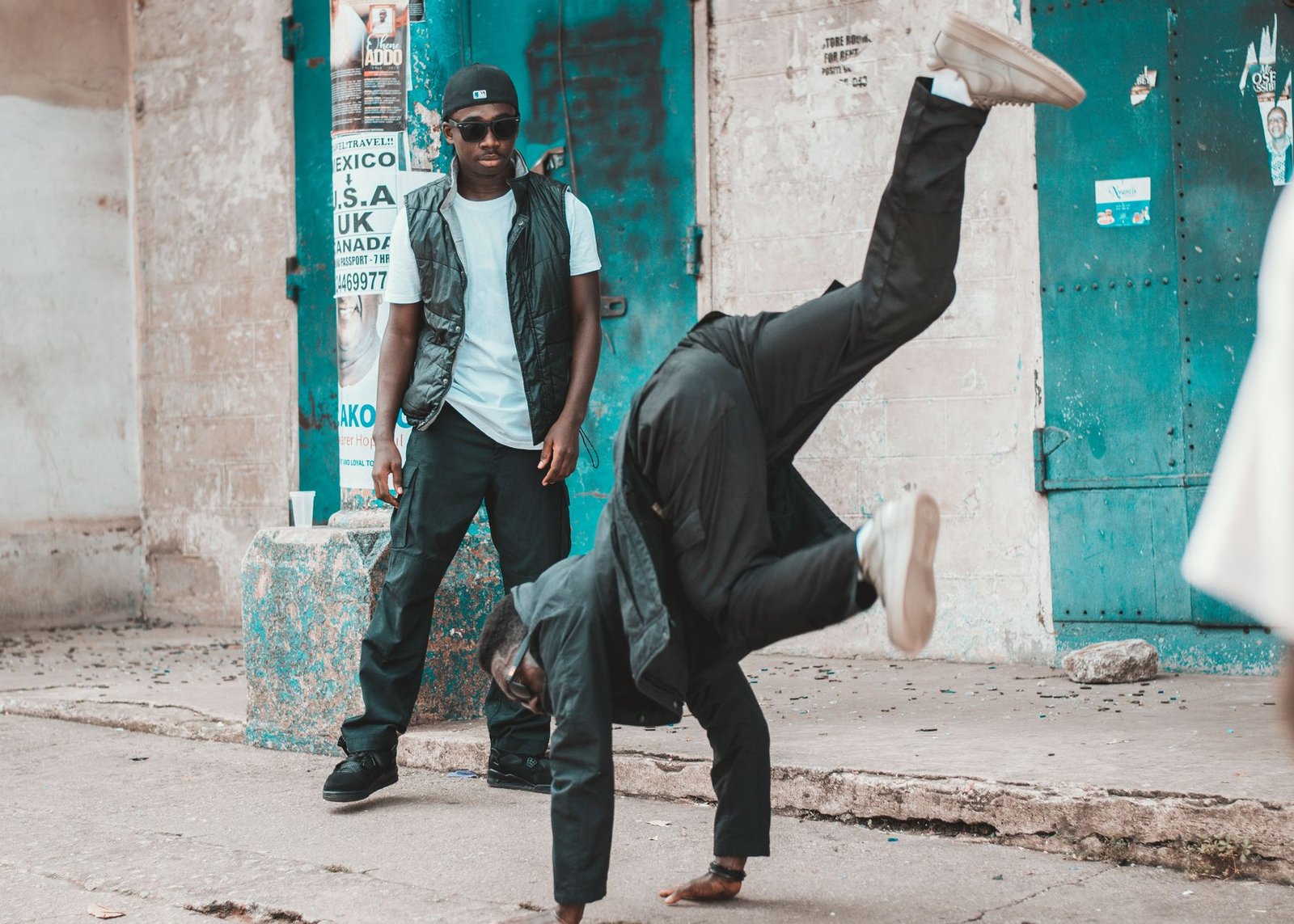
Harajuku’s concentration of youth fashion activity made it a crucible for visual innovation. The Japanese market’s willingness to treat clothing as serious cultural objects, combined with Japan’s exceptional garment manufacturing standards, produced streetwear with a craftsmanship level that American brands were not matching. When American hip-hop artists began visiting Tokyo and returning with BAPE pieces in the late 1990s and early 2000s, Japanese streetwear’s influence on global culture became direct and visible.
The 2000s: Mainstream Absorption and the Luxury Question
By the mid-2000s, streetwear had achieved mainstream cultural penetration. Hip-hop’s rise to global dominance as a musical and cultural form brought streetwear aesthetics — hoodies, caps, sneakers, graphic tees — to audiences far beyond the subcultures that had originated them. Brands like Sean John, Rocawear, and FUBU bridged hip-hop culture and mainstream fashion in ways that generated enormous commercial success and moved streetwear from subcultural niche to global youth fashion.
The streetwear community’s response to mainstream absorption was to seek authenticity in scarcity and specificity. Limited editions became more limited.
Collaboration culture intensified. The brands that maintained credibility were those that maintained genuine connections to the subcultures they came from rather than simply replicating the aesthetic for a mass audience.
The 2010s: Luxury Fashion Capitulates
The defining story of streetwear in the 2010s was luxury fashion’s response to streetwear’s cultural dominance. The moment that crystallised this shift for a global audience was Supreme’s collaboration with Louis Vuitton in 2017 — two brands from entirely different fashion worlds, collaborating on a collection that was both commercially enormous and culturally significant.
The LV x Supreme collaboration was not the beginning of luxury-streetwear dialogue — that had been developing for years through designer appointments, collaboration experiments, and the infiltration of streetwear silhouettes and references into luxury collections. But it was the moment that the fashion industry broadly understood that the cultural centre of gravity had shifted: luxury fashion now needed streetwear’s credibility as much as streetwear brands had historically aspired to luxury’s craft standards.
Balenciaga under Demna Gvasalia, Off-White under Virgil Abloh, and the evolution of Gucci, Givenchy, and Dior under streetwear-literate creative directors consolidated this shift through the 2010s. By the end of the decade, the streetwear aesthetic had penetrated every level of fashion from fast fashion to haute couture.
The 2020s: Maturity and Fragmentation
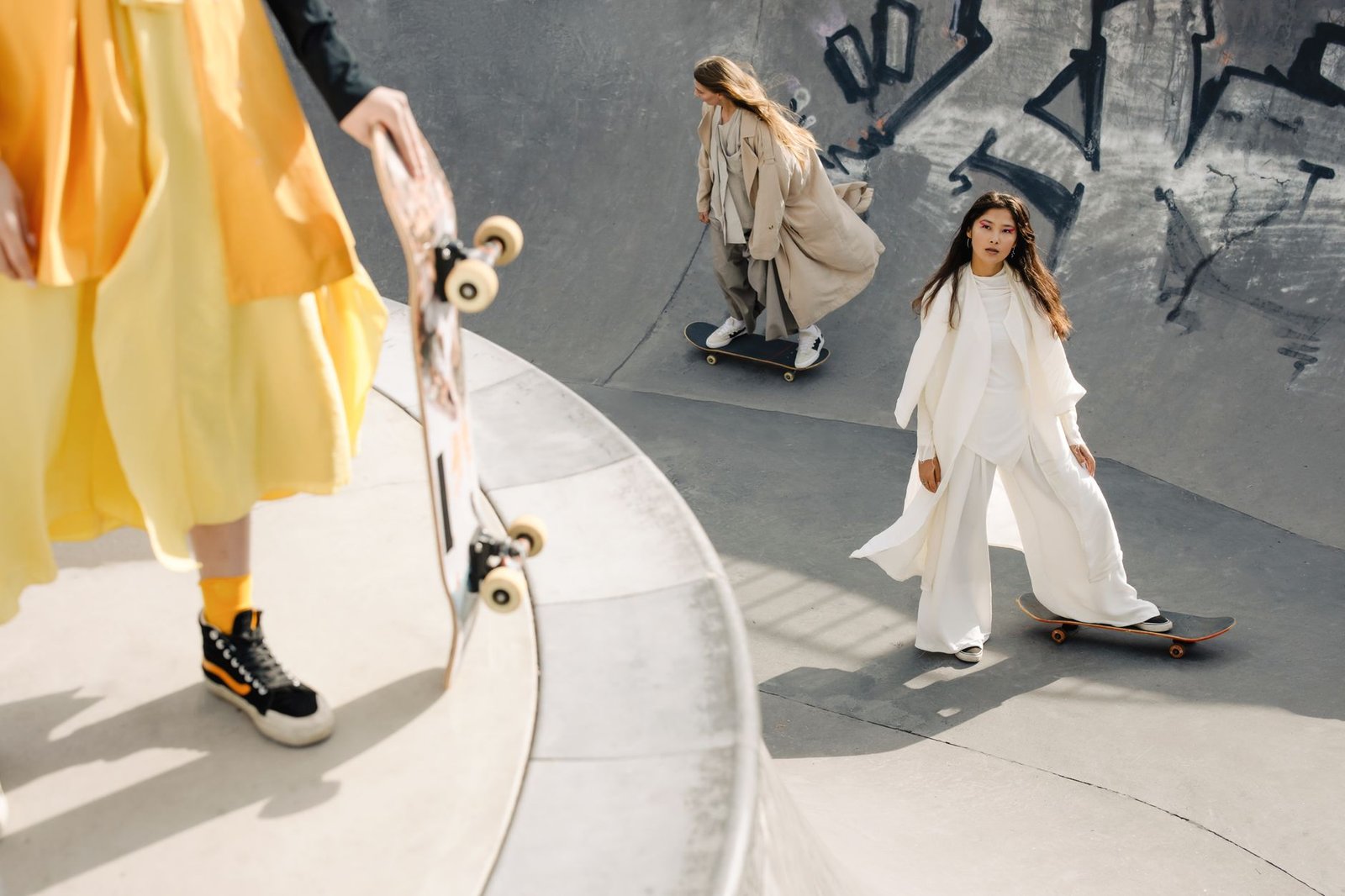
Streetwear in the 2020s is both ubiquitous and fragmented. Its visual language — oversized silhouettes, graphic content, sneaker culture, drop-model scarcity — has been absorbed by the entire fashion industry, which means that streetwear’s original function as a marker of subcultural belonging has become harder to sustain at the level of the main scene.
The response within streetwear culture has been further specialisation: smaller, more specific communities developing more rigorous and less commercially legible aesthetics; a return to craft and construction quality as markers of authenticity in a world where the aesthetic surface of streetwear is universally available; and the growth of art-inspired, community-first, and artist-led labels that bring genuine creative practice to the streetwear format.
The most interesting part of this specialisation is the rise of independent and emerging streetwear labels that prioritise craft and visual identity over hype mechanics — brands that treat each drop as an edition rather than a product launch.
In 2026, streetwear’s history is old enough to be studied, anthologised, and referenced as heritage — creating the interesting condition where some of the most authentic streetwear activity involves engaging seriously with the genre’s own history rather than rejecting it.
Frequently Asked Questions
When did streetwear start?
Streetwear emerged from surf, skate, and hip-hop subcultures in the late 1970s and early 1980s, crystallising into a recognisable fashion category in the mid-1980s with brands like Stüssy and in the mid-1990s with brands like Supreme. The Japanese streetwear scene developed in parallel from the early 1990s, with BAPE founding in 1993 as the clearest marker of Japanese streetwear’s emergence as a global influence.
How did streetwear become mainstream?
Streetwear became mainstream through the global cultural dominance of hip-hop music in the late 1990s and 2000s, which brought streetwear’s aesthetic vocabulary to mass audiences worldwide. The process accelerated through the 2010s as luxury fashion houses hired streetwear-literate designers into senior creative roles and began collaborating directly with streetwear brands — culminating in collaborations like Supreme x Louis Vuitton that demonstrated the complete convergence of street and luxury fashion.
What is the future of streetwear?
Streetwear in the mid-2020s is evolving toward greater specificity and craft quality — art-inspired labels, community-first brands, and creators who apply genuine artistic practice to the streetwear format are the most vital parts of the current scene. The aesthetic surface of streetwear is now universal; the most interesting activity happens in the specific, the community-rooted, and the creatively rigorous corners of the broader category.