Emerging Streetwear Brands to Watch in 2026
Why Emerging Brands Matter in Streetwear
Streetwear has always been powered by the margins — small, independent labels operating outside mainstream distribution, building audiences through subcultural credibility rather than advertising spend, and producing limited quantities that create genuine scarcity rather than manufactured hype. The legacy brands of today were the emerging brands of a decade or two ago. Watching the current emerging tier is watching the cultural evolution of the scene in real time.
In 2026, the conditions for emerging streetwear brands have shifted significantly. Direct-to-consumer digital distribution, global social media reach, and increasingly accessible manufacturing infrastructure mean that small labels can achieve genuine international audiences without the retail and wholesale infrastructure that would have been required ten years ago. The result is more brands with genuine creative ambition operating at smaller scales than at any previous point in streetwear history.
What to Look For in an Emerging Brand
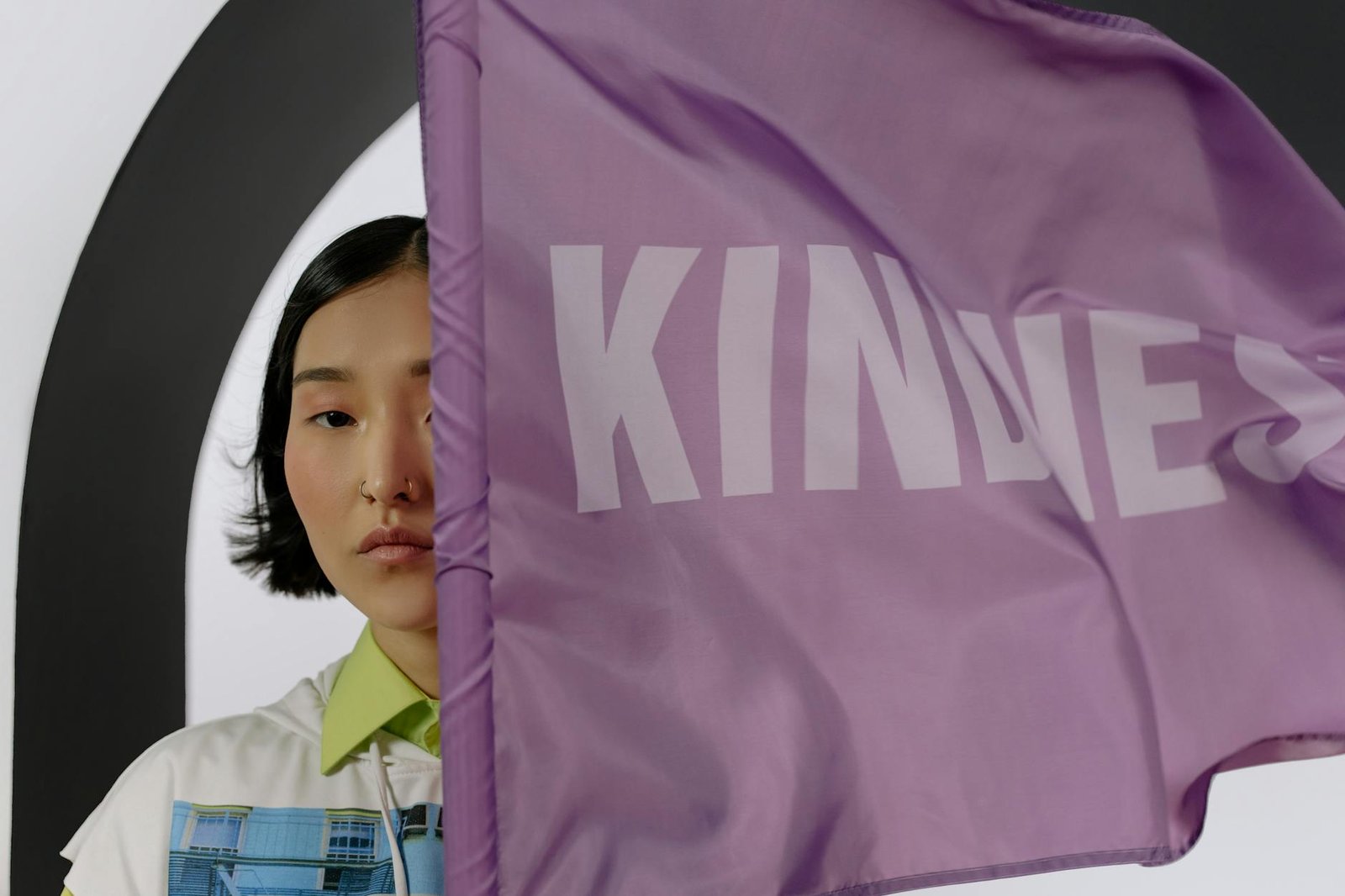
Not every brand that presents itself as emerging streetwear is worth following. The signals that separate genuinely interesting emerging brands from brands that are simply new:
Highsnobiety’s roundup of the streetwear brands defining the scene in 2026 shows the range from established labels to newer names — useful context for understanding where an emerging brand sits relative to the broader landscape and which qualities actually distinguish lasting brands from short-lived hype.
- Specific visual identity — the brand has a coherent visual language that is immediately recognisable and distinct from generic streetwear references
- Community before marketing — the brand built an audience through genuine cultural participation before starting advertising. The community came to the brand, not the other way around.
- Craft investment visible in the product — the pieces are made with care. Fabric, construction, and print quality reflect genuine investment in the product rather than minimum viable quality to support hype.
- Cultural specificity — the brand comes from a specific place, scene, or set of references and that specificity is evident in everything it produces
Art-First Emerging Labels
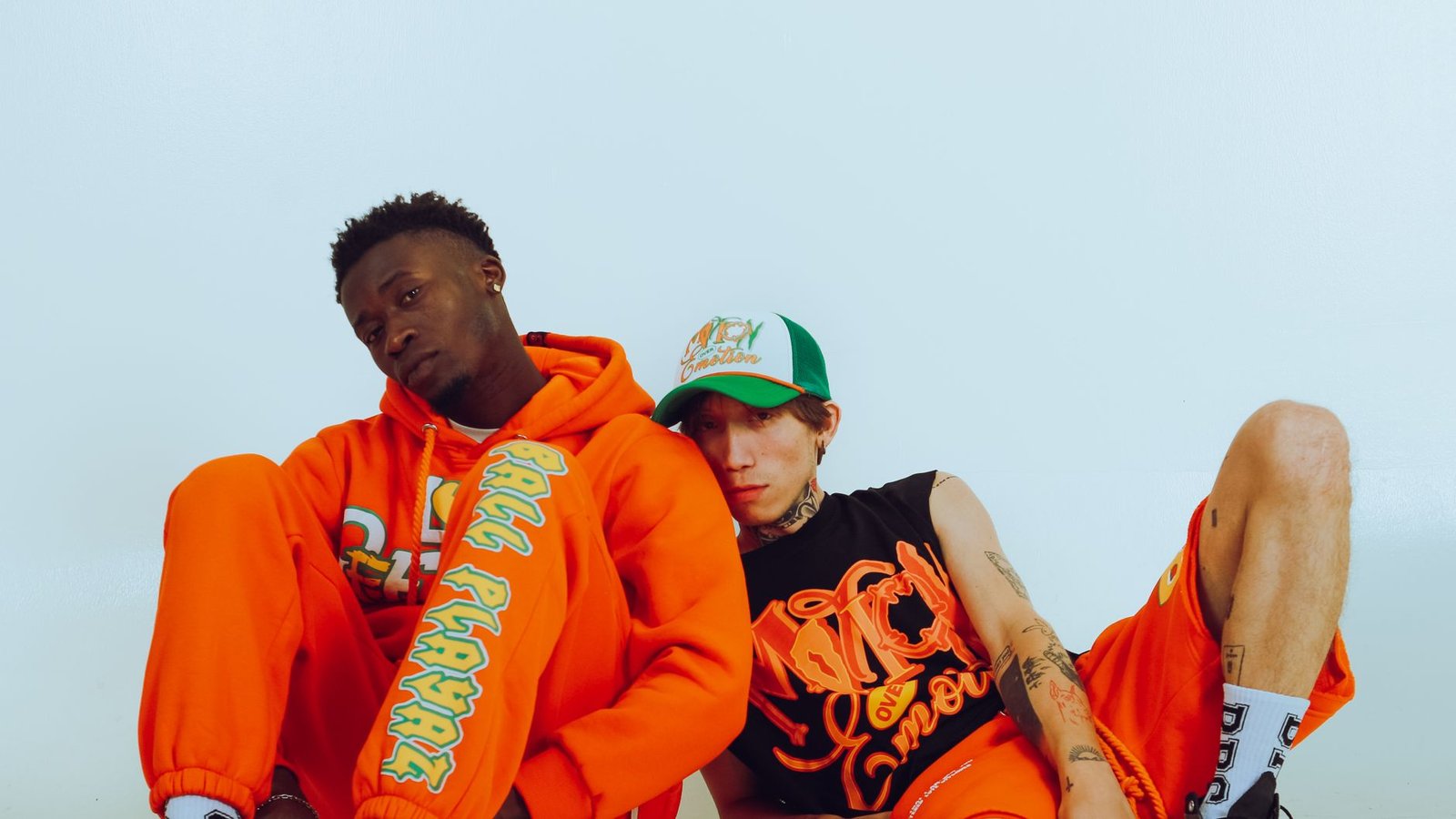
One of the strongest emerging trends in independent streetwear in 2026 is labels founded by visual artists who use clothing as an extension of their art practice rather than the primary commercial objective. These brands are worth following because the creative integrity is often higher than in brands founded primarily for commercial reasons — the art drives the clothing, rather than the clothing driving the branding.
What to look for in art-first emerging labels:
- A coherent body of visual work outside the brand itself (an art practice, a design portfolio, a photography project)
- Limited production that treats each drop as an edition rather than a product launch
- Documentation of the creative process — how the visual work was made and what it references — rather than purely marketing content
- Pricing that reflects genuine production quality rather than hype premium
Community-Built Labels
The emerging brands with the strongest long-term potential in 2026 are those that emerge from existing communities rather than creating communities around themselves. A brand founded by and for a specific skateboarding scene, music community, or artistic collective has an authentic relationship with its audience that pure fashion brands cannot replicate.
Understanding why community matters so much requires knowing how streetwear built its foundations — the genre was born from communities before it was ever commercialised, and the brands that lasted were those that maintained genuine cultural roots rather than replicating streetwear’s aesthetic for a mass audience.
These community-built brands often appear on radar gradually — a few pieces being worn within a specific scene, organic word of mouth spreading the brand beyond its origin community, growing recognition without aggressive marketing. Following the communities you are genuinely part of or interested in is the best way to find these brands before they become mainstream.
Gradient and Colour-Led Emerging Brands
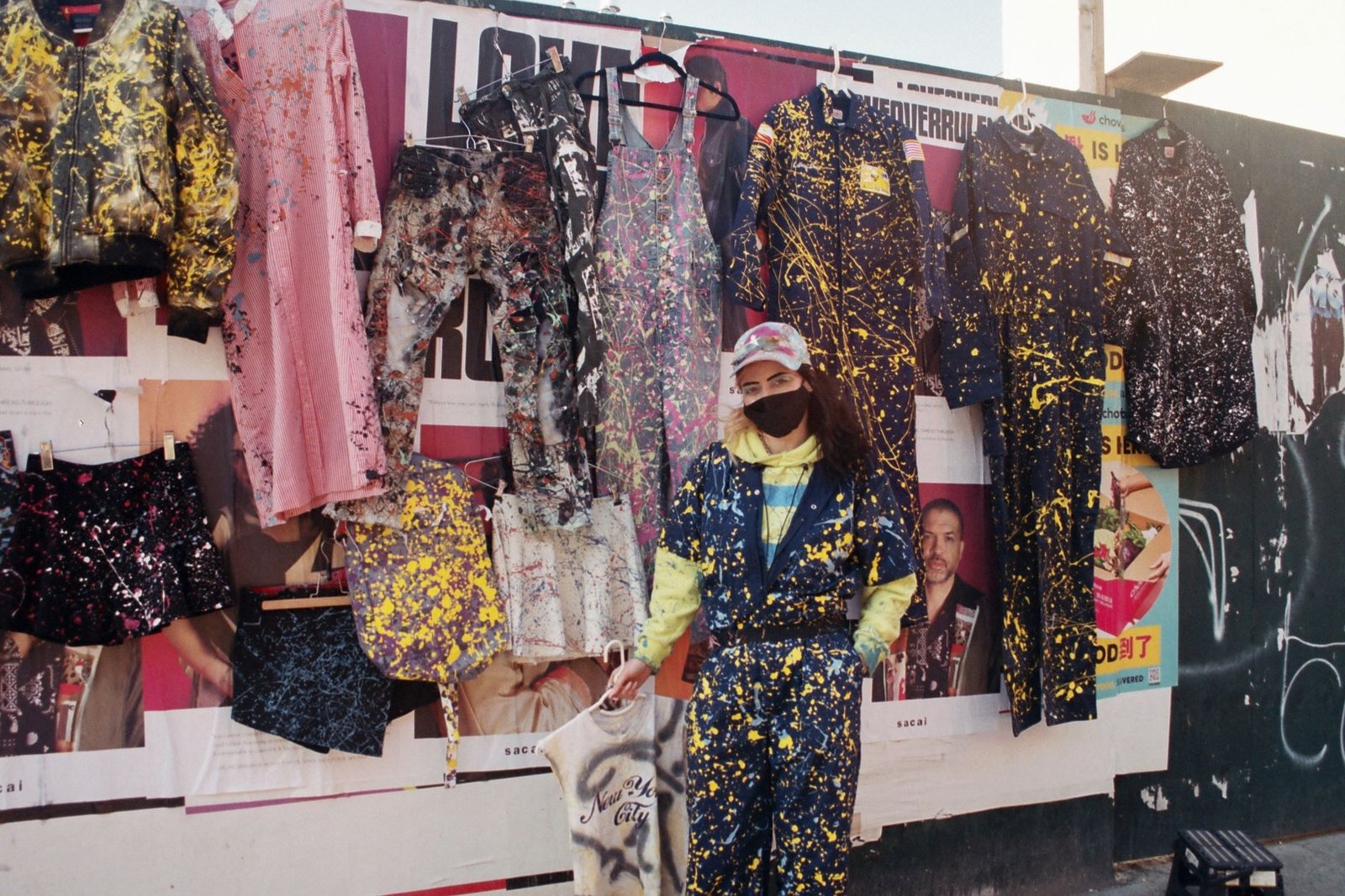
Within the art-inspired streetwear space, a specific tier of emerging brands in 2026 is focused on colour as the primary design language — gradient printing, ombre dyeing, colour field compositions on garments. These labels are particularly interesting because they occupy a market position that established streetwear brands rarely explore with seriousness: colour as art, not just branding.
The best emerging colour-led brands in this space:
- Develop their own gradient palettes as seasonal identities rather than using generic sunset or rainbow fills
- Invest in print quality — full-coverage, high-opacity printing on heavy base garments — that matches the ambition of the visual design
- Build visual worlds that extend beyond clothing into creative content, print editions, and art-directed campaigns that treat the colour work as a coherent body of visual output
Technical and Functional Emerging Streetwear
A growing tier of emerging streetwear brands in 2026 is engaging with technical and functional garment construction from a design-first perspective — applying performance fabric technologies and functional detail vocabularies to streetwear silhouettes and cultural references. This is the emerging brand sector most in dialogue with gorpcore and the outdoor-influenced aesthetics that have been growing in streetwear since the early 2020s.
These brands are interesting because they require genuine product development investment — working with technical fabric suppliers, developing functional construction details, testing performance in actual use conditions. The bar for credibility is higher than for graphic-led brands, and the brands that clear it are typically worth following closely.
How to Find Emerging Streetwear Brands
The best methods for discovering emerging streetwear brands before they achieve mainstream recognition:
- Follow the retailers — stockists like Slam Jam, Dover Street Market, SSENSE, and specialist boutiques curate emerging labels alongside established names. What they choose to stock is a reliable signal of genuine creative quality.
- Follow the communities — the brands worn by people who are genuinely embedded in skateboarding, music, basketball, or art scenes tend to be more creatively serious than brands that target those communities from the outside
- Follow artists and creatives — emerging brands often appear first in the wardrobes of visual artists, musicians, and creatives who are part of the same scene as the brand founders
- Follow the fabric suppliers — technical and quality fabric suppliers (Schoeller, Polartec, Thermore) who make their partnership brands public signal quality investment in any brand that works with them
Supporting Emerging Brands

Buying from genuine emerging brands — particularly art-first and community-built labels at early stages — has a different relationship dynamic than buying from established brands. The purchase directly supports the founder’s ability to continue creating, and the pieces produced at these scales are typically more limited, more considered, and more likely to appreciate in both emotional and material value over time.
The best approach to supporting emerging brands is to buy pieces you genuinely want to wear rather than buying for speculative resale — the brands most worth supporting are those creating things that deserve to be worn, not just collected.
Frequently Asked Questions
How do you find emerging streetwear brands?
Follow specialist retailers and curated stockists who surface emerging labels alongside established ones. Follow the communities — skateboarding, music, basketball, art scenes — that streetwear draws from, and pay attention to what the people most embedded in those communities are wearing. Follow visual artists and creatives whose work you admire, as emerging brand founders are often part of the same creative networks.
What makes an emerging streetwear brand worth following?
A specific visual identity distinct from generic streetwear references, community before marketing, visible investment in product craft, and cultural specificity — the brand comes from somewhere real and that reality is evident in everything it produces. Brands that check these criteria are building something with genuine longevity; brands that only have hype mechanics are typically not worth following long-term.
Are emerging streetwear brands good investments?
Key pieces from emerging brands with genuine creative credibility have a track record of appreciating in resale value, particularly when the founder or brand subsequently achieves significant mainstream recognition. Beyond resale, the purchase supports independent creative practice and gives you access to pieces that will remain visually distinct as the brand grows and becomes less exclusively available.