Streetwear Graphic Design: How Visual Art Became the Language of Fashion
Graphics as Streetwear’s Core Language
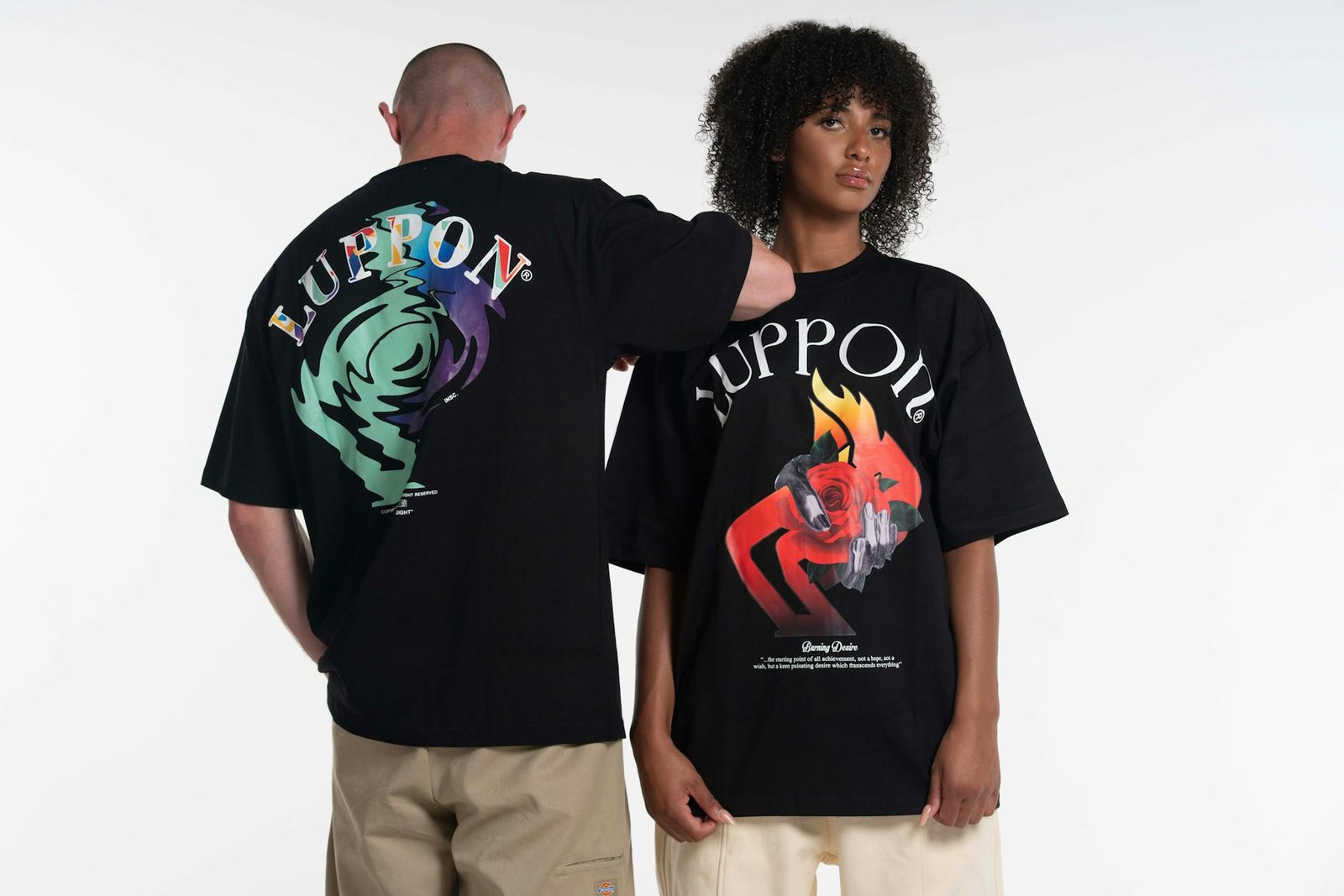
Streetwear communicates primarily through graphics. Where traditional fashion used fabric, silhouette, and construction as its primary communicative tools, streetwear uses the graphic — the image, text, or visual symbol applied to the surface of a typically simple garment — as the primary vehicle for cultural meaning. The streetwear graphic is both a design object and a cultural text: it communicates brand identity, subcultural affiliation, artistic reference, political position, and personal identity simultaneously, typically from the surface of a plain cotton tee or hoodie.
This centrality of graphic design to streetwear’s communicative system gives the discipline a cultural significance in the streetwear world that it rarely achieves in traditional fashion. In streetwear, the graphic designer is often as important as the garment designer — the image on the tee is as much the product as the tee itself.
The History of Streetwear Graphic Design
Surf and Skate Roots: The 1970s and 1980s
The visual language of early streetwear graphics emerged from the subcultures of California surf and skate culture in the late 1970s and early 1980s. Brands like Stüssy, Santa Cruz, and Thrasher developed graphic identities that were simultaneously brand logos and cultural symbols — their typefaces, imagery, and visual styles communicated membership in specific subcultures as directly as the words themselves. The Thrasher flame script and the Santa Cruz screaming hand are among the most recognisable early examples of streetwear graphics functioning as cultural insignia rather than simply as brand identification.
For deeper context on how these subcultural roots shaped the entire streetwear movement, our streetwear fashion history guide traces the full arc from skate culture origins to global fashion dominance.
New York Hip-Hop Graphics: The 1980s and 1990s
New York hip-hop culture in the 1980s and 1990s contributed a completely different graphic language to emerging streetwear — one drawing from graffiti’s bold letterforms and aerosol aesthetics, from the visual culture of record labels and music promotion, and from the ambitious, maximally expressive visual traditions of urban mural and subway art. Dapper Dan’s custom Gucci and Louis Vuitton-adjacent graphics in Harlem in the late 1980s represented an early and influential moment where luxury brand graphics were appropriated and transformed by a streetwear context — a cultural gesture that anticipated the Supreme x Louis Vuitton collaboration by three decades.
Highsnobiety’s detailed feature on how hip-hop shaped streetwear and fashion covers the full cultural history of this relationship — from the Bronx to global luxury brand collaborations.
Supreme and the Box Logo
James Jebbia’s Supreme, founded in 1994, developed what is arguably streetwear’s most influential graphic identity: the red box with white Futura heavy oblique typeface. Originally derived from Barbara Kruger’s activist art typography, the Supreme box logo’s power comes from its extreme simplicity and legibility — a red rectangle and a typeface, and nothing more. The logo’s cultural power is entirely a function of the community and scarcity system around it rather than any inherent design complexity.
Artist Collaborations and Fine Art References
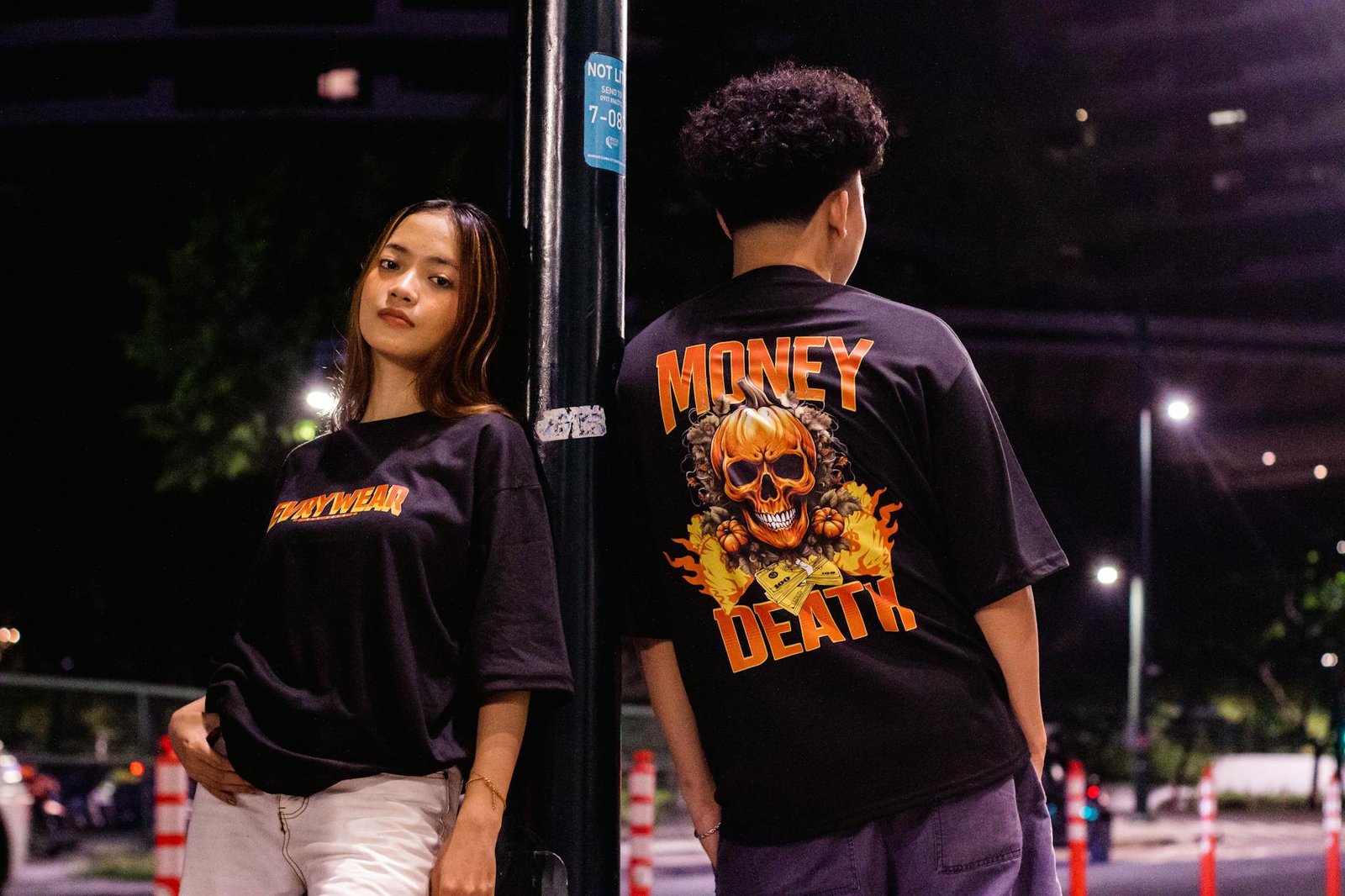
The integration of fine art into streetwear graphics has been one of the most culturally significant developments in the discipline’s history. KAWS’s cartoon-adjacent character work, Futura 2000’s abstract spray-paint aesthetic, and the work of dozens of artist-brand collaborations have created a visual tradition in streetwear that sits at the intersection of fine art, graphic design, and commercial fashion in a way that no other fashion category achieves. The streetwear graphic tee has become a legitimate vehicle for fine art distribution — artists who work in the streetwear space reach audiences that galleries cannot.
Current Directions in Streetwear Graphic Design in 2026
Digital Art and Illustration
The growth of digital art communities and the accessibility of high-quality digital illustration tools have significantly expanded the pool of artists contributing to streetwear graphics. Instagram and TikTok-native artists with large followings can independently produce and sell graphic tees and hoodies featuring their work — the democratisation of both illustration tools and direct-to-consumer distribution has created an independent streetwear graphics economy that operates outside the major brand system.
Nostalgic Reference and Era Graphics
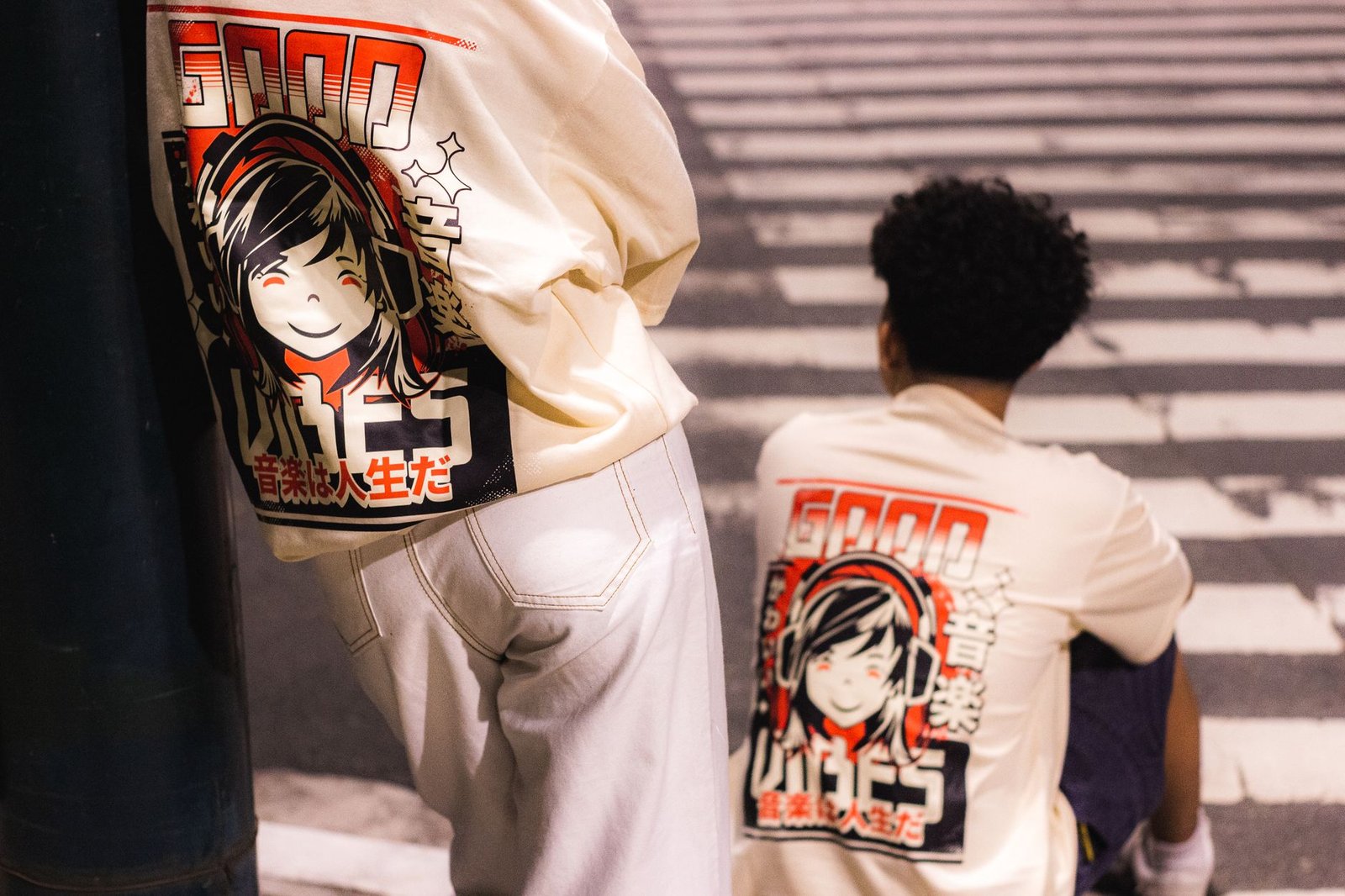
Early-2000s, 1990s, and 1980s graphic references — the specific typefaces, visual styles, and colour treatments of each decade’s commercial and subcultural graphic design — are widely used in contemporary streetwear as nostalgic visual language. The Y2K revival’s fashion impact has a direct graphic design equivalent in the return of early-2000s graphic aesthetics: bubbly 3D typography, specific colour gradients, and the visual culture of early internet and gaming culture.
Social Justice and Political Graphics
The tradition of political graphics in streetwear — present since the early days of the form through punk’s political content and hip-hop’s social commentary — has grown significantly in the 2020s as streetwear brands and independent artists have used graphic clothing as a vehicle for political and social justice messaging. The graphic tee’s visual reach — worn in public, photographed on social media — makes it an effective distribution vehicle for political visual content.
How to Build an Art-Influenced Streetwear Wardrobe
Building a streetwear wardrobe with a genuine art-graphic focus requires seeking out artists rather than brands as the primary selection criterion. Independent artists producing limited graphic tees, original illustration-based designs from small brands, and collaborations between artists you genuinely know and appreciate will create a more personally meaningful and visually distinctive wardrobe than assembling recognisable brand logos. The streetwear graphic’s cultural value comes from the specificity and depth of the reference — wearing an artist’s work communicates knowledge and genuine aesthetic engagement.
For guidance on building the rest of your streetwear wardrobe around graphic pieces, the high-low streetwear and luxury styling guide covers how to pair graphic tees with elevated pieces to create a sophisticated, culturally aware wardrobe.
Frequently Asked Questions
Why is graphic design so important in streetwear?

Streetwear communicates primarily through graphics because its foundational garments — tees, hoodies, caps — are structurally simple and carry meaning only through their surface content. The graphic on a streetwear piece communicates brand identity, subcultural affiliation, artistic reference, and personal identity in a way that the garment’s silhouette or construction cannot. The graphic designer’s work is therefore as central to streetwear’s cultural meaning as any other design discipline in the field.
Our sustainable fashion guide covers how buying graphic tees from independent artists and smaller brands — rather than mass-produced fast fashion — supports both the creative ecosystem and more responsible consumption practices.
How do I find independent streetwear artists?
Instagram and TikTok are the primary discovery platforms for independent artists working in streetwear graphics. Searching aesthetic-adjacent hashtags, following streetwear publications and community accounts, and exploring art-focused streetwear platforms like Depop and independent brand websites are the most effective discovery approaches. Independent streetwear artists who produce original graphic work tend to have limited production runs — buying when the work is available rather than waiting for restocks is typically necessary.