Japanese Fashion Aesthetics: The Complete Guide to Japan’s Style Movements
Why Japanese Fashion Culture Matters Globally
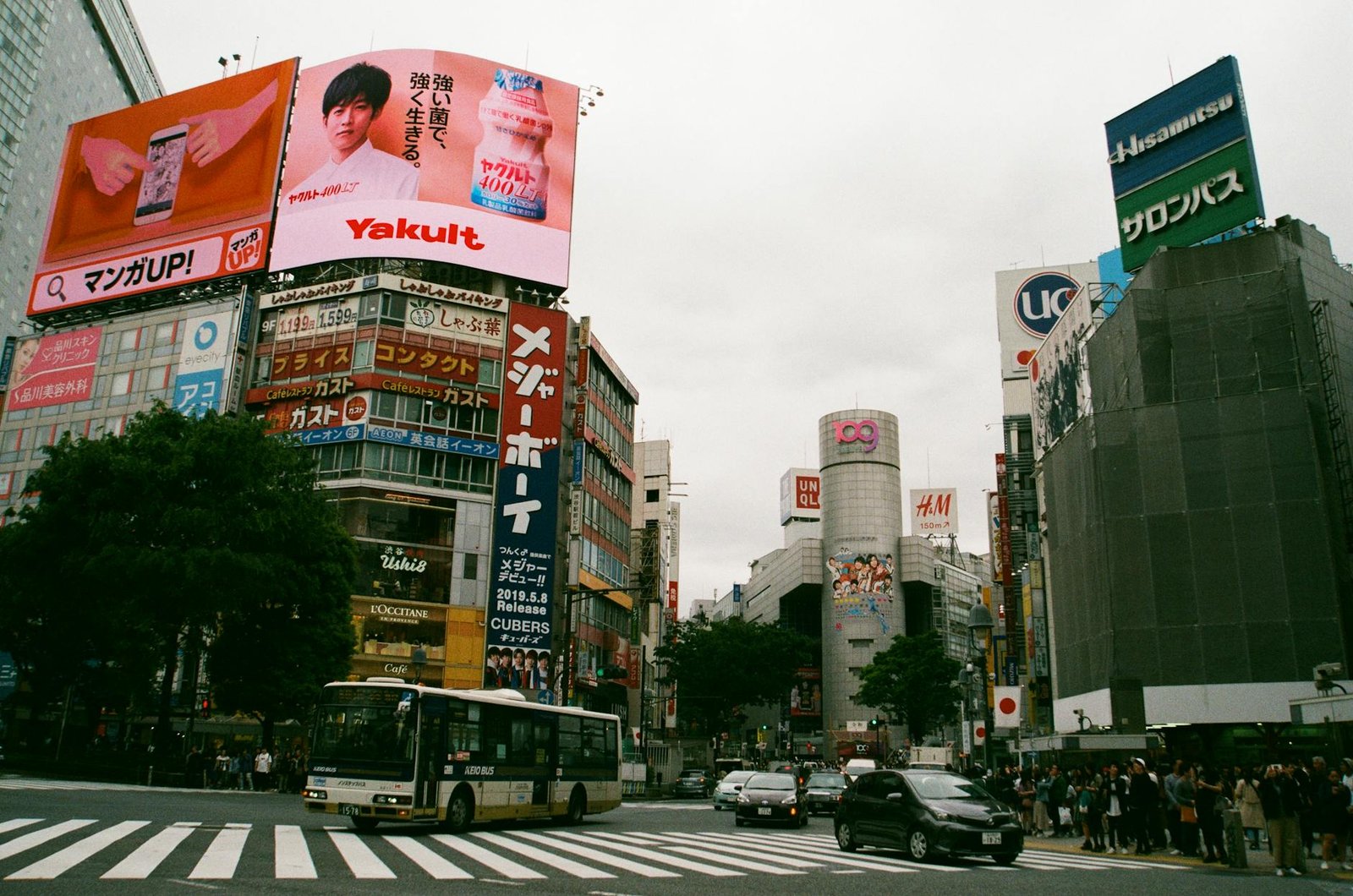
Japan produces the most diverse, original, and technically accomplished fashion culture in the world. Where other countries’ fashion cultures are largely organised around a single commercial centre (Paris, Milan, New York), Japanese fashion contains multitudes: extreme maximalist subcultures in Harajuku, rigorous minimalist luxury in Tokyo department stores, workwear and military surplus repurposing in Osaka, and the vast underground of independent designers, vintage dealers, and subcultural communities that make Tokyo one of the most important fashion cities on earth.
The influence of Japanese fashion on global streetwear and independent fashion design cannot be overstated. The intellectual rigour of designers like Rei Kawakubo (Comme des Garçons) and Yohji Yamamoto helped establish the principles of conceptual fashion design that independent designers worldwide now take as standard.
Japanese streetwear brands like A Bathing Ape and Neighborhood directly shaped global streetwear culture. Japanese vintage markets set global standards for archival clothing curation.
Understanding Japanese fashion aesthetics is essential context for understanding where global fashion comes from and where it is going.
Harajuku and Its Subcultures
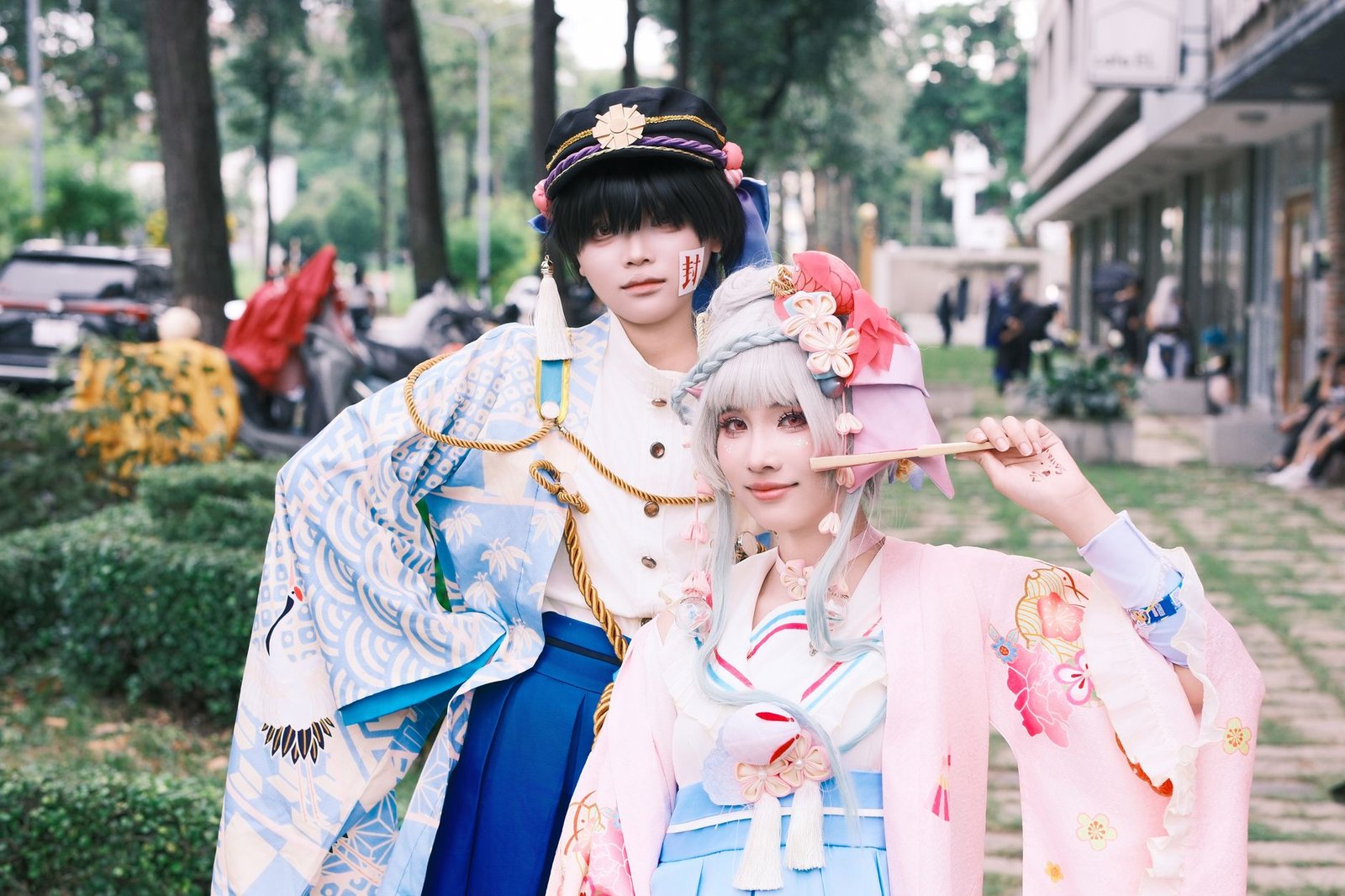
Harajuku — the neighbourhood in Tokyo adjacent to the Meiji Shrine — became the global symbol of Japanese fashion subculture from the 1990s onward. The area’s pedestrian shopping streets and the weekly cosplay gatherings in Yoyogi Park created a concentrated showcase of Japan’s most extreme and creative fashion subcultures.
Decora
Decora (from “decoration”) is a maximalist style characterised by the layering of excessive amounts of colourful accessories — plastic clips, hairbands, badges, bracelets, colourful socks — over pastel-coloured clothing. The decora aesthetic is deliberately childlike, exuberant, and visually overwhelming. The aesthetic’s logic is additive rather than subtractive — more is always more, and the visible density of decoration is itself the aesthetic statement.
Lolita Fashion
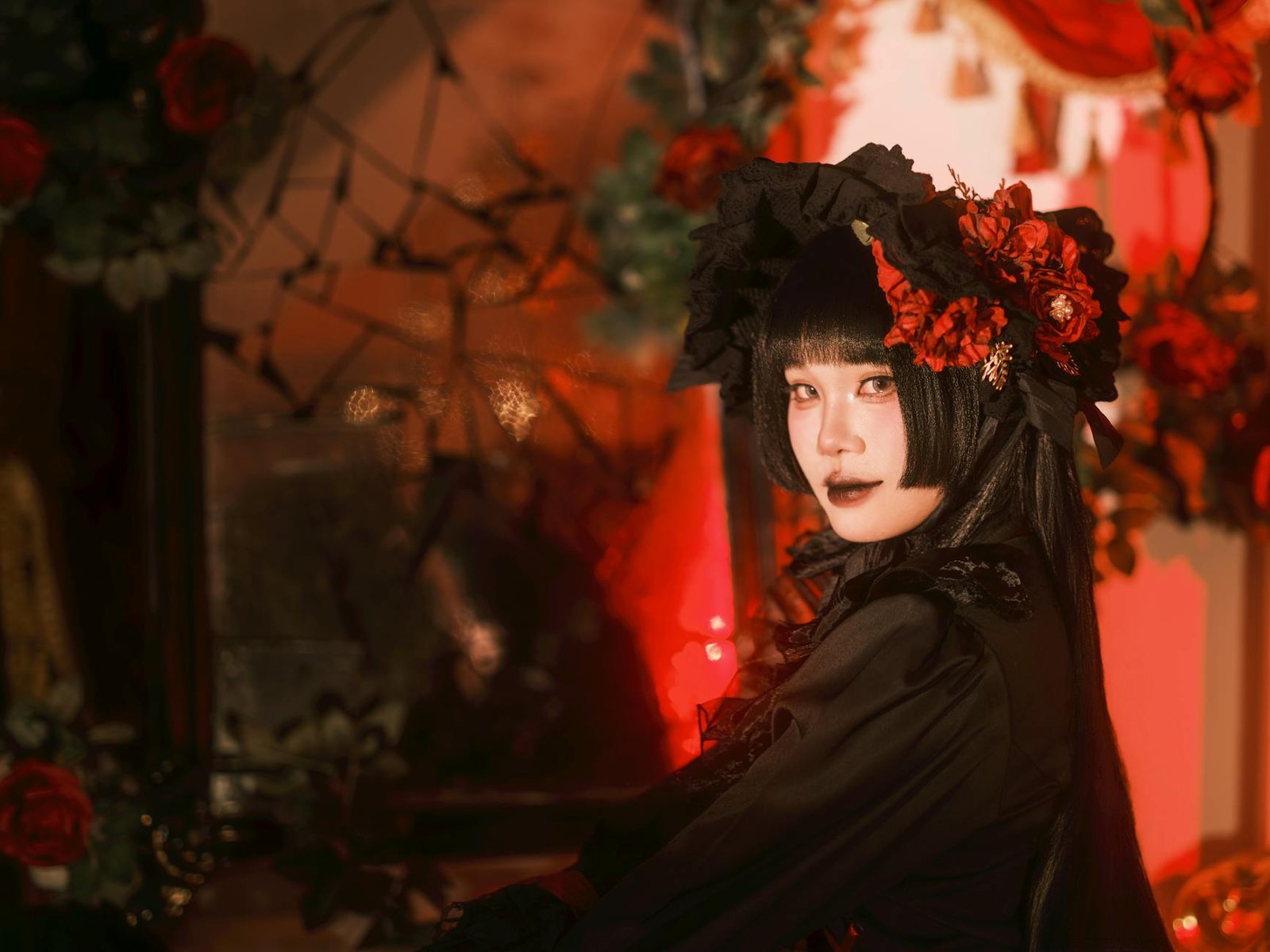
Lolita fashion is one of the most codified and internally diverse Japanese fashion subcultures. The aesthetic draws from Victorian and Edwardian childrenswear — petticoats, lace, bows, ruffles, Mary Janes — but reimagined as adult fashion with its own elaborate rules of construction and categorisation.
The major Lolita substyles include Sweet Lolita (pastel colours, childlike motifs), Gothic Lolita (black and dark colours, Victorian mourning references), and Classic Lolita (more muted palette, adult tailoring). Lolita fashion has a global following with active communities in Europe, North America, and Southeast Asia.
Visual Kei
Visual kei (“visual style”) is a fashion aesthetic that emerged from Japanese rock music culture in the 1980s — bands like X Japan, Buck-Tick, and Malice Mizer created an extravagant visual language that combined glam rock, gothic, and kabuki-influenced makeup and clothing. The visual kei aesthetic uses dramatic silhouettes, heavy makeup, elaborate hair, and dark or jewel-toned colour palettes as fashion expression. It remains a living aesthetic with an active music and fashion community in Japan and internationally.
Gyaru
Gyaru (from the Japanese pronunciation of “gal”) is a fashion subculture characterised by tan skin, bleached or dyed hair, elaborate makeup, and fashion influenced by Western pop culture and glamour. It peaked in Japan in the late 1990s and 2000s and has experienced significant revival interest globally as Y2K aesthetics have returned to fashion prominence.
Tokyo Minimalism and Conceptual Fashion
Comme des Garçons
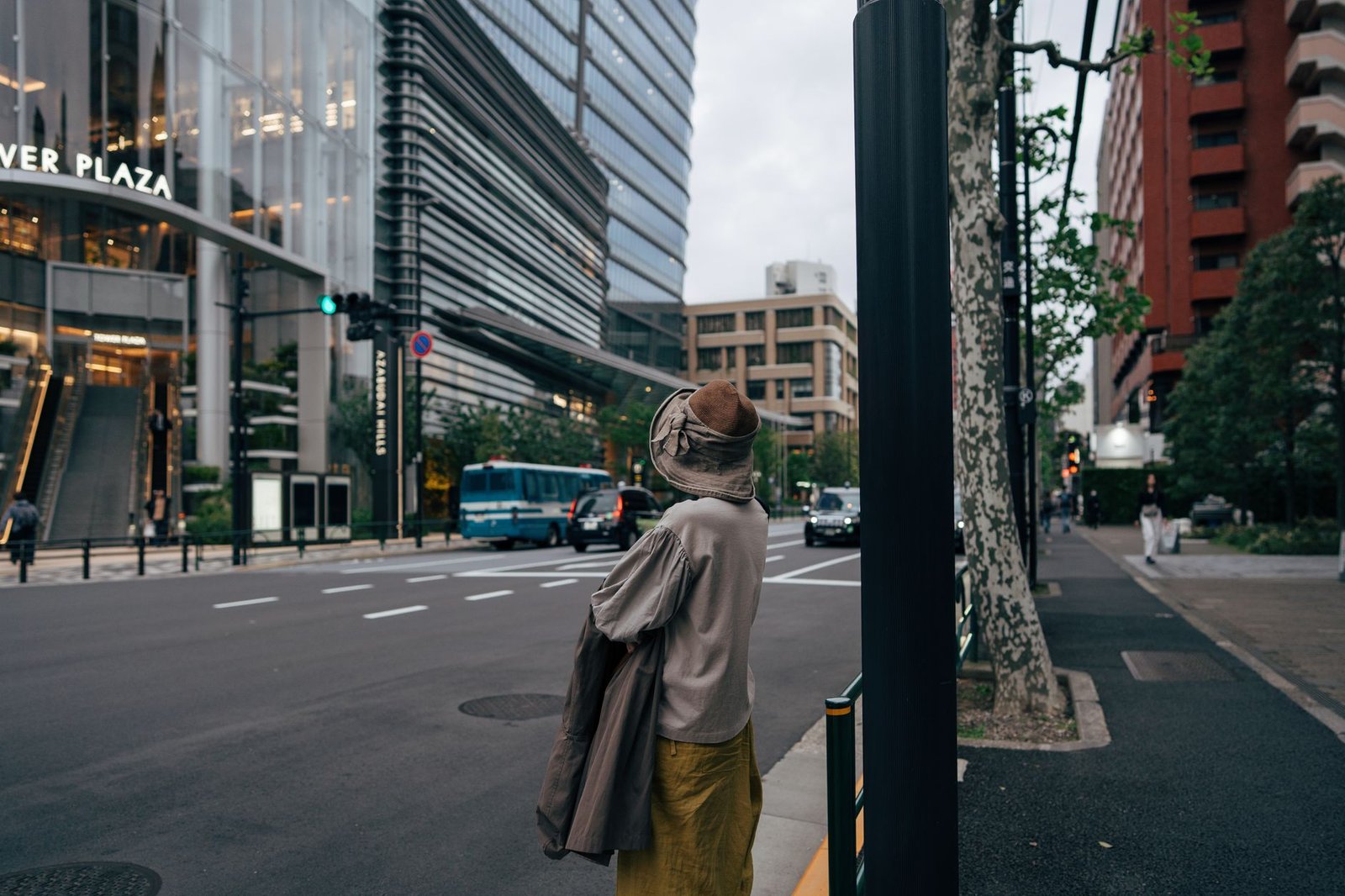
Rei Kawakubo’s Comme des Garçons is the most intellectually significant Japanese fashion house and one of the most important fashion companies in the world. CdG’s design approach — questioning the human body, deconstructing garment conventions, using fashion as conceptual art — established the framework for independent fashion design internationally. The CdG universe includes multiple lines at different price points and aesthetic registers, from the accessible CDG Play line to the extremely conceptual and experimental main collection.
Yohji Yamamoto
Yohji Yamamoto’s work is characterised by its rigorous monochromatic palette (predominantly black), its architectural draping, and its engagement with the body and garment as philosophical subjects. Yamamoto’s influence on minimal and conceptual fashion design is fundamental — the aesthetic of restrained, black-dominated, architecturally draped fashion that characterises much of the independent fashion world owes a direct debt to his work.
Issey Miyake
Issey Miyake’s most influential contribution is his Pleats Please line — permanent pleating technique applied to polyester fabric that creates a textile that is simultaneously structured and fluid. Miyake’s approach to fashion as material innovation and technical experimentation created a distinct design language that has no direct Western equivalent.
Japanese Streetwear and Independent Brands
A Bathing Ape (BAPE)
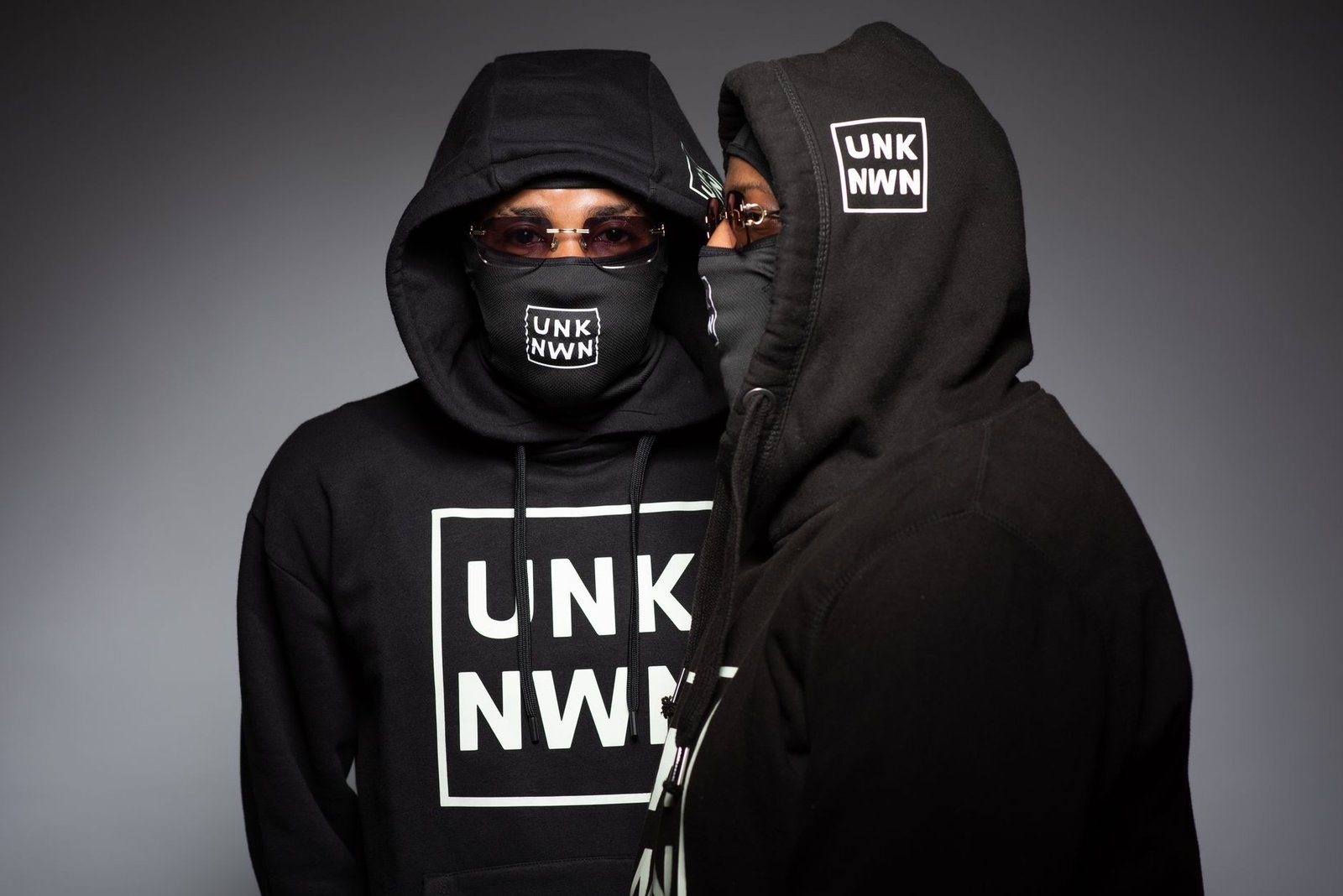
BAPE’s influence on global streetwear is fundamental — the brand introduced all-over camouflage patterns, the Shark hoodie, and the ape graphic vocabulary into streetwear’s global visual language. BAPE’s drop model and limited-run strategy also influenced the business model that contemporary streetwear brands operate on.
For a broader view of the labels shaping Japanese fashion today, Highsnobiety’s guide to the best Japanese clothing brands worth knowing spans luxury, avant-garde, and streetwear categories — essential reading for anyone building familiarity with the full landscape of Japanese design.
Neighborhood
Neighborhood, founded in 1994 by Shinsuke Takizawa, applies a Japanese approach to American workwear, military, and motorcycle culture — taking the visual language of Americana and recreating it with Japanese craft quality and attention to detail. Neighborhood’s work is influential in the global premium streetwear and vintage-reference fashion space.
Wtaps and Descendant
Wtaps (pronounced “double taps”) and its related label Descendant represent the military and tactical heritage reference strand of Japanese streetwear — meticulous reproduction and reinterpretation of military garments and working clothing with premium construction. Both labels are highly regarded within the global streetwear community and command strong secondary market prices.
Fairy Kei and Yume Kawaii
Fairy kei and yume kawaii (“dreamy cute”) are soft, pastel-focused Japanese fashion aesthetics that prioritise gentle femininity, magical and fantasy references, and the colour palette of soft mint, lavender, blush, and cream. The aesthetic draws from 1980s children’s toy aesthetics, magical girl anime, and the broader kawaii (“cute”) culture that is one of Japan’s most globally exported visual languages.
Frequently Asked Questions
What are the main Japanese fashion aesthetics?
The major Japanese fashion aesthetics include the Harajuku subcultures (Lolita, Decora, Visual Kei, Gyaru), the Tokyo minimalist luxury tradition (Comme des Garçons, Yohji Yamamoto, Issey Miyake), the Japanese streetwear brands and their Americana-reference heritage (BAPE, Neighborhood, Wtaps), and the kawaii-derived soft aesthetics (Fairy Kei, Yume Kawaii). Each has its own internal logic, community, and design vocabulary.
How has Japanese fashion influenced global streetwear?
Japanese fashion has influenced global streetwear through the drop model and limited-run brand strategy pioneered by BAPE and Neighborhood; through the intellectual framework for conceptual fashion design established by Comme des Garçons; through the Japanese approach to quality reproduction of Americana and workwear that set standards for premium streetwear construction; and through the Harajuku subcultural visual languages that have been referenced in Western fashion continuously since the early 2000s.