
How to Thrift: The Complete Fashion Guide to Second-Hand Shopping
Why Thrift Shopping Is One of the Best Fashion Decisions
Thrift shopping for fashion offers a combination of benefits that conventional retail simply cannot match: unique pieces that nobody else will be wearing, significantly lower prices for often higher quality than contemporary fast fashion, environmental benefits from extending garment life rather than consuming new production, and the genuine discovery experience of finding something unexpected and excellent in a place where most people walk past it. The thrift shopper who knows what they are looking for and how to evaluate what they find builds a wardrobe that is simultaneously distinctive, intentional, and sustainable in a way that new-clothing purchasing cannot replicate.
Thrift shopping requires a specific set of skills — knowing where to look, understanding how to evaluate quality and condition, knowing what can be altered or repaired and what cannot, and having enough clarity about your own aesthetic to recognise relevant pieces when you see them. This guide covers all of it.
Where to Thrift Shop
Physical Charity and Thrift Shops
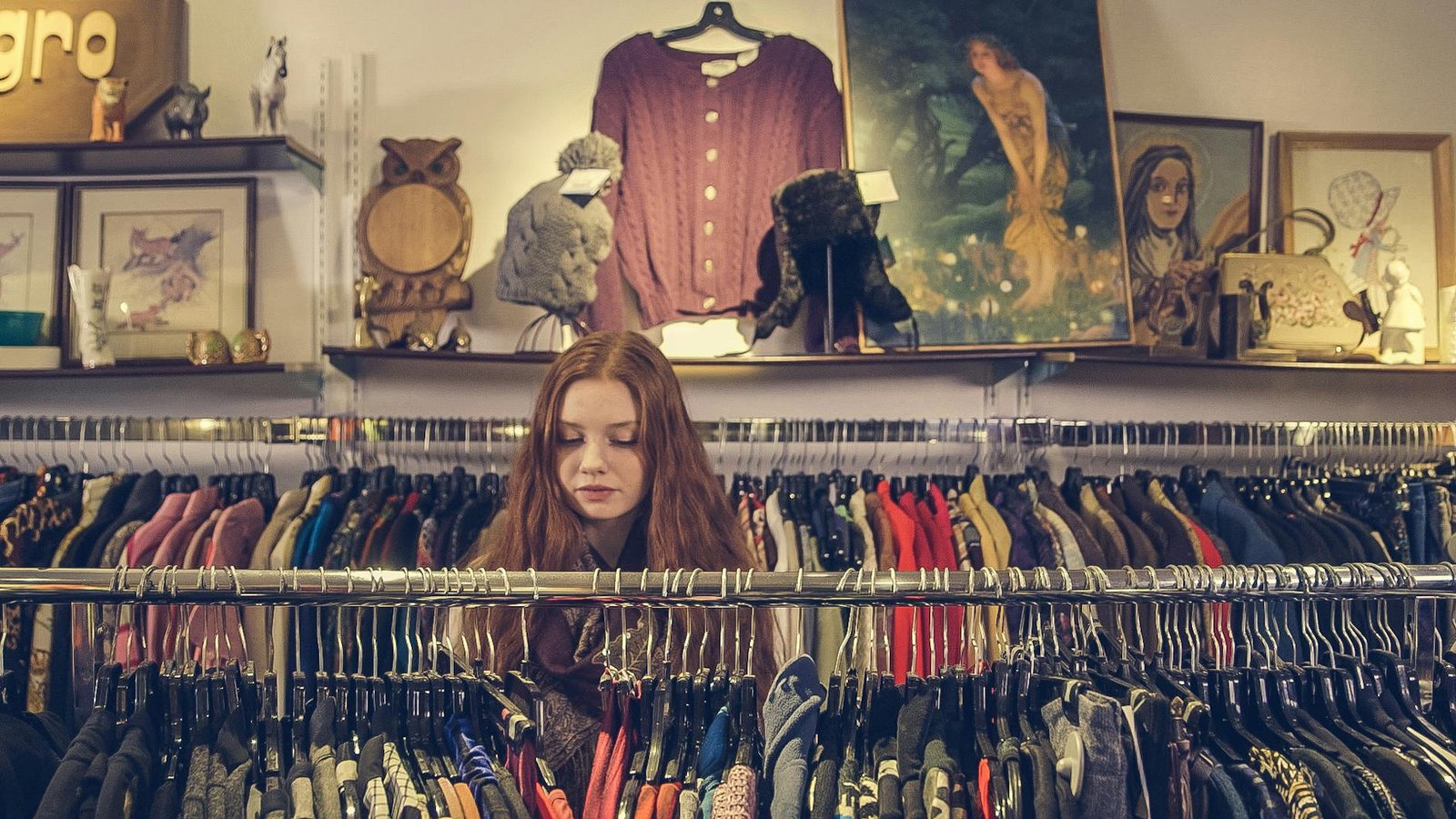
Charity shops (UK) and thrift stores (US) are the most widely accessible second-hand shopping venues. Quality and stock vary enormously by location — shops in more affluent areas tend to receive better quality donations than those in lower-income areas, because the donor pool’s wardrobe quality directly determines what is donated. Shops near affluent residential areas, near universities (whose students donate extensively when moving between terms), and in gentrifying urban areas with older housing stock tend to have the strongest stock for fashion-forward thrift shopping.
Vintage and Specialist Second-Hand Shops
Vintage shops pre-select, clean, and price their stock at significantly higher prices than charity thrift shops — but they do the curation work, meaning the quality and relevance of available stock is consistently higher. For specific era-focused or aesthetic-specific searching (specifically 1970s pieces, or deadstock sportswear, or 1990s graphic tees), a specialist vintage shop’s stock is worth the price premium over generalist thrift shopping.
Online Second-Hand Platforms
Depop, Vinted, eBay, and Poshmark (US) have made second-hand fashion purchasing significantly more accessible by removing the geographic limitation of physical thrifting. Online platforms allow searching by size, colour, brand, decade, and condition — making it possible to find specific pieces that physical thrifting’s browse-and-find approach might never surface. The trade-off is the loss of physical touch and fit evaluation; buying second-hand online requires more precise size and condition research than buying from physical shops.
Car Boot Sales and Flea Markets
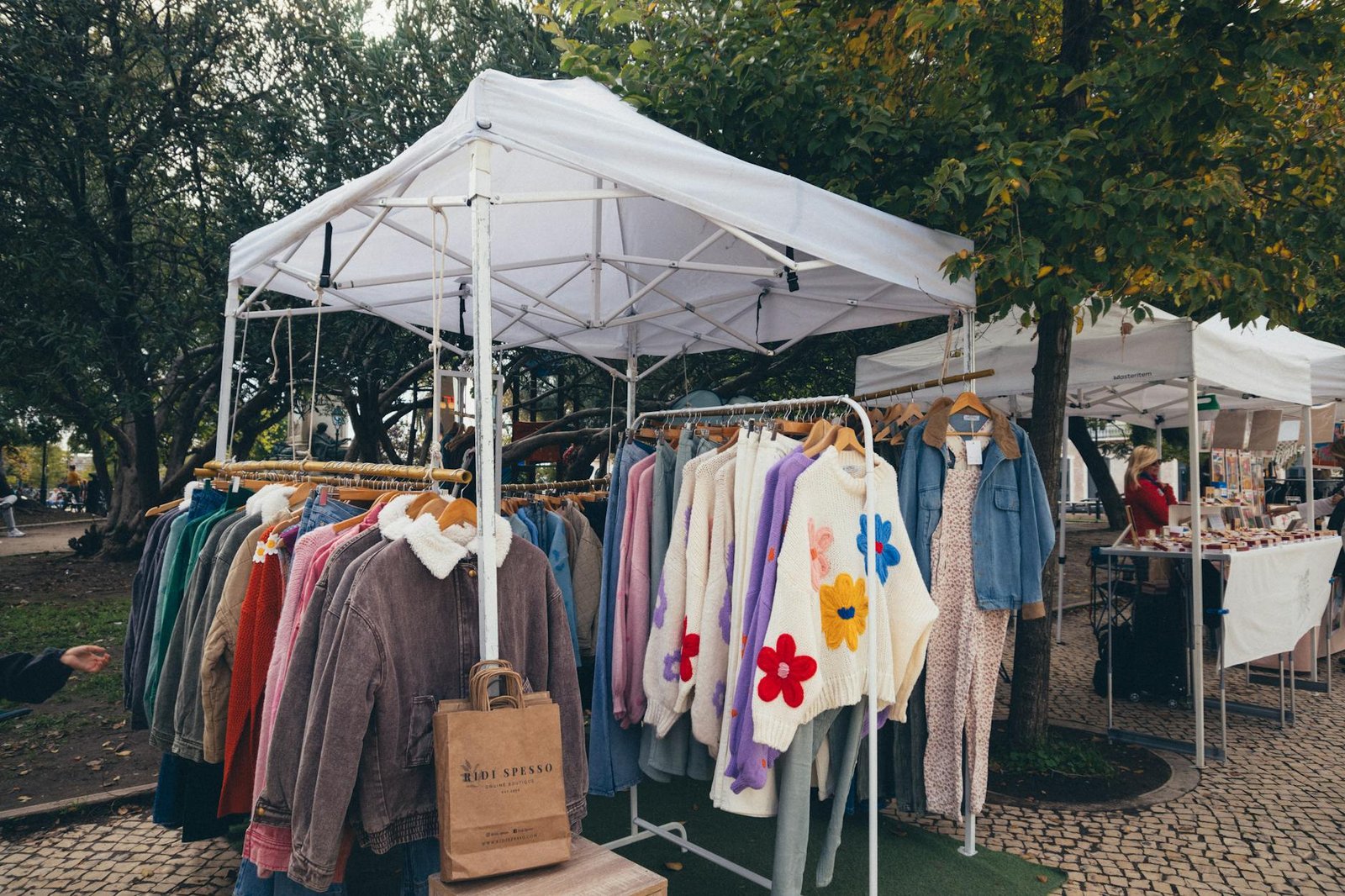
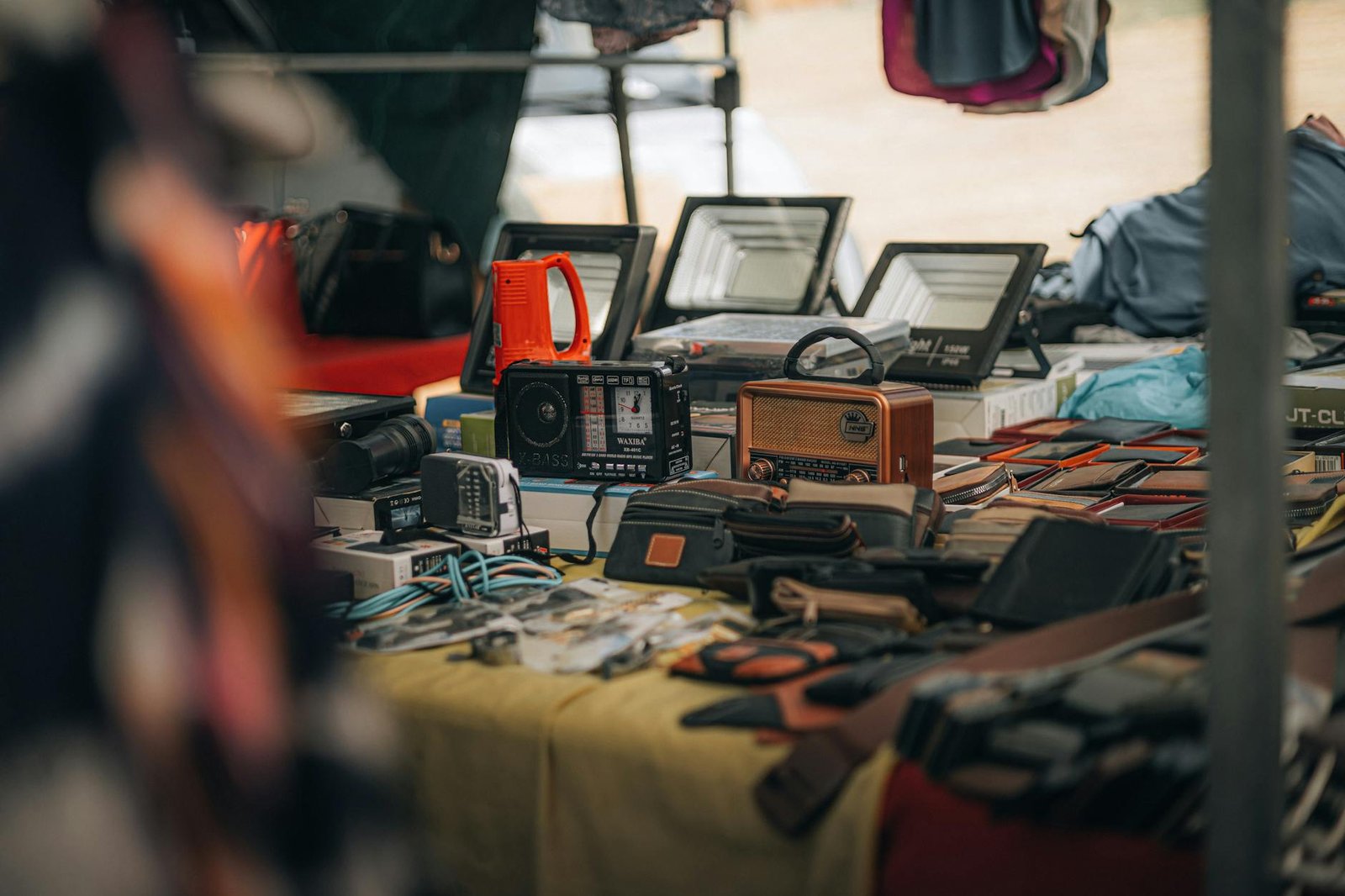
Car boot sales and flea markets are among the best price-to-quality thrift environments — prices are typically lower than both charity shops and vintage stores, and the stock is often genuinely diverse and unpredictable. The trade-off is the more challenging shopping environment: unsorted stock, variable cleanliness, and fewer changing facilities. The best car boot sales for fashion shopping are those in areas with older, more established communities whose wardrobes have accumulated genuinely old pieces.
What to Look for When Thrift Shopping
Fabric Quality
The most important thing to evaluate in a thrift piece is fabric quality. Natural fibres (wool, cashmere, silk, cotton, linen) age better than synthetics, are more comfortable to wear, and tend to indicate higher original quality.
Check care labels: the presence of 100% wool, silk, or cashmere in a piece at a charity shop price is the single best value indicator in thrift shopping. Synthetic fabrics pill, degrade, and lose shape faster, and low-quality synthetics from fast fashion production have little value worth thrifting.
Construction Quality
Turn garments inside out to check seams, lining, and construction quality. Flat-felled seams, French seams, or clean overlocked finishing indicates quality construction.
Raw, poorly finished, or very minimal seam allowances indicate lower-quality original production. The amount of fabric in a garment’s seam allowances is a direct indicator of the original manufacturer’s quality standards — cheap fast fashion typically uses minimal seam allowances; quality clothing has more fabric to work with for alterations and lasts longer under wear stress.
Condition Assessment
Assess each thrift piece for: pilling (can sometimes be removed; severe pilling is irreversible); staining (check armpits, collar backs, and visible areas; some stains are permanent); damage (holes, tears, missing buttons — assess whether the repair is within your capability); and odour (some odours wash out; others, particularly smoke or severe mildew, do not). Only buy pieces where any existing issues are ones you can and will address — too many thrift pieces get bought and never worn because they needed a repair or cleaning that never happened.
Size and Fit Potential
Thrift shopping requires a more flexible approach to size than conventional retail. Vintage clothing in particular is sized very differently from contemporary clothing — a vintage size 12 is typically equivalent to a contemporary size 8.
Evaluate pieces for body fit and silhouette rather than label size. Also assess whether the piece could be successfully altered — taking in side seams, hemming, or shortening are relatively simple alterations; restructuring the shoulders or reworking the construction is not.
A piece that’s slightly too large is much easier to alter than one that’s too small.
Best Categories to Thrift
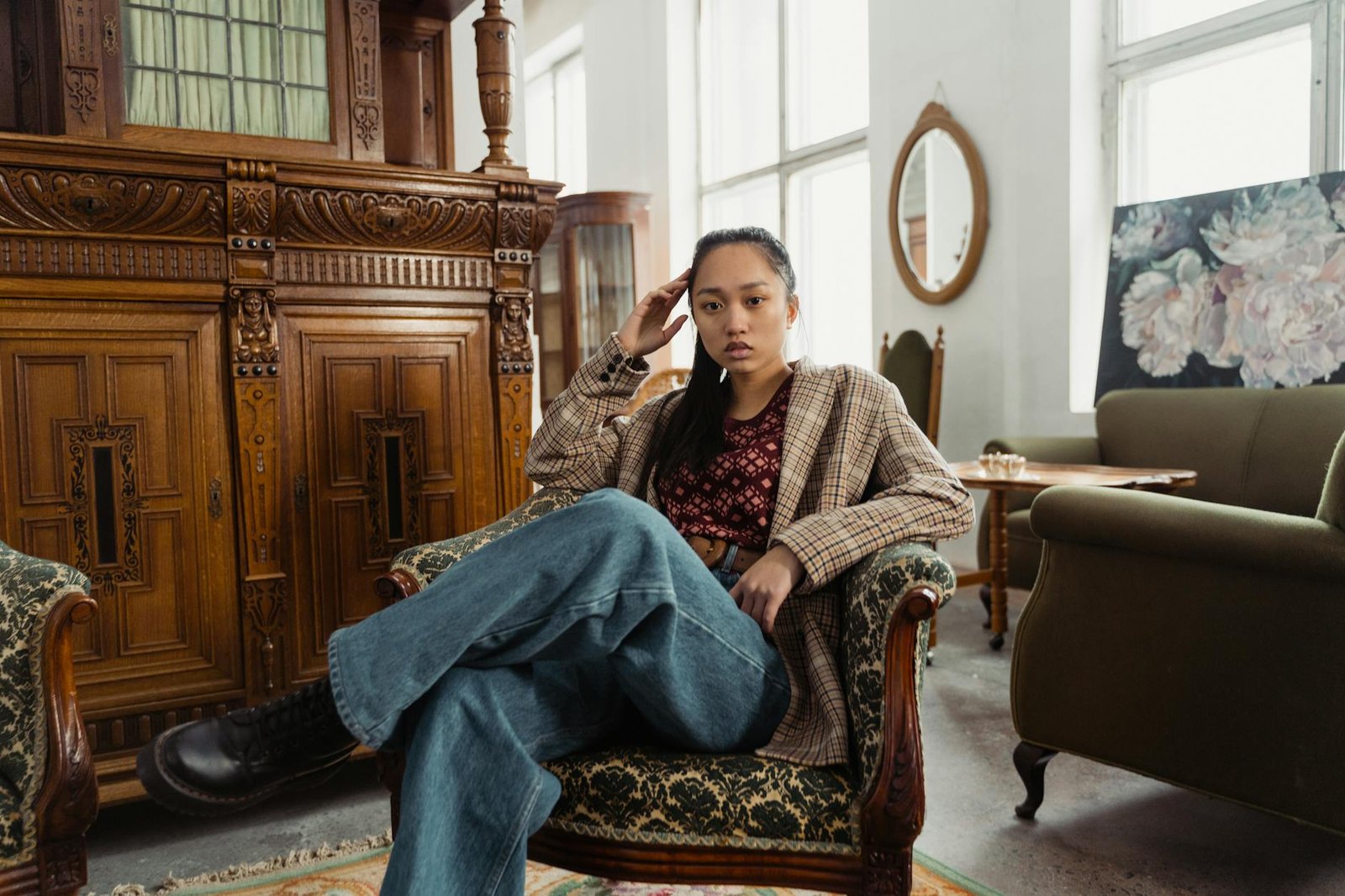
- Knitwear — quality wool and cashmere jumpers are among the best thrift finds; natural fibre knitwear holds value and quality for decades
- Denim — vintage denim in particular has genuine wear character and quality that contemporary production often doesn’t replicate
- Tailored pieces — blazers, structured jackets, and tailored trousers in quality fabrics offer excellent value when found in good condition
- Outerwear — quality coats last decades; finding a cashmere, wool, or quality synthetic blend coat in a charity shop is among the best thrift shopping outcomes
- Leather goods — genuine leather bags and belts that have aged well are excellent thrift finds; real leather ages better and develops character that synthetic alternatives cannot replicate
- Vintage T-shirts — original vintage band tees, sports tees, and graphic tees from specific eras are both aesthetically distinctive and increasingly valuable
Building a Thrift Shopping Practice
Shop With a Clear Aesthetic Vision
Successful thrift shopping requires knowing what you are looking for — not a specific piece, but a clear sense of colour palette, silhouette preferences, and aesthetic identity. Without this, the abundance of thrift shopping stock becomes overwhelming and undirected. With a clear aesthetic vision, the thrift shopper scans rapidly and confidently — recognising relevant pieces immediately and bypassing irrelevant ones without deliberation.
Shop Regularly and Patiently
Thrift shopping rewards regularity — stock rotates constantly, and the best pieces in any given shop may be there for only a few days before being bought or rotated out. A regular thrift shopper who visits the same shops weekly will consistently find better pieces than an occasional shopper who expects to find excellent pieces on any given visit. Patience is as important as frequency: in any given thrift visit, finding one excellent piece is a success.
For a practical breakdown of how to approach second-hand shopping with confidence, Marie Claire’s thrift store tips cover the strategies that make the difference between an average and an excellent thrift haul.
Frequently Asked Questions
How do you get good at thrift shopping?
Develop three skills: a clear aesthetic identity (so you recognise relevant pieces quickly), fabric quality literacy (so you can assess whether a piece is worth the price and effort), and condition assessment (so you know what you can fix and what you should leave). Shop regularly in a consistent set of locations so you know the stock turnover and can catch new arrivals. Accept that thrift shopping is a practice — the more you do it, the better your pattern recognition for quality and relevance becomes.
What is the best thing to look for at thrift stores?
Natural fibre knitwear (cashmere and wool jumpers), quality outerwear (wool and cashmere coats), tailored blazers and structured jackets in quality fabrics, genuine leather bags and accessories, vintage denim, and original graphic tees from specific decades. These categories are where the gap between thrift price and actual quality or market value is largest — the items most likely to justify the time investment of thrift shopping over conventional retail.