
How to Style Gradient Clothing: The Complete Outfit Guide
Why Gradient Clothing Needs a Styling Strategy
Gradient clothing is visually active in a way that plain garments are not. A solid-color piece sits quietly in an outfit and lets other elements lead.
A gradient piece immediately draws attention, suggests a palette, and sets the visual temperature of the entire look. That is an advantage — but only if the rest of the outfit responds to it rather than ignoring it.
The most common mistake with gradient clothing is treating it like any other garment: pairing it randomly with whatever else is in the wardrobe. A sunset gradient hoodie worn over a bold stripe t-shirt under a pattern jacket is a visual collision, not an outfit. The same hoodie over a plain white tee with clean black joggers is a complete, intentional look that works without any further thought.
This guide covers the rules and the outfit formulas that make gradient clothing easy to style consistently.
Rule 1: One Gradient Piece Per Outfit
The foundational rule for styling gradient clothing: limit each outfit to one gradient focal piece. Gradient garments are high-information visually — they contain color transitions that the eye reads as movement and complexity.
Two competing gradient pieces in the same outfit double that complexity without doubling the visual impact. The result is noise rather than intention.
The exception: gradient pieces that share a color palette and use it as a connector rather than a competitor. A sunset gradient hoodie (orange to pink) and sunset gradient socks (orange accent) from the same palette can coexist because the sock is a supporting accent, not a competing focal point. The rule is really about scale — avoid two large gradient pieces fighting for visual dominance in the same outfit.
Rule 2: Build the Outfit Around the Gradient’s Palette
Every gradient piece carries a specific color story. Styling gradient clothing well means reading that story and building the rest of the outfit in response to it — not ignoring it.
The simplest approach: identify the two or three colors in your gradient piece. Choose neutrals and supporting pieces that either sit within those color families or provide clean contrast to all of them simultaneously.
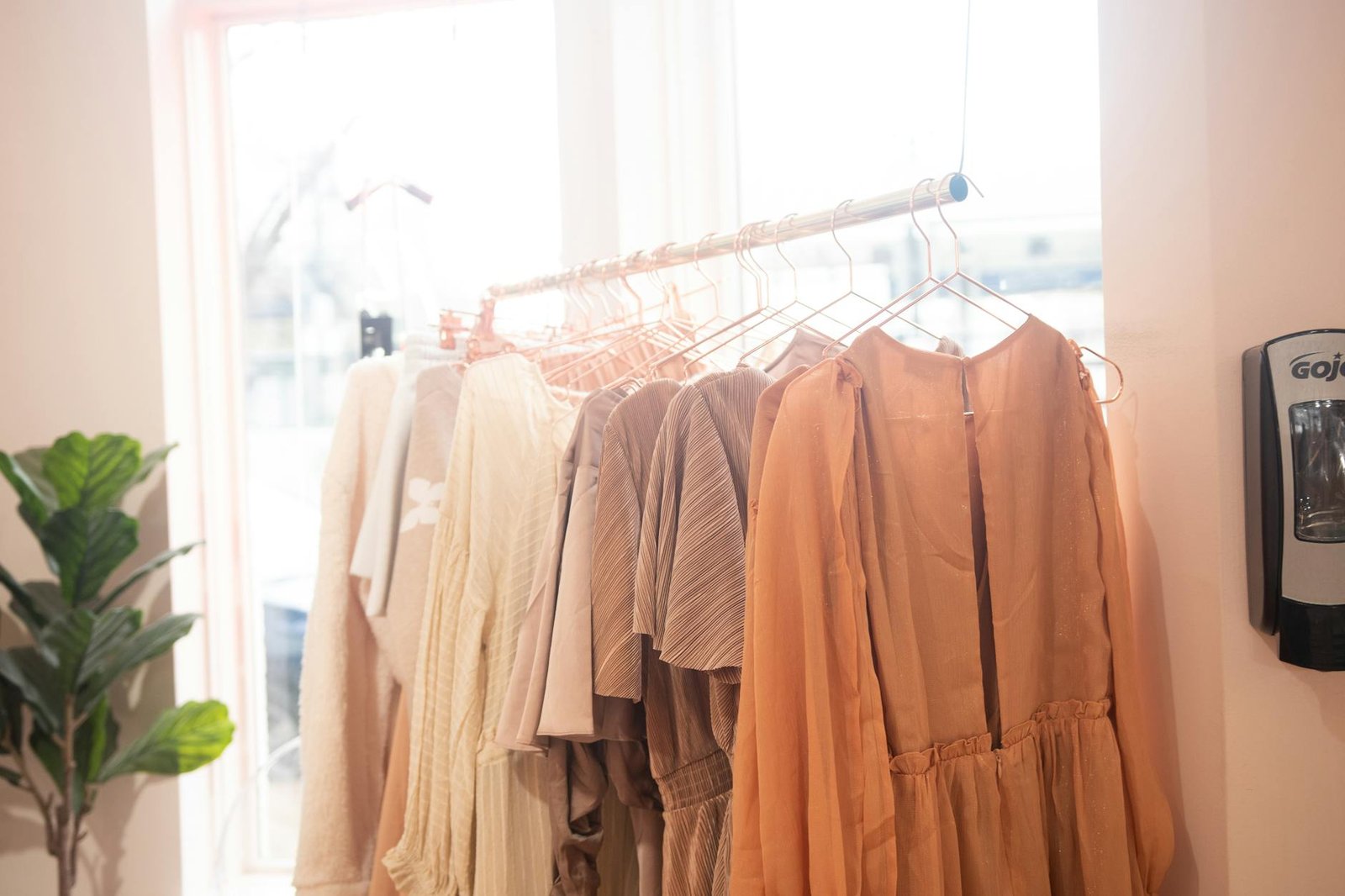
White, black, grey, and cream are the neutrals that provide contrast to almost any gradient palette. Light denim works with warm-tone gradients.
Dark denim works with bold or cool gradients.
What to avoid: pulling one color from a gradient piece and introducing it as a solid block elsewhere in the outfit. A gradient that moves from orange to purple worn with a separate solid purple tee does not create cohesion — it creates a purple-heavy outfit with a gradient accessory rather than a gradient outfit supported by neutrals.
Rule 3: Let the Gradient Do the Work
Gradient clothing earns the right to be the only interesting thing happening in an outfit. Accept that and dress accordingly.
Plain silhouettes, minimal branding on supporting pieces, no competing prints or textures. The outfit formula is: gradient piece + clean neutrals + simple footwear.
That combination works every time.
Resist the urge to add more. Gradient clothing styled minimally reads as confident and considered. The same gradient piece buried under additional visual elements reads as if you are apologising for wearing it.
Outfit Formulas for Gradient Tops
Gradient Hoodie Formula
The most-owned gradient piece in most wardrobes. Two formulas work reliably:
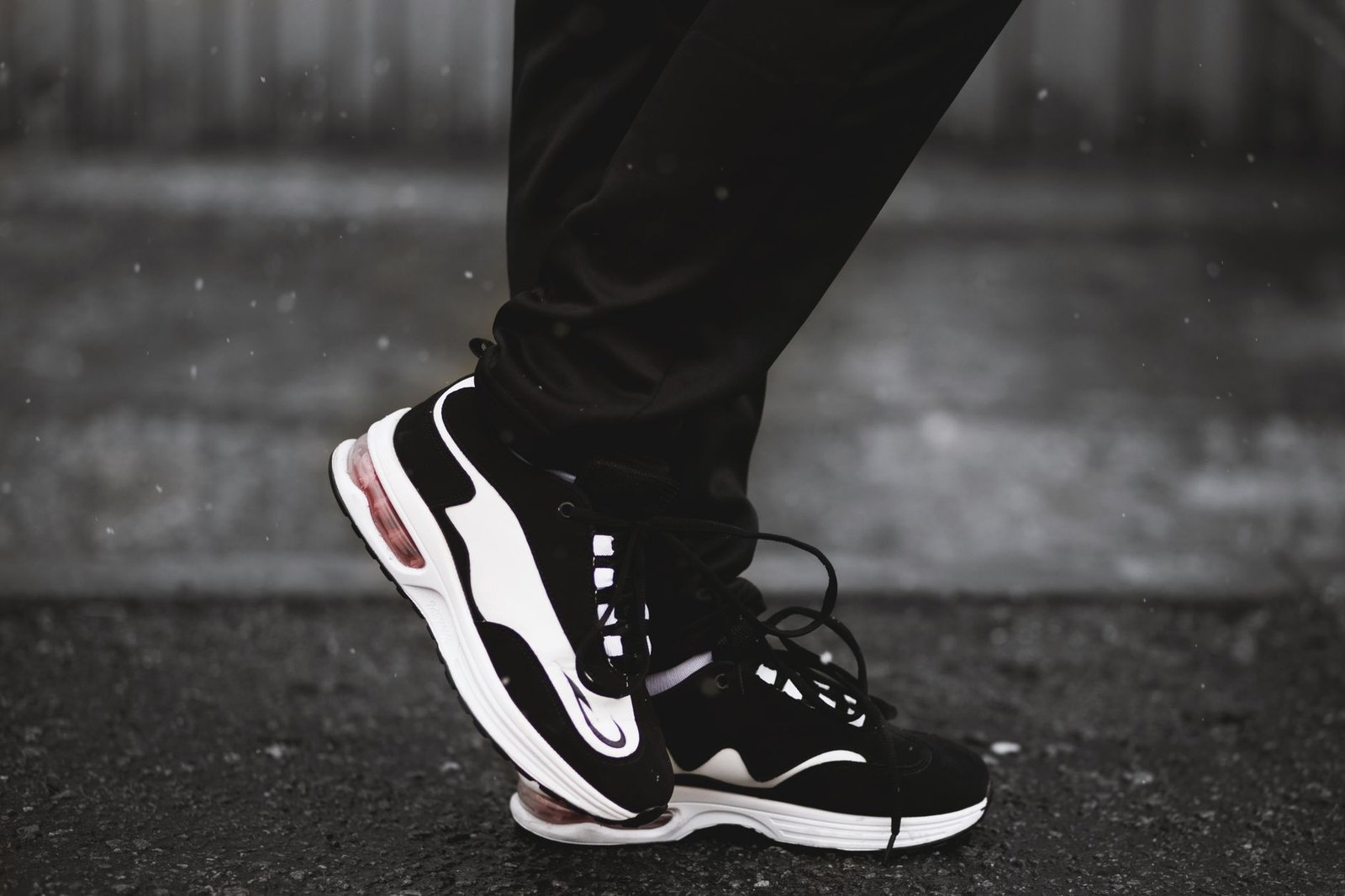
Casual: Gradient hoodie + black or grey joggers/sweatpants + white low-top sneakers. Clean, comfortable, requires no thought once the pieces are established. The white sneakers and dark bottoms frame the gradient hoodie without adding any competing visual information.
Elevated casual: Gradient hoodie + straight-leg or slim light-wash jeans + white or clean neutral sneakers. The jeans add structure that the jogger formula lacks, making the look appropriate for more contexts. Tuck the hood into a jacket if adding outerwear — letting the hood show against an outer layer is deliberate and can work, but it changes the silhouette significantly.
Gradient T-Shirt Formula
A gradient tee has more styling flexibility than a hoodie because the lighter garment reads as less statement-heavy. Two directions:
Tucked: Gradient tee tucked into tailored trousers or clean chinos with leather or smart sneakers. The tuck elevates the gradient into smart-casual territory. Choose tailored bottoms in a neutral — grey, camel, or dark navy — that reads as sophisticated against the graphic quality of the gradient.
Untucked with outerwear: Gradient tee worn untucked under an open overshirt, coach jacket, or windbreaker in a solid neutral. The outerwear frames the gradient piece and creates the layering depth of a complete look without any effort.
Gradient Sweatshirt Formula
Gradient crewneck sweatshirts are the most versatile gradient top. They sit between a tee and a hoodie in weight and formality, which gives them more outfit range than either.
Pair with wide-leg trousers for a fashion-forward silhouette, or with straight-leg jeans for a classic streetwear build. The absence of a hood makes them less instantly recognisable as gradient casual — which opens more outfit doors.
Outfit Formulas for Gradient Bottoms
Gradient Joggers or Sweatpants
The safest top pairing for gradient bottoms is the plainest option available: a white tee, a plain grey tee, or an oversized neutral crewneck. No branding, no graphics, no competing color. The gradient does everything at the bottom half; the top simply holds the outfit together.
For footwear: white sneakers almost always work. If the gradient runs warm (orange, pink, red tones), a warm-toned sneaker in tan or light brown can extend the palette downward. Avoid bold-colored footwear that introduces a third color story.
Gradient Trousers (Tailored or Fashion)
Gradient in a trouser silhouette with any tailored quality — straight cut, wide leg, tapered — reads very differently from gradient joggers. The structure moves the gradient into fashion territory.
Pair with a simple tucked shirt or plain fitted knit in white or cream. Keep footwear simple — clean white sneakers, loafers, or low-profile leather boots.
The gradient trouser is doing significant work; do not undermine it with heavy or branded footwear.
Outfit Formulas for Gradient Co-ord Sets

A gradient matching set — hoodie and joggers, or jacket and trousers — in the same gradient print is one of the simplest gradient outfits to get right because the matching work is done before you start. The whole outfit is cohesive by construction. The only decisions left:
- Footwear: White sneakers are the standard call. Match the sole color to the lightest tone in the gradient for a tonal effect, or go white for clean contrast to the gradient overall.
- Accessories: Keep them minimal — a clean hat in a neutral or one color from the gradient, a simple chain, or no accessories at all. The co-ord is already a strong complete look.
- Under-layers: If the co-ord is open (an unzipped jacket or an oversized hoodie worn casually), a visible white tee or basic crewneck is enough as a base layer.
Styling Gradient Clothing for Different Occasions
Casual / Everyday
The natural context for gradient clothing. Gradient hoodies, gradient tees, gradient joggers all function effortlessly in casual daily dressing when paired with clean neutral basics and simple sneakers.
Smart Casual
Gradient clothing reaches smart-casual territory through silhouette and layering choices: gradient tee tucked into tailored trousers, gradient knitwear over a button-down, or gradient jacket over a structured base. The key is combining the gradient piece with at least one garment that carries inherent formality.
Event or Night Out
Gradient pieces in premium fabrics — gradient satin, gradient velvet, gradient technical knit — elevate to event dressing. A gradient satin shirt or gradient dress in a rich palette reads as intentionally dressed-up. Styling remains the same: let the gradient lead, support it with clean neutral pieces, keep accessories minimal.
Common Gradient Styling Mistakes
- Pairing two gradient pieces with unrelated palettes — creates visual conflict rather than cohesion
- Adding bold-colored plain pieces to a gradient outfit — a bright solid competing with a gradient multiplies the visual noise
- Over-accessorising — gradient clothing does not need statement jewelry, patterned hats, and bold bags simultaneously
- Ignoring fit — gradient prints emphasise silhouette because the eye follows the color movement across the shape of the garment; poor fit shows more obviously in gradient than in plain pieces
For a deeper look at layering techniques that work across streetwear silhouettes, Highsnobiety covers the core principles of layering for fall and winter — including how to build outfits with gradient and statement pieces at the centre.
Frequently Asked Questions
What goes with gradient clothing?
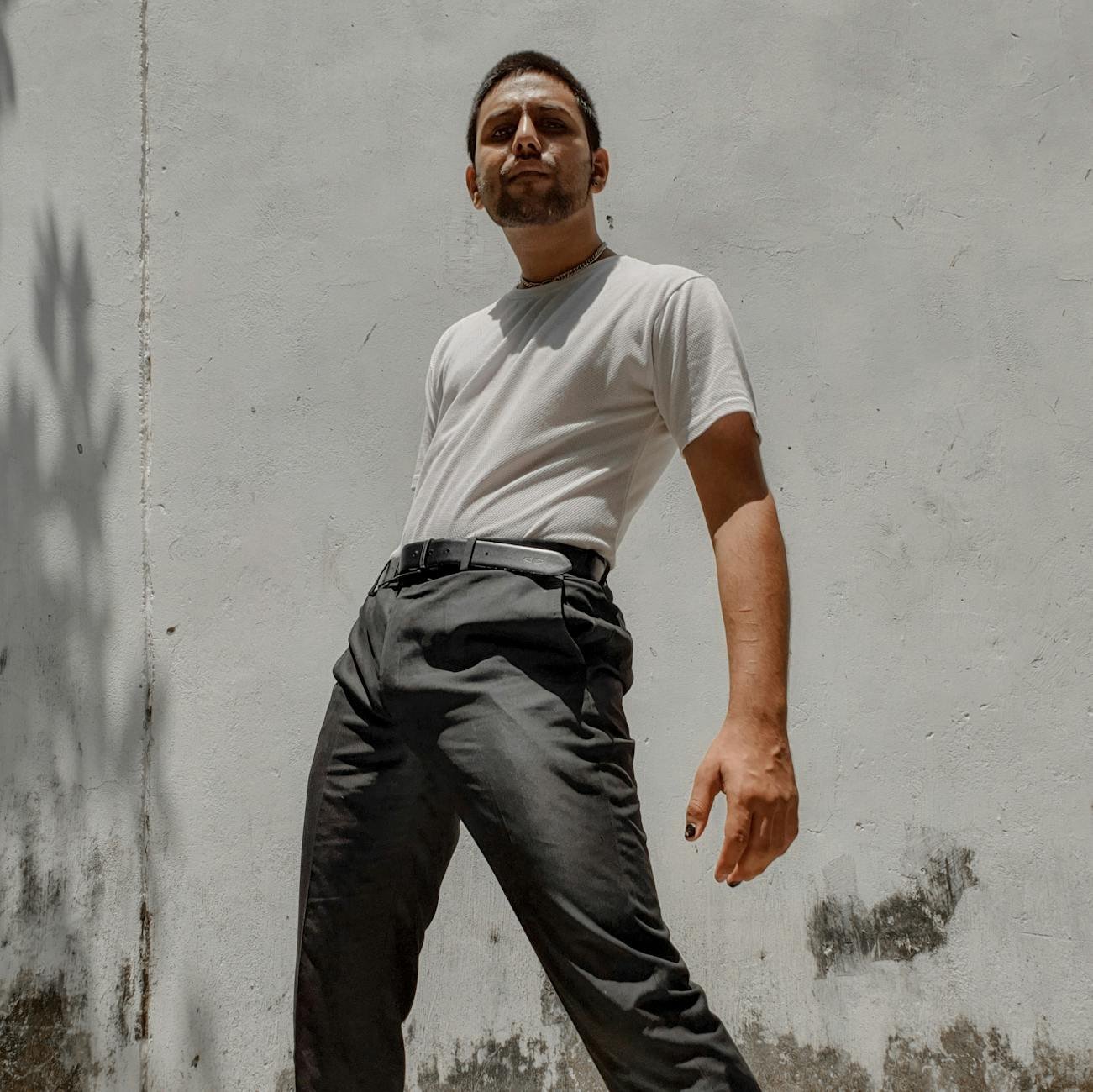
Plain neutral pieces — white, black, grey, cream, light denim, dark denim — go with gradient clothing across every occasion and palette. Neutrals provide clean contrast to any gradient color story without competing with it. Avoid mixing gradient clothing with equally bold patterns or heavily branded pieces that introduce a second focal point.
Can you wear gradient clothing to work?
In smart-casual and creative workplace environments, yes. The key is silhouette and fabric choice — a gradient knit in a tailored form or a subtle gradient shirt in a premium fabric reads appropriately in those contexts.
A vibrant gradient hoodie with joggers does not. Context and workplace culture determine the limit; the gradient itself is not the barrier.
How do you know if a gradient outfit works?
A gradient outfit works when the gradient piece is the clear focal point and everything else disappears into supporting it. If you can remove a supporting piece and the outfit looks more complete, that piece was competing rather than supporting. If the outfit reads as a single coherent visual statement from a distance, it works.