Gradient Sneakers and Footwear Guide: The Best Colorway Picks
Why Gradient Sneakers Work in Streetwear
Footwear is the last element most people consider when building an outfit, which is exactly why gradient sneakers have such a strong visual impact when they appear. Most streetwear outfits anchor at the foot with a clean white, black, or grey sneaker — safe choices that disappear into the look. A gradient sneaker does the opposite: it draws the eye downward and anchors the entire color story of the outfit at the shoe.
When done right, a gradient sneaker does not compete with the rest of the outfit — it completes it. The color transition in the shoe references the palette of the garments above it, creating a visual continuity from head to foot that a plain shoe cannot provide. Understanding how to use gradient footwear as a deliberate design choice — rather than just an interesting shoe — is what separates an intentional gradient outfit from a collection of individual pieces.
Types of Gradient in Sneaker Design
Gradient effects in sneaker design appear in several different technical forms, each with distinct visual characteristics:
Ombre Uppers
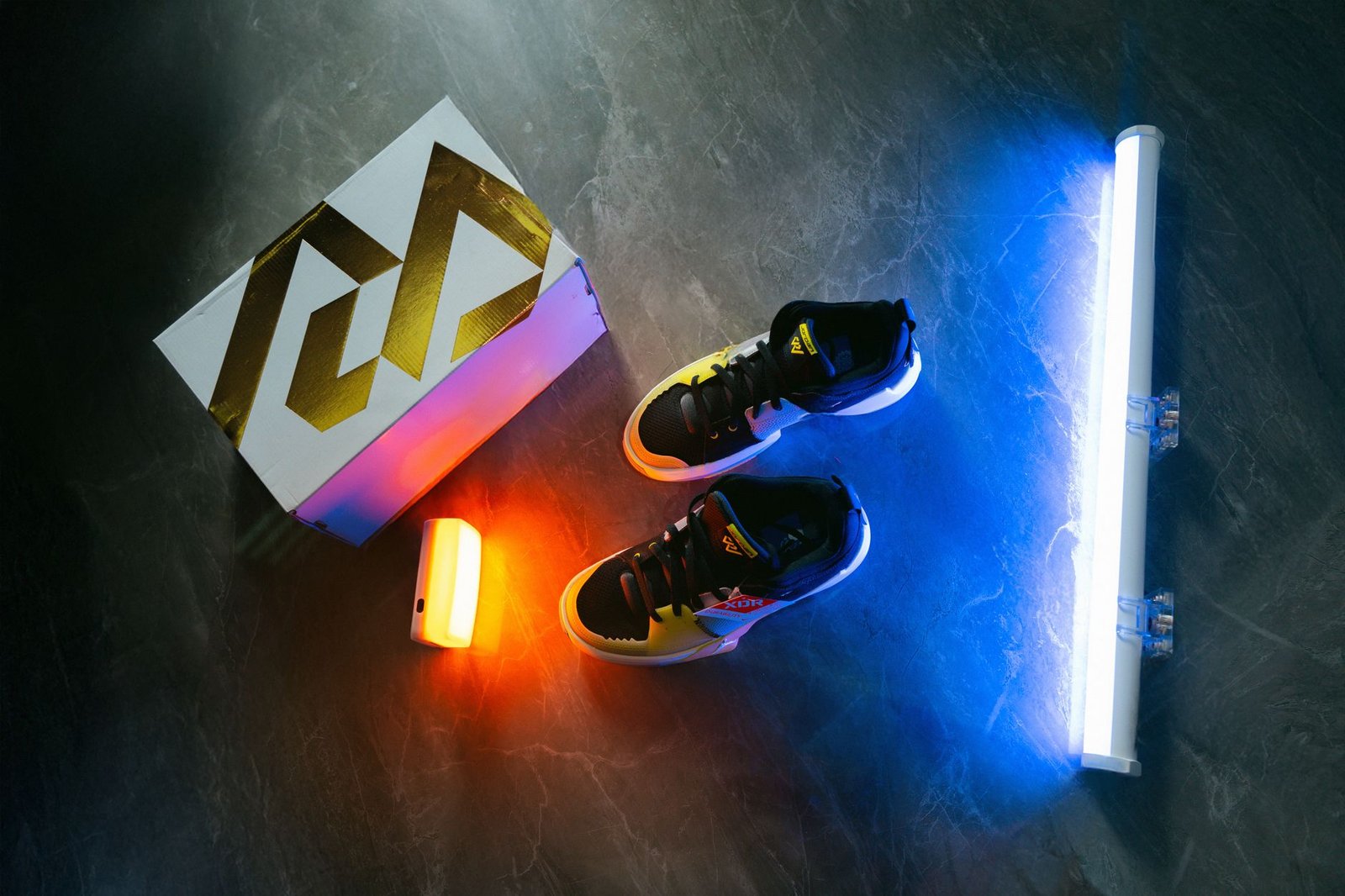
The upper material of the sneaker transitions from one color to another — typically from a darker base at the midsole up to a lighter color at the toe cap or lace area, or from a saturated color at the heel fading toward white or a neutral at the toe. This is the most visible and widely understood gradient sneaker style. The Nike Air Max 1 and various Nike Dunk colorways have historically used this approach in both original and general release colorways.
Gradient Midsoles
The midsole — the visible foam or rubber layer between the upper and the outsole — is where some of the most interesting gradient colorwork in sneakers happens. New Balance’s Fresh Foam and 990 series midsoles have appeared in color-injected gradient versions.
Adidas Boost cushioning has been produced in gradient-dyed forms in collaboration releases. The gradient in the midsole is visible only from the side profile, creating a more subtle presence than upper gradients.
Gradient Laces and Tongue
Some releases apply gradient treatments to the laces, sock liner, or tongue of the sneaker as accents rather than full-shoe colorwork. These are the most subtle gradient applications — visible in detail shots and close inspection, but not immediately apparent at a distance. They work well for collectors who want gradient references in a silhouette that lends itself to cleaner styling.
Gradient Outsoles
Translucent or semi-translucent outsoles with gradient color injections — appearing from below the shoe as the wearer walks. This is a less common but high-impact gradient technique, used in limited releases and collector-focused drops. The gradient is only visible during movement, creating a dynamic effect not achievable with upper or midsole placement.
Silhouettes That Carry Gradient Best
Not every sneaker silhouette is equally suited to gradient colorwork. The best gradient sneakers appear on specific forms:
Running-Influenced Silhouettes
Running shoe silhouettes — high-volume midsoles, mesh or engineered uppers, technical overlays — provide the most surface area for gradient to develop. The transition from toe to heel has enough length to create a readable color shift, and the material complexity of a performance upper creates natural breaks where gradients can articulate across different panels and textures. Nike Air Max, Adidas Ultraboost, and New Balance 1080 silhouettes all carry gradients with high visual return.
Low-Profile Court Silhouettes
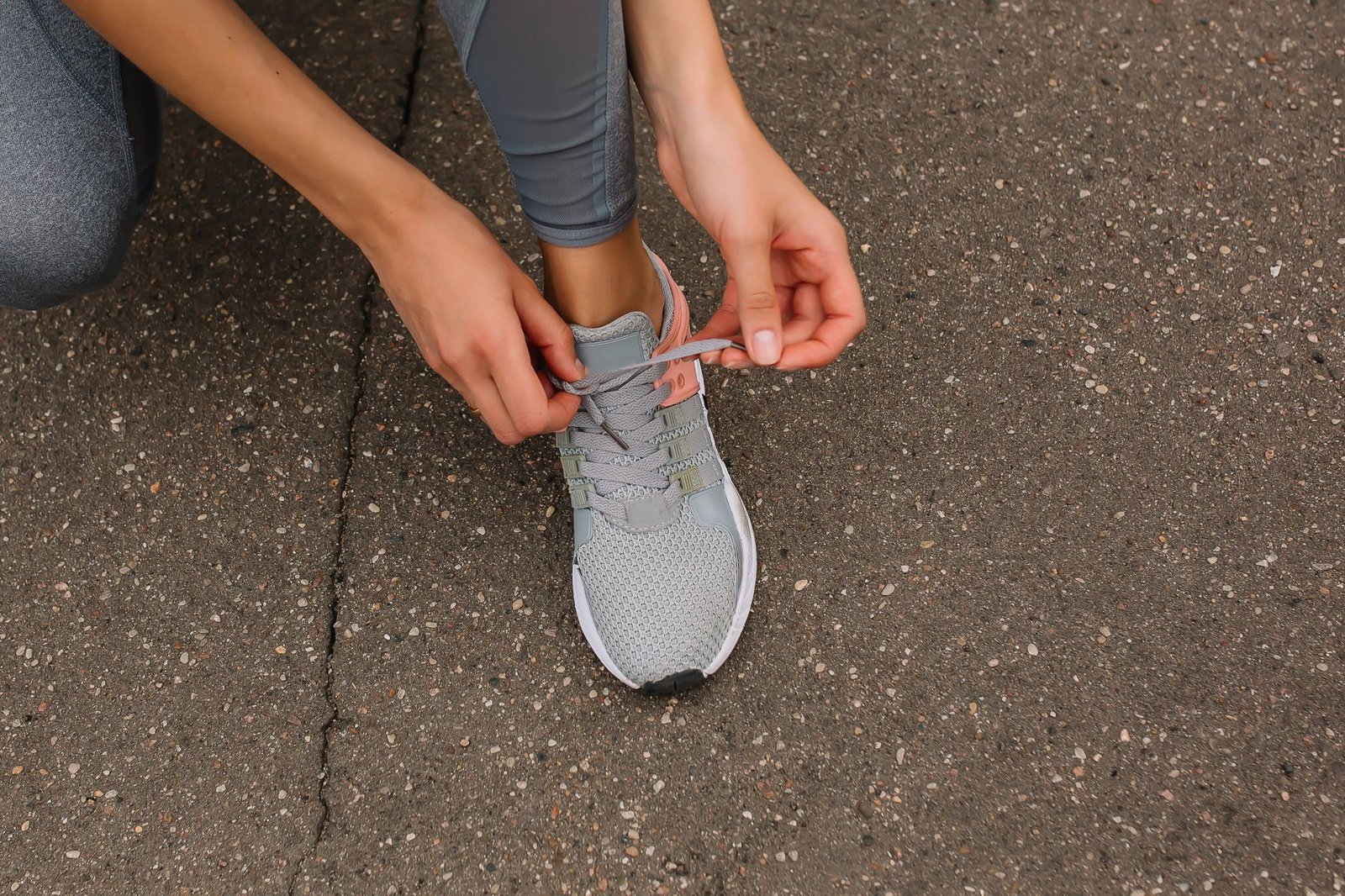
Lower-profile court sneakers — clean leather or canvas uppers, simple construction — work with gradient when the colorway is subtle and the palette limited to two closely related tones. A court shoe with a strong multicolor gradient risks looking busy against the simplicity of the silhouette. Monochromatic gradient (dark to light in one hue) is the most successful approach for court-style sneakers.
High-Top Silhouettes
High-top sneakers offer additional canvas at the ankle and collar for gradient to continue past the shoe body. A sunset gradient that begins at the sole and continues up the collar into the ankle lace area creates a gradient that is visible from multiple angles and reading distances. High-tops from Nike, Jordan Brand, and Converse have appeared in gradient editions across collaborations and general releases.
Gradient Sneaker Colorways Worth Knowing
Nike Multicolor Gradient Releases
Nike has produced gradient colorways across its most recognisable silhouettes through both general releases and collaboration capsules. The “Be True” LGBTQ+ pride releases have consistently featured gradient uppers across Air Max, Air Force 1, and Dunk silhouettes, making them among the most widely distributed gradient sneaker releases in the market. Beyond the pride collections, Nike’s iD customisation platform allows gradient upper treatments on select silhouettes at a premium price point.
New Balance Gradient Editions
New Balance has produced gradient colorways through its collaboration programme — working with Japanese retailers, streetwear boutiques, and independent designers who frequently use gradient upper treatments and gradient midsole injections. The 990, 2002R, and 574 silhouettes have all appeared in gradient editions through exclusive retail partnerships. New Balance’s domestic US and UK manufacturing positioning makes the gradient editions feel artisanal rather than mass-market.
Adidas Gradient Colorways
Adidas has used gradient extensively on Ultraboost and 4D silhouettes, where the Boost and 4D midsole technologies allow for color applications that are not possible in traditional foam. The Ultraboost in sunrise gradient colorways — where the Boost midsole transitions from amber to deep orange — remains one of the most copied gradient sneaker references. Adidas x Pharrell releases have consistently featured full-upper gradient treatments across multiple silhouettes.
How to Style Gradient Sneakers
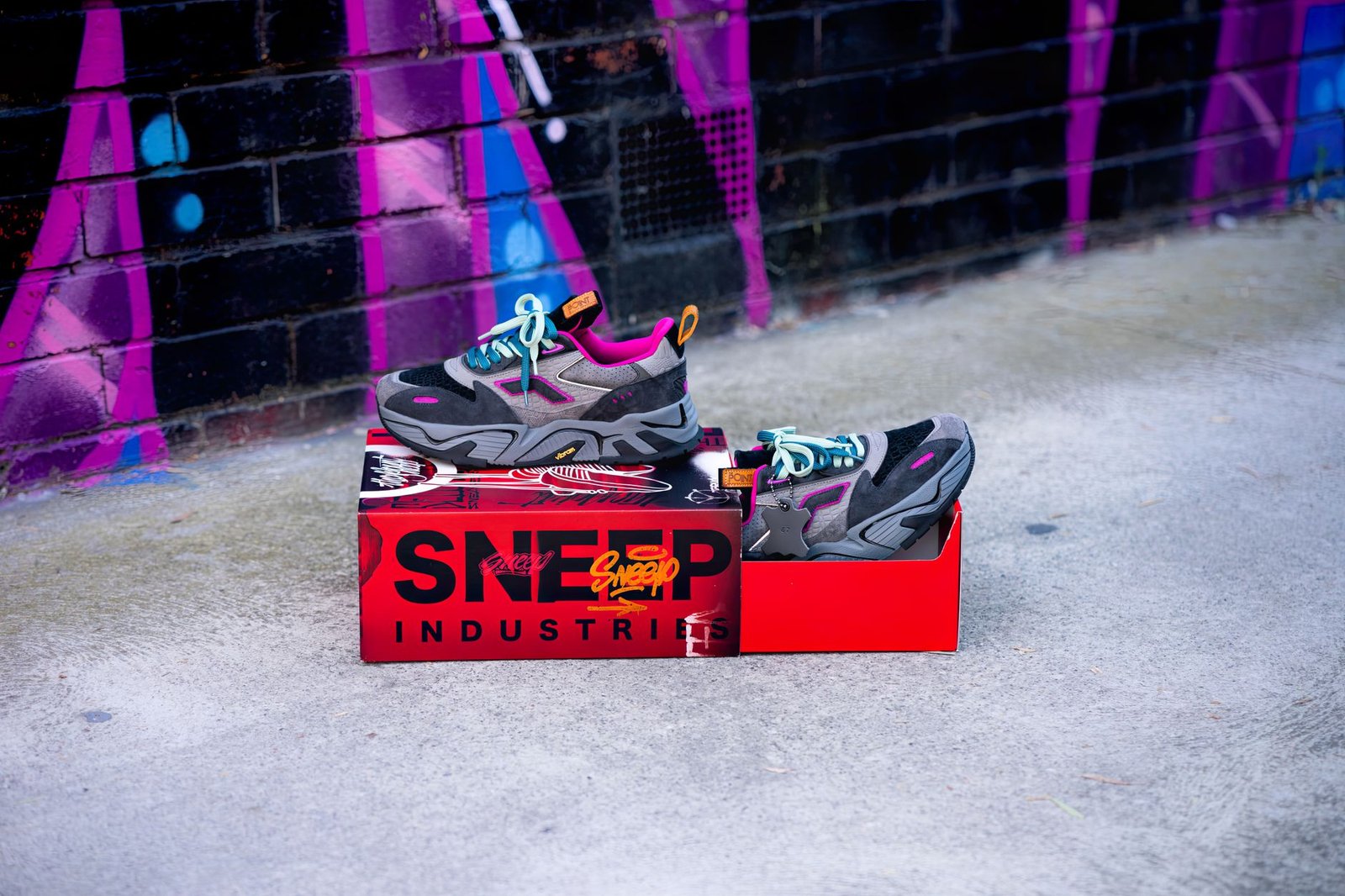
Match the Palette to Your Outfit
The strongest gradient sneaker styling decision is palette matching — choosing footwear whose gradient colors appear somewhere in the clothing above it. A sunset gradient sneaker (orange to pink) worn with a sunset gradient hoodie creates a total color story from head to foot. The same sneaker under an all-black outfit creates a more dramatic focal point with maximum contrast.
Use Gradient Sneakers to Anchor a Neutral Outfit
An all-neutral outfit — grey sweatpants, white tee, neutral outerwear — is the cleanest showcase for gradient sneakers as the single color element. The neutrals step back entirely and the gradient at the foot becomes the entire visual interest of the look. This is the most wearable styling approach for anyone who wants gradient footwear without a full gradient aesthetic wardrobe.
Sock Choice Matters
The sock visible between the shoe collar and the trouser hem either interrupts or extends the gradient. A white ankle sock creates a clean break — visually separating the sneaker from the leg.
A sock in a color pulled from the gradient (peach socks with an orange-to-pink sneaker) extends the gradient upward. A contrasting sock creates a deliberate style decision but risks looking busy.
When in doubt, white socks are the safe choice that never actively hurts gradient footwear.
Trouser Length and Hem
Gradient sneakers show best with cropped trousers, rolled cuffs, or ankle-length pants that keep the full shoe visible. A full-length trouser that covers the majority of the shoe reduces the impact of the gradient — particularly the toe-to-heel transitions that are only visible from the front. Shorts and cropped fits in warmer weather are the most optimal styling for maximum gradient footwear exposure.
Gradient Boots and Non-Sneaker Footwear
Gradient treatment is not exclusive to sneakers. Gradient appears across other footwear categories at a lower volume but with strong visual results:
- Gradient Chelsea boots — the clean side panel of a Chelsea boot provides an ideal canvas for a two-tone gradient. Dark at the sole transitioning to lighter leather at the shaft.
- Gradient platform shoes — the extended platform creates space for significant midsole gradient treatment below the upper. Popular in Y2K revival styles and chunky fashion footwear.
- Gradient trainers with sock construction — sock-fit knit trainers (adidas PrimeKnit, Nike Flyknit) allow gradient to be knitted directly into the upper fabric, creating the smoothest and most technical gradient transitions possible in footwear.
The Nike Shox TL in a red gradient colourway is a strong example of how a single shoe can carry an entire outfit palette. Highsnobiety covered the release with full details on what makes the gradient execution work as a statement sneaker.
Frequently Asked Questions
What are gradient sneakers?
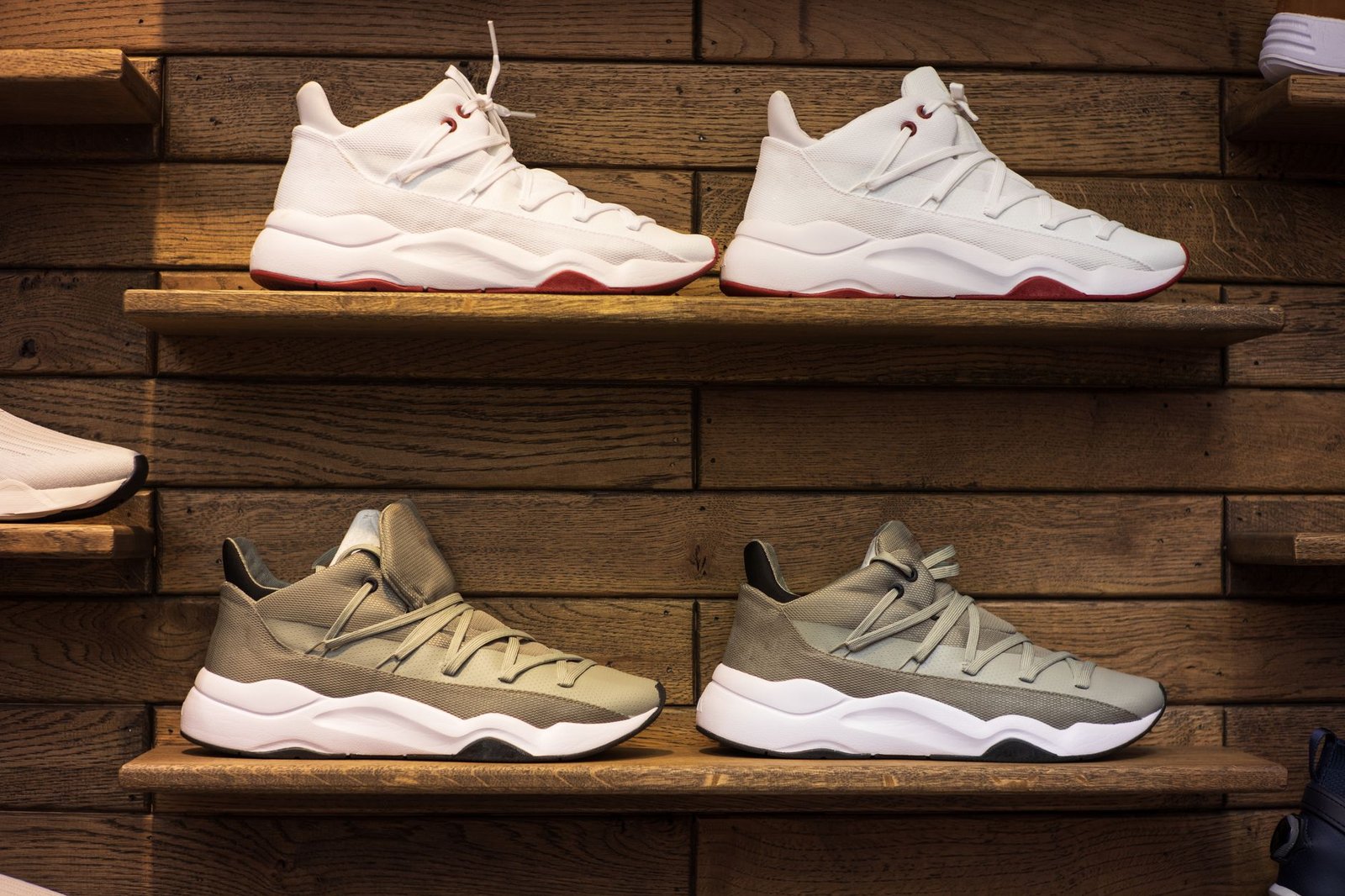
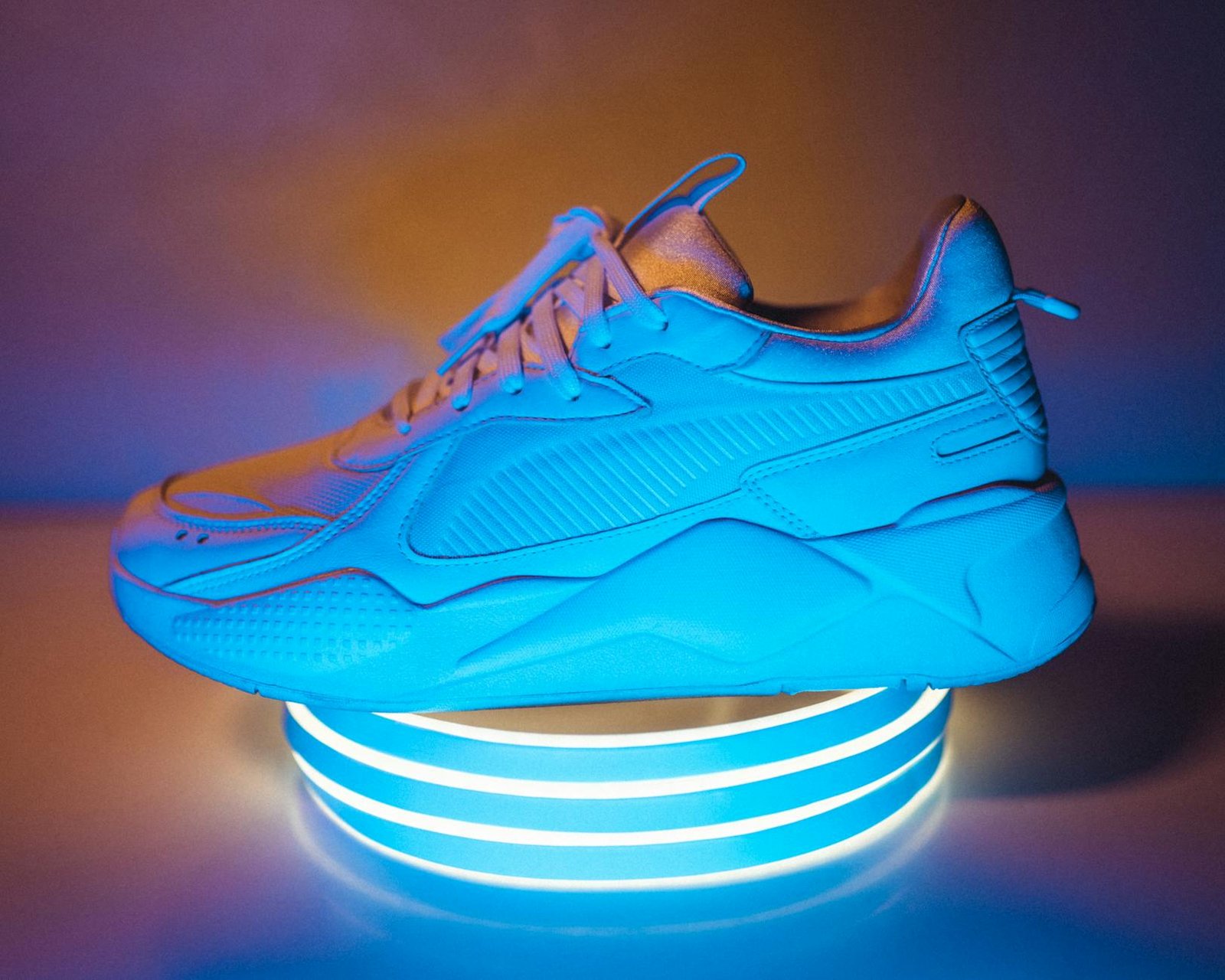
Gradient sneakers are shoes where the upper, midsole, or outsole transitions between two or more colors in a smooth, continuous fade. The gradient can cover the full shoe or appear as an accent on specific panels, laces, or the sole unit. They are common in limited-edition releases, collaboration drops, and seasonal colorway capsules from major footwear brands.
How do you style gradient sneakers without looking too busy?
Keep the rest of the outfit in the neutral range — white, grey, black, cream — when wearing gradient sneakers. One focal-point piece is enough for a streetwear outfit; gradient footwear is a strong statement that does not need competition from equally bold clothing. If wearing gradient clothing, match it to the sneaker palette so the colors coordinate rather than clash.
Are gradient sneakers hard to maintain?
Gradient sneakers require the same care as any premium colorway. Light-colored uppers in any gradient will show dirt more visibly than dark or neutral sneakers.
Mesh and knit uppers used in many gradient running silhouettes can be spot-cleaned with sneaker cleaning solutions. Suede and nubuck gradient uppers need protective spraying before wear to prevent staining that would disrupt the color transition.