Gradient Eye Makeup: How to Create Seamless Colour Transitions on Your Lids
What Is Gradient Eye Makeup?
Gradient eye makeup creates smooth, continuous colour transitions across the eyelid — from one shade to another — using blending techniques to eliminate visible boundaries between colours. The result is an eye look where colour seems to flow rather than stop and start: a seamless movement from deep to light, from one hue to its neighbour, or from a dramatic statement colour to a soft transition zone at the inner corner or browbone.
Gradient eye makeup has become increasingly central to contemporary makeup as the cultural familiarity with digital gradients — from UI design to fashion graphics — has created a visual literacy around flowing colour transitions. The technique is more forgiving than hard-lined, defined colour placement because the blending process allows correction and iteration until the transition is seamless.
Essential Tools for Gradient Eye Makeup
Blending Brushes
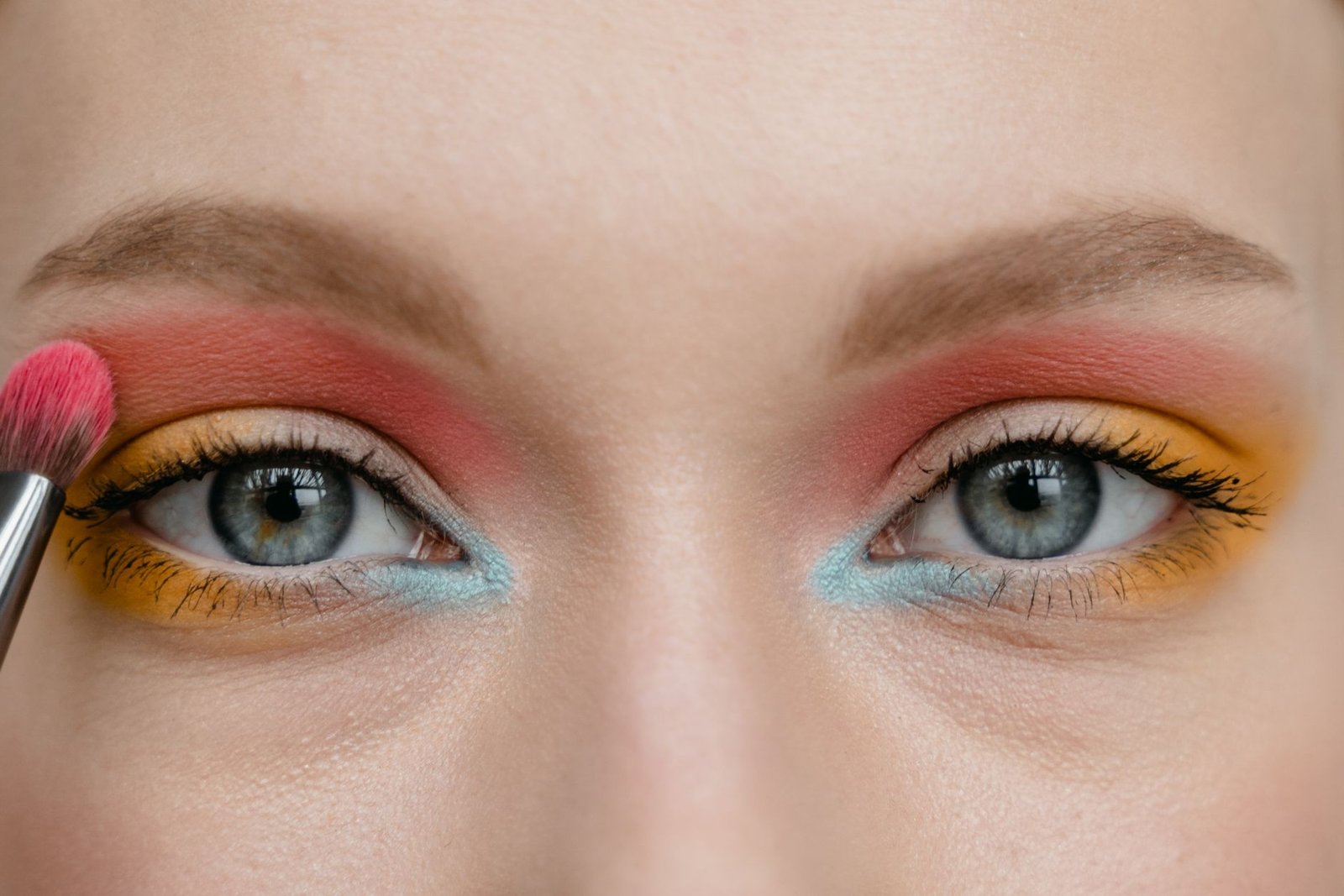
The blending brush is the most important tool in gradient eye makeup. A soft, fluffy dome-shaped brush — ideally a natural or synthetic blend that picks up product evenly — is used to work one shadow into another until no visible boundary exists. Multiple sizes are useful: a large fluffy brush for broad transition blending in the crease area, and a smaller, firmer blending brush for precise gradient work at the lash line or inner corner.
Flat Packing Brush
A flat, firm brush for pressing eyeshadow onto the lid with density. The packing brush applies the most pigmented part of the gradient — the deepest or most saturated colour — with intensity before the blending brush works it into transition. Using a packing brush for initial application and a blending brush for transition is the fundamental two-brush gradient technique.
Fan Brush
A soft, wide fan brush is useful for applying translucent transition shades over a large area — the browbone highlight, the inner corner brightness, or a broad sweep of a transitional shade across the entire lid area. The fan brush delivers colour with low intensity over a wide area, which is exactly what a gradient transition zone requires.
Quality Eyeshadow Palette
Gradient eye makeup requires eyeshadows with good blendability — smooth texture that moves across the skin under a brush without dragging. Highly pigmented, well-formulated shadows blend more seamlessly because they move under the brush with less friction. A palette that includes the full value range of a colour family — from deep to light — makes gradient technique significantly easier to execute.
Gradient Eye Makeup Techniques
The Classic Crease Gradient
The most foundational gradient eye makeup technique. Apply a medium transition shade through the crease in a windshield-wiper motion to establish the blend zone.
Apply the deepest shadow in the outer V and outer crease with a packing or flat brush. Use a clean or lightly loaded blending brush to work the deep shadow upward and outward into the transition shade, creating a seamless gradient from the outer lid upward into the crease and brow area.
Finish with a highlight shade on the browbone and inner corner for dimension.
Cut-Crease Gradient
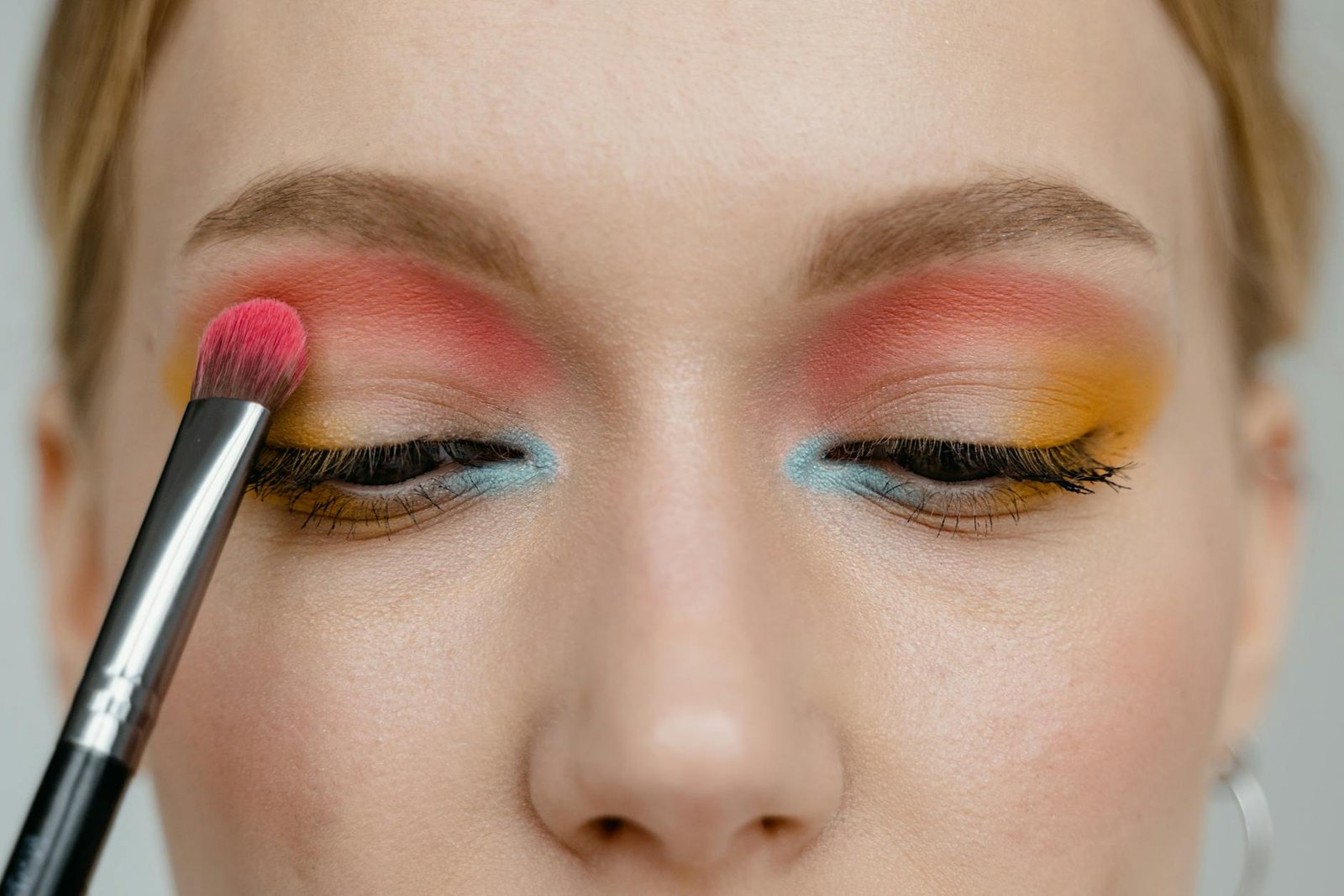
A more defined approach that creates a clear separation between a deep lid colour and a bright crease/browbone. Apply concealer to the lid as a base, press a deep or bright shadow onto the lid below the crease, and cut a precise line at the crease boundary with a flat brush.
Blend a transition shade above the cut line into the crease and blending into the browbone. The gradient exists above the crease line, while the lid colour remains saturated and defined below it.
Creates a dramatic, high-fashion eye look.
Halo Eye Gradient
A gradient that places the deepest colour at the outer and inner corners of the eye, with a bright or light colour in the centre of the lid. The gradient transitions from dark at the corners to light in the centre — the reverse of the classic deep-outer-corner formula.
Creates a rounded, open eye effect with dimensional depth at the corners framing a luminous centre. Works particularly well with complimentary or contrasting colour combinations.
Lower Lash Line Gradient
Gradient technique applied to the lower lash line as well as the upper lid — a small shadow gradient from dark at the outer lower corner to lighter toward the inner corner, blended softly. The lower lash line gradient connects the upper and lower eye looks and creates a seamlessly gradated eye appearance when viewed as a whole. Particularly important in cut-crease and editorial looks where the lower lid is visible as part of the composition.
Sunset Gradient Eye
A multi-colour gradient eye inspired by sunset colour transitions — typically moving from a deep coral or rust at the outer corner through warm orange, yellow-gold, and cream at the inner corner. The technique is the same as the classic crease gradient but uses more distinct colour steps that each need to be blended into the next. Requires clean, dry blending brushes and careful boundary management between each adjacent colour to prevent muddy mixing.
Colour Combinations for Gradient Eyes
Neutral Gradient — Brown and Caramel
A warm neutral gradient using brown, caramel, tan, and cream — the most accessible and universally flattering gradient eye combination. Deep espresso brown at the outer corner, warm caramel through the crease, tan as the mid-lid transition, cream or champagne on the inner corner and browbone. This combination works for every eye colour and skin tone and suits both everyday and dressy occasions.
Smoky Gradient — Cool Greige and Charcoal
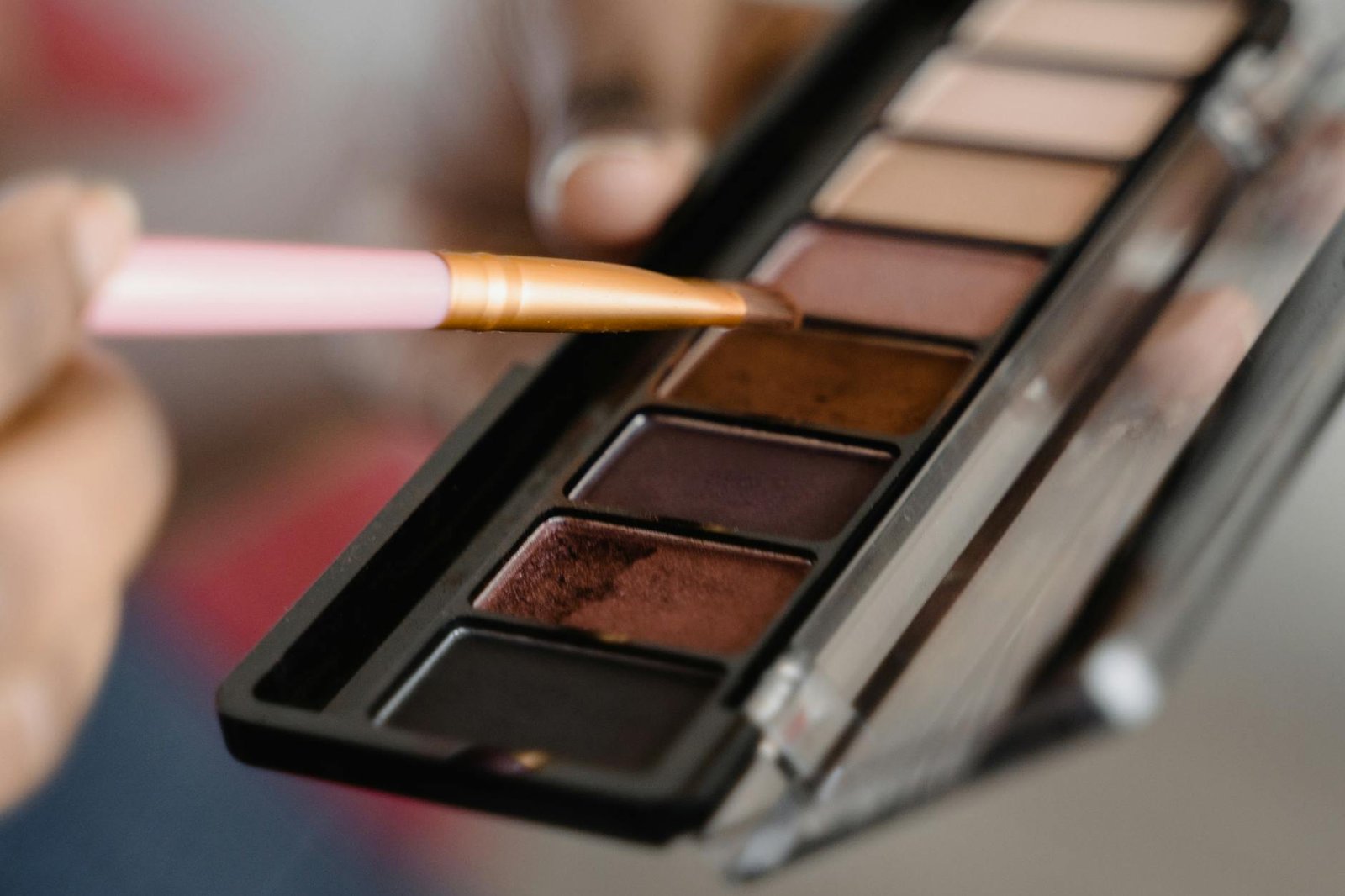
A cool-toned gradient using grey, taupe, and charcoal — a sophisticated, muted version of the classic smoky eye. Deep charcoal at the outer corner and upper lash line, medium grey through the crease, warm greige as the transition shade, soft bone highlight. This gradient reads as polished and wearable rather than dramatically editorial.
Jewel Tone Gradient — Amethyst to Sapphire
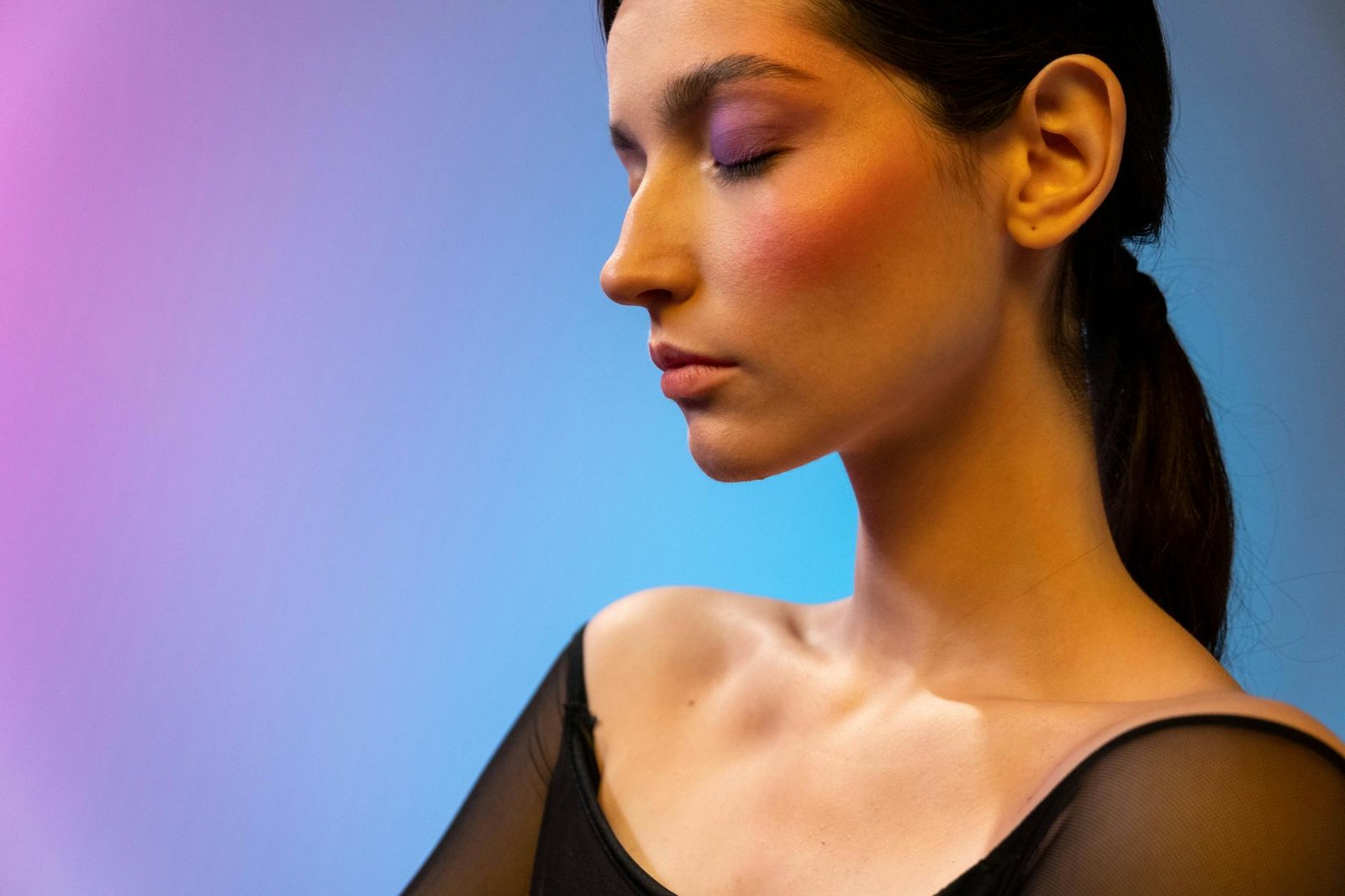
A vivid jewel-tone gradient moving from deep purple at the outer corner through violet and cobalt blue toward a silver or periwinkle highlight at the inner corner. This combination requires blending discipline because the colours are vivid enough that over-blending creates purple-grey mud. Keep the transition zone minimal and the individual colour areas distinct enough that the gradient reads as a clear colour flow rather than a uniform mid-tone.
Earthy Sunset — Terracotta to Gold
A warm earth-tone gradient from deep terracotta or rust at the outer corner through burnt orange and warm gold to a pale champagne at the inner corner. Particularly flattering for warm undertones and brown or green eyes. The warmth of the palette creates a luminous, sun-kissed quality that sits within contemporary beauty aesthetics.
Monochromatic — Plum Fade
A single hue in multiple values: deep plum at the outer corner fading through medium mauve, rose, and soft blush at the inner corner. The monochromatic approach is the easiest gradient combination to blend because all the colours share the same hue — there are no hue-transition boundaries to manage, only value transitions. Works in any colour family: navy to sky, forest to sage, chocolate to caramel.
The colour theory principles that make gradient eye makeup work — analogous harmony, complementary contrast, value relationships — are the same principles that govern clothing colour combinations. Understanding colour blocking in outfits develops the same colour literacy that gradient eye makeup technique requires.
Step-by-Step: Basic Gradient Eye
- Apply a primer or neutral base to the lid to extend wear and improve colour adhesion.
- Use a large fluffy brush to apply a transition shade (a matte, medium-value colour close to your skin tone) through the crease in windshield-wiper motions. This is the gradient’s blending zone.
- With a flat packing brush, press the deepest shadow onto the outer corner of the lid and blend it slightly into the crease area.
- Use a clean fluffy brush to blend the boundary between the deep shadow and the transition shade — work in small circular motions at the boundary until no hard line is visible.
- Apply a medium lid shadow to the centre of the lid and blend its edges into both the deep outer shadow and the transition shade.
- Highlight the inner corner and browbone with a light, shimmery or matte shade.
- Apply eyeliner and mascara if desired; line the lower lash line with the lightest or mid-tone shade from the gradient for a connected lower-lid effect.
The gradient eye look sits naturally within the broader clean girl aesthetic, where seamlessly blended, skin-enhancing makeup is the complement to minimal, elevated clothing — both disciplines share a preference for visible technique that looks effortless rather than decorative.
Professional makeup artists consistently emphasise the importance of brush quality and a gradual layering approach when building gradient eye looks. Refinery29’s expert eyeshadow guide covers the seven key techniques — from smoky eye to cut crease — that develop the brush control and blending discipline gradient eye makeup demands.
Frequently Asked Questions
How do you blend eyeshadow for a gradient effect?
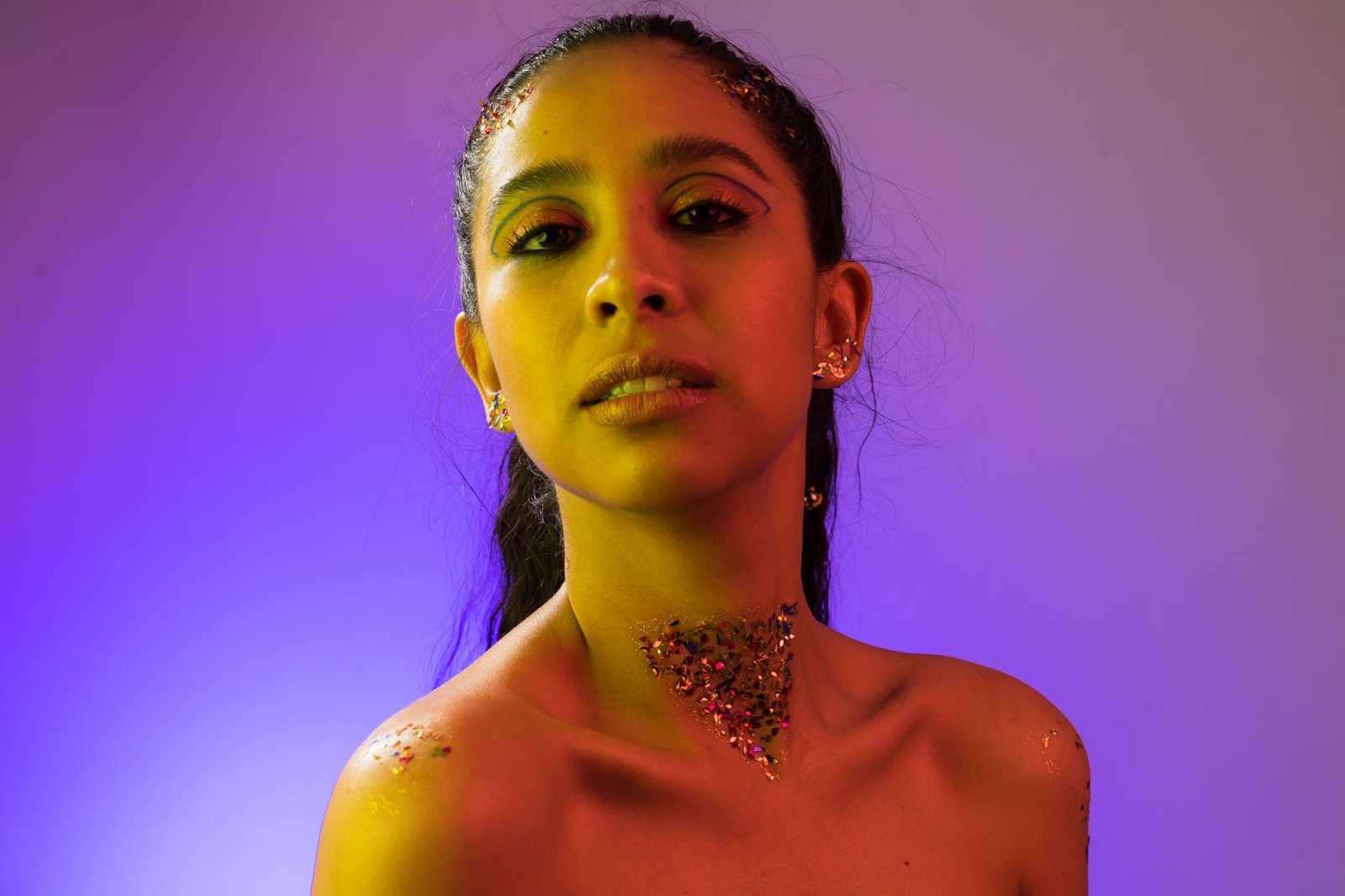
Apply the deepest colour first with a flat brush to the area you want most intense. Use a clean, fluffy blending brush in small circular or back-and-forth motions at the boundary between the deep colour and the adjacent lighter shade.
Apply the lighter shade over the blending area and continue working the brush back and forth until no visible line exists between the two colours. The key is a light touch and multiple passes — blending is gradual, not instant.
What eyeshadows work best for gradient looks?
Smooth, well-formulated eyeshadows with good blendability — the shadow should move under a brush without dragging or creating patches. Finely milled mattes work best for crease and transition areas; satin and shimmer shades work in the lid and inner corner areas.
Very glittery or chunky-particle shadows are difficult to blend into seamless gradients. Quality matters more for gradient technique than for simple single-colour application.
What’s the easiest gradient eye look for beginners?
A two-colour neutral gradient is the most forgiving starting point: a warm medium-brown transition shade blended through the crease, and a deeper espresso or dark brown at the outer corner, faded upward into the transition shade. Add a highlight shade to the inner corner and browbone. This requires only three colours and the technique errors are less visible than in vivid-colour or multi-step gradient combinations.