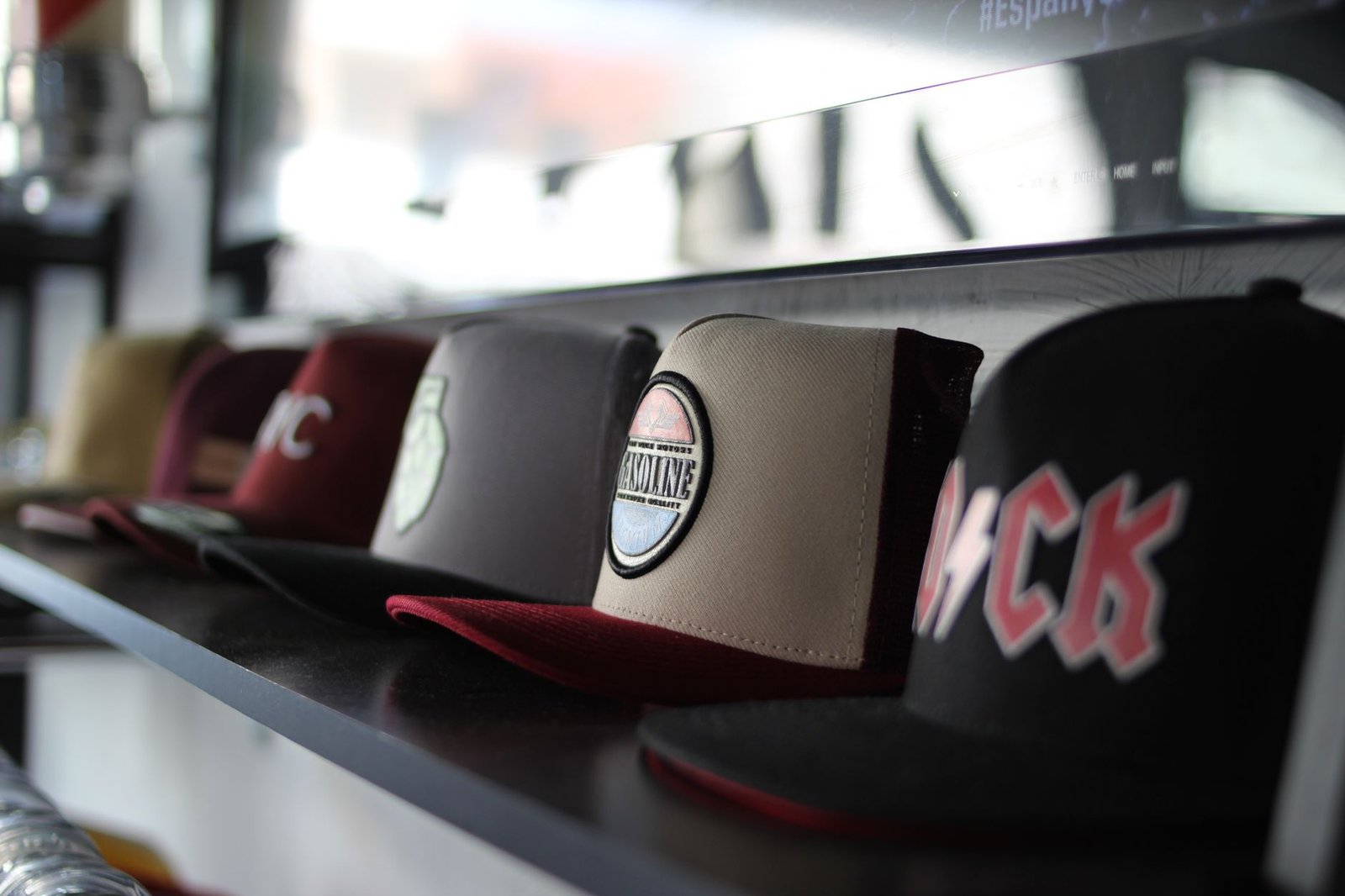
Streetwear Caps and Hats Guide: Every Style and How to Wear Them
Hats as Streetwear Language
In streetwear, headwear communicates subcultural affiliation, brand knowledge, and aesthetic identity as efficiently as any other garment category. The type of cap you wear, the brand it carries, the way you position it, and whether it sits alone or within a broader layered outfit — all of these choices are read as signals within streetwear culture with the same precision that shoe selection carries. Understanding the streetwear hat vocabulary is part of understanding streetwear as a whole.
Fitted Cap (New Era 59FIFTY)
The fitted cap — the New Era 59FIFTY — is the foundational streetwear cap, rooted in 1990s East Coast hip-hop culture as the first adoption of professional team-licensed headwear as a fashion statement. The 59FIFTY is defined by its structured high crown, flat brim, and team logo embroidery, available in every Major League Baseball, NBA, and NFL team colourway.
The fitted cap is worn flat-brimmed (brim flat, as purchased, not curved) in streetwear contexts — a distinction that signals subcultural literacy. The correct position is either straight forward, slightly tilted, or turned backward.
The 59FIFTY has been a consistent streetwear staple since the early 1990s and shows no signs of cultural obsolescence in 2026.
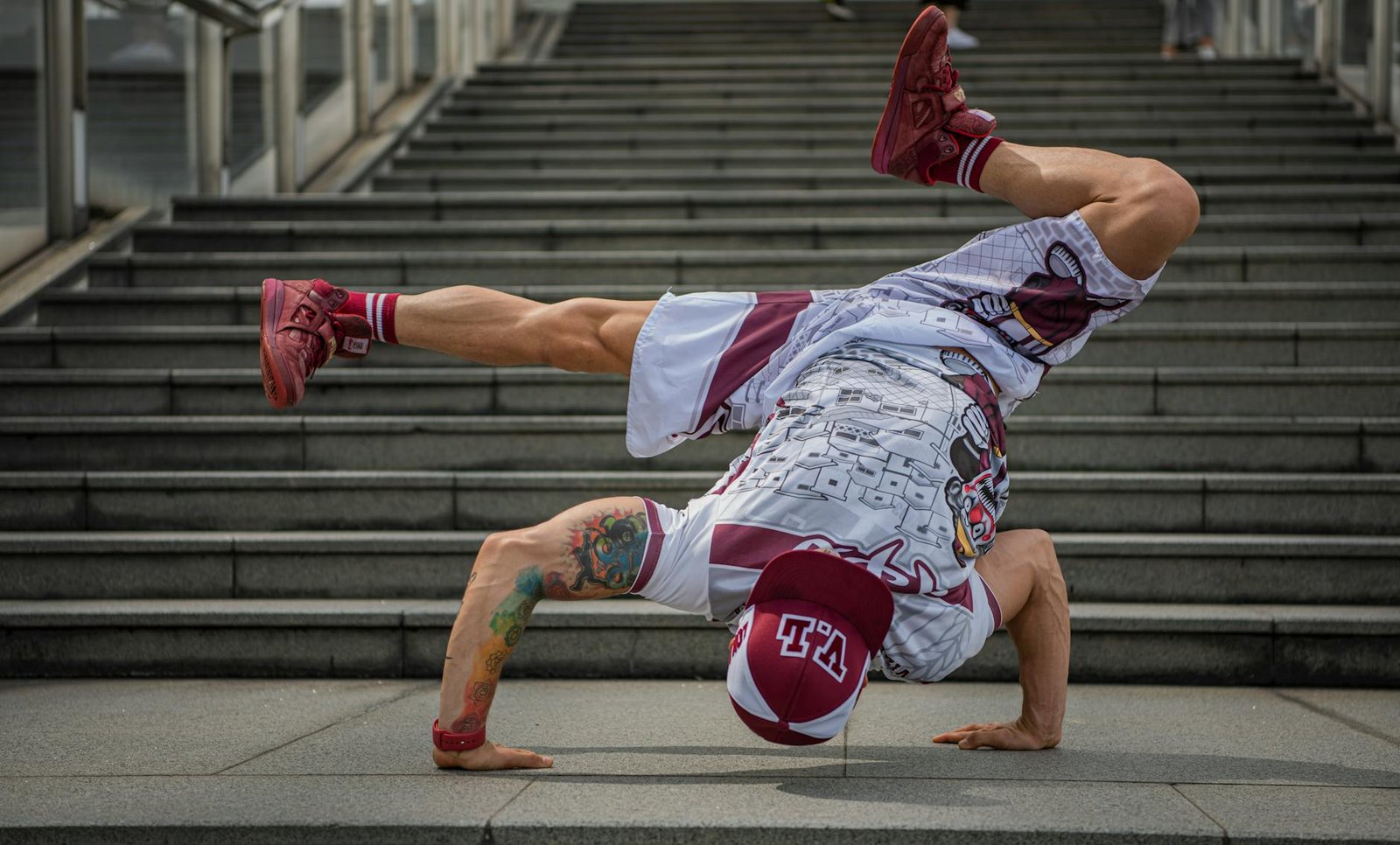
Wear it with: Oversized hoodies, graphic tees, baggy jeans, cargo shorts. The fitted cap belongs in the more hip-hop-adjacent streetwear register.
Snapback Cap
The snapback — a structured cap with a flat brim and adjustable snap closure at the back — democratised the team-cap aesthetic by removing the sizing barrier of the fitted cap. The snapback became a defining streetwear accessory of the early 2010s and remains highly relevant.
The flat brim, the structured crown, and the snap closure are its defining visual characteristics. Snapbacks are available in team colourways and in brand-logo and collaborative iterations across the full streetwear brand ecosystem.
Wear it with: Most streetwear outfit formulas. More flexible than the fitted cap because the adjustable closure allows a better fit across different styling positions.
Dad Cap / Six-Panel Cap
The dad cap is characterised by its soft, unstructured crown, curved brim, and typically minimal branding — a deliberate contrast to the rigid architecture of the fitted cap and snapback. The dad cap’s aesthetic is intentionally understated: a low-key embroidered logo or a plain surface rather than bold team or brand statements. The dad cap’s popularity within contemporary streetwear reflects a broader shift toward restraint and anti-hype positioning within the culture — the anti-snapback, in a sense, though worn within the same culture.
Wear it with: Almost any casual or streetwear outfit. The soft construction and minimal branding make the dad cap the most versatile cap style and the one that creates the least aesthetic tension with what’s being worn below it.
Bucket Hat
The bucket hat — a soft, downward-brimmed hat with a round crown — has been through multiple waves of streetwear relevance. Its origins are in fishing and outdoor utility; its adoption into hip-hop culture in the early 1990s (LL Cool J, Run-DMC, A Tribe Called Quest) established it as a streetwear staple.
The 2010s and 2020s saw its return to significant cultural relevance through the festival and British streetwear scenes, with brand-logo bucket hats from Supreme, Palace, Stüssy, and others becoming highly desirable pieces. In 2026, the bucket hat is a stable streetwear staple rather than a trend.
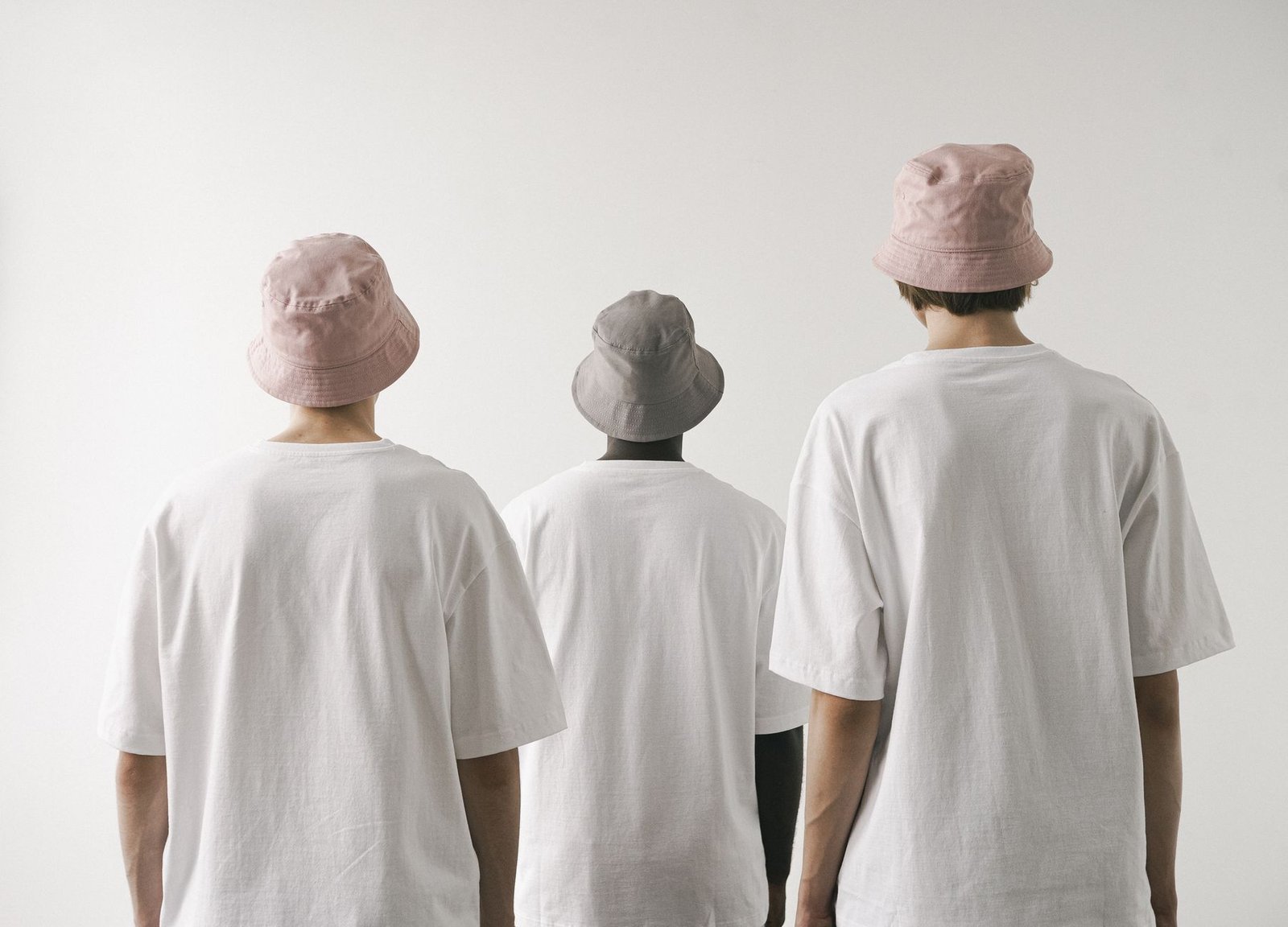
Wear it with: Relaxed streetwear outfits, summer and warm-season looks. The bucket hat’s relatively casual associations make it better suited to relaxed outfit formulas than to elevated-casual combinations.
Beanie
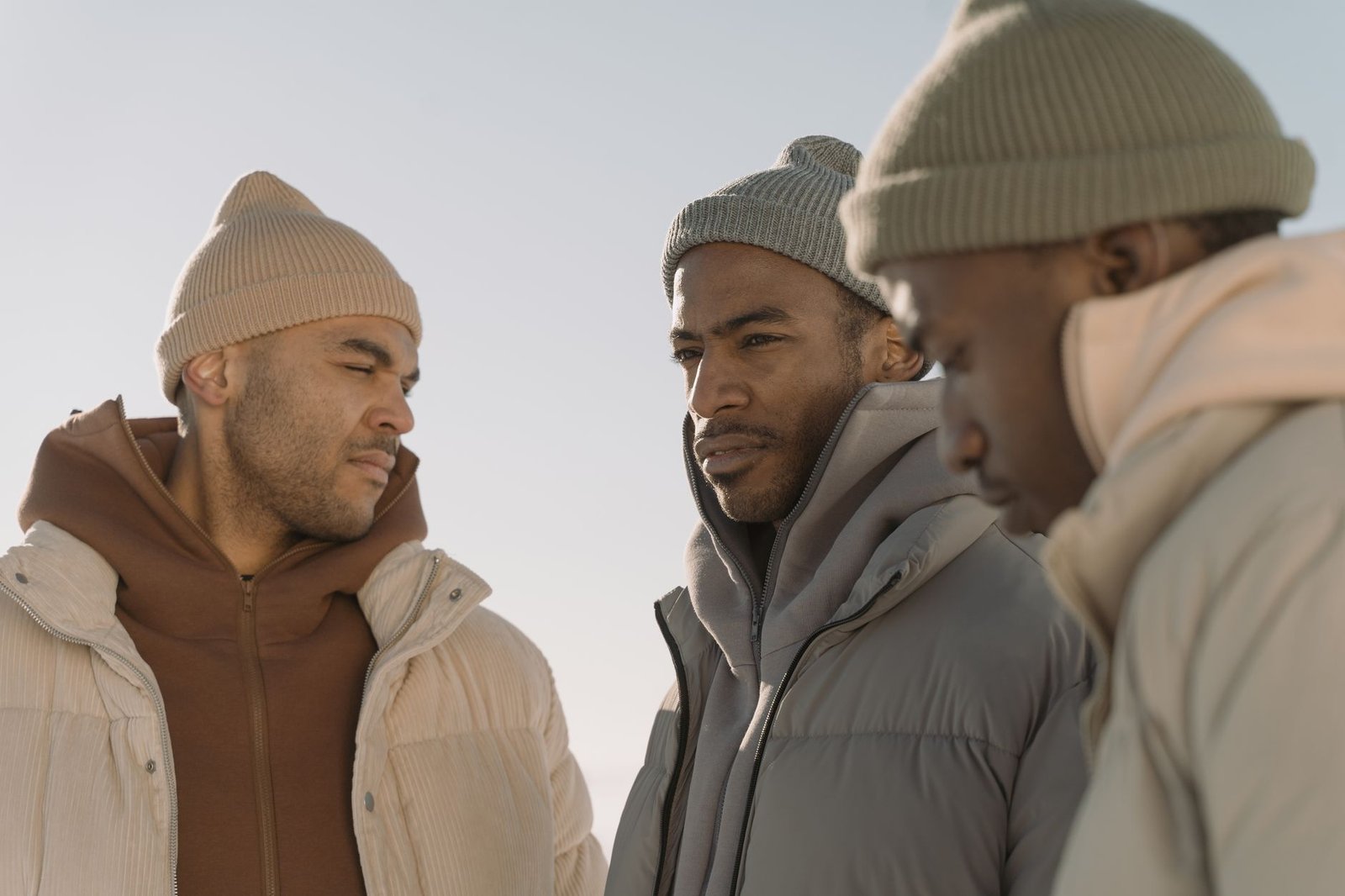
The beanie — a close-fitting knit cap in ribbed, cable, or plain construction — is one of the most essential headwear pieces in streetwear and broader casual fashion. The streetwear beanie is typically worn with a slight slouch at the back of the head or slightly forward over the forehead — not pulled down to cover the ears in a purely functional way.
The beanie communicates both subcultural affiliation and casual warmth without the brand specificity of a cap. Logo beanies (Supreme, Palace, Arc’teryx, The North Face) are the most culturally specific versions; plain beanies in earthy or dark tones are the most versatile.
Wear it with: Any layered outfit in autumn and winter. The beanie integrates with gorpcore, indie aesthetic, classic streetwear, and almost every other aesthetic framework without creating aesthetic tension.
Five-Panel Cap
The five-panel camp cap — a structured hat with five fabric panels, a short brim, and a mesh back — is associated with the outdoors and athletic crossover within streetwear, particularly with skate culture and the gorpcore-adjacent streetwear world. The five-panel has a specific lightness and a slightly more refined profile than a standard snapback. Palace, Supreme, and various outdoor brands have produced five-panel versions that carry significant streetwear cultural weight.
Wear it with: Skate-adjacent streetwear, gorpcore and technical outdoor aesthetic outfits, casual summer dressing.
Trucker Cap
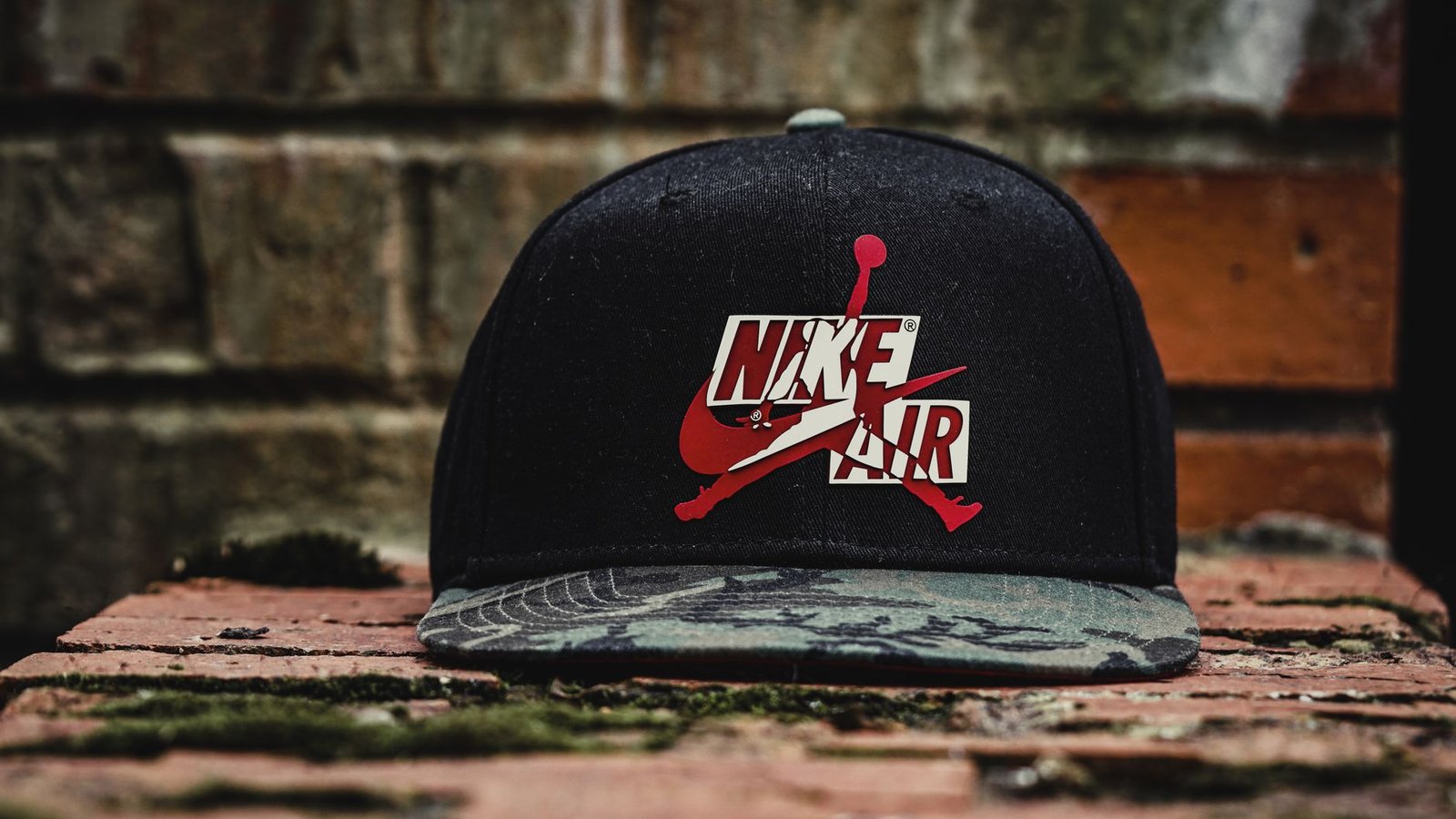
The trucker cap — a foam-fronted, mesh-backed cap with a curved brim — was adopted into streetwear culture through its ironic recoding as Americana workwear in the early 2000s, then became a legitimate streetwear category in its own right. The trucker cap’s visual appeal is the contrast between its utilitarian construction and its adoption of brand graphics, logo art, and subcultural references. Von Dutch in the early 2000s was the first major streetwear trucker moment; subsequent waves have brought it back through independent and luxury collaborations.
Wear it with: Y2K-adjacent and Americana-influenced outfits. The trucker cap’s associations are specific enough that it functions as an aesthetic signal rather than a neutral accessory.
Knit Cap / Fisherman Beanie
A tighter, shorter knit cap that sits closer to the head than a standard beanie — the fisherman cap style. Associated with workwear and maritime heritage, adopted into streetwear through the workwear crossover wave.
Sits flat on the crown, sometimes ribbed, worn with the brim slightly folded up. One of the cleaner hat silhouettes in streetwear and particularly suited to the more minimal or heritage-influenced aesthetic registers.
Positioning and Styling Cap Rules
- Flat brim = hip-hop/streetwear coded — straight brim indicates cultural specificity and intentionality
- Curved brim = casual/dad-coded — no specific subcultural signal, maximum accessibility
- Slightly offset angle — tilted slightly to one side communicates relaxed confidence
- Backward cap — the reversed fitted or snapback is a 1990s-coded reference that reads as deliberate when worn in 2026
- High on the head — worn with space at the top of the crown, not pulled down tightly — the contemporary standard position
The fitted cap’s evolution from sportswear staple to collector’s object reflects the broader trajectory of streetwear accessories culture, where scarcity and subcultural knowledge drive demand for specific colourways and editions. WWD’s feature on hat culture documents how the cap collecting community operates with the same intensity previously associated with sneaker culture.
Frequently Asked Questions
What hats are part of streetwear culture?
The core streetwear hat categories are the fitted cap (New Era 59FIFTY), snapback, dad cap, bucket hat, beanie, and five-panel cap. Each carries different subcultural associations and works best within specific aesthetic registers. The fitted cap and snapback are most hip-hop-coded; the bucket hat and dad cap are most casual; the beanie is most versatile; the five-panel is most skate or gorpcore-adjacent.
How do you wear a streetwear cap?
Structured caps (fitted, snapback) are worn with the brim flat, not curved, and positioned slightly high on the head rather than pulled down. A slight angle or offset adds casual confidence.
Soft caps (dad cap, bucket hat) follow the same high-on-the-head principle but the brim curvature is part of their natural construction. Beanies are worn with a slight backward slouch — not tight to the skull, not down over the ears unless for warmth.