
How to Build Aesthetic Outfits: The Complete Guide to Intentional Dressing
What Does It Mean to Dress Aesthetically?
To dress aesthetically means to dress with intentionality — to make conscious choices about colour, silhouette, texture, and overall visual impression rather than simply selecting whatever is available or whatever is comfortable. Aesthetic dressing doesn’t mean dressing fashionably in the trend-following sense; it means dressing in a way that reflects a coherent personal vision and communicates something specific about who you are and how you see the world. The word “aesthetic” describes the quality of intentional visual coherence — an outfit that works as a complete visual statement rather than as a collection of individual pieces.
Building aesthetic outfits is a learnable skill. It requires understanding a small number of principles — how colour works, how silhouette creates proportion, how pieces relate to each other in a complete outfit — and applying them consistently within a chosen aesthetic framework. This guide covers those principles and provides a practical approach for building a wardrobe and outfit-making practice that creates consistently intentional, aesthetically coherent looks.
Step 1: Identify Your Aesthetic
What Attracts Your Attention?
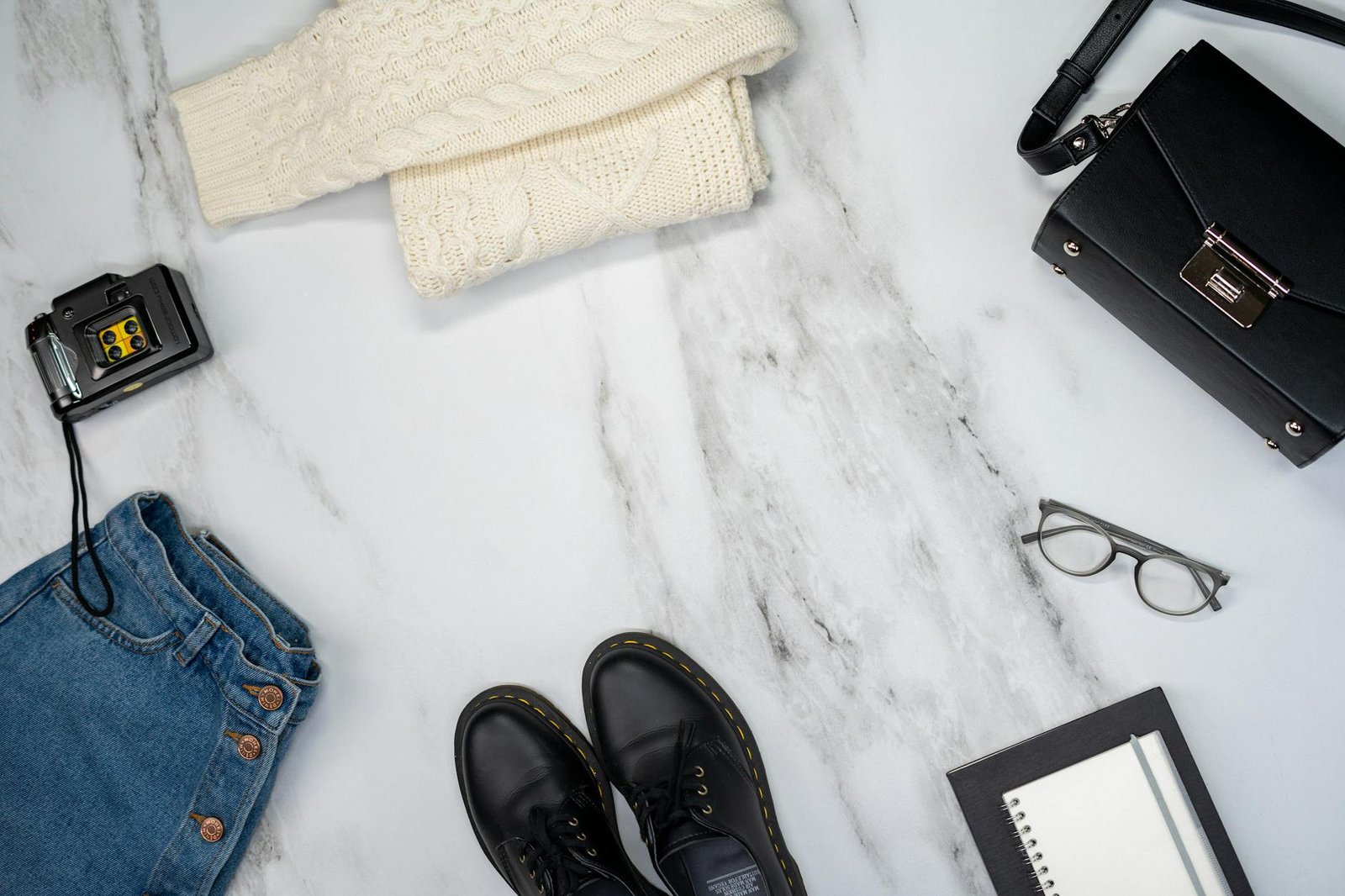
The most reliable way to identify your genuine aesthetic is to observe what you are naturally drawn to — what fashion images you save, what outfits on other people you admire, what clothing you feel most like yourself in. Look at what you actually save and love rather than what you think you should like or what gets the most engagement.
Patterns will emerge: consistent colour families, consistent silhouette preferences, consistent garment types. These patterns reveal your genuine aesthetic orientation more reliably than any quiz or analysis.
Name Your Aesthetic (Or Don’t)
Named aesthetics — dark academia, streetwear, cottagecore, clean girl — provide useful shorthand and community frameworks, but you don’t need to adopt a single named aesthetic as your fashion identity. Many people’s genuine aesthetic is a combination of influences: streetwear silhouettes with dark academia colour palette, or cottagecore fabric preferences with minimalist colour restraint. Using named aesthetics as reference points rather than rigid frameworks is more useful than trying to fit entirely within a single named aesthetic’s rules.
Step 2: Build a Core Wardrobe
The Foundation Pieces
Every aesthetic has a set of foundation pieces — the garments that define the aesthetic’s visual character and that most outfit combinations within the aesthetic will include. Identify three to five foundation pieces for your chosen aesthetic: the specific type of trousers, the characteristic outer layer, the signature top type, the key shoe.
These pieces are your core wardrobe investment priority. Everything else builds around them.
The Neutral Base
Within any aesthetic, some pieces function as neutral bases — items that work with almost everything else in the wardrobe and that the outfit’s visual interest builds on top of. A plain black tee, white straight-leg jeans, a simple cashmere crewneck, or a classic camel coat might be neutral bases depending on the aesthetic. Investing in neutral bases in high quality is more valuable than investing in many trend or statement pieces — the neutral base gets worn far more often and provides the reliable foundation for the outfit formula.
Statement and Interest Pieces
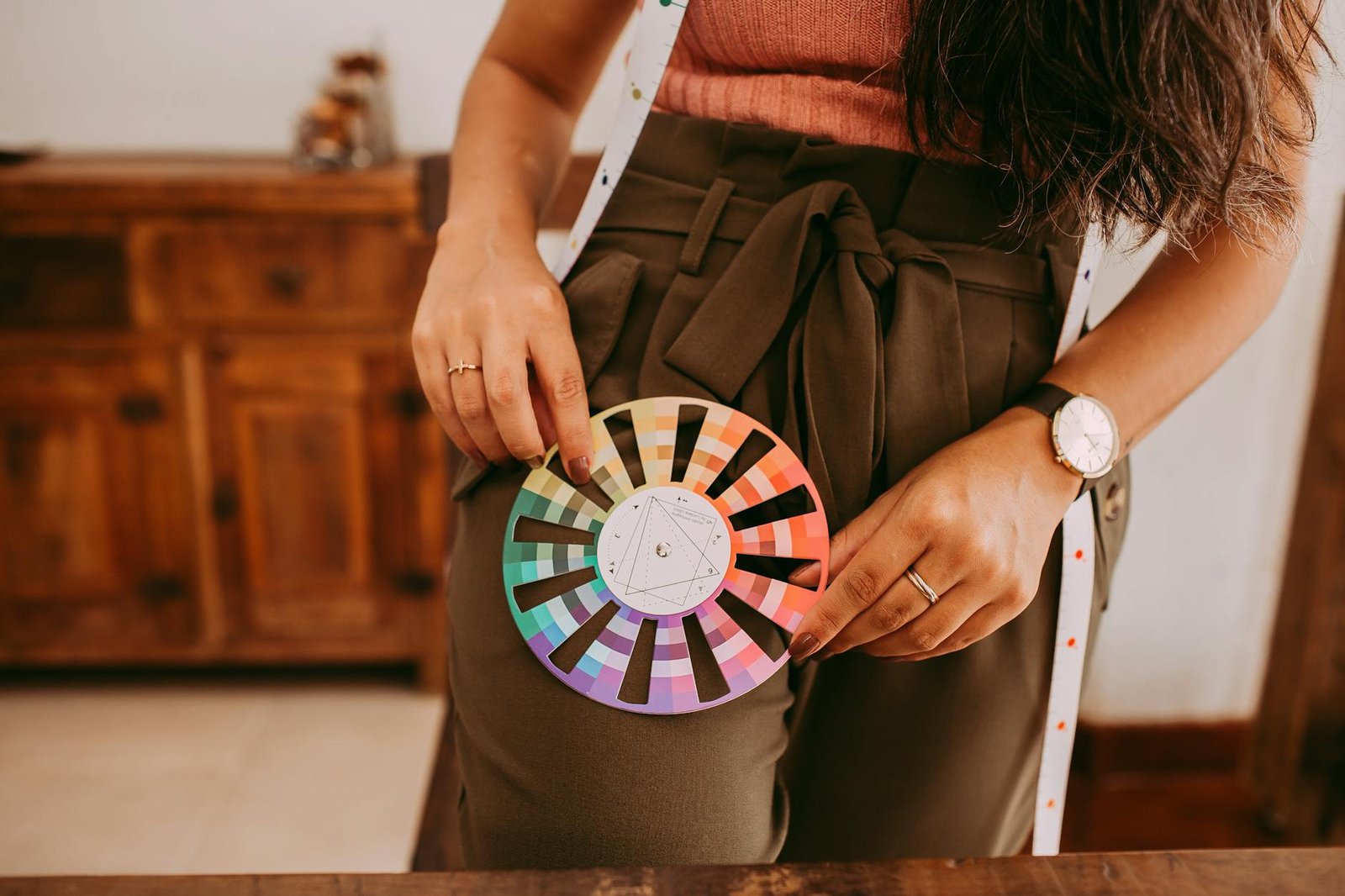
The pieces that provide the outfit’s visual distinctiveness — the graphic tee, the printed dress, the bold colour item, the statement accessory. Statement pieces should be chosen for compatibility with the neutral base rather than in isolation. A statement print skirt that doesn’t work with any other item in the wardrobe delivers lower value than one that works with multiple existing neutrals.
Step 3: Understand Colour
Your Aesthetic’s Palette
Every named aesthetic has a characteristic colour palette — dark academia’s deep burgundy and charcoal, clean girl’s warm neutrals, streetwear’s primarily black-anchored palette. Working within your aesthetic’s palette creates built-in outfit cohesion — pieces in the same palette automatically coordinate with each other, reducing the cognitive work of outfit-building. Buying outside your palette, even if the individual piece is beautiful, creates items that don’t fit into your existing wardrobe combination system.
Tonal Dressing
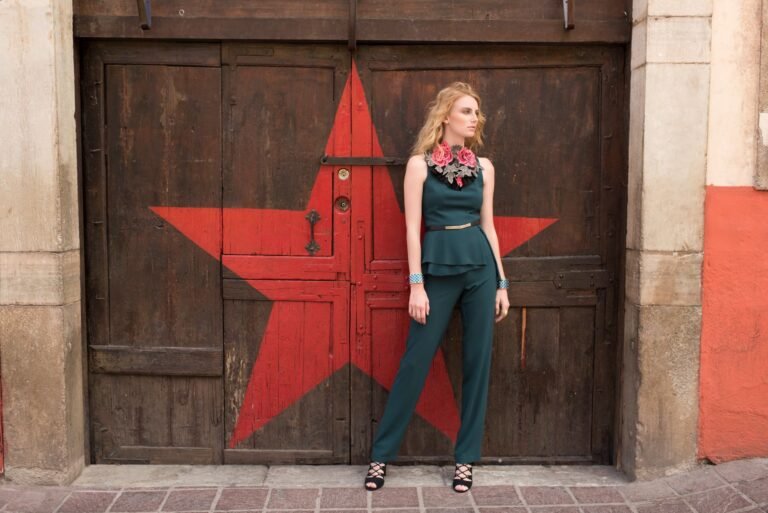
Tonal or monochromatic dressing — wearing pieces in the same colour family from head to toe — is one of the most reliable and sophisticated outfit-building approaches available across all aesthetic frameworks. The tonal approach works because colour coordination is effortlessly resolved: everything is the same colour.
The outfit’s interest comes from texture and silhouette variation within the colour family rather than from colour contrast. A tonal navy outfit, a tonal camel outfit, or an all-black outfit will always look intentional and coherent regardless of the specific pieces used.
The 60-30-10 Colour Rule
A useful proportion rule for multi-colour outfits: 60% of the outfit in a dominant colour, 30% in a secondary colour, 10% in an accent. The dominant colour (often a neutral) provides the outfit’s ground; the secondary colour provides the primary visual interest; the accent is a small amount of a contrasting or complementary tone in accessories or details. This proportion creates visual balance without the outfit becoming monotonous or chaotic.
Step 4: Understand Silhouette and Proportion
Volume Balance
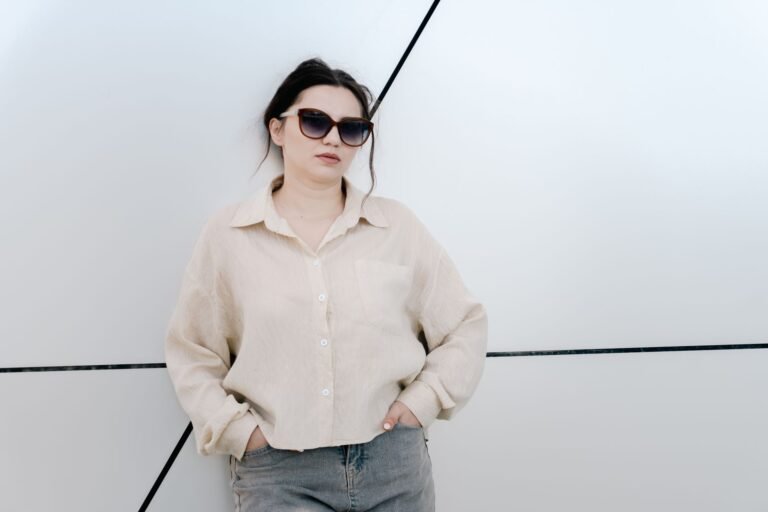
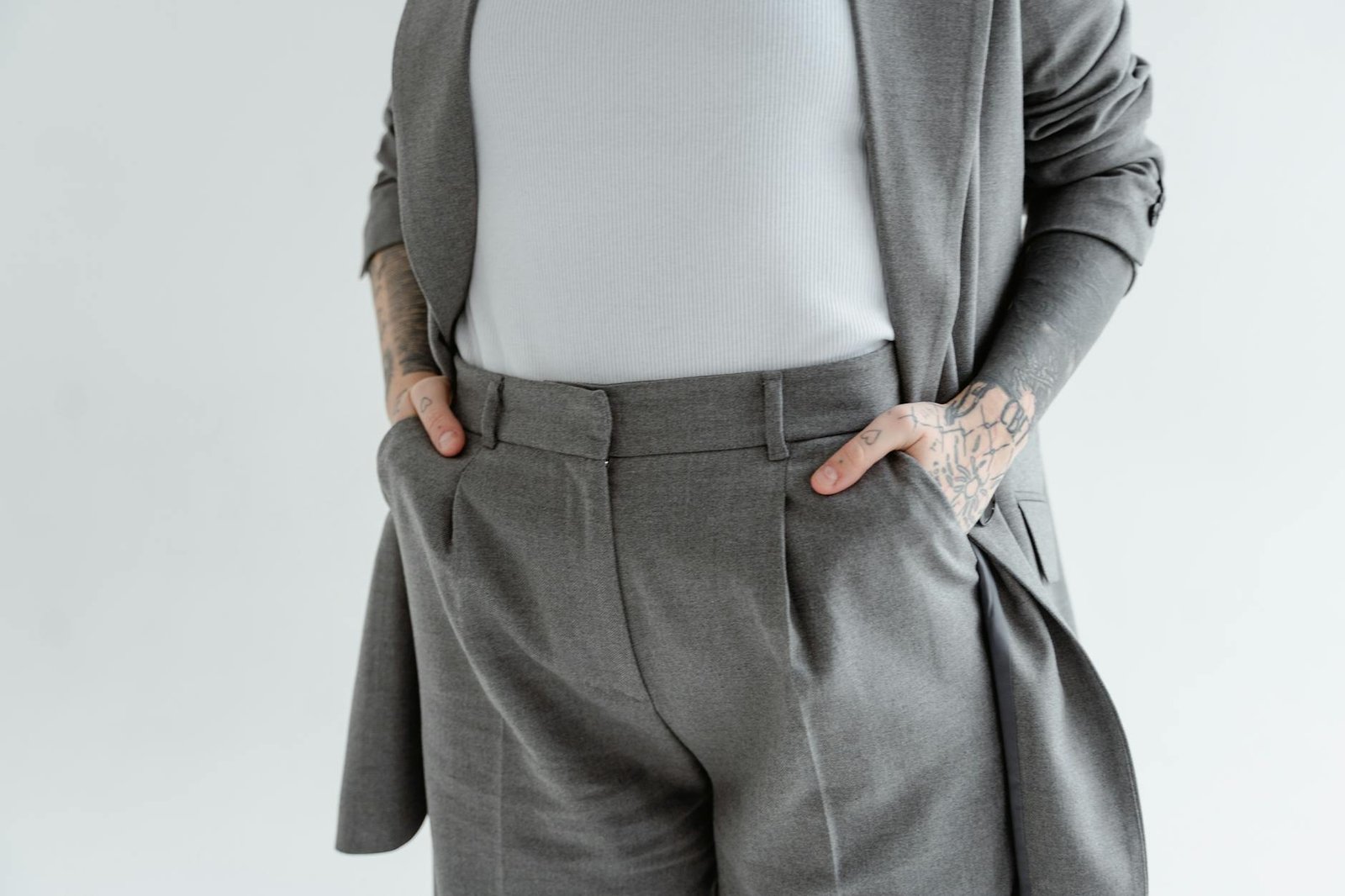
The most fundamental outfit proportion principle: balance volume between the top and bottom halves of the outfit. An oversized or voluminous top works best with a fitted or slim bottom; a wide-leg or voluminous bottom works best with a fitted or tucked-in top.
Both halves oversized creates visual shapelessness; both fitted creates a very clean, structured aesthetic — both are valid but both are deliberate choices rather than defaults. The volume balance principle applies across every aesthetic and garment combination.
Hem Lengths and Layers
The relationship between top and skirt hem, or between layers of different lengths, creates either coherent or chaotic visual lines depending on how they interact. A top that ends at the same length as a waistband creates a confused silhouette; a top that ends clearly above or below the waistband creates a clean one. Layer lengths that are clearly different from each other (a short top over a much longer skirt, or a long coat over a clearly shorter trouser) create deliberate visual lines; layers that end near each other in length create muddled ones.
Step 5: Accessories and Finishing
The Finishing Principle
An outfit is finished when no individual element is calling attention to itself as incomplete or missing — when the footwear is consistent with the outfit’s aesthetic register, when the bag works with the overall palette and character, when the jewellery is present or deliberately absent. Unfinished outfits usually have one element that’s inconsistent with the rest: trainers with an otherwise formal outfit, a very casual bag with a dressed-up look, or missing accessories when the outfit’s proportion requires them. Identify the element that needs resolution and resolve it.
The process of identifying your aesthetic covered in Step 1 is itself a deeper project than a single guide can fully address. Our dedicated guide to how to find your personal style explores the longer-term process of developing a coherent fashion identity — including how to evaluate your existing wardrobe, identify recurring preferences, and move toward a more consistent and intentional approach to dressing.
Refinery29’s guide on how to figure out your personal style takes a similar approach to the one outlined here — encouraging readers to step back from social media trend cycles and focus on what they’re genuinely drawn to, using existing wardrobe preferences as the starting point for a more authentic fashion identity.
Frequently Asked Questions

How do I find my personal fashion aesthetic?
Start by observing what you’re naturally drawn to: which images you save, which outfits you admire on others, which pieces in your current wardrobe you reach for most consistently. Look for patterns in colour family, silhouette type, and garment category.
These patterns reveal your genuine aesthetic preferences more reliably than any analysis or quiz. Once patterns are identified, research whether any named aesthetic captures the combination — if it does, use it as a reference framework; if not, define your own combination.
How do I make every outfit look good?
Apply three principles consistently: (1) balance volume — oversized top with fitted bottom, or wide-leg bottom with fitted top; (2) stay within your aesthetic’s colour palette so pieces coordinate automatically; (3) finish the outfit — ensure footwear, bag, and accessories are consistent with the rest of the outfit’s aesthetic register. These three principles resolve the majority of outfit-building problems regardless of aesthetic framework or specific garment choices.