Colour Blocking Outfits: How to Wear Bold Colour Combinations
What Is Colour Blocking?
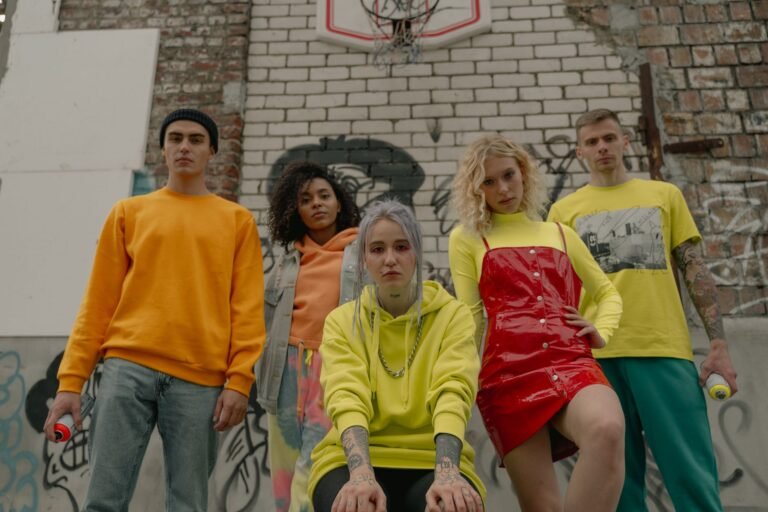
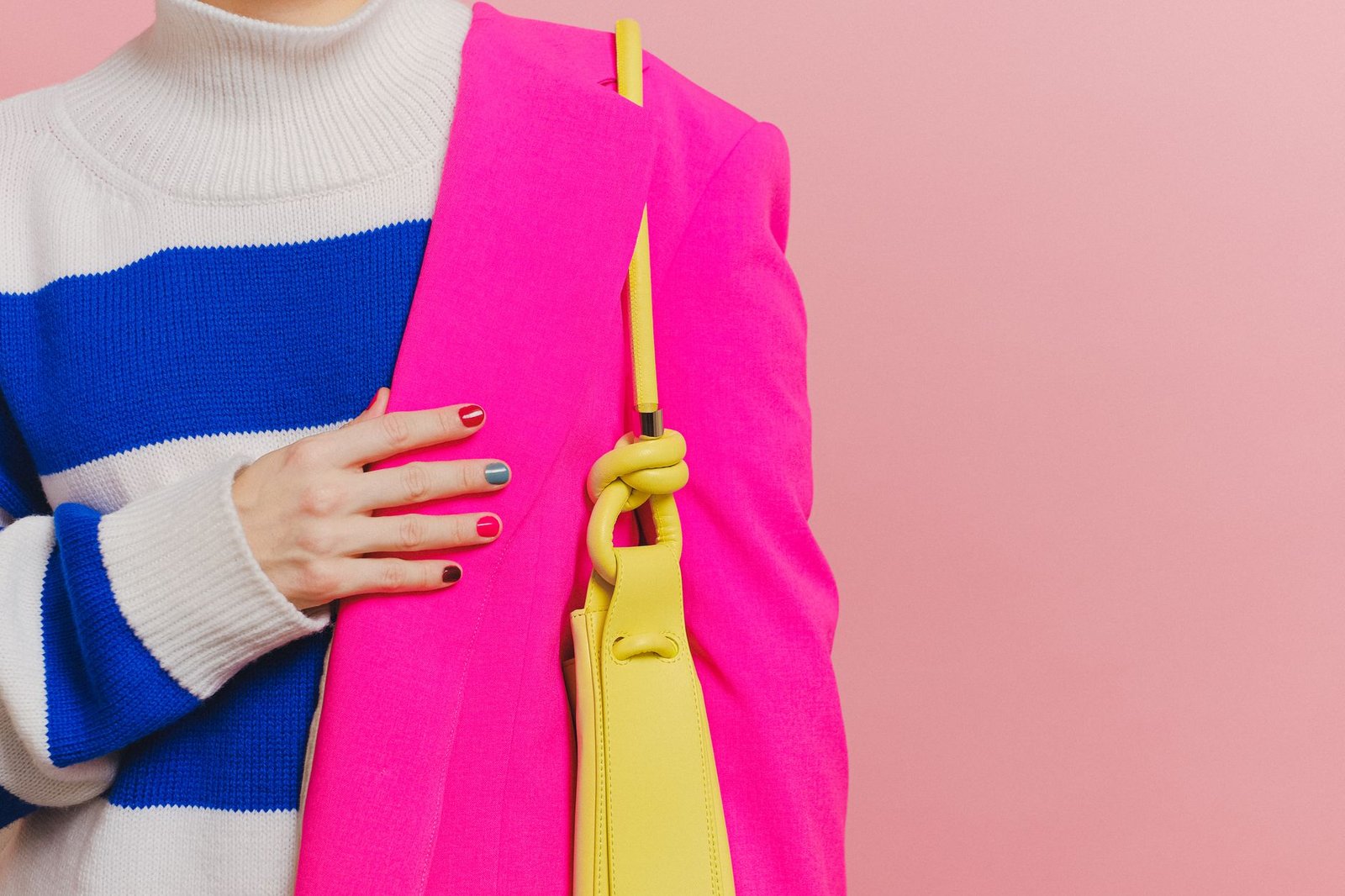
Colour blocking is the deliberate pairing of two or more solid, distinctly contrasting colours in a single outfit — typically wearing each colour in a single, unbroken panel (a top in one colour, a bottom in another) rather than mixing prints or patterns. The result is a strong, graphic, visually assertive outfit that reads as deliberately fashion-forward.
The term was popularised by the fashion world’s fascination with artists like Mondrian and the Pop Art movement, but colour blocking itself has been a fundamental principle of fashion design for as long as clothing has existed. Today, it is one of the clearest signals of an intentional, considered approach to dressing.
Colour Blocking Principles

Complementary Colours
Complementary colours — colours opposite each other on the colour wheel — create the strongest and most visually dynamic colour blocking combinations. Classic complementary pairs:
- Orange + blue — one of fashion’s most photographed combinations
- Red + green — bold and graphic; requires confident styling
- Purple + yellow — high contrast; very editorial in character
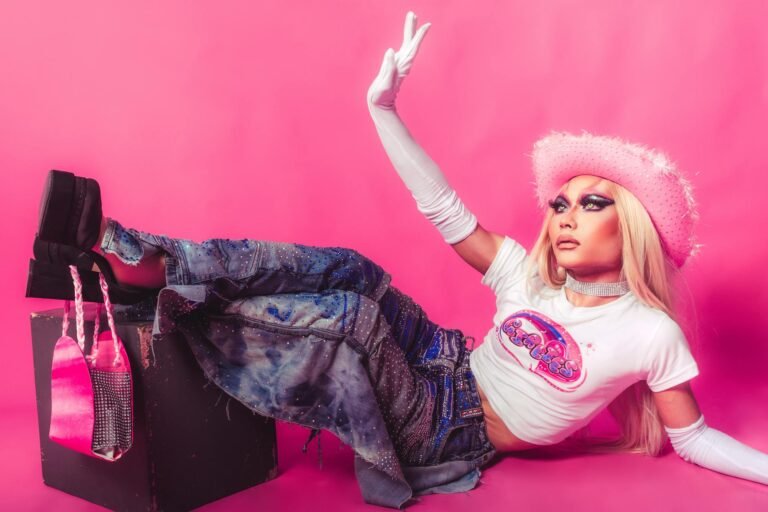
- Pink + green — a softer complementary combination; highly wearable
Tonal Colour Blocking
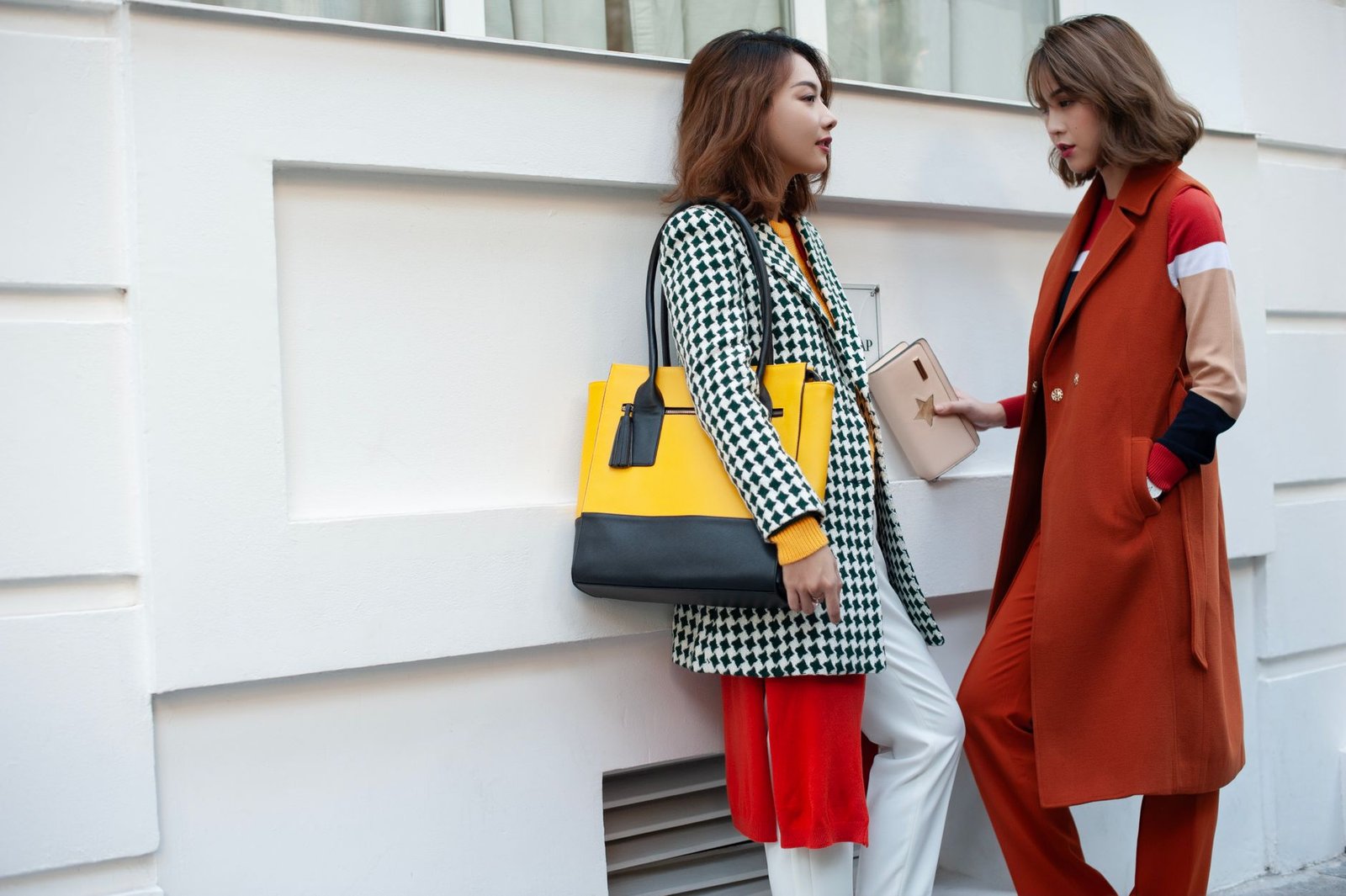
Tonal colour blocking uses different shades of the same colour family — pale blue with cobalt, blush with deep burgundy, sage with forest green. This creates a more subtle, cohesive version of colour blocking that reads as more wearable and more broadly appropriate. Tonal colour blocking is the entry point for those who want to wear colour more boldly without fully committing to high-contrast combinations.
According to the Pantone Colour Institute, tonal colour dressing has become one of the most consistent and most influential approaches in fashion’s relationship with colour — the nuanced play of shades within a single colour family creates sophisticated visual interest that pure monochrome cannot.
Colour Blocking Outfit Formulas
Two-Colour Blocking: Top + Bottom
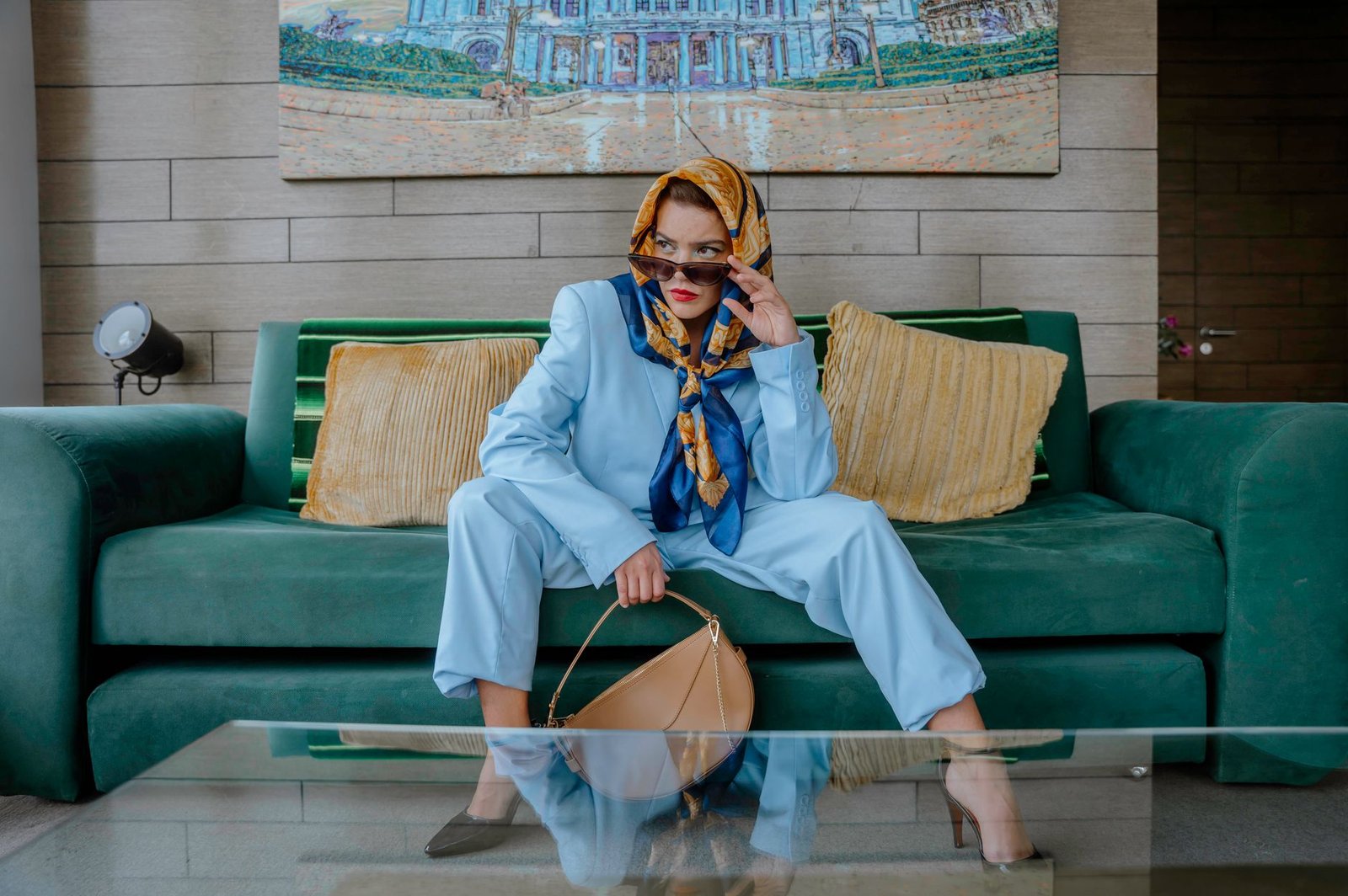
The simplest and most effective colour blocking formula: a solid-colour top in one colour with a solid-colour bottom in a contrasting colour. The top and bottom should each be a single, unbroken colour with no print, pattern, or competing texture.
- Cobalt blue wide-leg trousers + orange fitted top
- Cherry red midi skirt + hot pink knit top
- Emerald wide-leg trousers + cobalt fitted blazer
- Mustard culottes + terracotta silk blouse
Three-Colour Blocking

Adding a third colour — typically through footwear or an outer layer — creates a more complex colour blocking statement. The most successful three-colour combinations use one neutral to anchor the two statement colours, or use a triadic colour combination (three colours equally spaced on the colour wheel).
For example: a camel coat (neutral anchor) over a red top and blue tailored trousers creates a three-colour combination where the camel acts as a grounding element between the two stronger colours.
Colour Blocking by Piece Type
With a Blazer
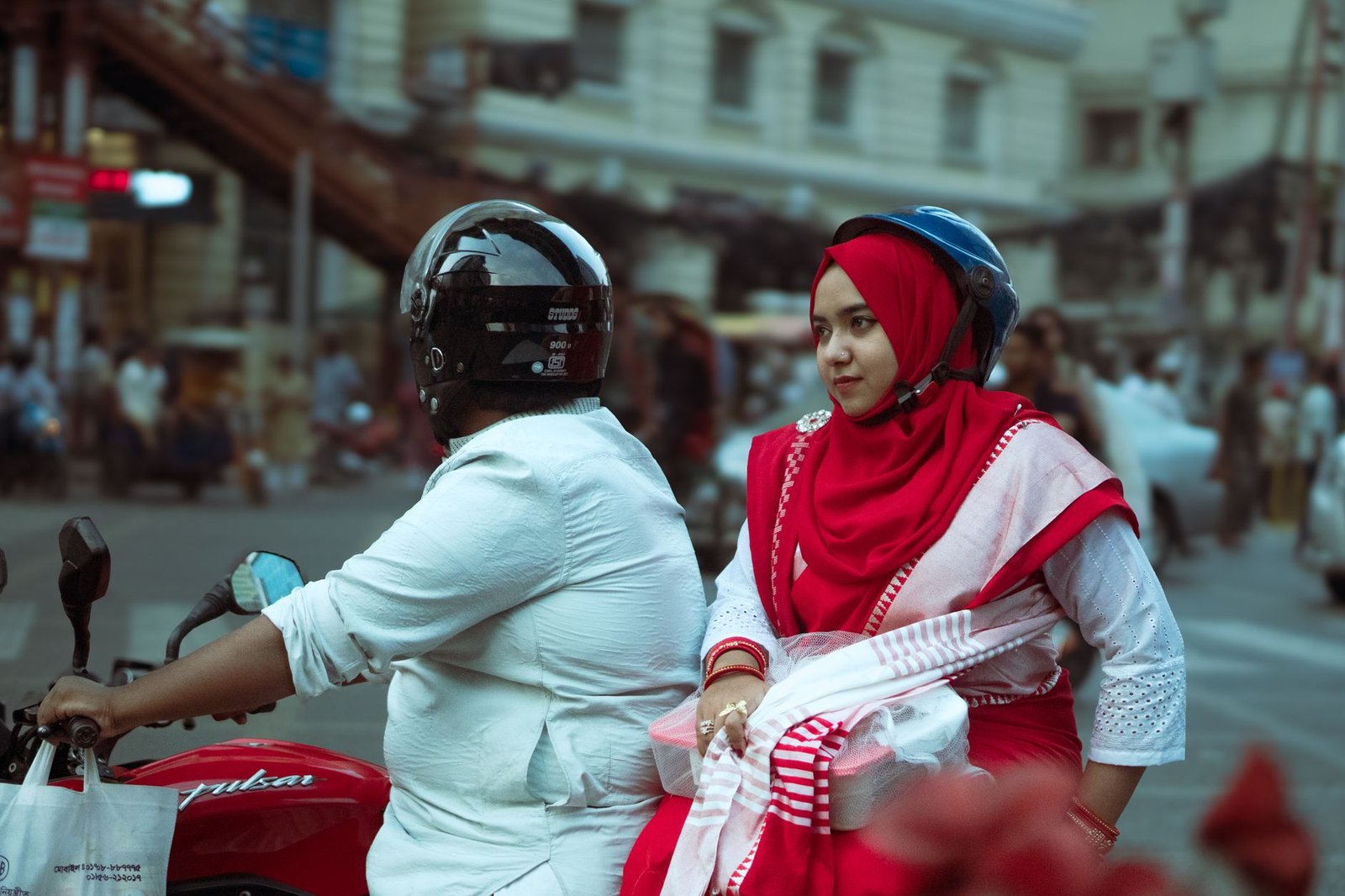
A coloured blazer over a contrasting coloured top or dress creates instant colour blocking with structure. A cobalt blue blazer over an orange turtleneck with neutral trousers; a hot pink blazer over a yellow top with white wide-leg trousers. The blazer’s structure contains the colour combination and prevents it from reading as chaotic.
With a Co-Ord Set

A coloured co-ord set creates tonal colour blocking (the matching pieces) against contrasting accessories (bag, shoes, or outer layer). A cobalt blue co-ord with orange heeled shoes and an orange bag creates a strong two-colour blocked total look. The co-ord’s matching pieces simplify the outfit decision while the contrasting accessories create the colour blocking effect.
Colour Blocking Common Mistakes
- Adding a print — a print in one piece competes with solid colour blocking; keep everything in a colour blocked outfit solid
- Too many colours — more than three colours usually creates visual chaos rather than intentional blocking; start with two
- Ignoring proportions — very similar proportions of two colours (exactly half and half) can read as accidental; a slight imbalance creates more deliberate tension
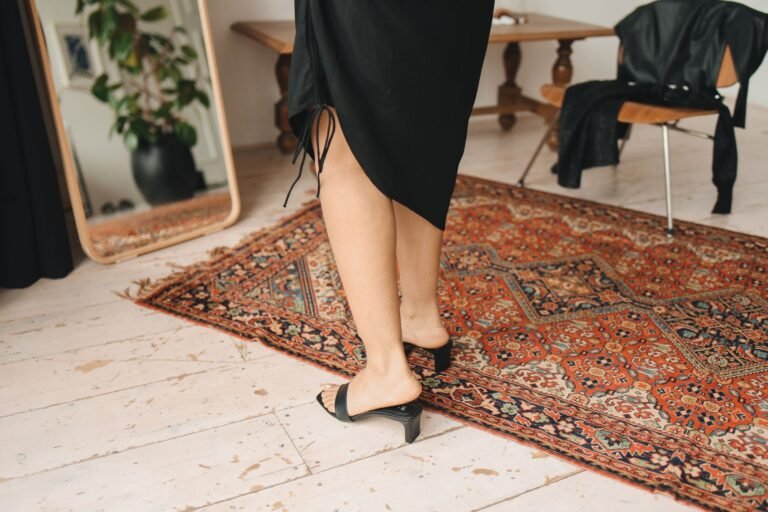
- Abandoning neutrals entirely — a neutral (black, white, cream, camel) in footwear or a bag anchors a colour blocked outfit and provides visual rest
Frequently Asked Questions
What is the easiest colour blocking combination to try?
Pink and green is consistently cited as the most universally flattering and most broadly wearable entry-level colour blocking combination. The pairing is inherently joyful, works across skin tones, and doesn’t require the high-fashion confidence of very bold complementary pairs like red and green. A blush or bright pink top with a sage or forest green skirt or trouser is an accessible and very effective starting point.
Do your shoes have to match when colour blocking?
No — and a neutral shoe is often the strongest choice for colour blocking outfits. Black, white, cream, tan, or nude footwear provides a clean anchor that allows the colour blocked outfit to read clearly without adding further complexity. If you do want to add footwear as a third colour element, it should relate to one of the other colours in the outfit rather than introducing a completely independent colour.