Abstract Art Fashion Brands: Wearable Art for the Style-Conscious
When Clothing Becomes Canvas
Abstract art and fashion have a relationship as old as modernism itself. From the Futurists’ manifestos on dynamic clothing in the 1910s to the geometric garments of Sonia Delaunay in the 1920s and the art-house collections that defined postwar fashion, the impulse to move beyond representational imagery and use clothing as a vehicle for pure visual experience has never disappeared from fashion’s ambitions.
What has changed in contemporary fashion is the direction of influence. Where Delaunay brought art principles to fashion design from the top down, today’s abstract art fashion brands often emerge from within streetwear and independent label culture — artists who build brands around their visual practice, or designers who commission artists as creative collaborators rather than decorative contributors.
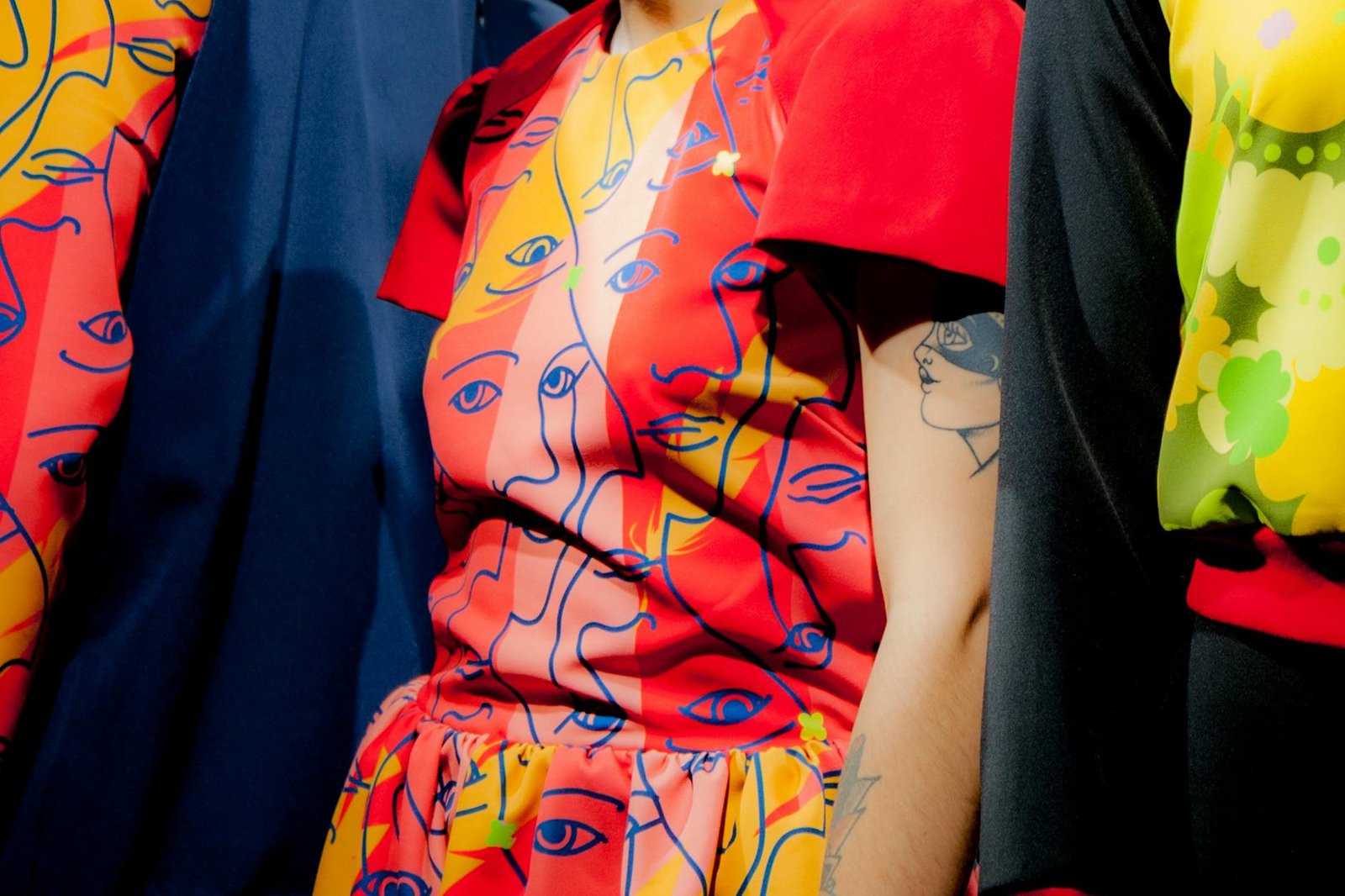
The result is a category of clothing that treats the garment as a canvas for abstraction: colour field compositions on hoodies, biomorphic forms on tees, geometric systems on outerwear. These are pieces where the art is the point, not the brand name or the silhouette.
What Defines an Abstract Art Fashion Brand
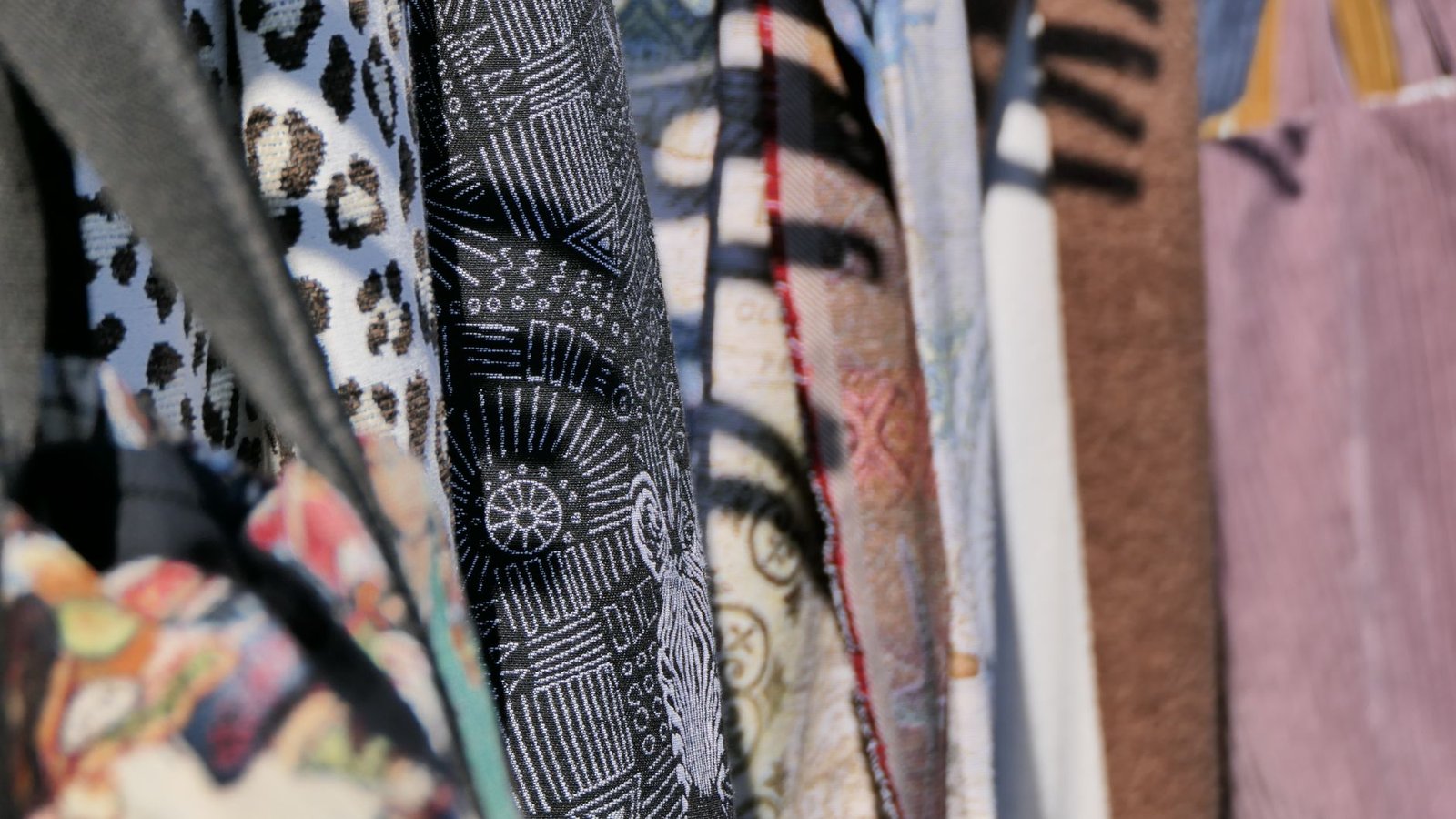
The distinction between brands that use abstract imagery decoratively and those that genuinely operate as abstract art fashion labels comes down to a few key indicators:
- Artist-led creative direction — the visual content comes from a coherent artistic practice rather than trend research or design-by-committee graphics
- Conceptual consistency — each collection or drop develops a specific visual idea rather than aggregating appealing images
- Craft-level production — the garment construction and print quality match the seriousness of the visual work
- Gallery/art world crossover — the brand exists simultaneously in fashion and art contexts, with exhibitions, publications, and institutional relationships alongside clothing sales
Abstract Art Fashion Brands Worth Knowing
Maharishi
Hardy Blechman’s Maharishi brand began in 1994 with a philosophy of peace through positive military surplus — recycling and repurposing army materials into civilian clothing with pacifist imagery. The brand’s abstract art dimension comes through its consistent commission of tattoo and graphic artists to create intricate, symbolic imagery that covers garments in complex visual systems. Maharishi pieces are as much illustrated objects as clothing, with the artwork context documented in the brand’s ongoing archive project.
Maharishi’s visual system — dragon motifs, embroidered symbolic art, camouflage prints redesigned with botanical and geometric imagery — has remained consistent for three decades, making the brand one of the most coherent long-running art-in-fashion projects in the independent market.
Craig Green
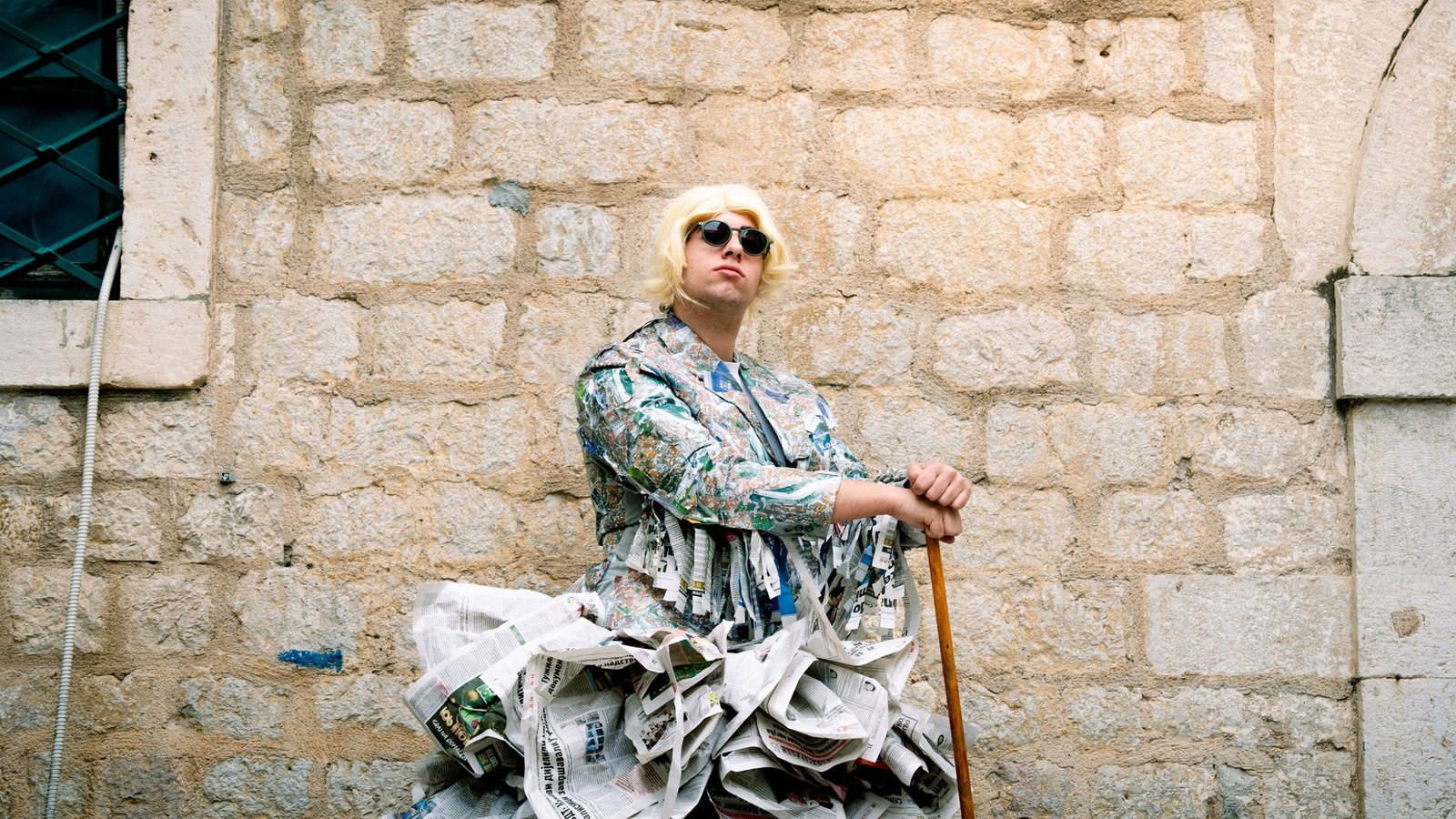
Craig Green’s design practice treats the human body as a sculptural element within abstract systems — garments as architectural forms, clothing as three-dimensional abstract art. Green’s runway collections generate pieces where the garment construction is itself the abstract art object: geometric harnesses, deconstructed work clothing, quilted forms that reference both protective gear and abstract sculpture.
The resulting clothing is challenging to wear in a conventional sense, but the brand has developed more accessible pieces that bring the abstract sculptural sensibility into everyday garments — quilted jackets and padded pieces that carry the visual logic of the runway work in a functional form.
Eckhaus Latta
Mike Eckhaus and Zoe Latta’s brand is defined by its consistent interrogation of what fashion images can be — the brand’s lookbooks and campaign work have been cited as significant art objects in their own right, produced in collaboration with artists, writers, and photographers with fine art practices. The clothing itself uses abstract dye techniques, constructed layering, and unusual fabric combinations that give garments a visual unpredictability not achievable through conventional design approaches.
Brain Dead
Kyle Ng and Ed Davis’s Brain Dead operates as a creative collective that produces clothing as one output among many — the brand also publishes books, produces films, curates music, and runs retail spaces as cultural venues. The visual work on Brain Dead clothing draws from underground art, horror graphics, psychedelia, and global folk art traditions, rendered in a graphic language that is deliberately raw, challenging, and unresolved in a way that mirrors the fragmentation of contemporary visual culture.
Pleasures
Pleasures makes clothing for an audience with genuine subculture knowledge — the band references, the horror imagery, and the art-world citations on Pleasures pieces require cultural literacy to read correctly. The brand works with artists and musicians whose practices sit outside mainstream fashion culture, creating limited pieces where the artwork is inseparable from the cultural context it comes from.
Artist Collaboration Brands
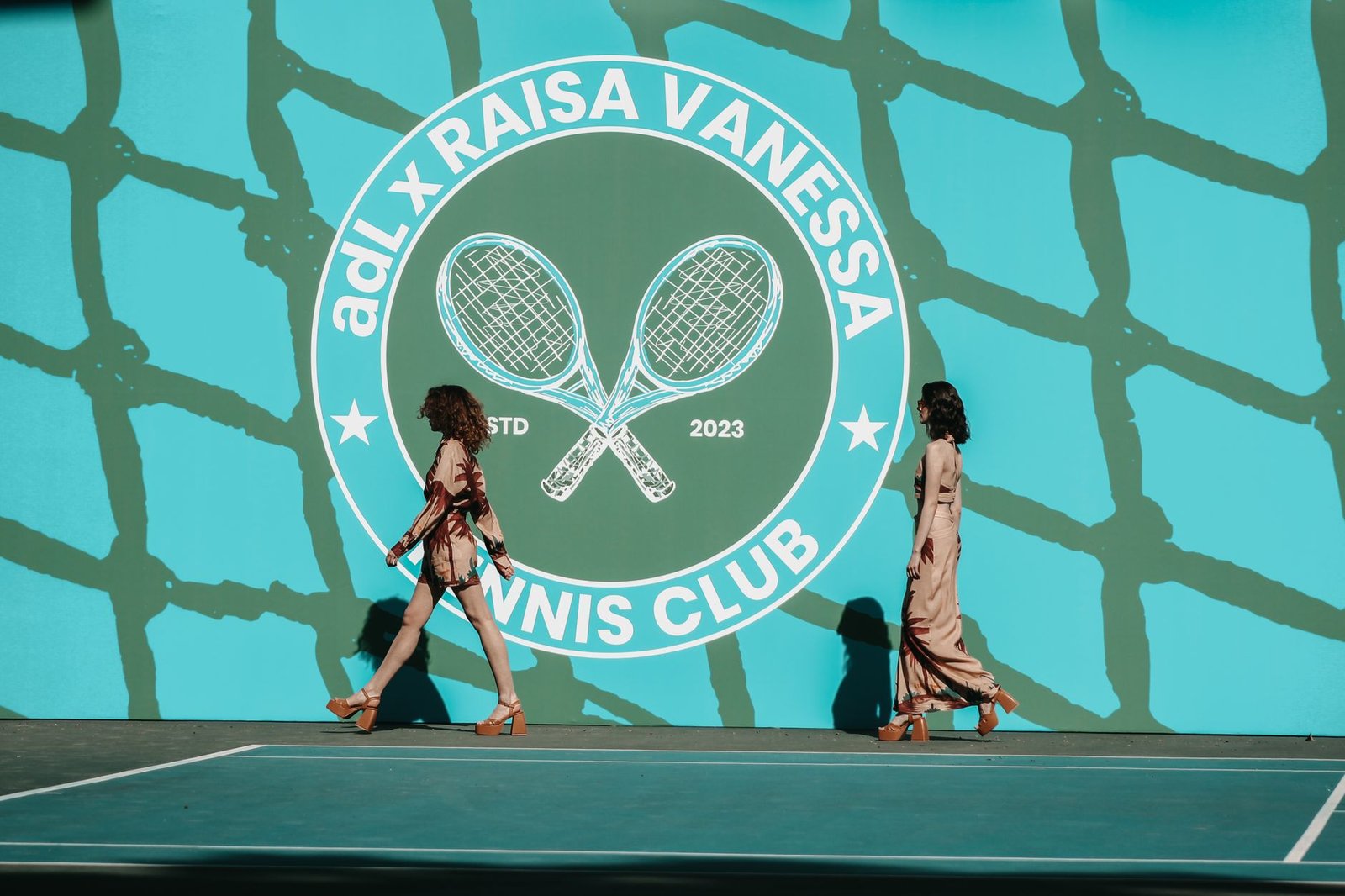
A distinct category from artist-led brands are fashion labels that build their creative identity through systematic artist collaboration — commissioning artists across different practices to produce visual content for garments while the brand provides production, distribution, and design context.
The most successful artist collaboration approaches treat the artist as a creative equal rather than a supplier. The artist brings their full practice and visual world to the collaboration; the brand provides the garment context and production infrastructure. The result is clothing that functions as an edition or print from the artist’s body of work rather than a licensed image on a product.
How to Identify Quality in Abstract Art Fashion
With abstract art imagery on clothing, the quality of the print or embroidery is as important as the quality of the artwork itself. Key indicators:
- Registration accuracy — in multi-colour abstract prints, the alignment of different colour layers determines whether the print reads with the visual precision the design intends
- Ink coverage and depth — water-based inks with full coverage on heavyweight cotton reproduce abstract colour work with more fidelity than thin or plastisol inks on lightweight fabric
- Scale appropriateness — abstract compositions designed for the specific scale of the garment read differently than images scaled up from smaller original dimensions
- Wash longevity — art-print garments should be cared for correctly (inside-out cold wash, no tumble dry) to maintain the integrity of the colour work over time
Frequently Asked Questions
What are abstract art fashion brands?
Abstract art fashion brands are labels that use abstract visual art — non-representational imagery, colour field compositions, geometric systems, or painterly marks — as the primary visual content of their clothing, rather than using branding, logos, or representational imagery. The distinction from decorative abstract prints is that art fashion brands approach the visual content with the same conceptual rigour as a fine art practice.

How do you style abstract art fashion pieces?
The same principle that applies to all art-forward clothing: let the piece be the focal point. Abstract art fashion garments work best against plain neutral supporting pieces that give the visual content on the garment room to read. Avoid competing prints, bold branding, or equally complex visual elements that divide the eye’s attention.
Are art-collaboration fashion pieces worth collecting?
Artist-collaboration pieces from established brands with strong creative track records have a history of appreciating in value — particularly when the collaborating artist subsequently gains significant mainstream or institutional recognition. Beyond investment considerations, art-collaboration pieces are worth collecting for their cultural significance: they represent a specific moment in an artist’s practice and a specific creative relationship between art and fashion.
Several of the brands in this guide — particularly Maharishi and Brain Dead — also appear in a broader category of art print clothing brands that use gallery-quality imagery as the primary design language across their collections.
The technical side of producing abstract imagery on garments — print registration, ink coverage, and scale — is explored further in our guide to streetwear graphic design and how independent brands approach the craft of printing.
Highsnobiety’s investigation into street artists shaping high fashion traces how visual artists from graffiti and underground art backgrounds have moved from tagging walls to collaborating with major fashion labels.