
Vintage Streetwear Shopping Guide: How to Find the Best Pieces
Why Vintage Streetwear Is Worth the Hunt
Vintage streetwear pieces carry qualities that contemporary production cannot replicate: the patina of genuine wear, the weight and construction of pre-2000s manufacturing standards, the cultural authenticity of garments from their original eras, and the visual distinctiveness of owning something that no one else is wearing. The vintage streetwear market has matured from an insider trade into a significant cultural and commercial category, with dedicated platforms, expert dealers, and price points that reflect the cultural value of key pieces as well as their material quality.
Shopping vintage streetwear intelligently means knowing where to look, what genuinely valuable pieces look like, how to identify quality versus fashion-grade vintage, and how to authenticate pieces before committing at higher price points.
Where to Shop Vintage Streetwear

In-Person: Thrift Stores and Charity Shops
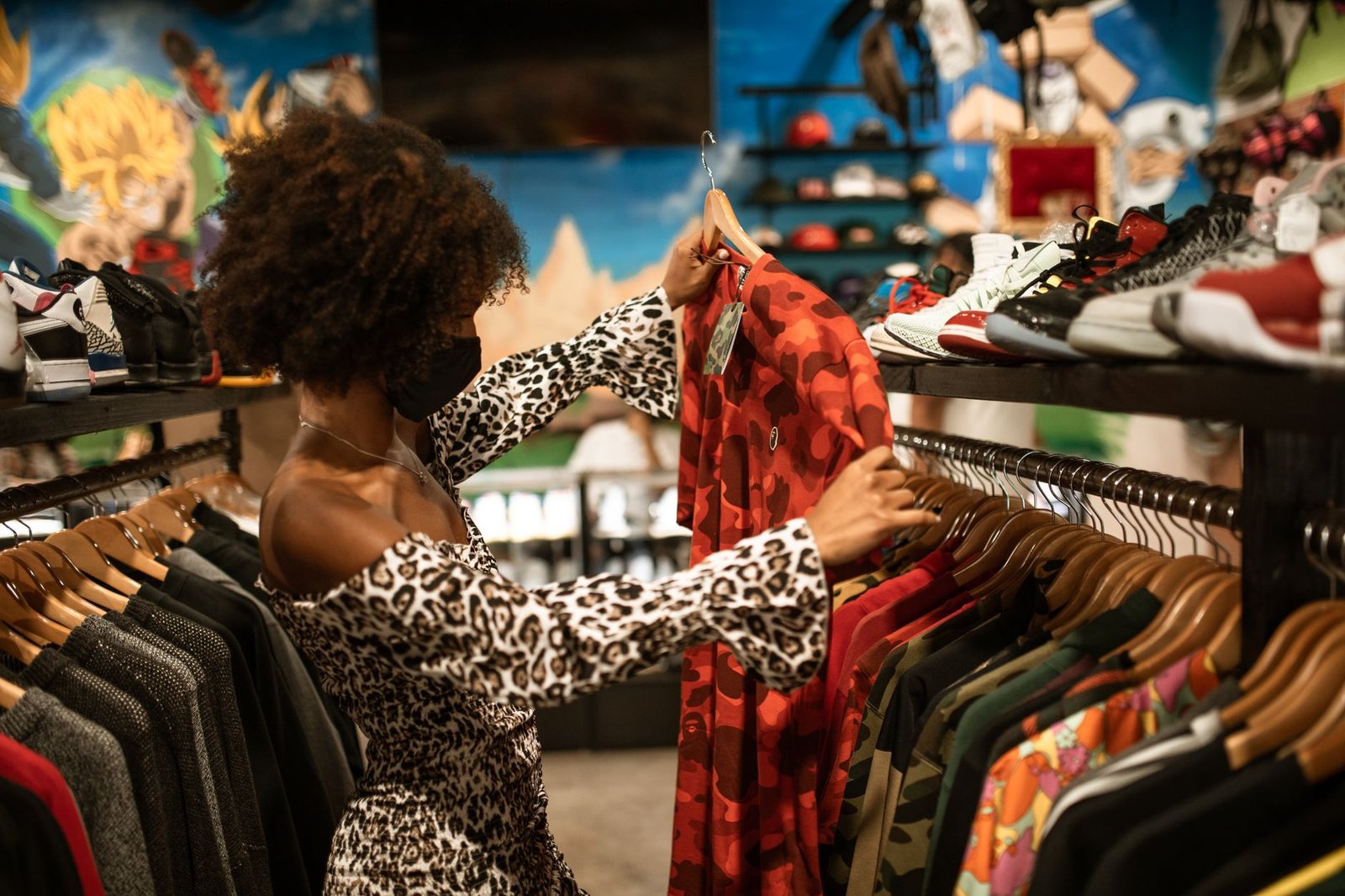
Thrift stores and charity shops (Oxfam, Salvation Army, Goodwill, and local equivalents) are the most accessible vintage starting point and the source of the most unexpected finds. The key skill here is frequency of visit rather than single-trip destination shopping — the best pieces arrive randomly and sell quickly.
Develop a consistent thrift circuit and visit regularly. Focus on the tee section, the outerwear rail, and the knitwear section for streetwear-relevant pieces.
In-Person: Vintage Dealers and Markets
Dedicated vintage dealers — both in permanent shops and at regular markets — have done the curation work for you. The prices are higher than charity shops but the density of quality pieces is much greater, and dealer knowledge can help you identify what is and is not genuinely valuable. Vintage markets (the Portobello Road market in London, the Hell’s Kitchen Flea Market in New York, Vinted market events) concentrate multiple dealers in one location for efficient browsing.
Online: Depop and Vinted
Depop and Vinted are the primary consumer-to-consumer vintage and second-hand platforms in the UK and Europe. Both have large inventories and the ability to search by brand, category, and price.
Depop skews toward fashion-aware sellers who know the cultural value of their pieces; pricing tends to reflect cultural as well as material value. Vinted has lower average prices and more incidental listings from sellers who may not be aware of the streetwear significance of what they have.
Online: Grailed
Grailed is the premier platform for premium streetwear and designer vintage — the place to find authenticated, well-documented vintage Supreme, archival Raf Simons, vintage Helmut Lang, rare Japanese streetwear, and other high-value pieces. Pricing reflects the sophisticated buyer and seller base. The Grailed community and moderators provide a level of cultural knowledge and authentication context that is not available on more general platforms.
Beyond specific platforms, the vintage clothing market has developed a network of specialist retailers and curators worth knowing — comprehensive guides to the best vintage clothing stores online cover the full range from casual thrift-level browsing to authenticated archive-level curation, helping buyers identify the right source for their specific budget and category.
Online: eBay

eBay remains one of the largest repositories of vintage streetwear globally, particularly for sports-licensed vintage pieces (vintage NBA, NFL, and college pieces), vintage athletic brands, and mass-market vintage that has not yet been identified and extracted by specialist dealers. The search functions are powerful; the curation is essentially absent. eBay requires the most product knowledge to use effectively but offers the widest inventory.
Specialist Japanese Vintage
Japan produces the world’s most rigorously curated vintage clothing market. Japanese vintage dealers set global standards for condition grading, authentication, and presentation of archive pieces.
Many Japanese vintage dealers export internationally through platforms like Buyee, Mercari Japan, and dedicated import services. For the highest quality archival American sportswear, military surplus, and workwear vintage, Japanese dealers are often the best source globally.
What to Look For: High-Value Vintage Streetwear Categories
Vintage Tees — Band, Brand, and Sports Licensed
Authentic vintage band tees from the 1980s–1990s are among the most actively traded vintage pieces in the streetwear market. Authentication markers include screen-printing texture and aging, vintage tag construction, fabric weight and hand feel, and print subject accuracy.
Sports-licensed vintage — vintage NBA Mitchell & Ness pieces, vintage college sweatshirts with genuine tag provenance — is similarly valuable. The most important authentication principle: genuine vintage single-stitch tees have a single row of stitching at the sleeve hem; post-1990s mass production uses double-stitching.
Once you’ve sourced a quality vintage graphic tee, styling it effectively is the next challenge — graphic tee outfit formulas work equally well with genuine vintage pieces and contemporary graphic tees, since the styling logic of letting the print lead while keeping the rest of the outfit clean applies regardless of the tee’s age.
Vintage Outerwear — Windbreakers and Nylon

1990s and early 2000s nylon windbreakers and sports jackets — from brands like Nike, Adidas, Starter, and Champion — are highly sought vintage pieces. The colour-block patterns, visible branding, and lightweight construction of this era have significant contemporary fashion relevance. Look for original tags, undamaged zippers, and minimal wear at collar and cuffs.
Vintage Champion and College Fleece
Champion Reverse Weave crewnecks and hoodies from the 1980s–1990s — identifiable by the Reverse Weave tag construction and the C-logo — are among the most reliable vintage streetwear finds. College-licensed Champion pieces (with university or team names) from this era carry both brand and institutional cultural value.
Vintage Denim
Vintage Levi’s 501s, 505s, and 550s from the 1980s and 1990s are the reference vintage denim. Identified by the red tab with “LEVI’S” in all capitals (contemporary is “Levi’s” in mixed case), the leather patch (genuine leather on vintage, synthetic on later production), and the button construction. Other vintage denim brands — Lee, Wrangler, old Guess — have strong value in specific categories.
Understanding what makes a vintage denim silhouette valuable requires knowing the current denim landscape — the complete streetwear denim guide covers how different washes, silhouettes, and construction details communicate different aesthetic registers, giving you the context to identify which vintage denim pieces are genuinely relevant versus merely old.
Authentication and Quality Assessment
- Check the care label and brand tag — tag construction, font, and information content changed significantly between decades; mismatched tags indicate misidentified era
- Assess fabric weight and hand feel — vintage production typically used heavier cotton than contemporary mass production
- Look at print condition — genuine vintage prints have patina, cracking, and aging at natural wear points; reprints look uniformly new
- Check stitching — vintage construction details (single stitch, chain stitch hem, selvedge denim) are rarely replicated in contemporary production
- Research before high-value purchases — for Supreme, Nike, Adidas, and other brand pieces at significant price points, verify with brand-specific authentication resources and community knowledge
Frequently Asked Questions
Where is the best place to buy vintage streetwear?
The best platform depends on your budget and the category you are looking for. Thrift stores and charity shops offer the lowest prices with the most curation effort required.
Depop and Vinted are good mid-range general sources for fashion-aware vintage. Grailed is the best platform for premium and authenticated archive pieces.
Japanese vintage dealers (via Buyee or Mercari Japan) offer the highest quality American and Japanese archive pieces.. eBay has the broadest inventory for sports-licensed and mass-market vintage.
How do you know if vintage streetwear is authentic?
Check tag construction and content (font, information, format) against known authentic references for the brand and era. Verify fabric weight and construction details — single-stitch sleeve hems on vintage tees, chain-stitch hems on denim, heavy cotton fleece in Reverse Weave sweatshirts.
Research the specific item with brand-specific authentication communities before committing at significant price points. Trust dealers with verifiable provenance and feedback histories over anonymous listings without documentation.
Building a vintage-informed wardrobe works best when integrated with a broader capsule strategy — the streetwear capsule wardrobe approach provides a framework for identifying which vintage pieces genuinely add versatility versus which ones become single-outfit acquisitions that don’t work with anything else you own.