Aesthetic Room Decor Ideas: How to Design a Space With a Clear Visual Identity
What Makes a Room Aesthetic?
An aesthetic room is one where every element — the wall colour, the furniture, the art, the lighting, the accessories, and the textiles — contributes to a coherent visual identity rather than existing as a collection of individually selected pieces without relationship to each other. An aesthetic room has a point of view: it communicates something specific about the person who lives in it and creates a consistent atmosphere rather than a generic one.
In 2026, aesthetic room design has been shaped significantly by the named visual aesthetics that have developed through social media culture — cottagecore, dark academia, maximalist Art Deco, minimalist Japandi, gradient and colour-field inspired interiors, and various combinations of these. Understanding the principles behind each aesthetic allows you to design a room that is genuinely cohesive rather than assembling a random collection of individually trending items.
Defining Your Room’s Aesthetic Identity
Before selecting any objects or materials, identify the visual world your room should inhabit by answering these questions:
- What atmosphere does the room need to generate — calm and contemplative, energised and creative, cosy and enclosed, or open and expansive?
- What colour temperature feels right — warm (yellows, oranges, warm whites), cool (blues, greens, cool whites), or tonal neutral?
- How much visual complexity do you want — maximalist (many objects, patterns, and colours), minimalist (few objects, no pattern, tonal), or somewhere between?
- What cultural or historical references resonate — naturalistic, heritage craft, contemporary design, art-inspired, subcultural?
The answers determine your aesthetic framework before any shopping begins.
Interior design publications track how aesthetic room concepts evolve from social media into real living spaces — contemporary guides to living room decoration emphasise the same cohesion principles that make any aesthetic room work: every element should contribute to a single visual identity rather than existing as individually chosen pieces without relationship to each other.
Major Aesthetic Room Styles in 2026
Gradient and Colour-Field Aesthetic
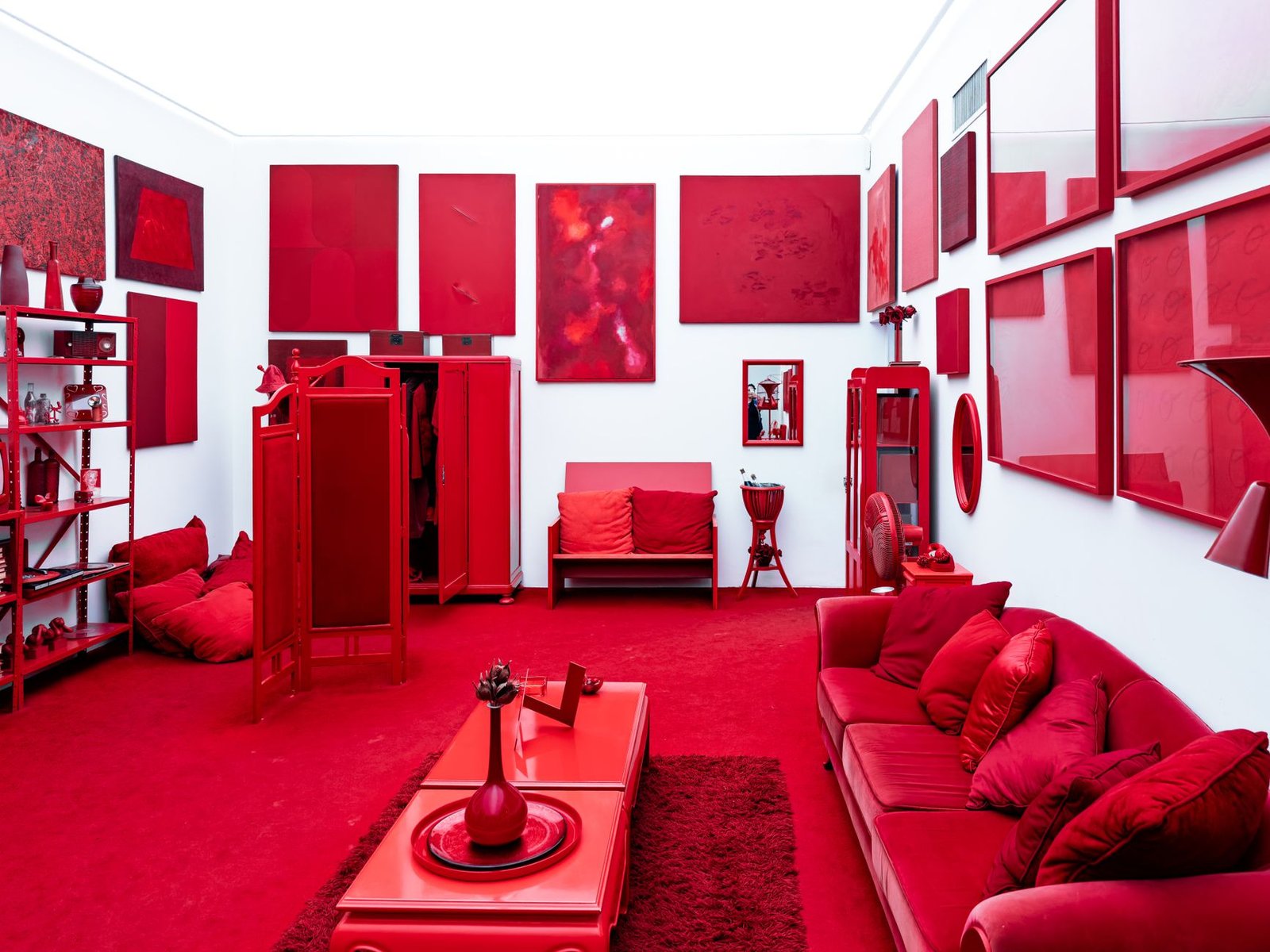
A room organised around flowing colour transitions — whether through gradient wall paint effects, gradient textile art, or large-format colour-field art pieces. The gradient room creates atmosphere through colour movement rather than object density.
Key elements: a gradient-painted accent wall or large gradient canvas art, tonal textiles in adjacent colours, and minimal object count to prevent the colour from being overwhelmed. Best executed with a two or three-colour gradient palette that is also echoed in cushions, throws, and smaller accessories throughout the room.
The gradient aesthetic that defines colour-field interiors has direct parallels in fashion — the same colour-flow principles behind a gradient accent wall appear in gradient fashion brands that translate flowing colour transitions from digital art and interior design into wearable streetwear pieces.
Dark Academia
A room that communicates the visual world of a private library or Oxbridge college study — dark wood tones, leather-spined books on open shelving, warm amber lighting, deep jewel-tone textiles, and art in gold frames. The atmosphere is intellectual, slightly enclosed, and warmly lit. Key elements: dark or warm-painted walls (forest green, dark navy, charcoal, or warm brown), floor-to-ceiling or substantial bookshelves, table lamps with warm amber bulbs, heavy curtains, and a desk with reading lamp as the focal piece.
Cottagecore

A room that references the romanticised visual world of rural domestic life — dried flowers, botanical prints, linen textiles, natural wood and rattan furniture, soft earth-tone palette, and an abundance of plant life. The atmosphere is gentle, naturalistic, and slightly imperfect. Key elements: natural fibre textiles (linen curtains, cotton or jute rugs, wicker and rattan accessories), botanical art or pressed flower frames, a collection of ceramic or pottery objects, and abundant greenery.
Japandi Minimalism
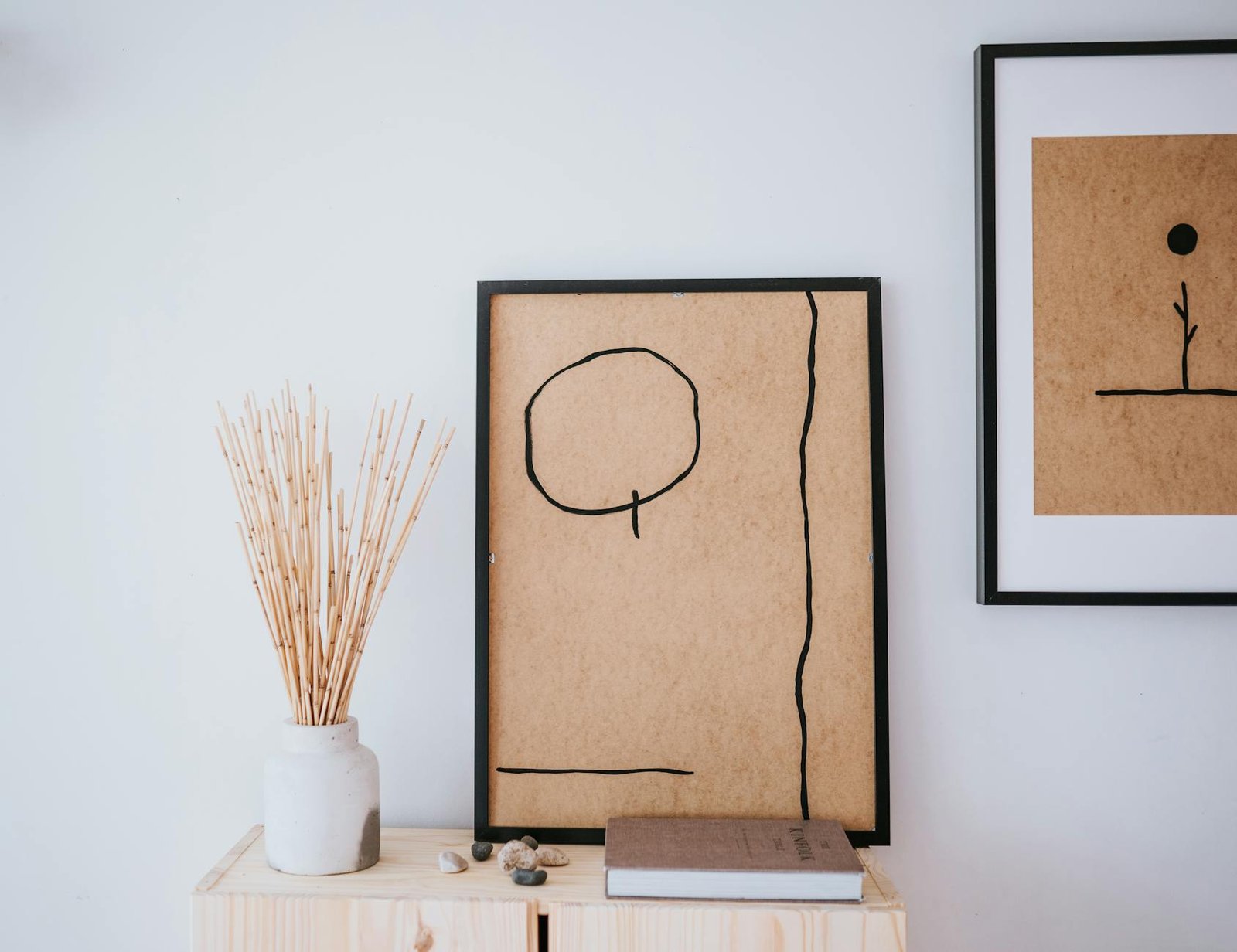
A room that combines Japanese minimalism with Scandinavian warm minimalism — clean lines, natural materials (wood, stone, linen), a warm neutral palette, and a carefully edited object collection where every item is both functional and beautiful. The atmosphere is calm, orderly, and quietly luxurious. Key elements: low-profile wood furniture, paper or linen pendant lighting, a neutral palette with warm wood accents, minimal art (one considered piece rather than a gallery wall), and no decorative objects without purpose.
Maximalist Art-Inspired
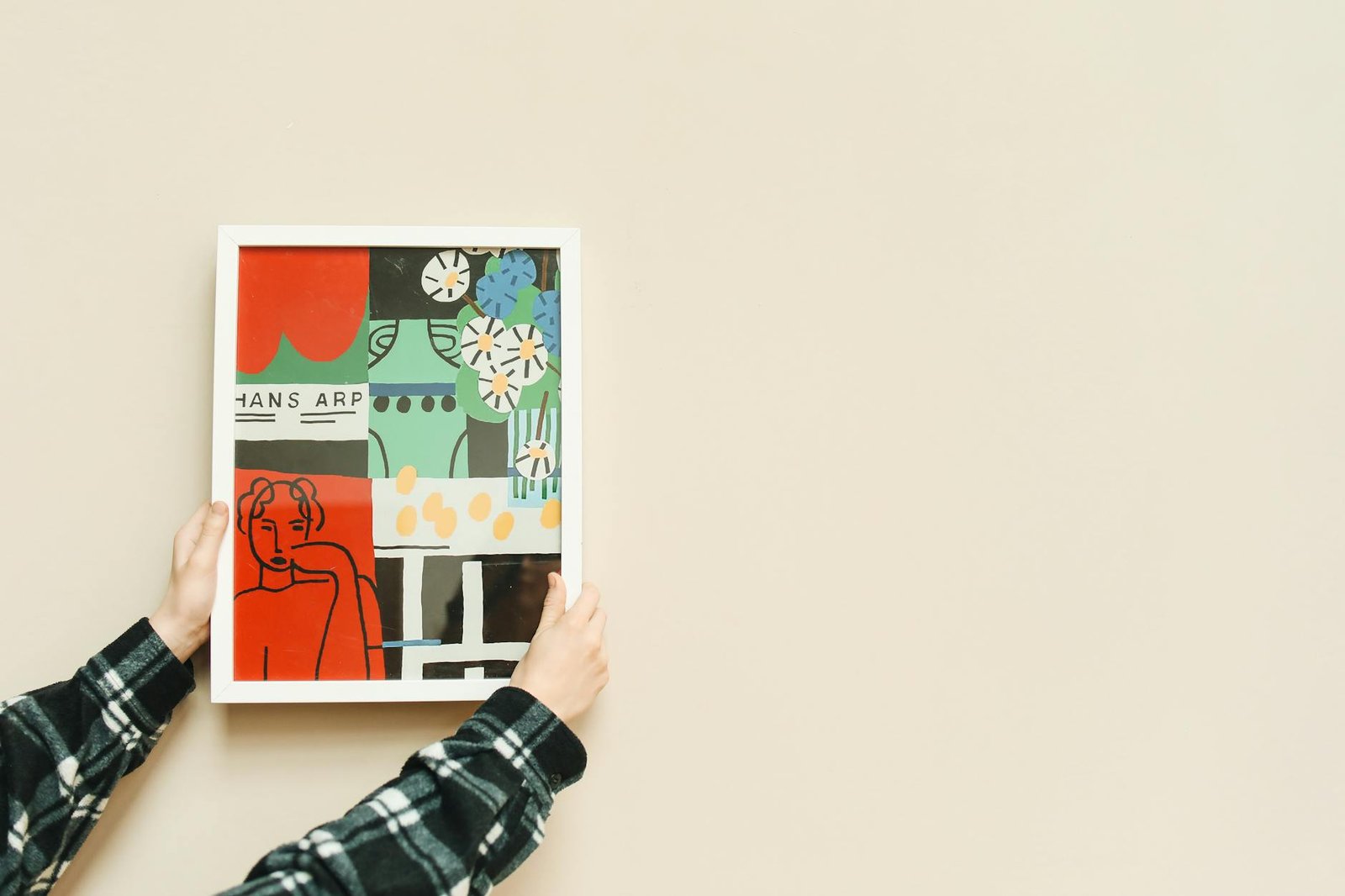
A room that uses art, pattern, and colour with deliberate maximalism — gallery walls with dense picture arrangements, patterned wallpaper or painted accent wall, layered textiles, and a rich jewel-tone or vivid colour palette. The atmosphere is visually complex, personal, and expressive. Key elements: a thoughtful gallery wall where art is arranged by colour family or thematic content, pattern-on-pattern textile layering with internally consistent colour palette, and dramatic accent lighting.
The maximalist art-inspired room shares its visual logic with the art hoe aesthetic in fashion — both celebrate art references, bold colour, and visible creative expression. The art hoe aesthetic outfit approach applies similar principles to personal dressing, using colour, art institution references, and handmade quality as the primary design language.
Key Aesthetic Room Elements
Art on the Walls
Wall art is the most significant single contributor to room aesthetic identity. The art you choose communicates your cultural knowledge, your colour sensibilities, and your aesthetic framework more directly than any piece of furniture. Consider: large-format statement pieces versus gallery wall arrangements; original works versus prints; art that defines the room’s colour palette versus art that responds to an existing palette.
Lighting
Lighting temperature dramatically affects room atmosphere — warm-toned bulbs (2700K–3000K colour temperature) create the amber, cosy quality of candlelight and work for cottagecore, dark academia, and maximalist rooms; neutral or cool-toned bulbs (4000K+) create a cleaner, more clinical light quality that suits minimalist and contemporary aesthetic rooms. Layer lighting types: overhead ambient light, task lighting (desk lamp, reading lamp), and accent lighting (string lights, candles) create atmospheric depth that single-source lighting cannot.
Textiles and Texture
The combination of textile types in a room — cushion fabrics, curtain weight, rug texture, throw material — creates the tactile richness that makes a room feel inhabited rather than staged. Consistent texture register (all natural fibres for cottagecore, all smooth and cool-tone textiles for minimalism, all velvet and heavy weave for dark academia) reinforces the aesthetic identity. Contrasting textures within the same palette create the visual depth that one-material rooms lack.
The textile principles that define cottagecore and soft aesthetic rooms — plush textures, layered natural fibres, warm pastel tones — translate directly into fashion. The soft girl aesthetic applies the same tactile and colour sensibility to clothing that cottagecore room design applies to interiors.
Plants and Natural Elements
Living plants add a biological quality to a room that no other decorative element replicates — they change over time, respond to light conditions, and create an organic unpredictability that designed objects cannot. For aesthetic rooms, the choice of plant species matters: large-leaf tropical plants (monstera, fiddle-leaf fig) suit maximalist and art-inspired rooms; trailing plants (pothos, ivy) suit cottagecore and naturalistic rooms; architectural succulents and cacti suit minimalist and desert-aesthetic rooms.
Frequently Asked Questions
How do you make a room look aesthetic?
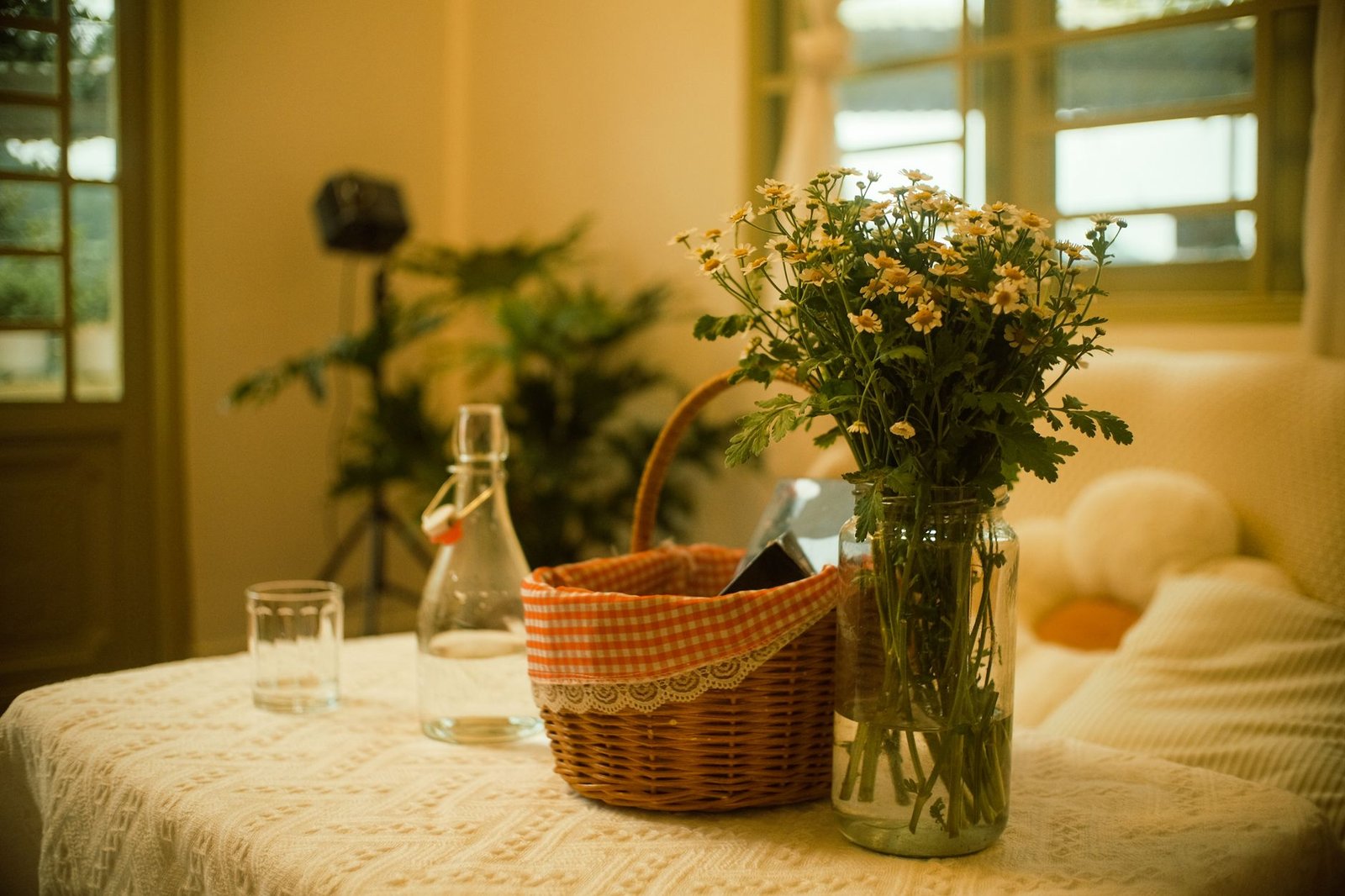
Define a clear aesthetic framework before selecting any objects — the visual world, atmosphere, and colour palette the room should inhabit. Then select every element (furniture, art, textiles, lighting, accessories) to contribute to that framework rather than selecting individual pieces in isolation. Edit ruthlessly: a room with fewer, more intentional elements reads as more aesthetic than one with many elements without relationship to each other.
What are the most popular aesthetic room styles in 2026?
The most actively developed aesthetic room styles in 2026 are gradient and colour-field inspired interiors, dark academia, cottagecore, Japandi minimalism, and maximalist art-inspired rooms. Each has a distinct colour palette, object vocabulary, and atmosphere that makes them immediately identifiable and each serves different inhabitant needs — choose the aesthetic that genuinely reflects the atmosphere you want to live in rather than the one most represented in your social media feed.