
Maximalist Fashion Outfits: How to Dress the More-Is-More Aesthetic
What Is Maximalist Fashion?
Maximalist fashion is the deliberate aesthetic philosophy that more is more — that visual abundance, rather than restraint, is the source of the outfit’s power and beauty. Where minimalist fashion achieves its effect through elimination and reduction, maximalist fashion achieves its effect through accumulation and amplification: more colour, more pattern, more texture, more layers, more accessories, more decoration, more of everything that generates visual interest. The maximalist aesthetic is not about excess-through-error but about excess-through-intention — every element of the maximalist outfit is chosen and placed deliberately, the accumulation is curated rather than accidental.
Maximalism has experienced a significant cultural resurgence in the mid-2020s as a deliberate counterpoint to the minimalism and quiet luxury that dominated the early part of the decade. The maximalist’s rejection of constraint carries a philosophical dimension — an assertion of joy, abundance, and the right to take up visual space — that resonates broadly in a cultural moment that has seen excessive restraint and neutrality become their own form of conformity.
Maximalist Fashion Principles
Principle One: Intention Over Accident
The line between maximalism and merely messy dressing is intention. A maximalist outfit communicates that every choice was made deliberately and that the visual abundance is the point, not the byproduct of thoughtlessness.
This requires actually thinking about the combination of prints, colours, and layers rather than simply piling pieces together. The best maximalist dressers have a highly developed visual sense that allows them to create coherent visual statements from very complex combinations — their excess is orchestrated, not accidental.
Principle Two: Find Your Repetition Element
Even in very complex maximalist outfits, something is typically repeated across the combination — a colour that appears in multiple pieces, a motif that appears in both a print and an accessory, or a texture that recurs at different scales. This repetition provides the visual coherence that prevents complexity from becoming chaos.
Before building a maximalist outfit, identify what the unifying element is: is it a specific red that appears in the print of the skirt and the solid colour of the bag? Is it a floral motif that appears in both the dress print and the earrings?
The repetition element is what makes the combination feel like a deliberate composition rather than random accumulation.
Principle Three: Scale Variety in Pattern
When mixing prints in a maximalist outfit — which is one of the most distinctive maximalist styling approaches — vary the scale of the patterns to prevent visual collision between them. A large-scale floral print mixed with a small-scale stripe or micro-check creates a more harmonious combination than two patterns of the same scale fighting for visual dominance. Large-and-small pattern mixing is both more readable and more sophisticated than same-scale pattern mixing.
Principle Four: Colour Family Coherence
The most achievable form of colour coherence in maximalist dressing is staying within a colour family — mixing multiple patterns and textures but keeping all the colours within a related range. All warm tones (red, orange, yellow, warm green) maximalism, or all jewel tones (ruby, sapphire, emerald) maximalism, or all pastel maximalism — the colour family provides enough structure to make very complex combinations feel curated rather than chaotic.
Maximalist Fashion Outfit Ideas
Print-on-Print
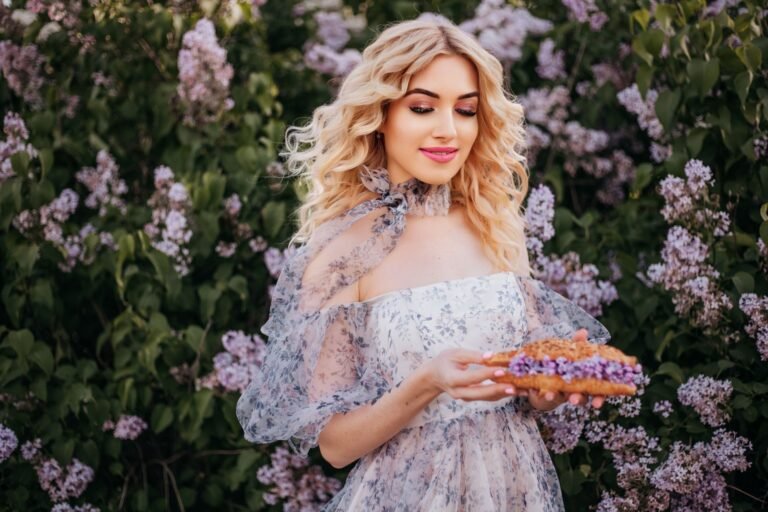
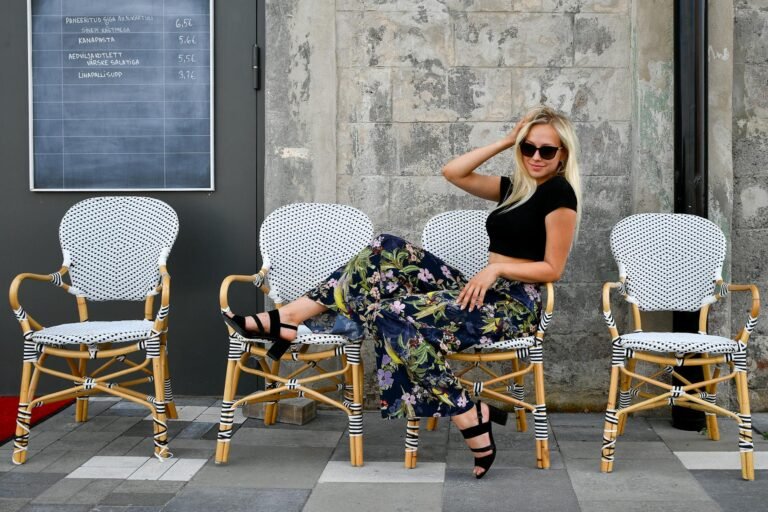
Two or more prints worn together in the same outfit — the most distinctive maximalist styling move. For print-on-print success: vary pattern scale (large florals with small stripes, or bold geometric with micro-check), share at least one colour between the prints, and ensure the patterns are different enough in character that they don’t compete too directly. A large-scale vintage floral skirt with a small-scale stripe or polka-dot top in the same colour family is a maximalist print-mixing formula that creates genuine visual interest without descending into visual chaos.
Jewel Tone Layering
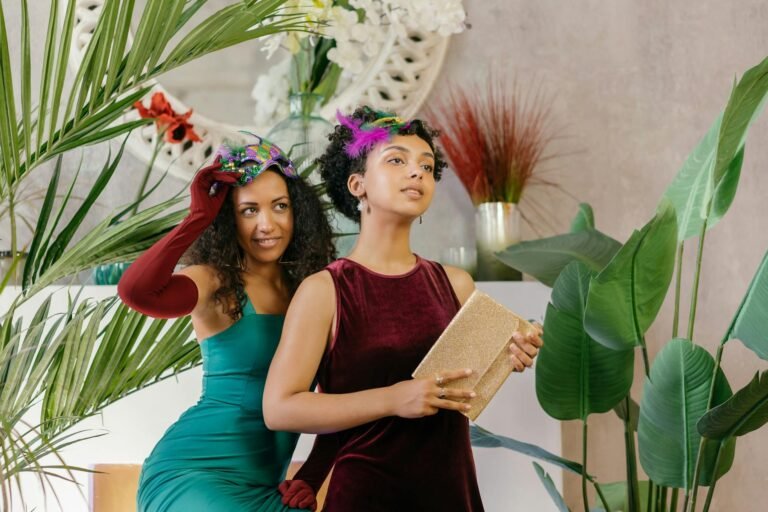
Multiple jewel-toned pieces layered together — a ruby red top with an emerald green blazer and sapphire blue accessories, or a deep purple midi dress with a teal scarf and gold jewellery. The jewel tone colour family’s mutual richness and intensity means that multiple jewel tones together create a maximalist colour impact that feels regal rather than garish. The key is keeping all tones within the jewel range — no pastels or neons mixed into a jewel tone combination.
Maximalist Accessories Stack
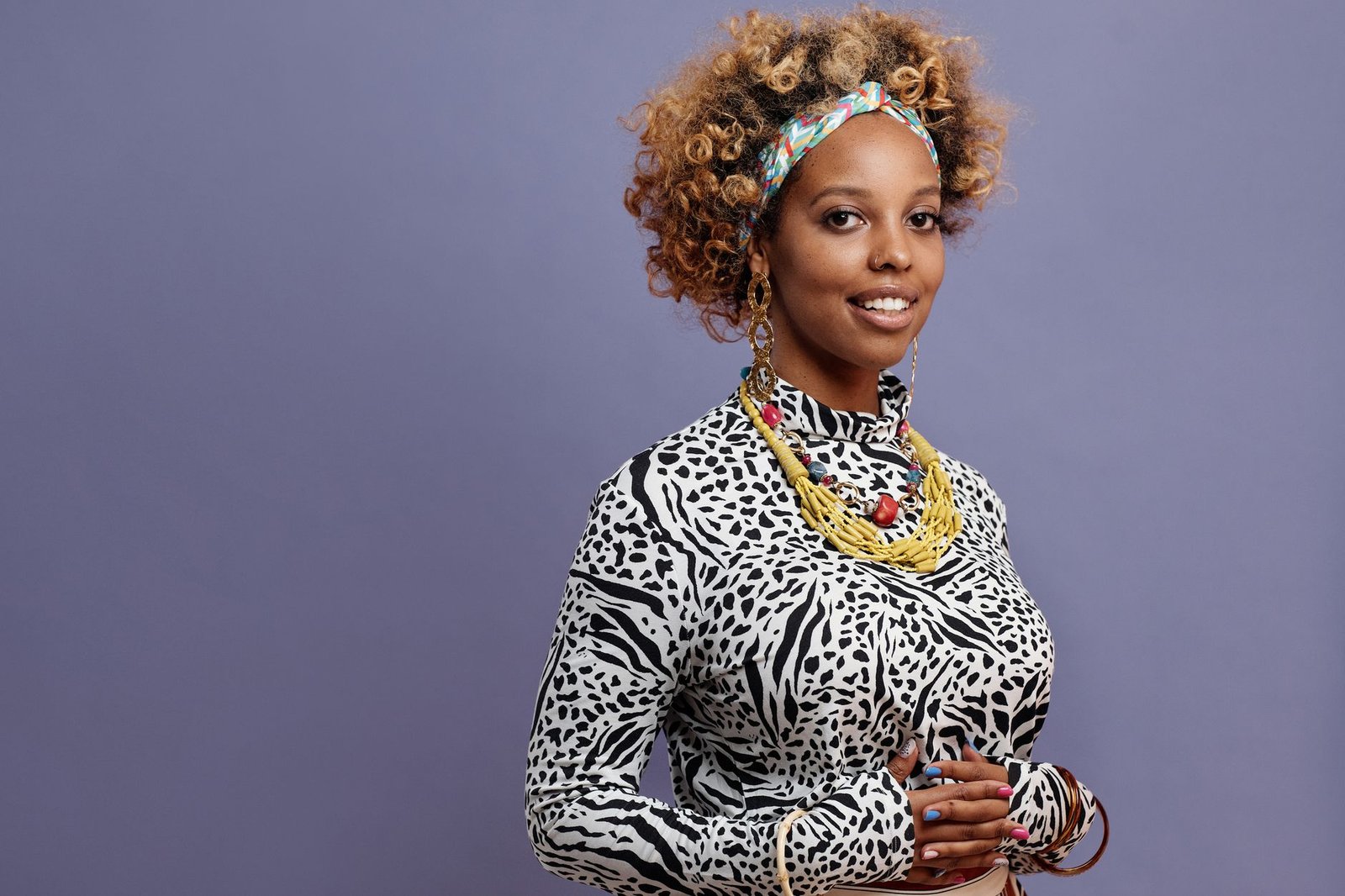
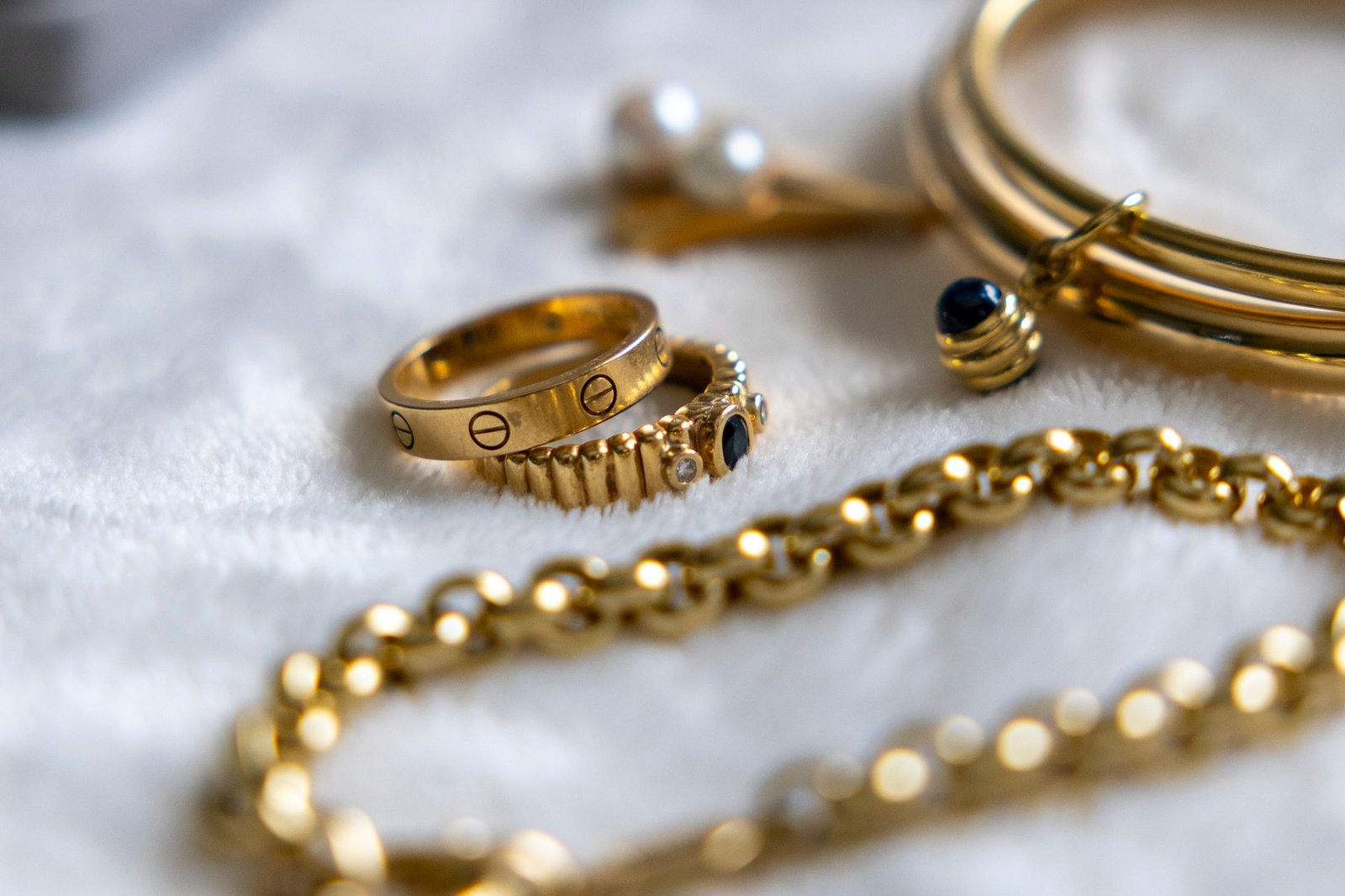
A relatively simple outfit base — a dress, or trousers and a top — with a maximalist accumulation of accessories: many rings, multiple necklaces of different lengths, layered bracelets, statement earrings, a bold bag, a vivid scarf, and a hat. The accessory stack approach delivers maximalist visual abundance without requiring the garment investment of maximalist clothing. It also allows the accessories to be the variable element of the outfit — the same simple dress base can be dressed to different degrees of maximalism by varying the accessory accumulation.
Colour Stack
Multiple vivid colours in a single outfit where no piece is neutral — a vivid yellow top, a cobalt blue skirt, red shoes, and a green bag. The maximum colour approach to maximalism is the most intense and requires the most confidence: all four sources of colour (top, bottom, shoes, bag) are saturated and vivid simultaneously. The combination should follow the colour family coherence principle to some degree — keeping tones within the warm or cool range, or ensuring colour wheel relationships (complementary or analogous) between the chosen colours.
Vintage-Layered Maximalism
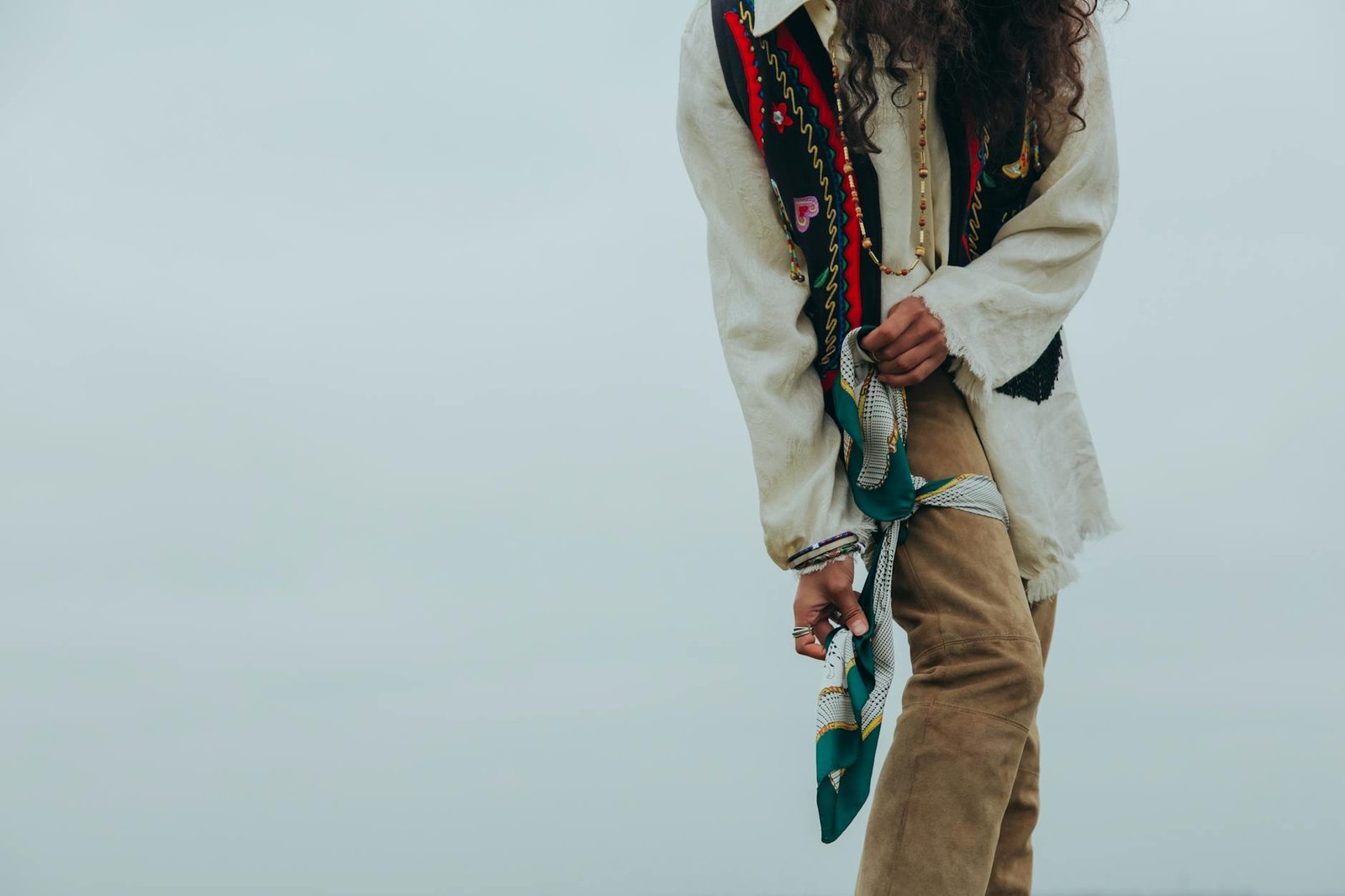
Multiple vintage or vintage-adjacent pieces layered together — an embroidered vintage blouse, a patterned vintage skirt, a fur-trimmed vintage jacket — creating visual richness through the accumulation of genuinely distinct vintage pieces with their own histories and visual characters. The vintage pieces’ individual character creates natural maximalist complexity; the styling task is to find the repeating element (colour, motif, decade) that makes the accumulation feel intentional.
Maximalism and colour blocking share a close relationship — the bold colour zones of colour blocking are often the foundation for more complex maximalist combinations. For a simpler entry point into the more-is-more aesthetic, our guide to colour blocking outfits covers how to pair vivid, contrasting colours in single-garment zones before moving into the full print-mixing territory of maximalism.
For real-world maximalist outfit inspiration, Who What Wear’s collection of maximalist outfit ideas shows how to wear bold prints, layered accessories, and contrasting colours together — from street-style shots to more editorial approaches to the more-is-more aesthetic.
Frequently Asked Questions

What is maximalist fashion?
Maximalist fashion is the deliberate aesthetic philosophy that visual abundance is the source of style power — the intentional accumulation of colour, pattern, texture, layers, and accessories to create an outfit that communicates through visual richness rather than restraint. It is the philosophical opposite of minimalism, and its power comes from intention: the maximalist outcome is curated and deliberate, not simply busy or cluttered.
How do you mix prints without looking cluttered?
The three keys to successful print mixing: vary the scale (large-scale pattern with small-scale pattern rather than two patterns of the same size), share a colour (at least one colour appears in both prints, providing visual connection between them), and ensure the print characters are distinct enough that they don’t compete too directly (florals with stripes or geometrics, rather than two florals or two geometrics). Following these three principles allows print-on-print combinations that create genuine visual interest without descending into visual chaos.