How to Style a Printed Blazer: Bold Outfit Ideas That Work
A printed blazer — any blazer in a non-solid pattern, from a classic plaid and a subtle stripe through to a bold floral print or an abstract graphic — occupies a specific styling niche between a tailored blazer and a coloured blazer. Where a coloured blazer makes a statement through colour, a printed blazer makes a statement through pattern — it brings visual complexity and personality that no solid-colour blazer can replicate.
The printed blazer’s styling principle is simpler than it might appear: a print is always a competition for visual attention. The more elaborate the print, the simpler everything else in the outfit must be. The printed blazer is always the outfit’s centrepiece — every other piece exists to support it rather than to compete with it.
Trend Overview
The printed blazer has been a recurring presence in fashion across decades — from the 1980s power suit revival, through the 1990s plaid blazer moment, to the more recent maximalism movement that has embraced bold florals, abstract prints, and oversized checks in suiting formats. The current styling context positions the printed blazer as a directional choice rather than a corporate one — worn open over simple pieces rather than buttoned as part of a formal suit, allowing the print to read as a fashion statement rather than an authority signal.
Styling Recommendations
Neutralise the Base
The printed blazer’s first and most important styling rule: wear it over a completely neutral base. A plain white ribbed top, a black fitted tee, or a cream fine-knit beneath a printed blazer allows the print to read at full intensity without interference. Anything beneath the blazer that competes with the print — another pattern, a bold colour, significant texture — creates visual noise that prevents either piece from reading clearly. The simpler the base, the stronger the blazer reads.
Coordinate the Colour
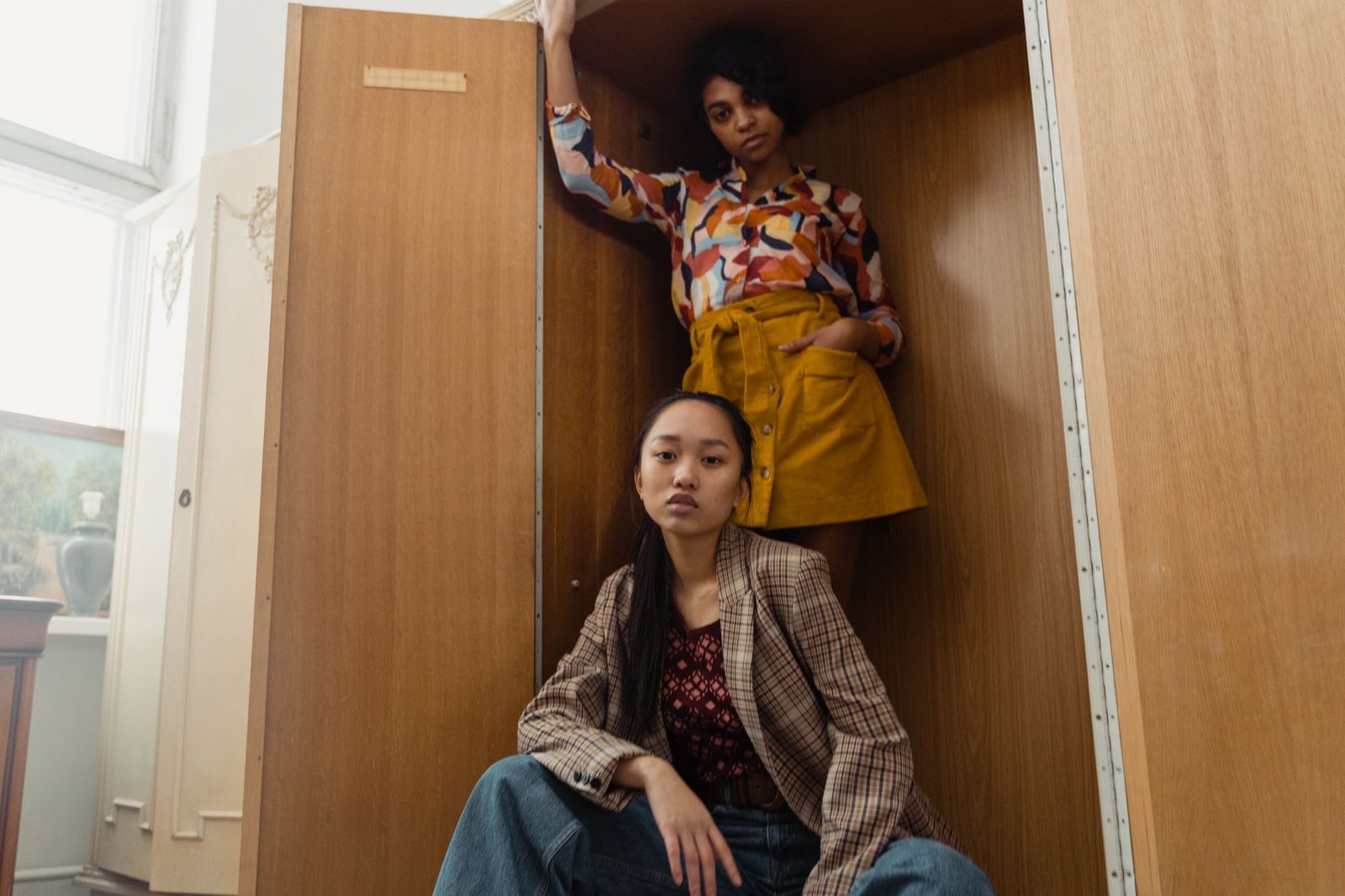
When building an outfit around a printed blazer, use one of the print’s secondary colours as the palette reference for the bottom. A floral blazer with pink, blue, and cream flowers: choose a solid pink midi skirt, solid blue straight-leg jeans, or cream wide-leg trousers as the bottom. Extracting a colour from the print and repeating it below creates visual cohesion without requiring a matching set. This is more sophisticated than the alternative (wearing a solid that doesn’t relate to the print at all, creating a disconnected impression).
Keep Accessories Quiet

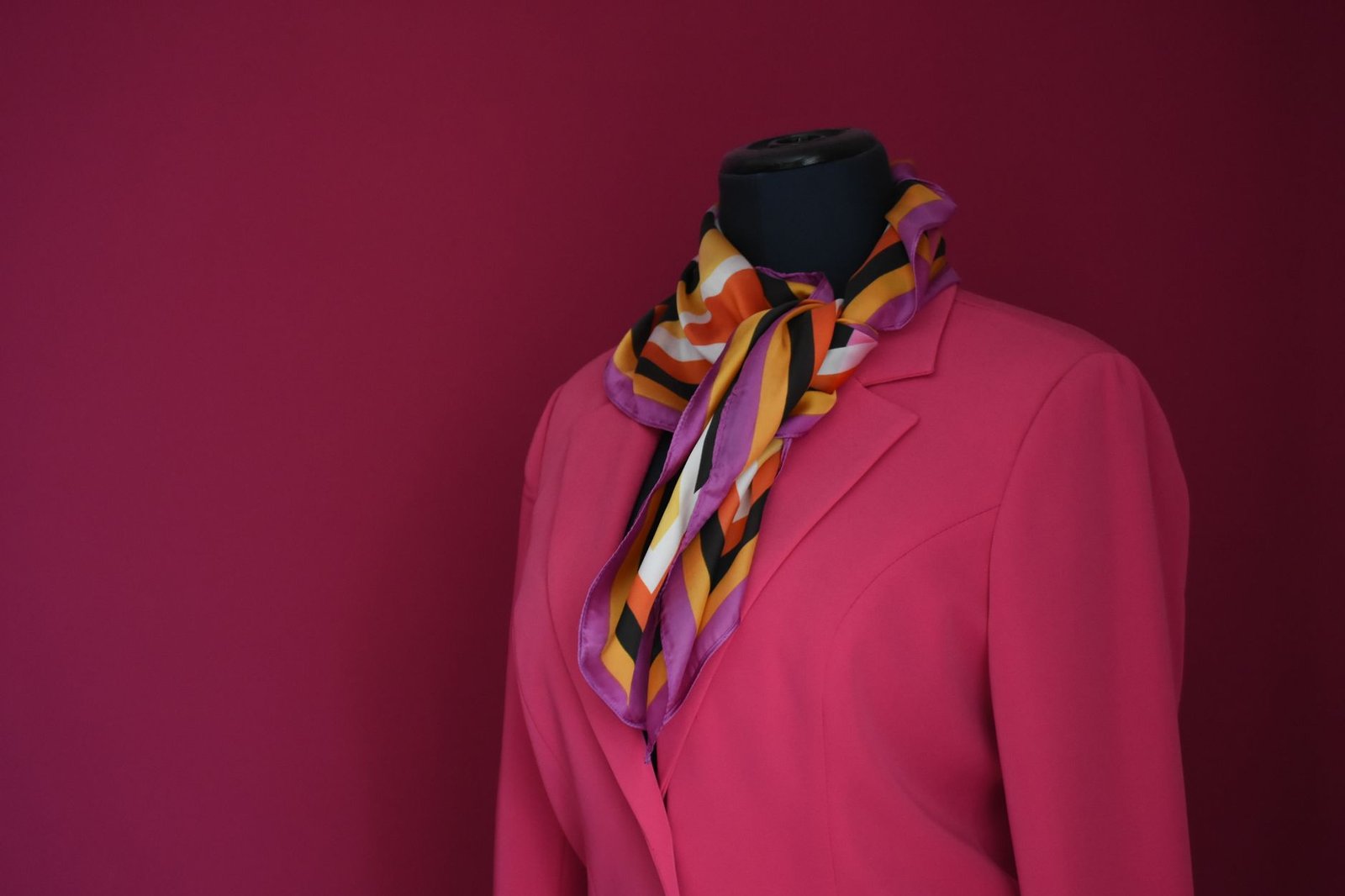
A printed blazer earns the right to be the outfit’s only statement piece. Simple, understated accessories — a fine chain, small earrings, a leather tote in a neutral colour — are more appropriate than bold jewellery or a statement bag that competes with the blazer for visual attention. The print is doing the accessorising; jewellery and bags should be supporting characters, not co-leads.
Outfit Ideas
A bold floral printed blazer in pink and cream tones over a plain white fitted tee, straight-leg jeans in a cream or pale wash, and white trainers. The outfit’s entire print comes from the blazer; everything else is white or neutral. This is the printed blazer in its most accessible and most confidently executed approach.
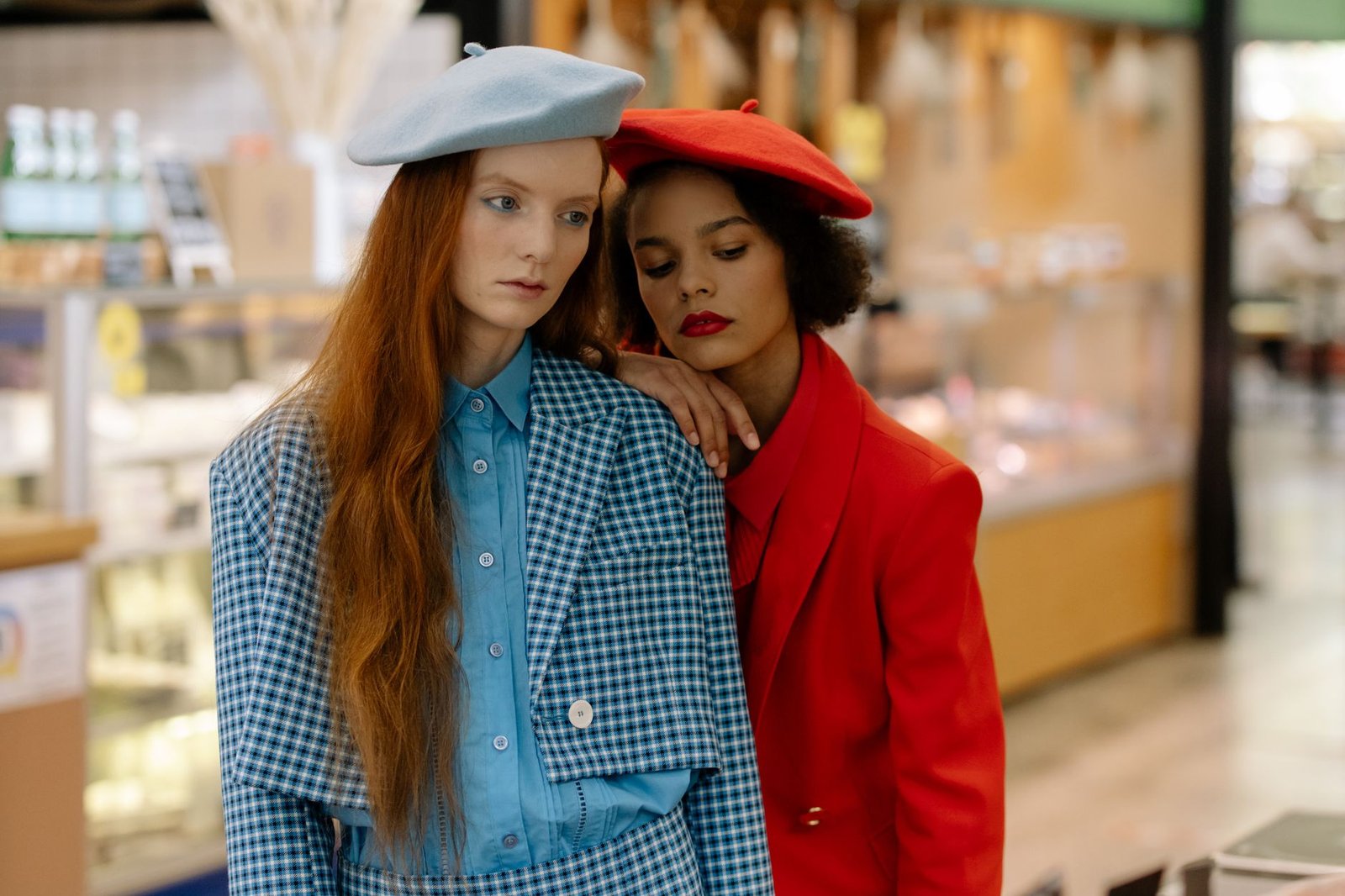
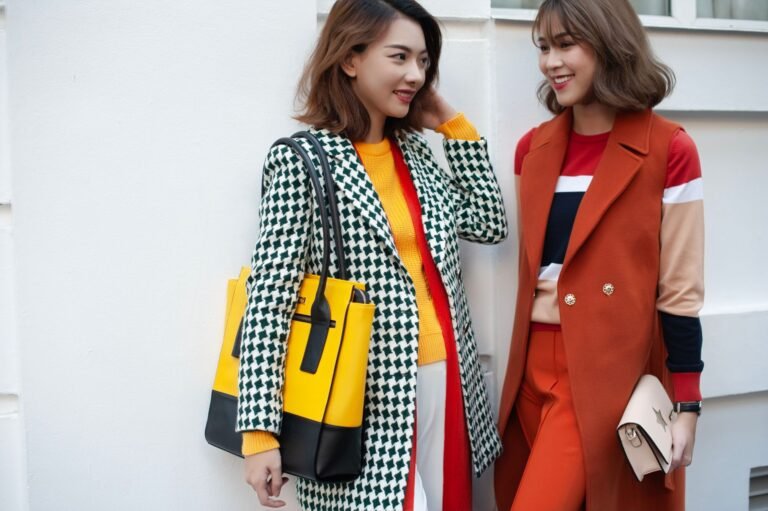
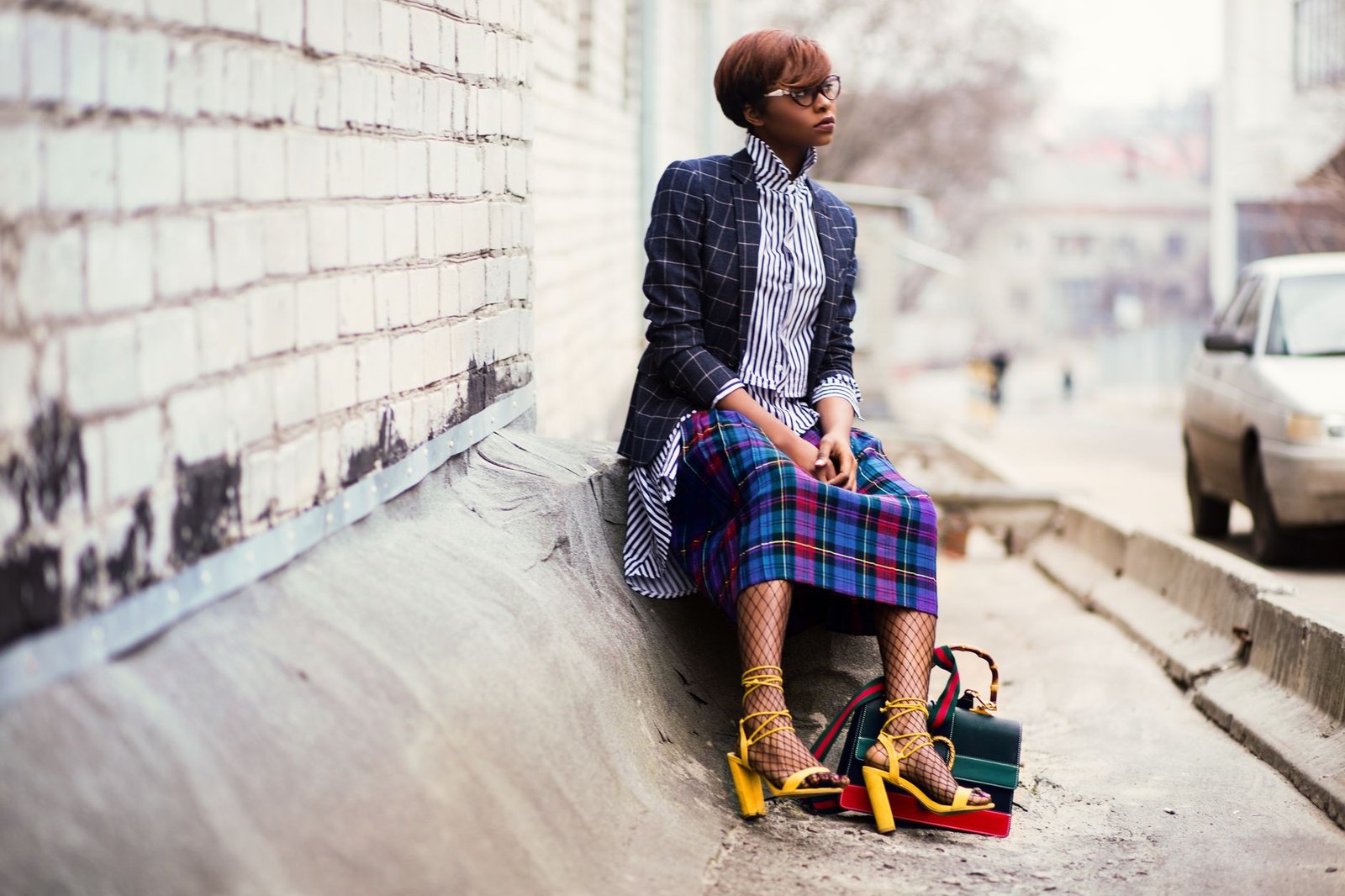
A plaid printed blazer in a black and white check over a simple black fitted turtleneck, tailored wide-leg trousers in black, and black ankle boots. A monochrome base reduces the plaid to its most graphic, most architectural impression — this is the printed blazer approach for women who want pattern with maximum restraint in the surrounding palette. The printed blazer guide‘s monochrome base principle applies most forcefully here: when the print is bold, the base should be utterly simple.
An abstract-print or painterly blazer in warm sunset tones (burnt orange, rust, blush) over a cream camisole and camel wide-leg trousers. The warm-toned base extracts from the blazer’s palette and creates a cohesive outfit that looks deliberately considered. A tan leather bag and simple gold jewellery complete the look. According to Elle, the printed blazer worn as a standalone statement piece over a neutral palette has been one of the most consistently featured styling approaches in magazine fashion coverage across multiple recent seasons, positioned as the single most efficient way to make a maximalist statement with minimum outfit complexity.
Common Mistakes
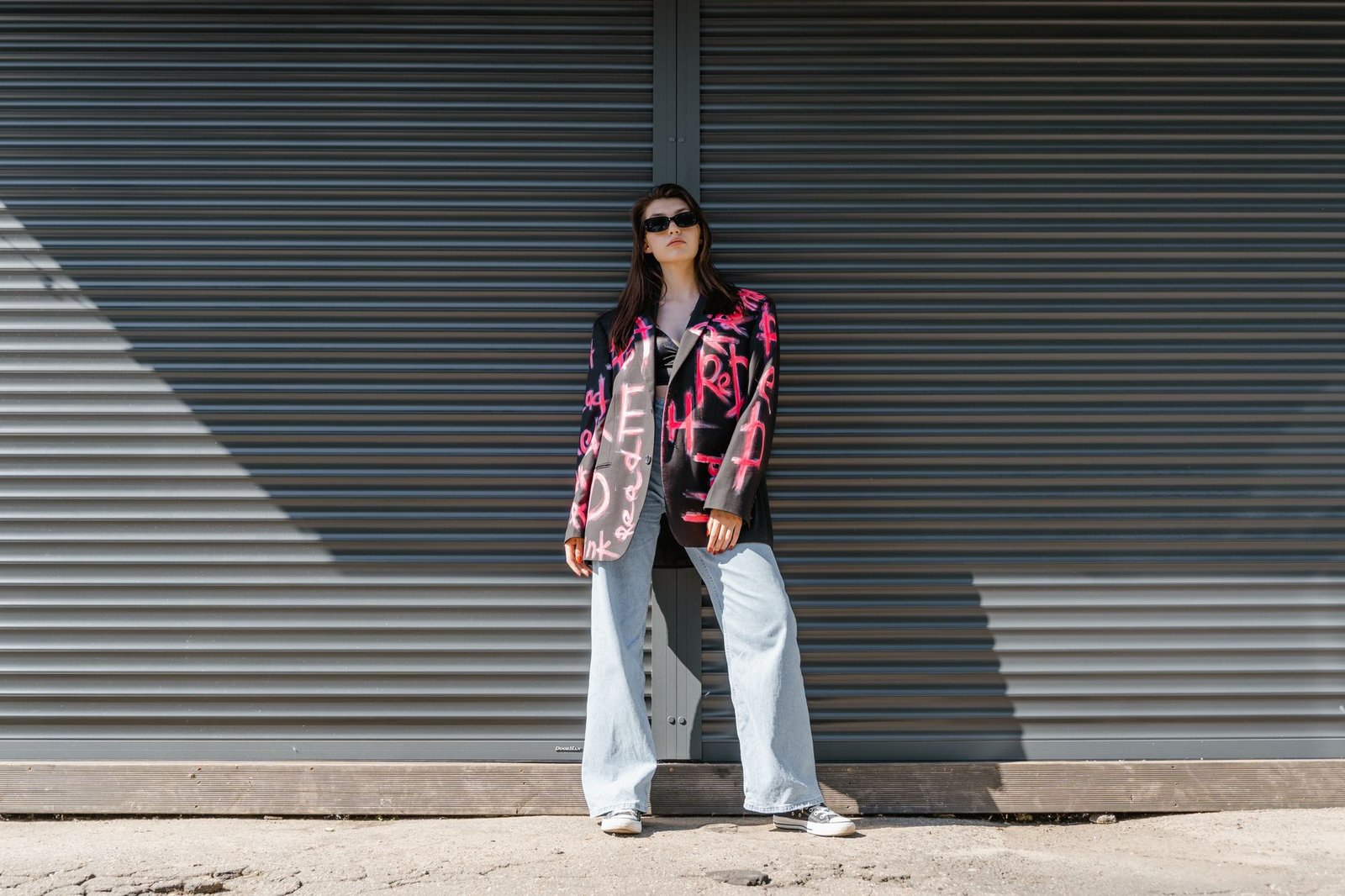
The most common printed blazer mistake is wearing it with a printed bottom — a floral blazer over a striped trouser, or a plaid blazer over a printed skirt. Unless both prints are extremely simple and from the same colour family (and even then, the result is rarely successful), mixing prints above and below the waist creates visual chaos that makes the outfit read as confused. Pick one printed piece; make everything else solid and simple.
The second mistake is choosing a printed blazer that doesn’t fit well and hoping the print will compensate for the fit issues. Prints make fit problems more visible, not less — every pulling seam, every shoulder line that falls wrong, every boxy excess is more obvious in print than in a solid. The printed blazer must fit as well as any quality tailored blazer.
Shopping Considerations
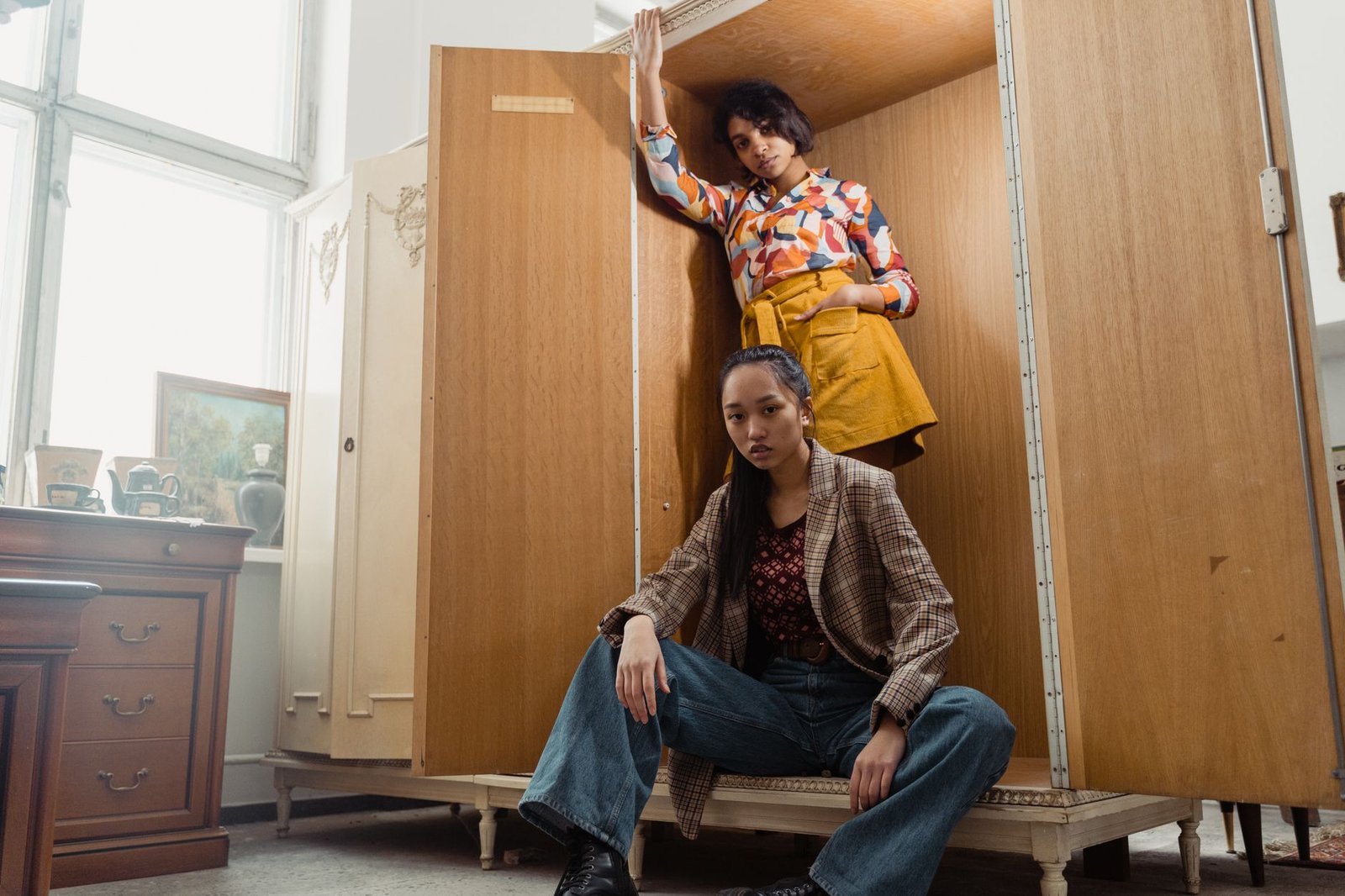
Printed blazers in classic, timeless prints — windowpane check, narrow stripe, small florals, subtle houndstooth — maintain their wearability across multiple seasons and trend cycles. Very bold, very season-specific prints (neon abstract graphics, very large-scale trendy florals) may feel dated within a season or two. When investing in a printed blazer, consider whether the print will read as strong and wearable in five years as it does today; the most enduring options are those that reference a styling heritage rather than a very specific trend moment. The colour blocking guide and smart-casual outfit guide cover related outfit context for styled blazer dressing.
Frequently Asked Questions
Can you wear a printed blazer to a job interview?
A printed blazer in a classic, conservative print (a fine plaid, a narrow pinstripe, a small check) over a simple blouse and tailored trousers can work for creative industry interviews where showing personal style and fashion awareness is an advantage. For traditionally formal interview environments (law, finance, corporate sectors), a solid blazer in a professional neutral is safer — the printed blazer signals personality rather than formality, and not all interviewers will read that signal positively. Know your audience before choosing the printed option.
Are printed blazers in season year-round?
Classic printed blazers — plaid, check, stripe — work year-round; their pattern is not inherently seasonal. Very floral or very light, summery-print blazers read most naturally in spring and summer. Rich, deep-tone printed blazers (dark florals, jewel-tone abstract prints) read most naturally in autumn and winter. A printed blazer in a year-round colourway (black and white check, neutral stripe) requires no seasonal consideration at all — it adapts to the surrounding pieces’ seasonality rather than imposing its own.
Conclusion
A printed blazer is the wardrobe’s most efficient single-piece statement — it does all the outfit’s visual work by itself when paired with sufficiently simple surrounding pieces. Neutralise the base, coordinate the colour, quiet the accessories, and allow the print to say everything the rest of the outfit does not need to.