

How to Style a Boilersuit: Effortless One-Piece Outfit Ideas
The boilersuit — a one-piece garment combining a top and full-length trousers in a single continuous construction, traditionally associated with industrial workwear — has made one of fashion’s most convincing utility-to-style transitions. Where the jumpsuit typically reads as an occasion or evening piece, and where overalls carry a specifically casual or artisan character, the boilersuit occupies a slightly different register: more utilitarian in construction, more overtly workwear-referential, but in quality fabrics and considered cuts, genuinely fashion-forward.
The boilersuit’s primary appeal is its simplicity: one piece, one decision, complete outfit. Its secondary appeal is its immediate character — a boilersuit in a quality linen or cotton reads as self-assured, understated, and directionally fashion-interested in a way that most two-piece combinations require more deliberate assembly to achieve.
Trend Overview
The boilersuit’s fashion moment has been sustained by the broader movement toward utilitarian and workwear-influenced dressing that positions functionality as a fashion value rather than fashion’s opposite. The same trend cycle that elevated cargo trousers, utility jackets, and work boot-influenced footwear has championed the boilersuit as the logical culmination of workwear’s fashion potential — a garment so honestly functional that its adoption into genuine fashion territory reads as an entirely credible aesthetic statement.
Contemporary styling has moved the boilersuit from festival and street-style contexts into creative office and smart-casual environments, where its one-piece construction creates a clean, architectural impression that reads as considered and professional when made in the right fabric and cut.

Styling Recommendations
Belting
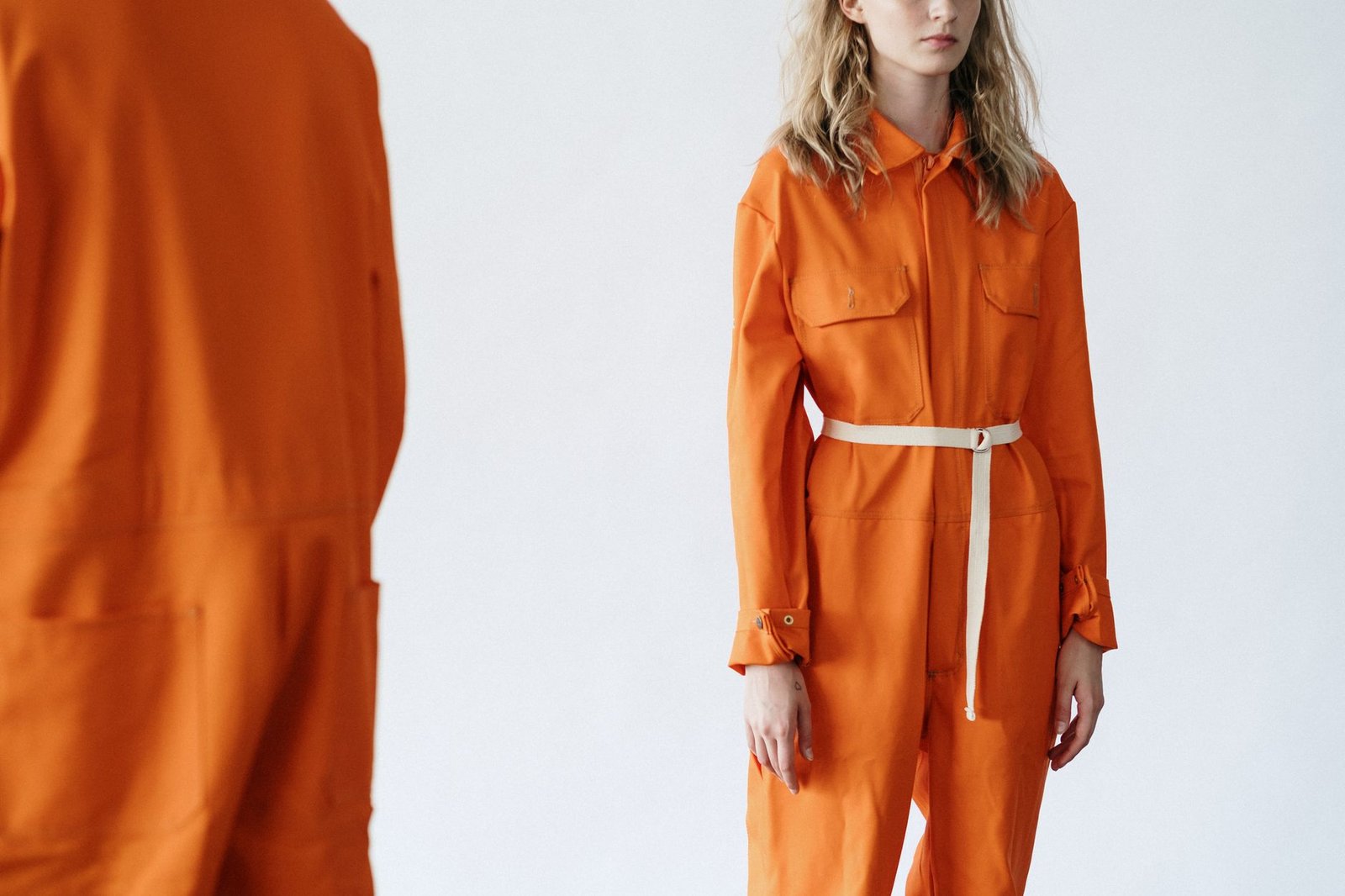
Most boilersuits benefit significantly from a belt at the waist — either the boilersuit’s own fabric tie or a separate leather belt threaded through belt loops. Belting a boilersuit creates waist definition that the garment’s naturally straight construction lacks; it also visually divides the one-piece into a more conventional top-and-bottom proportion that reads as more outfit-like and less uniform-like. A wide leather belt at the waist of a linen boilersuit is one of the piece’s most fashion-conscious and most flattering adjustments.
Footwear

The boilersuit’s utilitarian character means footwear determines its occasion register almost entirely. Loafers — especially metallic or heeled versions — immediately elevate a boilersuit into smart-casual territory. Ankle boots in leather add both warmth and a casual-fashion impression. Clean white trainers are the most casual option — the boilersuit reads as workwear-inspired weekend dressing in this combination. Heeled sandals or heeled mules translate a boilersuit into an occasion-appropriate evening piece when the fabric and colour support it.
Outer Layers
A structured blazer worn over a boilersuit is one of the most effective smart-casual approaches — the blazer provides the upper-body structure that the boilersuit’s relaxed cut lacks, and its formality immediately lifts the combination into professional or occasion-appropriate territory. A leather jacket or a denim jacket over a boilersuit creates a more casual, more street-style-influenced look. A quality coat over a boilersuit on cold days creates one of winter’s most architecturally clean silhouettes.
Outfit Ideas
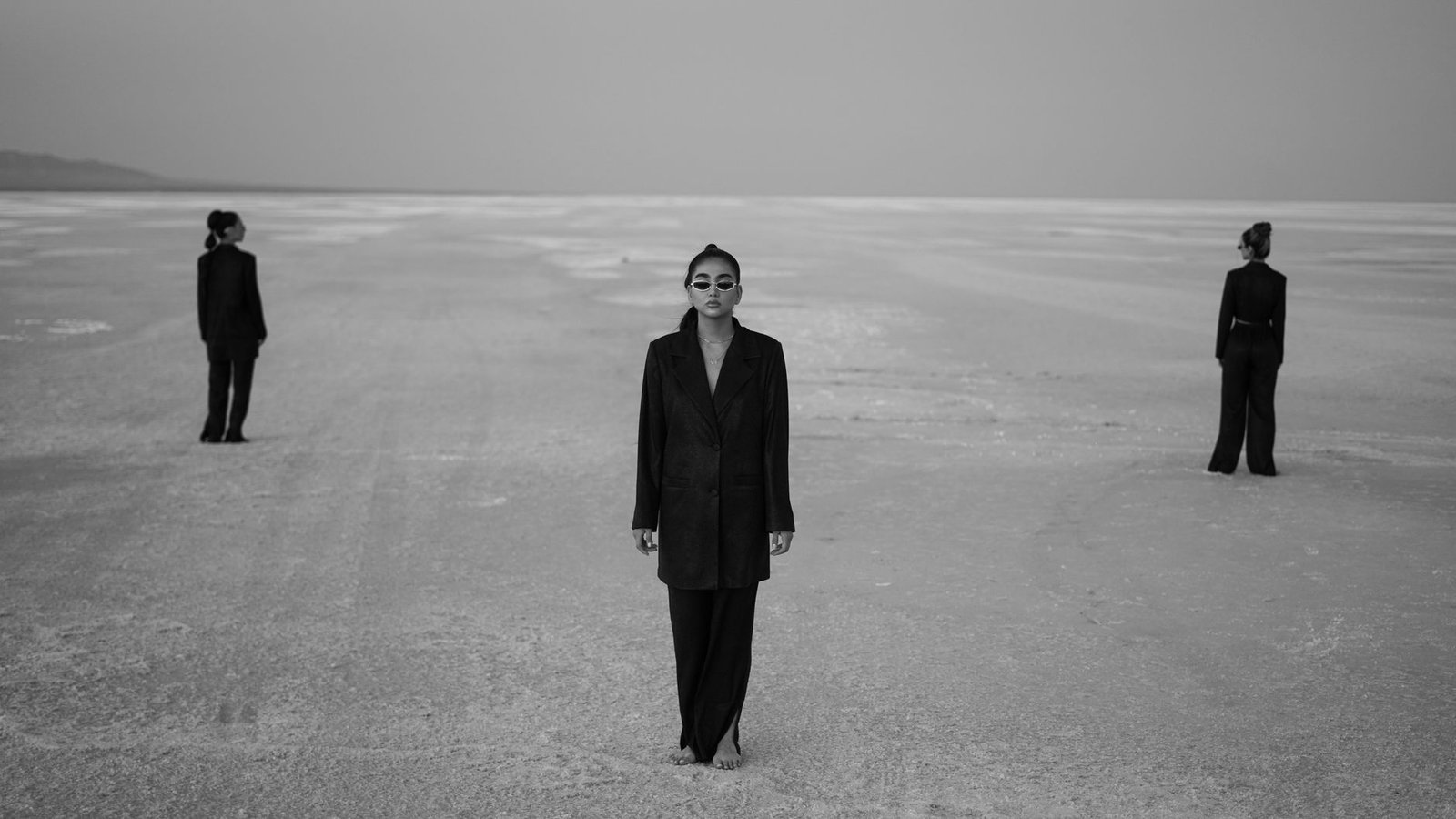
A cream or white linen boilersuit belted at the waist with a tan leather belt, metallic gold loafers, and a simple structured leather bag. A few gold jewellery pieces. This is the boilersuit in its most polished and most occasion-ready interpretation — the linen fabric reads as quality, the belt creates shape, and the metallic shoes lift the neutral palette into something genuinely considered. For smart-casual occasions in warm weather, this formula is almost unbeatable for ease and impact.
A dark navy or charcoal cotton boilersuit with white trainers and a simple crossbody bag. A white ribbed tee visible at the open collar or partially under a zip-front boilersuit. This is the boilersuit in its most casual and most straightforwardly utilitarian context — clean, considered, and entirely effortless.
A black wide-leg boilersuit with a tailored blazer in a contrasting colour (camel, rust, emerald green), heeled ankle boots, and a structured shoulder bag. This transforms the boilersuit’s simple one-piece base into a genuinely layered, fashion-conscious outfit where the blazer-over-boilersuit combination creates a more complex silhouette than either piece would alone. For office environments, this is the boilersuit’s strongest professional interpretation. According to Fashionista, the boilersuit has consistently appeared in workplace style guides for its ability to eliminate morning outfit-assembly time without compromising the considered, put-together impression that professional contexts require.
Common Mistakes

The most common boilersuit mistake is wearing one that doesn’t fit well across both the top and the bottom simultaneously — which is a specific challenge that one-piece garments create. Most women’s bodies have different proportions in the top and bottom halves (different shoulder-to-waist and waist-to-hip ratios), and a boilersuit that fits the shoulders may be too loose or too tight through the hips, or vice versa. Always try a boilersuit on and assess fit at the shoulders, the crotch length, and the trouser width simultaneously — a tailor can adjust a quality boilersuit to fit perfectly, but the starting fit must be close.
The second mistake is under-accessorising a boilersuit and allowing it to read as a uniform rather than a fashion piece. The boilersuit’s utilitarian origins mean it needs at least one considered accessory — a belt, a quality bag, interesting footwear, or a piece of jewellery — to signal that the choice is deliberate and personal rather than institutional. An entirely unadorned boilersuit in a plain colour with no accessories reads as a work uniform; the same boilersuit with a belt, a quality bag, and the right shoes reads as a confident fashion statement.
Shopping Considerations
The crotch seam is the most important quality and fit indicator for a boilersuit — it must be long enough to sit comfortably without pulling down the shoulders when standing or pulling uncomfortably when sitting or moving. Always sit down and move naturally in a boilersuit before purchasing: a crotch seam that is too short creates constant discomfort and pulls the entire garment out of shape. Quality fabrics for boilersuits include linen and cotton blends for warm weather, heavier cotton twill or ponte for year-round wear, and crepe or quality polyester for dressier versions.
Seasonal Considerations
Boilersuits are strongest in spring and summer in lighter fabrics (linen, light cotton) and transition well into autumn in heavier fabrics (cotton twill, ponte, lightweight denim). In winter, a boilersuit worn under a quality coat and over a fine-knit turtleneck is a clean, minimal winter approach — though the practical logistics of a one-piece garment in cold winter bathrooms should be considered before making it a cold-weather wardrobe staple. The boilersuit is genuinely at its best in warmer months where its one-piece simplicity is an advantage rather than a logistical consideration.
Frequently Asked Questions
Is there a difference between a boilersuit and a jumpsuit?

The terms are sometimes used interchangeably in retail, but they typically describe garments with slightly different characters. A jumpsuit usually refers to a more fashion-forward, occasion-oriented one-piece with styling details (peplum waists, wide legs, statement necklines) that reference fashion rather than workwear. A boilersuit is typically more overtly workwear-influenced — usually with utilitarian details like zip fronts, patch pockets, and more relaxed, functional cuts. In practice, the distinction is aesthetic rather than strictly constructional: both are one-piece top-and-trouser garments, but the boilersuit references its industrial origins more deliberately.
Can you wear a boilersuit to a job interview?
A tailored, fitted boilersuit in a quality fabric (ponte, quality cotton, crepe) in a conservative colour (black, navy, charcoal) worn with heeled shoes and a quality bag can work for interviews in creative and fashion industries where demonstrating personal style is an advantage. For traditional corporate sectors — law, finance, corporate services — a more conventional two-piece outfit is safer. If in doubt about interview dress code, a conventional approach demonstrates awareness of professional norms; a boilersuit signals fashion confidence that may or may not align with a specific employer’s culture.
Conclusion
The boilersuit is one of the wardrobe’s most confidently self-sufficient pieces — it makes getting dressed entirely efficient while still reading as genuinely considered when styled with the right accessories and footwear. Invest in the fit (particularly the crotch length), always belt it, and choose quality fabric that justifies the piece’s fashion credentials rather than just its functional simplicity.