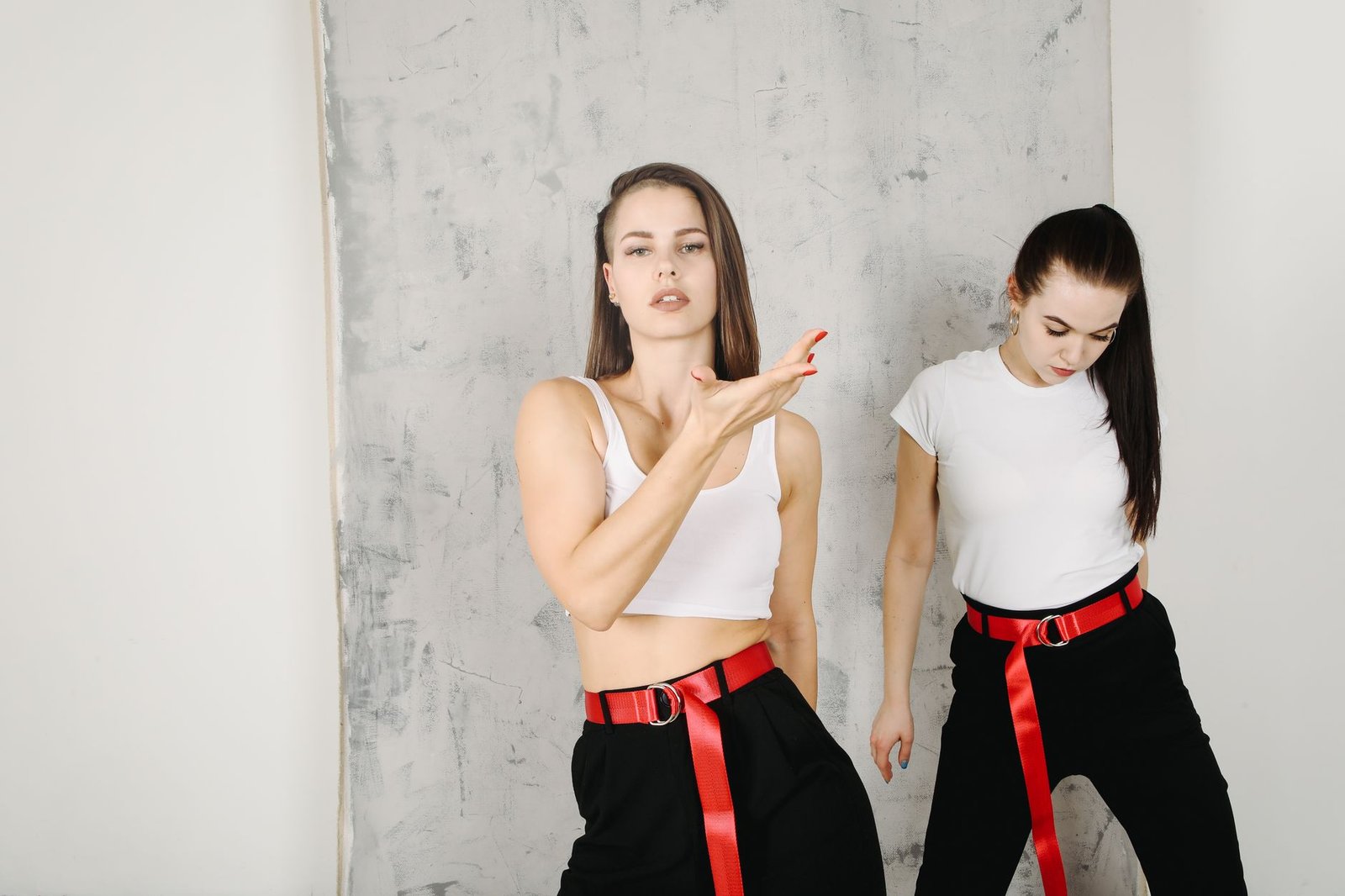
How to Style a Belt: Outfit Ideas and Styling Rules
The Belt as a Styling Tool
The belt is one of the most underused but most powerful styling tools in the wardrobe because it performs a function that no other piece can achieve as efficiently: it defines the waist in an outfit that might otherwise lack a clear waist point, creates a visual break between top and bottom that improves proportion, and adds an accessory layer with its own visual character (the buckle hardware, the material, the width) that contributes to the overall outfit identity.
A quality belt added to an outfit that lacked one almost always improves the result. The reason is structural: most outfits benefit visually from a defined waist point because it creates proportional clarity — a clear distinction between the top and bottom of the outfit. The belt provides this clarity quickly and adjustably in a way that clothing construction itself cannot always achieve.
Skinny Belt Outfits
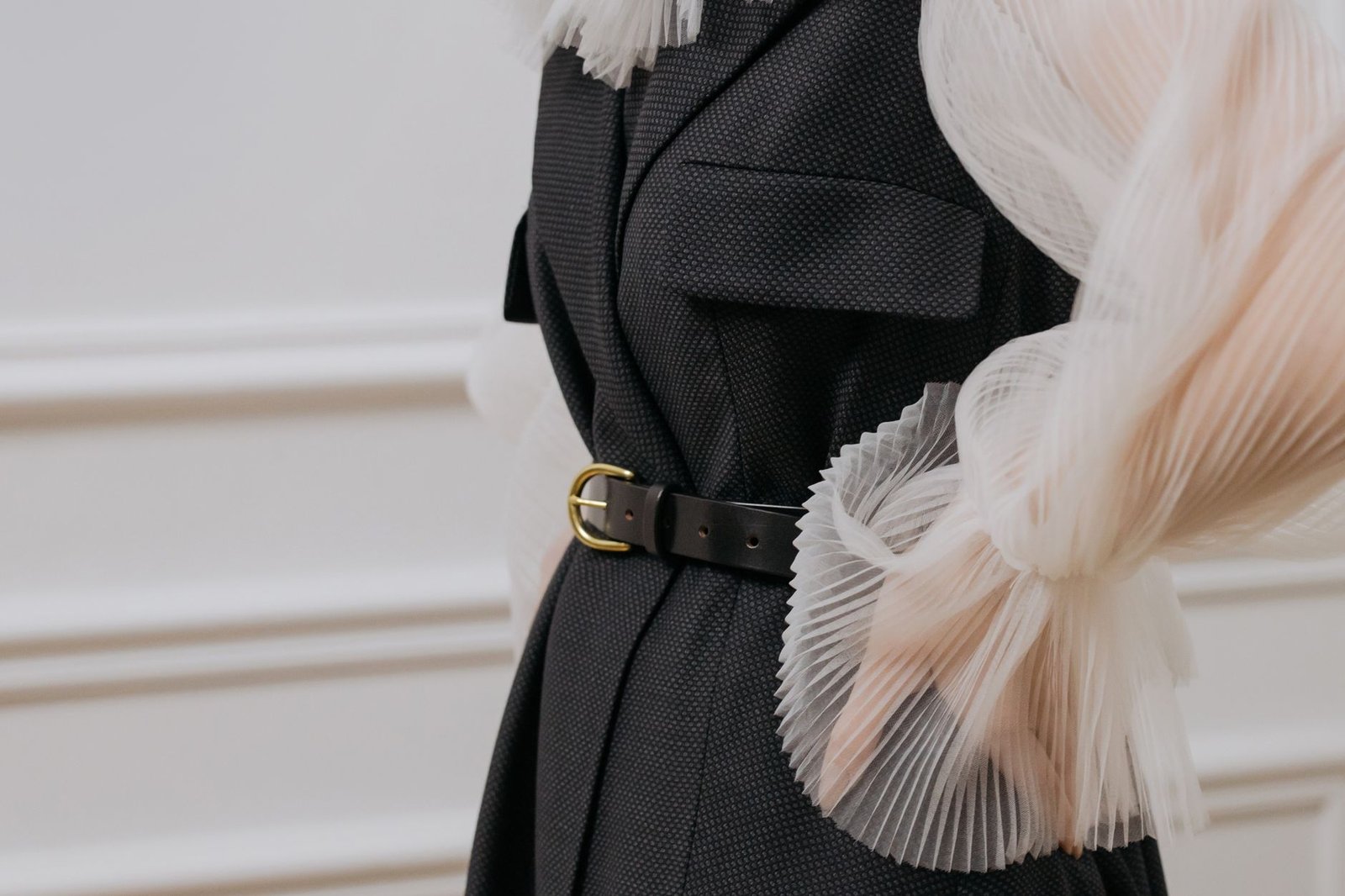
Skinny Belt on Dresses
A quality thin or skinny belt — in black, tan, or a quality neutral leather — worn at the natural waist over a quality dress (particularly a shirt dress, a wrap dress, or any dress with enough fabric at the waist to be gathered or defined by a belt). Adding a skinny belt to a quality dress instantly creates waist definition that many dresses lack in their unbelted state — particularly straight or boxy dresses whose silhouette becomes significantly more flattering when the waist is defined. Choose a belt proportionally appropriate to the dress’s fabric weight — very delicate fabrics suit very fine belts; heavier fabrics suit wider ones.
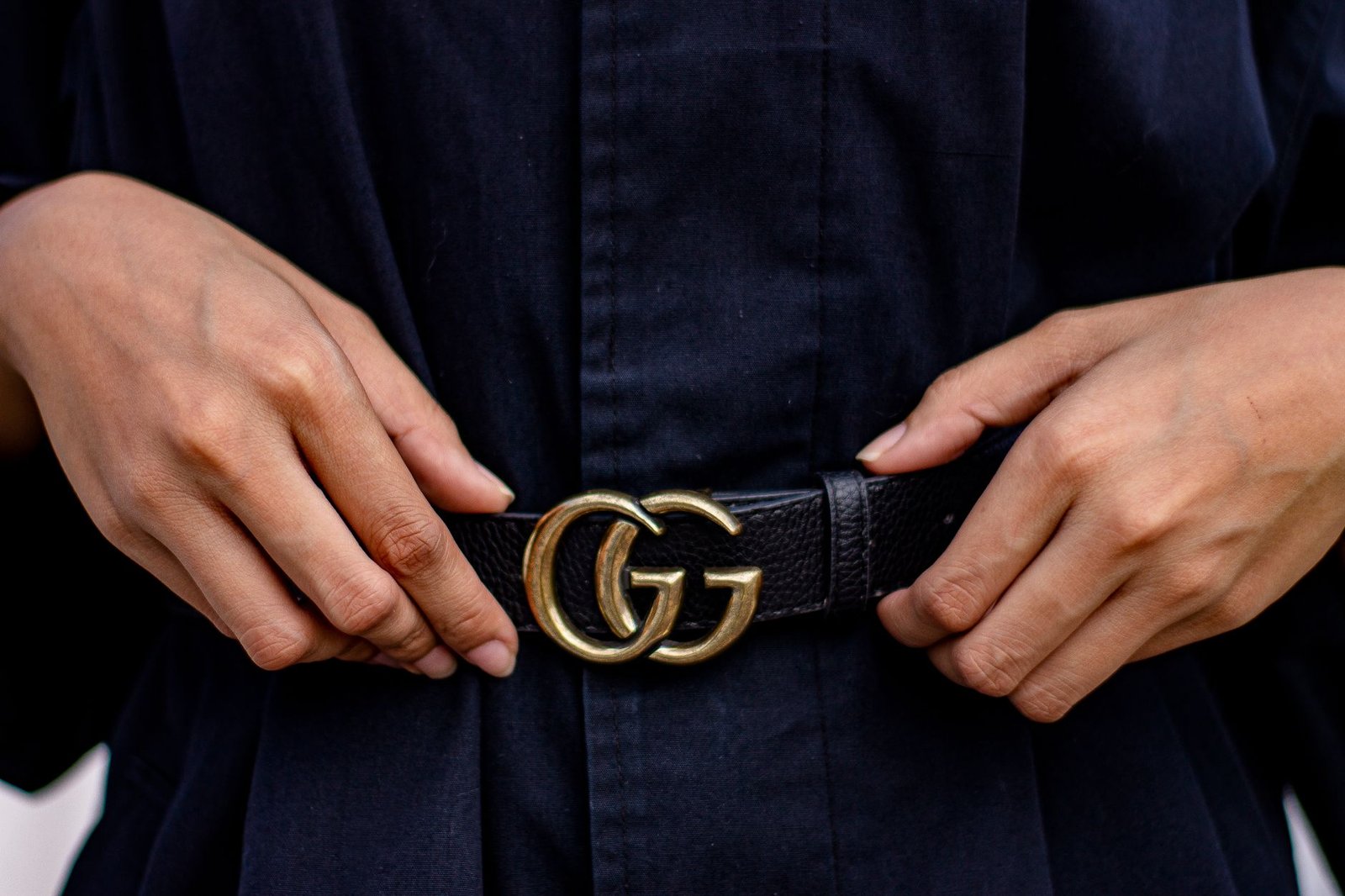
Skinny Belt on Trousers
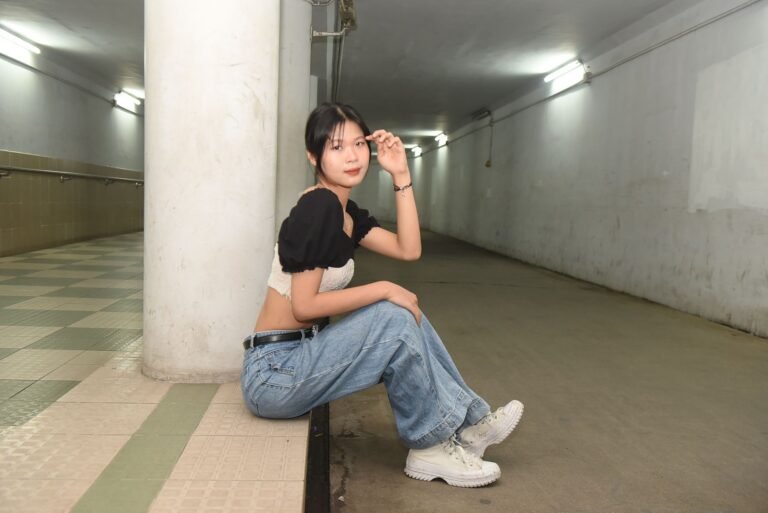
A quality skinny belt threaded through the belt loops of quality tailored trousers — in a quality leather that complements the trouser colour — with a quality fitted top tucked in. The primary function of a belt on trousers is waist definition: a quality leather belt on quality tailored trousers elevates the trouser-and-top combination from casual to considered, and the visible belt adds a deliberate accessory element even when it is relatively simple. Match the belt’s metal hardware to other metal accessories in the outfit — gold hardware with gold jewellery; silver hardware with silver jewellery.
Statement Belt Outfits
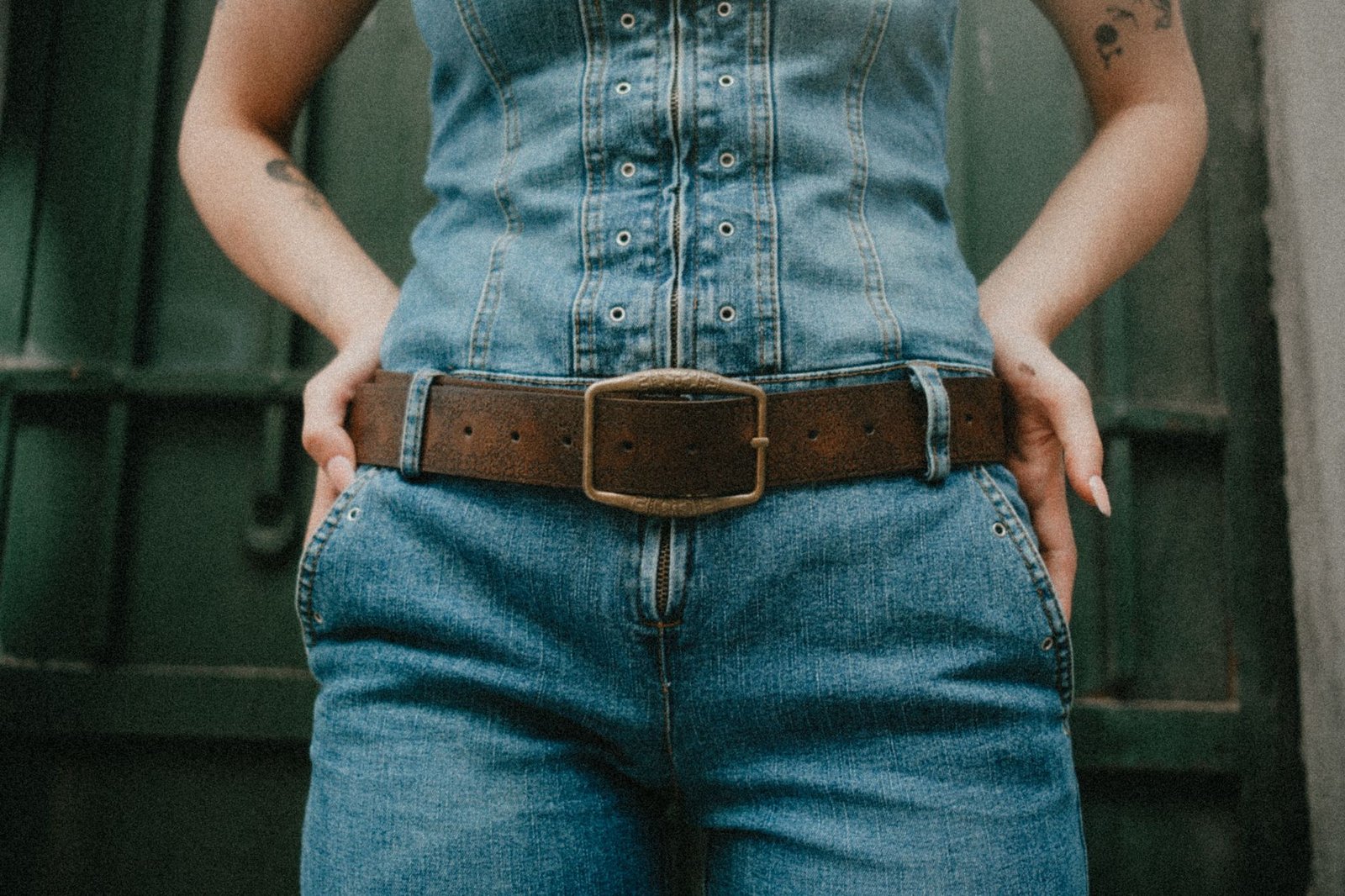
Wide Statement Belt
A quality wide belt — in a quality leather with distinctive hardware, or in a quality distinctive material — worn at the waist over a quality simple dress or quality quality knit, or over quality high-waisted quality trousers with a quality quality top tucked above the belt. A wide or statement belt is a deliberate accessory investment that functions as the outfit’s most visually distinctive element: it draws the eye to the waist, creates strong proportional definition, and adds the belt’s own visual character (its width, its hardware, its material) to the outfit’s overall impression.
Belt Colour and Material Principles
Black leather: the most versatile and the most broadly useful — works across a wider range of outfit colours and contexts than any other belt. Tan and camel leather: the warmest and most versatile for warm-coloured or neutral outfits. Brown leather: particularly effective with earthy tones, denim, and warm neutral palettes. Match the belt to the shoes when wearing them together in a visible outfit combination — matching leather goods (belt and shoes in the same or tonal leather) creates a deliberately coordinated, considered impression. Statement belts in distinctive materials or with distinctive hardware read as fashion accessories and should be treated as such — the belt is the visual focus of the outfit, and everything else should be simpler around it.
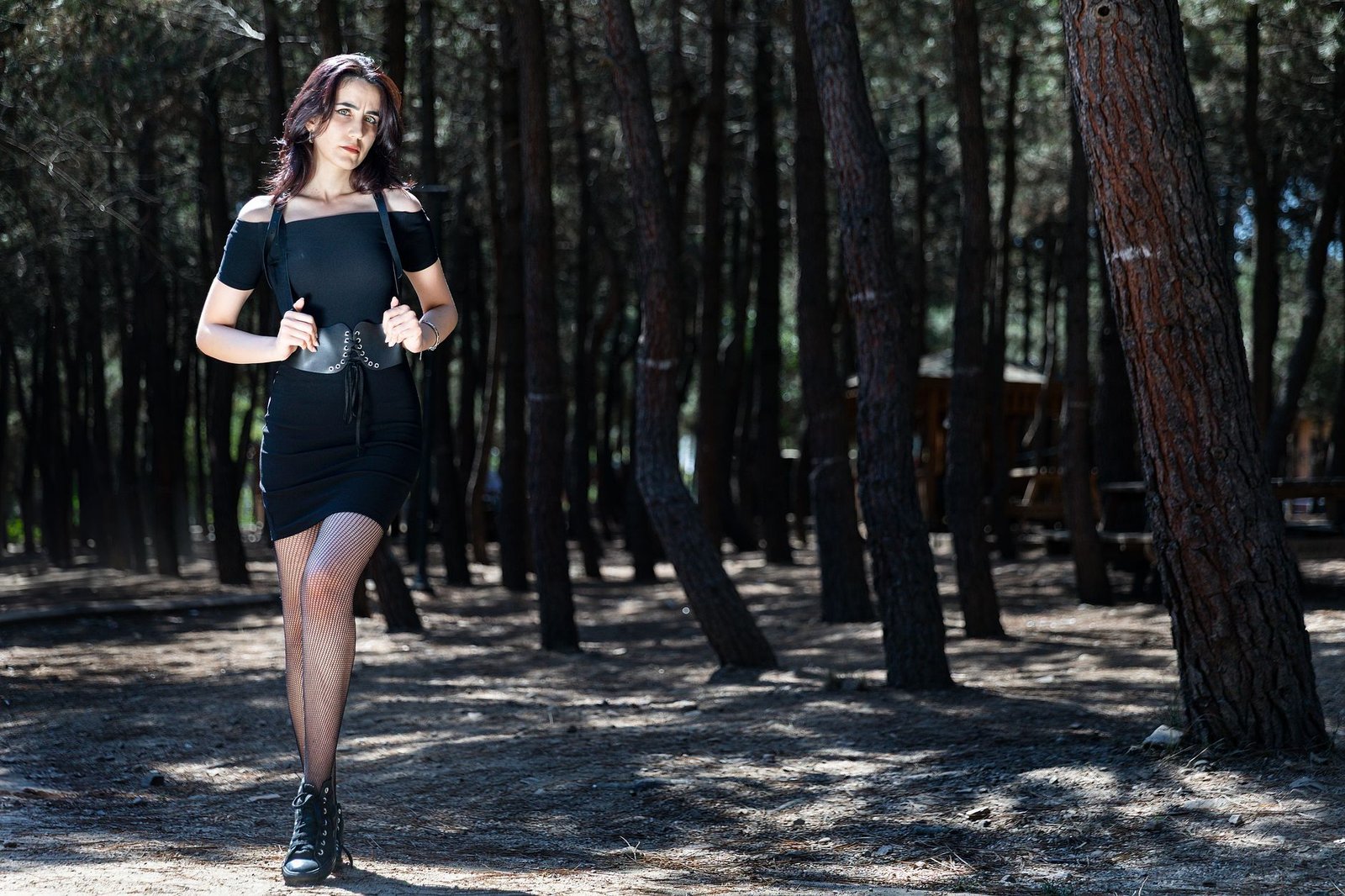
Marie Claire’s guide on how to wear a belt to elevate any outfit covers the key styling principles — from defining the waist over layered knits to cinching tailored separates for a more considered finish.
Frequently Asked Questions
How do you style a belt over a dress?
Add a quality belt at the natural waist of a quality dress — particularly effective on shirt dresses, wrap dresses, blazer dresses, and any dress with enough fabric to be gathered at the waist. Choose a belt proportional to the dress’s fabric weight (fine belt on delicate fabric; medium-width belt on heavier fabric). The belt should complement rather than compete with the dress — in a neutral that coordinates with the dress’s colour rather than a strongly contrasting colour unless a deliberate colour accent is intended.

Does a belt always improve an outfit?
Almost always, when added to outfits where the waist is undefined. Dresses, oversized tops, and boxy shirts with no natural waist definition are consistently improved by a quality belt at the natural waist. The exceptions are very fitted pieces (where the garment construction already defines the waist) and very casual pieces (where a belt can shift the register to more formal than intended). When in doubt, try the outfit with and without the belt — the version with the belt almost always reads as more considered and more proportionally flattering.
For a structured breakdown of how belts work across different outfit types — from cinching a blazer to layering textures — PureWow’s eight rules for wearing a belt is a practical styling reference covering the foundational principles.