
How to Start a Streetwear Brand: The Complete Guide for Independent Founders
Why Start a Streetwear Brand in 2026
The infrastructure for starting an independent streetwear brand has never been more accessible. Print-on-demand services eliminate inventory risk; digital platforms provide direct routes to audiences without requiring retail partnerships; the decline of gatekeeping in cultural media means a compelling creative vision can reach a global audience with no advertising budget. The challenge in 2026 is not access to infrastructure — it is the challenge that has always been at the heart of building a lasting streetwear brand: identity, community, and the creative consistency that turns a clothing project into a cultural reference point.
This guide covers the practical foundation of starting a streetwear brand — the decisions, processes, and principles that will determine whether your brand builds traction or fades into the noise of a market where thousands of new labels launch every month.
Step 1: Define Your Brand Identity Before You Design Anything
The brands that achieve lasting relevance in streetwear — Supreme, Stüssy, Palace, Madhappy, Noah — are identifiable not just by their graphics but by the complete cultural world their aesthetics inhabit. Before designing a single garment, you need to answer these questions precisely:
- What is your brand’s aesthetic language? What visual world does it inhabit — archive sportswear, Japanese minimalism, skate culture, luxury streetwear, art-inspired graphics?
- What community or subculture does it speak to? Every successful streetwear brand is a community brand before it is a product brand. Who are your people?
- What values does it express? Sustainability? Independence? Artistic integrity? Local community? The cultural values a brand expresses determine who will feel genuine alignment with it.
- What does it reference and what does it reject? Brand identity is partly defined by what it refuses to be — the category it is deliberately not in.
The answers to these questions should guide every design, pricing, and communication decision you make.
Understanding the broader streetwear market — including the secondary and vintage segments where archive pieces circulate — is useful context for positioning a new brand. Our vintage streetwear shopping guide covers how collectors and enthusiasts source archival pieces, which illuminates the cultural value system your brand will be operating within.
Step 2: Develop Your Graphic and Design Language
Streetwear is fundamentally a graphic design category. Your brand’s logo, its graphic vocabulary, the typefaces it uses, the visual language of its communications — these are as important as the garments they appear on.
Invest in design quality from the beginning. A poorly conceived logo or inconsistent graphic language signals a brand that is not ready for the cultural attention it is seeking.
- Logo — should be legible at small scale, distinctive at large scale, and culturally specific enough to communicate your brand world clearly
- Colour palette — establish a brand palette early and use it consistently across garments, packaging, and digital communications
- Graphic vocabulary — the recurring motifs, illustration style, typography, and image language that makes your brand recognisable across multiple releases
- Seasonality — whether you work to seasonal drops, continuous rotation, or occasional special releases, the cadence of your design output shapes how your audience relates to the brand
Step 3: Choose Your Production Model
Print-on-Demand
Print-on-demand (Printful, Printify, Gelato) allows you to offer products without holding inventory — each piece is produced when an order is received. Zero inventory risk, no minimum order quantities, no upfront production cost.
The trade-off is margin: print-on-demand production costs per unit are significantly higher than bulk production, which means either lower margins or higher retail prices. The garment quality and customisation options are improving rapidly, but print-on-demand still can’t match the quality of properly specified blank garments from specialist streetwear-grade suppliers.
Blank Garment Customisation (Small Batch)
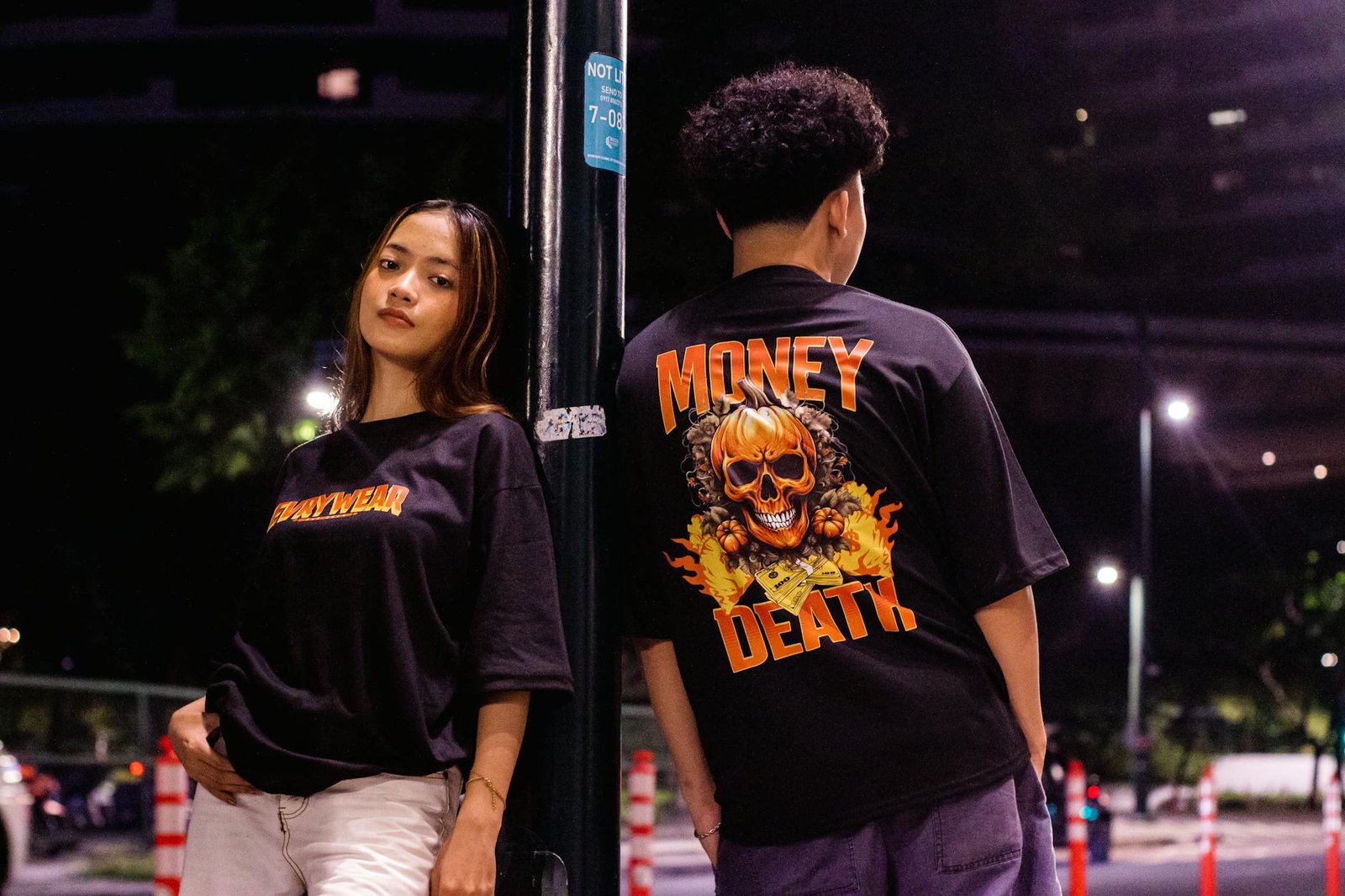
Buy blank garments from quality wholesale suppliers — Stanley/Stella, AS Colour, Gildan Premium, Bella+Canvas — and customise them through screen printing, embroidery, DTG (direct-to-garment) printing, or heat transfer. This approach requires upfront capital (blank stock purchase + print runs) and involves inventory management, but provides significantly more control over garment quality, print quality, and finished product specification. Screen printing in runs of 24+ pieces reduces the per-unit print cost substantially.
Custom Cut-and-Sew
Having garments manufactured to your own specification — not starting from a blank — requires finding a factory or CMT (Cut, Make, Trim) manufacturer and producing a technical pack (technical drawings, material specifications, construction details) for each style. The minimum order quantities for most quality manufacturers are 100–300 pieces per style per colourway. This is the highest quality and highest brand distinctiveness approach but requires the most capital, lead time, and manufacturing knowledge.
Step 4: Price for Sustainable Margin
The most common financial mistake in early streetwear brands is pricing based on what feels psychologically comfortable rather than what the economics require. A sustainable pricing formula:
- Production cost — all-in per unit cost including blank, print/embroidery, labelling, hang tags, and packaging
- Keystone + overhead — a standard retail pricing formula uses a 2.5x–3x multiplier on production cost. If a tee costs £12 to produce, retail at £30–36. This accounts for payment processing fees, returns, marketing costs, and operational overhead.
- Market positioning — your pricing communicates your brand’s market positioning. Under-pricing a product that is competing in the premium or luxury streetwear space undermines brand credibility; over-pricing a product in a mass streetwear context creates a sales barrier.
Step 5: Build Community Before You Sell

The most successful independent streetwear brand launches follow a consistent pattern: community building precedes commerce. Before your first drop, you need an audience that cares about your brand’s identity enough to pay attention when product becomes available. Strategies:
- Document the creative process — share the design decisions, the inspiration behind pieces, the brand’s visual world. Authenticity of process is highly valued in streetwear culture.
- Collaborate with photographers, artists, and creatives — early collateral content requires creative partners. These collaborations also extend the community of people with genuine investment in the brand’s success.
- Be specific about your cultural references — vague positioning attracts vague audiences. The more specifically you define your brand’s world, the more strongly the people who share that world will identify with it.
- Build before you launch — six months of content and community activity before a first sale is not unusual for brands that want to build genuine traction rather than a day-one spike and silence.
Step 6: The First Drop
Your first product release should be deliberately limited in scope and quantity. Three to five pieces, produced in small quantities (25–50 per style), are enough to establish the brand’s aesthetic and generate genuine scarcity without creating the inventory liability of an over-ambitious first run. The first drop is primarily a cultural signal rather than a revenue event — it tells your audience what your brand is.
Price to sell out. A first drop that sells completely communicates momentum and desirability even if total revenue is small. A first drop with unsold units communicates the opposite.
Step 7: Consistency and Longevity
The brands that survive five years in the streetwear ecosystem share one characteristic more reliably than any other: creative consistency. Maintaining the core aesthetic and cultural identity of the brand through every product release, every communication, and every collaboration — even as the brand evolves and grows — is the fundamental work of brand building. The temptation to chase trends, to broaden the aesthetic to attract new audiences, or to produce pieces that are commercially motivated rather than creatively motivated is the most common cause of brand identity erosion in independent streetwear.
The fundamentals of building a successful clothing brand — identifying a market gap, understanding your production options, and building community before commerce — apply across all fashion niches. Marie Claire’s guide to starting a clothing label covers the practical and financial fundamentals from a founder’s perspective.
Frequently Asked Questions
How much does it cost to start a streetwear brand?
The minimum viable starting budget depends on your production model. Print-on-demand can theoretically be started with no upfront inventory cost — just platform setup fees and marketing spend.
A small batch blank garment approach (50 units per style, screen printed) might require £2,000–£5,000 for the initial run. Cut-and-sew custom production with 100+ units per style requires significantly more — typically £10,000+ for a credible first run.
Add photography, branding design, website, and marketing costs to any of these figures.
How do I get my streetwear brand noticed?
Build community around your brand’s creative identity before you sell product. Document your process on social media — particularly Instagram and TikTok for visual storytelling.
Collaborate with photographers and creatives whose work carries cultural credibility in your target community. Use the drop model to create anticipation and scarcity.
Pursue press coverage in culture and streetwear-adjacent media when you have a genuinely compelling creative story to tell, not just a product to sell.