
Streetwear Layering Guide: How to Layer for Every Season
Why Layering Matters in Streetwear
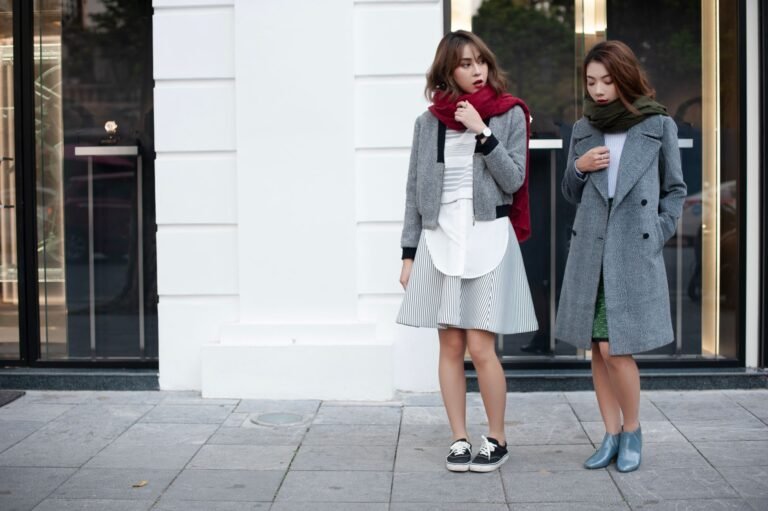
Layering is one of the defining techniques of streetwear dressing. It is not just about staying warm — it is a way to add depth, texture, and visual complexity to an outfit that would read as flat with a single garment. The best streetwear layering creates a silhouette that looks considered without looking costume-heavy, and allows the same core wardrobe pieces to work across wildly different temperatures.
The challenge is that most layering advice stops at “put a hoodie under a jacket.” Good streetwear layering has rules — about proportions, about hem lengths, about which pieces fight each other and which ones stack cleanly. This guide covers all of it, season by season.
The Core Principles of Streetwear Layering
Before going into seasonal specifics, these principles apply year-round:
- Layer light to heavy — thinnest pieces closest to the body, heaviest pieces on the outside
- Vary the hem lengths — each layer should show a different amount of fabric below the previous one, creating visual steps
- Keep the silhouette readable — too many similar widths stack into bulk; alternate fitted and oversized to maintain shape
- Anchor with one statement piece — one layer should be the focal point; everything else supports it
- Limit the colour palette — layering adds visual complexity on its own; a tight colour palette prevents it from becoming noise
Summer Layering
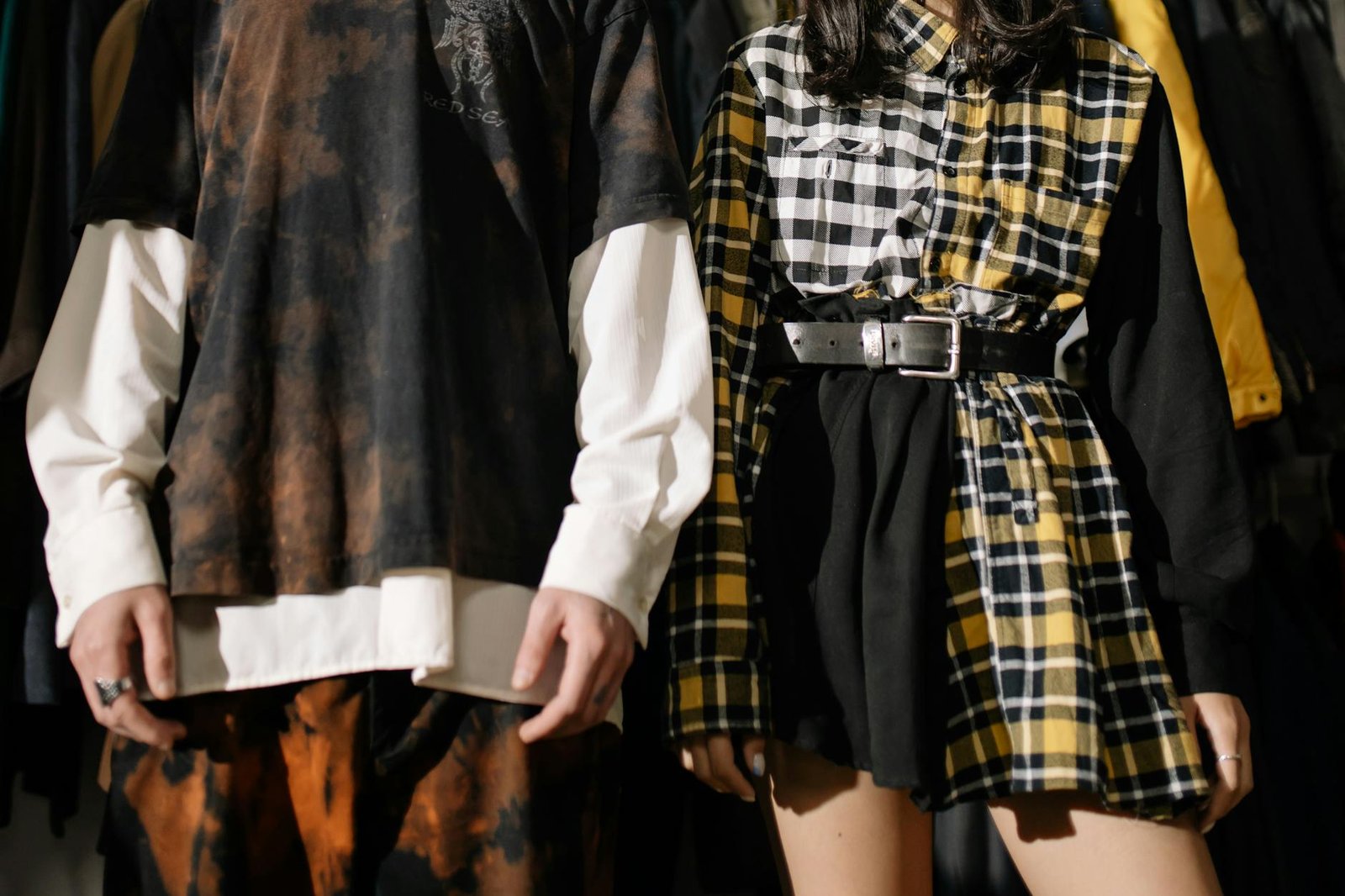
Summer layering is the hardest to get right because the instinct is to strip down, not add pieces. But strategic summer layering creates looks that plain T-shirt-and-shorts combinations cannot.
The Open Shirt Layer
An unbuttoned overshirt, flannel, or jersey shirt worn open over a plain tee. Choose an overshirt in a lighter weight fabric — linen, thin cotton, or mesh — so it does not trap heat. This is the most wearable summer layer: it adds depth and can be removed and tied around the waist when temperatures rise.
Proportions: fitted or regular tee underneath, overshirt at least one size larger so it hangs open without bunching.
The Vest Layer
A utility vest or tactical vest worn over a tee is a practical summer layer that has become one of the most recognisable silhouettes in contemporary streetwear. The vest adds pockets, visual texture, and structure without adding significant warmth. Work with a minimal base — plain white or grey tee — so the vest reads clearly.
The Mesh or Sheer Layer
A mesh long-sleeve worn under a graphic tee, or a sheer overshirt worn over a fitted base. The mesh sleeves visible beneath a short-sleeve tee add layering depth with virtually no added heat. Works with monochromatic palettes — black mesh under black tee, white mesh under white tee — or as a contrast element with intentional colour difference.
Autumn Layering
Autumn is the ideal season for streetwear layering. Temperature variation throughout the day means layers that add and remove make practical sense, and the medium weight of autumn outerwear creates the best streetwear proportions.
The Hoodie Under Coach Jacket Formula
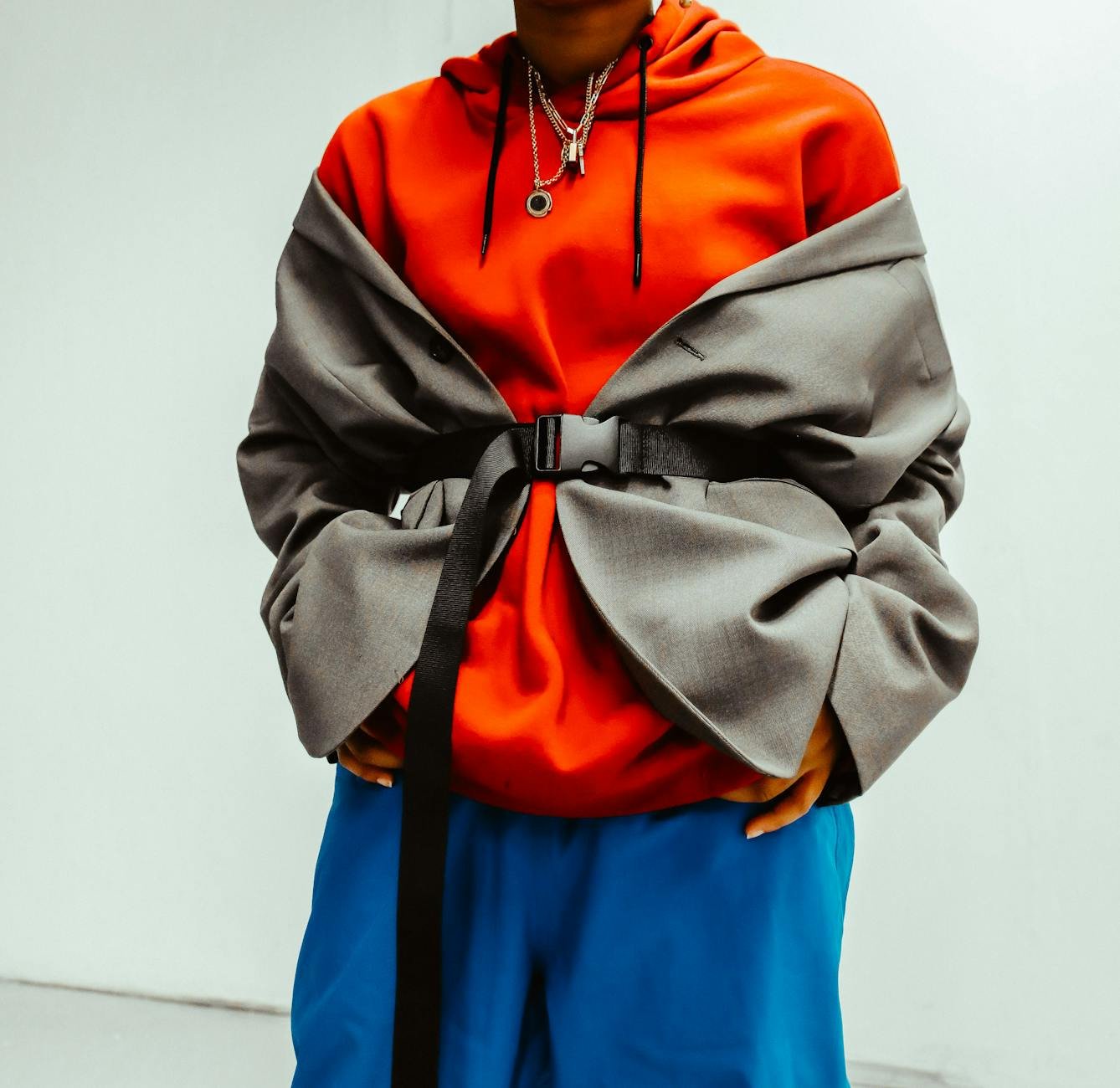
The most reliable autumn layering formula in streetwear. A midweight hoodie layered under a coach jacket or harrington jacket.
The hood should sit outside the jacket collar, creating a visible fabric frame around the face and neck. Hoodie hem should extend below the jacket hem by at least an inch.
Colour logic: match or tone — either same colour family for a co-ord effect, or a strong contrast (black jacket over colour hoodie).
The Long-Sleeve Under Tee
A fitted long-sleeve layered under a short-sleeve tee. The sleeves and crew neck of the long-sleeve are visible as a base layer beneath the tee.
Works with plain long-sleeves under graphic tees, or contrast-colour combinations for a deliberate layered look. This is a transitional technique — adds minimal warmth but creates the visual language of layering without committing to outerwear.
Bomber Over Hoodie
A bomber jacket over a hoodie works when proportions are managed carefully. The bomber needs to be large enough to close over a midweight hoodie without looking strained, and the hoodie should be visible at the neck and hem. Slim bombers over thick hoodies create a tight, unflattering profile — size up in the bomber or choose a thin hoodie if sizing is limited.
Winter Layering
Winter layering in streetwear requires keeping warmth without losing silhouette. The risk is dressing in so many layers that proportions disappear and the outfit reads as bundled-up rather than built.
The Technical Base Layer
A thermal or technical base layer under everything else keeps warmth without bulk. Thin thermal long-sleeves and thermal bottoms do more for warmth than adding extra mid-layers while keeping the overall silhouette clean. The base layer should not be visible — it is functional, not aesthetic.
The Heavyweight Hoodie as Mid-Layer
A 400–500gsm heavyweight hoodie as the mid-layer between a base and outerwear is the winter streetwear standard. The hoodie does warmth work in a silhouette that is recognisably streetwear — not a puffer, not a fleece, not a knitwear layer. Pair with a large coach jacket, overcoat, or puffer that fits over it without closing too tightly.
Puffer Layering
A puffer vest or lightweight puffer worn under an overcoat keeps warmth while the overcoat provides silhouette. This works better for a cleaner aesthetic than a full puffer jacket layered under outerwear, which creates too much bulk. Alternatively, a puffer jacket as the outermost layer works well in streetwear when everything underneath is thin and fitted.
Scarf and Knitwear as Visible Layers
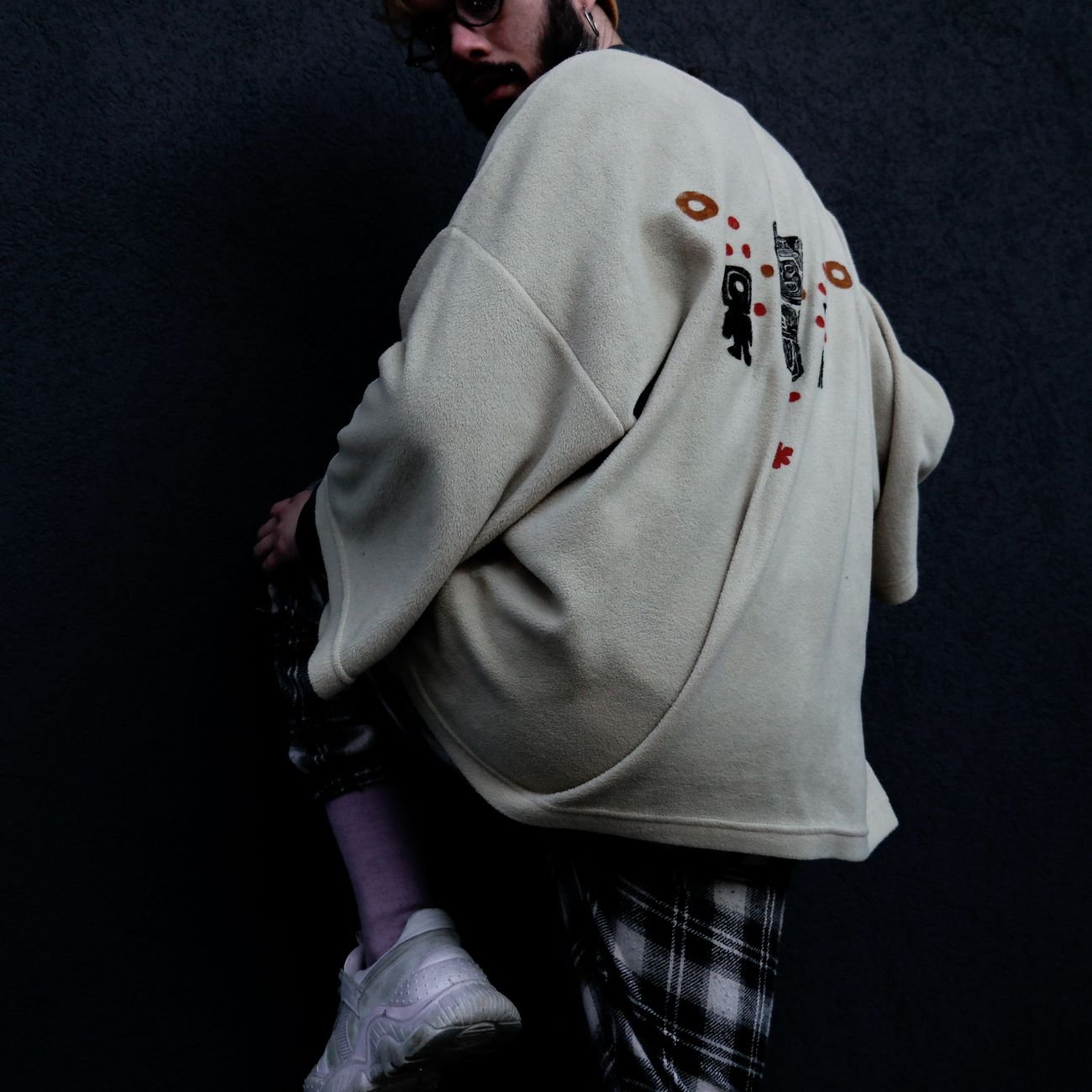
A knit beanie and scarf in coordinating colours to the mid-layer bring warmth to the head and neck without adding another full garment. Choose textures — chunky knit, ribbed, or woven — that contrast with the smoother fabrics of a hoodie or jacket beneath them.
Spring Layering
Spring layering mirrors autumn with lighter weights. As temperatures climb, the layering logic reverses — pieces are added for morning and evening warmth and removed through the day.
The Quarter-Zip or Half-Zip Layer
A quarter-zip or half-zip sweatshirt is one of the most underused pieces in streetwear layering. Worn alone with the zip open it functions like a light hoodie. Layered under a windbreaker or coach jacket with the collar visible, it adds neck detail and a second fabric register without significant bulk.
Lightweight Windbreaker
A lightweight windbreaker is the workhorse spring layer. It adds structure and weather resistance with minimal weight, and the sheen or technical fabric of most windbreakers contrasts well with the matte cottons of hoodies and tees beneath. Choose windbreakers that are a size or two up from your usual outerwear size to allow layering underneath without restriction.
Layering Mistakes to Avoid
- Same hem lengths — if every layer ends at the same point, the outfit reads as one thick block of fabric rather than distinct pieces
- Too many competing graphics — layering a graphic tee visible beneath a graphic hoodie under a graphic jacket creates visual chaos; keep graphics to one layer maximum
- Ignoring necklines — crew-neck-over-crew-neck disappears; hoodie-over-crew, or roll-neck-over-tee creates visible layering at the collar where it registers most
- Wrong proportions — outer layers too small to sit correctly over inner layers make the outfit look undersized and uncomfortable
For seasonal colour direction that works alongside streetwear layering, Who What Wear covers the biggest fashion colour trends for 2026 — a useful reference for the palette choices shaping contemporary street style this year.
Layering works best when the individual pieces are already doing their job well. Getting the right fit and silhouette from each garment — including an oversized hoodie — makes the layering logic significantly easier to apply.
Frequently Asked Questions
How many layers should a streetwear outfit have?
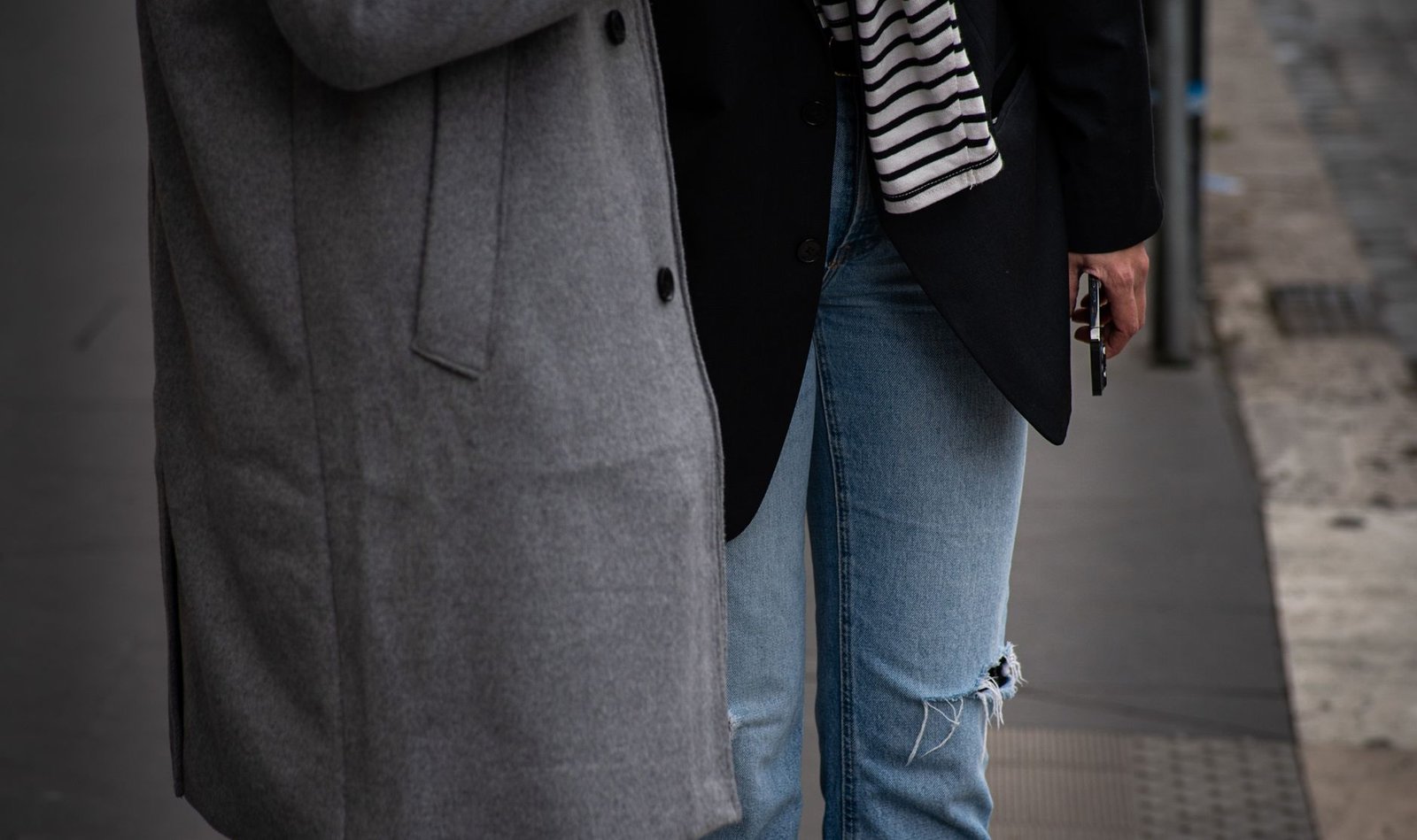
Two to three layers is the practical limit before proportions become difficult to manage. Most effective streetwear layering is built on a base, a mid-layer, and an outer layer — each of which is visible to some degree in the final outfit.
What is the best streetwear piece for layering?
The hoodie is the most versatile layering piece in streetwear. It works as a mid-layer under outerwear, as an outer layer over tees and long-sleeves, and can be tied around the waist as a removed layer that adds weight to the silhouette even when not worn.
Can you layer streetwear in summer without overheating?
Yes — summer layering relies on open layers (unbuttoned overshirts, open jackets), lightweight fabrics (mesh, linen, thin cotton), and vest layers that add visual depth without trapping heat. The key is staying within two layers maximum in genuinely warm weather.