
Gradient Tie-Dye Fashion: The Modern Take on a Classic Technique
Gradient Tie-Dye in 2026: Beyond the Spiral
Tie-dye has completed its rehabilitation from festival kitsch to genuine fashion. The form that accelerated that rehabilitation was gradient tie-dye — dyeing techniques that create smooth, flowing colour transitions rather than the classic knotted spiral patterns that defined the aesthetic in its most literal interpretations. Gradient tie-dye shares its visual language with digital colour gradients: a seamless shift from one tone to another across the surface of a garment, creating the soft, flowing colour movement that contemporary fashion audiences find most compelling.
In 2026, gradient tie-dye appears in luxury fashion and independent brand collections alongside mainstream retail — a marker of the technique’s genuine aesthetic rehabilitation. The key shift from earlier tie-dye waves is technical and editorial restraint: modern gradient tie-dye typically uses two or three colours rather than six or seven, and chooses colour combinations with intention — analogous colour harmonies, monochromatic fade ranges, or high-contrast complementary pairs used with care.
Gradient Tie-Dye Techniques
Ice Dyeing
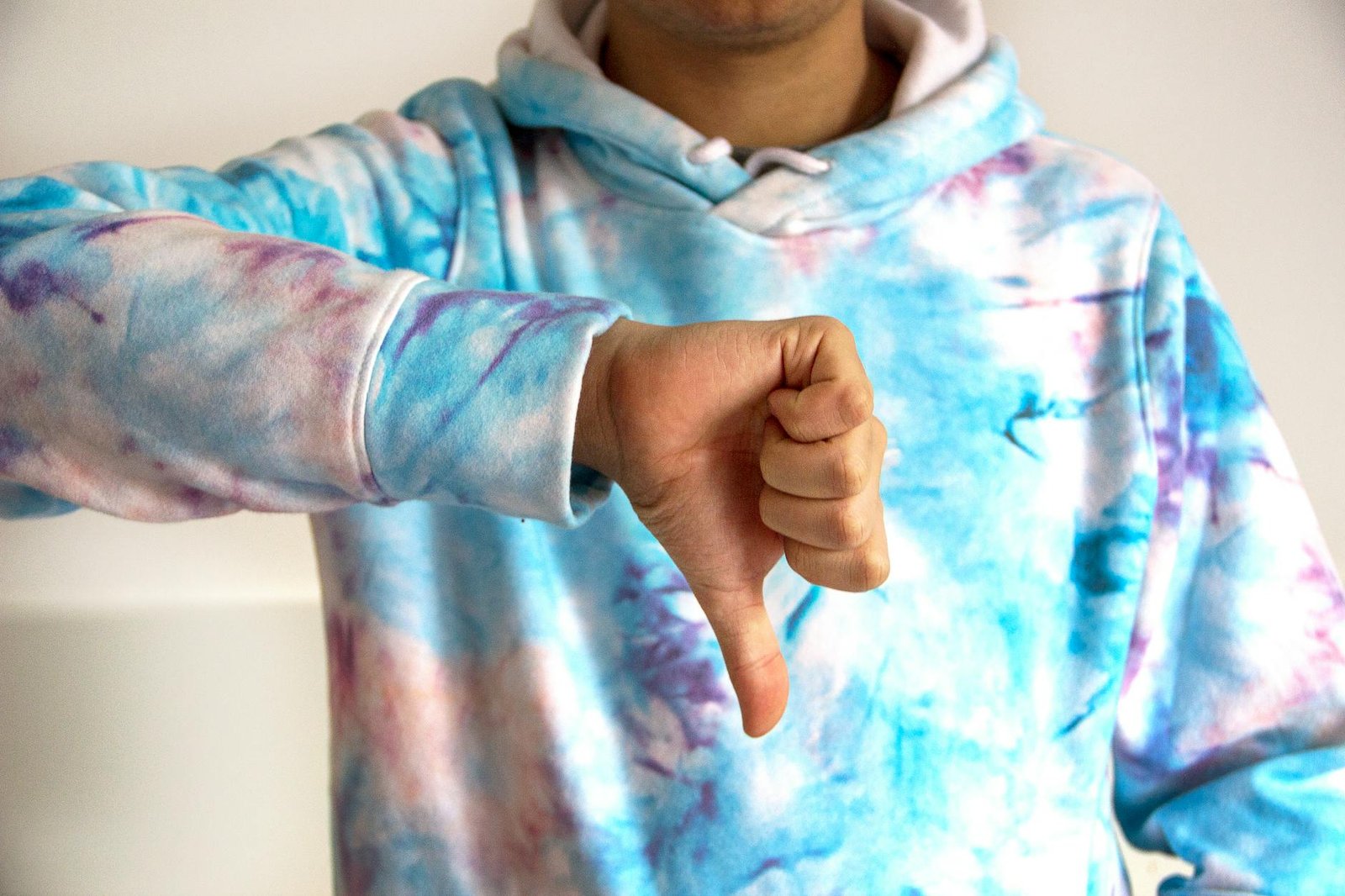
Ice dyeing creates irregular, organic colour gradients by placing fabric on a rack, covering it with ice, and sprinkling dry fibre-reactive dye over the ice. As the ice melts, it carries the dye across the fabric in unpredictable flows — the result is a soft, watercolour-like gradient with natural variation. Ice dyeing is one of the most refined tie-dye techniques for creating gradient effects because the ice controls the dye flow, preventing the hard boundaries of traditional knotted tie-dye.
Ombré Dipping
Ombré dipping submerges a garment progressively into a dye bath, removing it gradually and re-dipping sections to create a gradient from deep colour at the immersed end to pale or undyed colour at the other. The technique creates a clean bottom-to-top or top-to-bottom colour transition — the simplest form of gradient tie-dye and the easiest to control precisely.
Low-Water Immersion Dyeing
Low-water immersion dyeing places fabric in a concentrated dye bath with minimal water, allowing the dye to absorb unevenly as the water ratio is low. The result is mottled, variegated colour with gradient effects throughout — more textured and complex than ombré dipping, with colour variation across the full surface of the garment rather than a directional gradient from one end to the other.
Shibori-Inspired Gradient Fold Dyeing
Shibori is a Japanese resist-dyeing tradition that uses folding, binding, and clamping to create patterns in fabric. When adapted for gradient effects, shibori-inspired techniques use accordion folds and partial immersion to create gradient patterns with geometric precision — stripes, chevrons, and diamond forms in flowing colour transitions rather than flat, solid colours.
Colour Combinations for Gradient Tie-Dye Fashion
Analogous Colour Gradients
Colours adjacent on the colour wheel — pink to purple, green to teal, orange to yellow — create the most harmonious gradient tie-dye combinations. The colours share tonal values and blend naturally through the gradient zone, creating smooth transitions without muddy middle tones. Analogous gradients are the easiest to wear because the colour combination never creates visual tension.
Monochromatic Fade
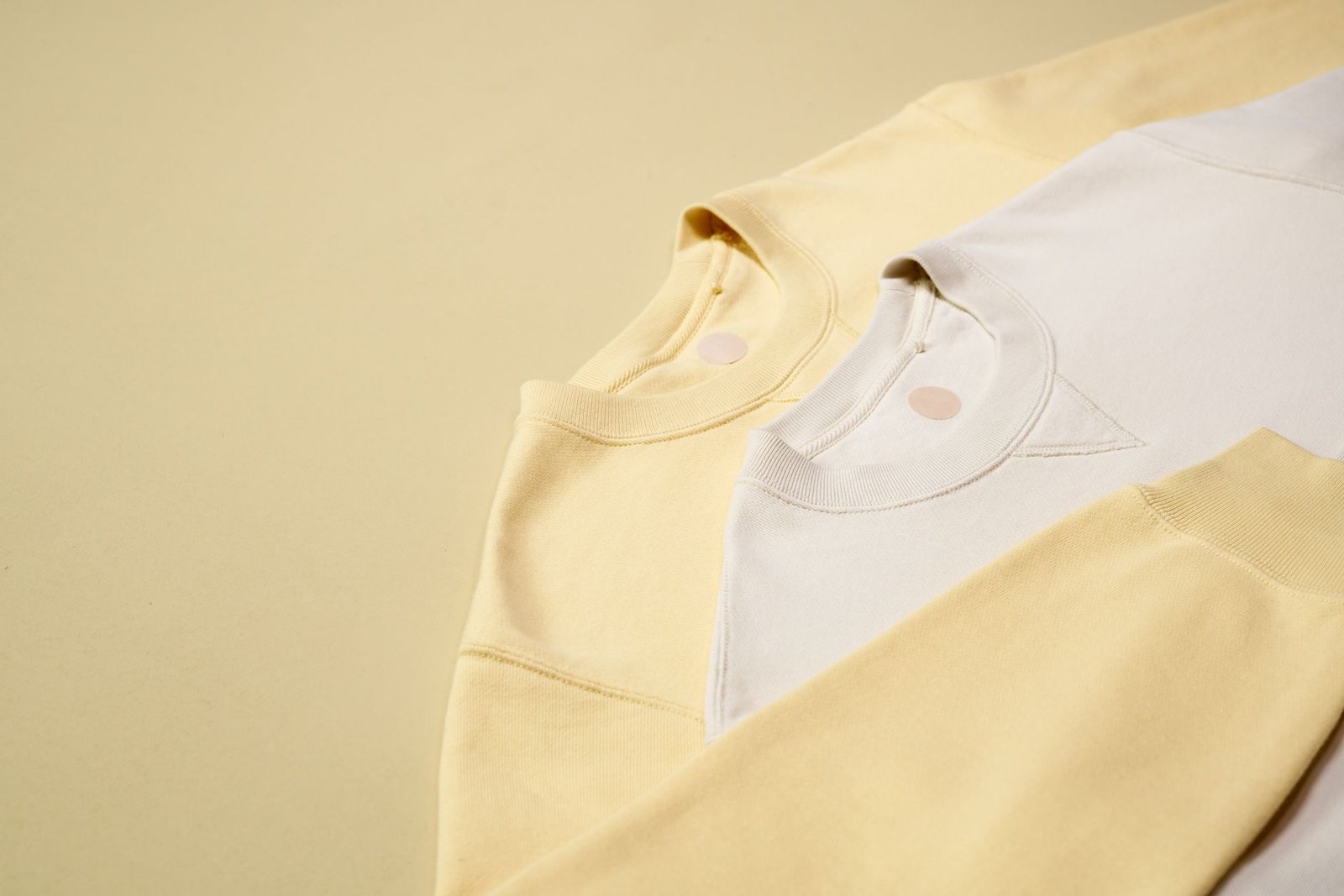
A single colour fading from deep and saturated at one end to pale and almost white at the other. Blue denim wash gradients, deep burgundy fading to pale blush, forest green fading to sage or mint — monochromatic gradient tie-dye is the most refined and wearable interpretation of the technique. It reads as sophisticated colour work rather than pattern decoration.
Complementary Contrast Gradient
Complementary colours — purple and yellow, blue and orange, green and red — create high-energy, visually active gradients where the middle zone mixes to a complex, usually brown or grey transitional tone. Requires careful management: strong contrast gradients are statement pieces that define an entire outfit and need plain, neutral supporting pieces to avoid visual overload.
Earth Tone Gradients
Terracotta to camel, rust to sand, chocolate to cream — earth tone gradients have a warmth and wearability that more chromatic combinations don’t always have. These gradients integrate naturally with streetwear and casual wardrobes and don’t require the same level of styling care as high-chroma colour combinations.
Choosing the right colour combination for gradient tie-dye is the same creative decision as choosing colours to combine in an outfit — the same rules of analogous harmony, complementary contrast, and tonal value apply. Our guide to colour blocking outfits develops the colour literacy that makes gradient tie-dye colour selection more intuitive.
Gradient Tie-Dye Outfit Ideas
Gradient Tie-Dye Hoodie and Neutral Base
A gradient tie-dye hoodie — the single statement piece of the outfit — with plain dark or neutral jeans and simple, clean trainers. The gradient does all the visual work; everything else should be as plain as possible to avoid competing with it. This is the most wearable and accessible gradient tie-dye outfit formula.
Gradient Tie-Dye Set — Matching Top and Bottom
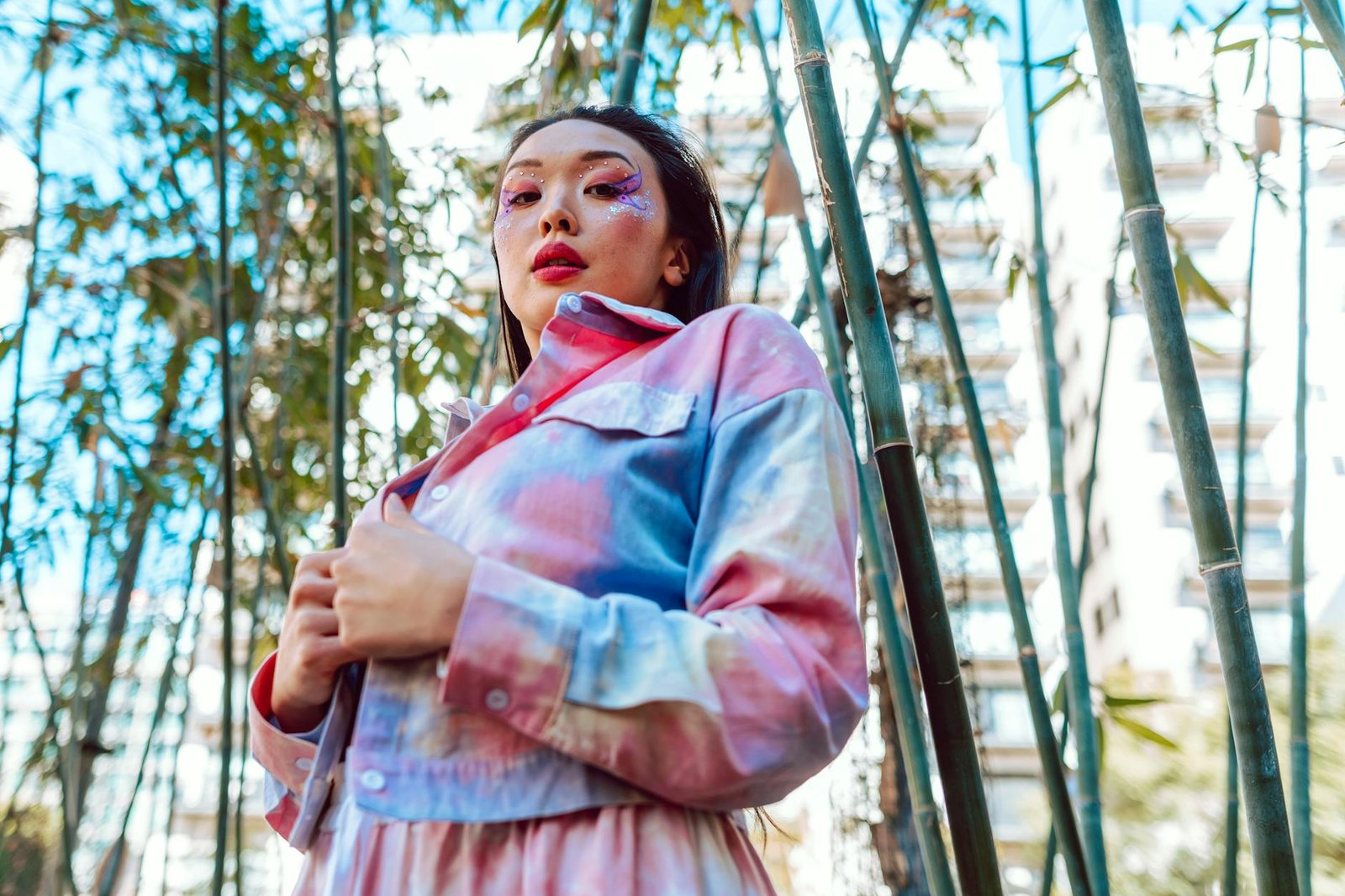
A matching gradient tie-dye co-ord set — hoodie and sweatpants, or tee and shorts, in the same gradient pattern. When the pattern is continuous or complementary across both pieces, the set creates an immersive gradient effect that reads as a fashion statement rather than casual wear. One of the strongest gradient tie-dye outfit approaches for editorial or event contexts.
Gradient Tie-Dye Tee Tucked Into Plain Bottoms
A gradient tie-dye tee tucked fully or half-tucked into plain dark jeans or neutral trousers. The tuck shows the gradient at its most visible at the waist and above; the plain bottoms keep the overall look grounded. White or off-white base under the tee and clean white or neutral trainers maintain a clean visual environment for the gradient to sit in.
Gradient Tie-Dye Joggers and Plain Top
Gradient tie-dye joggers or sweatpants as the statement piece with a plain white or neutral sweatshirt or tee on top. The gradient works at the bottom half; the top half is deliberately self-effacing.
Clean white trainers complete the look. This approach is more unusual than putting the gradient at the top but works particularly well with bottom-gradient colourways that fade from deep at the waist to light at the hem.
Layered Gradient — Tie-Dye Under Outerwear
A gradient tie-dye long-sleeve tee or hoodie worn under an open jacket, windbreaker, or shacket — so the gradient is partially visible in the open front and at the cuffs and hem. The layering creates visual depth and gives the gradient tee context without making it the blunt, undiluted focus of the outfit.
Gradient Tie-Dye Across Garment Types
- Sweatshirts and hoodies — the classic gradient tie-dye garment. Cotton fleece or French terry absorbs gradient dyes beautifully and the relaxed cut allows the colour to move across a generous surface.
- Tees and long-sleeves — the simplest gradient garment and the most wearable because the lighter fabric shows the colour transition with more luminosity than fleece.
- Denim — gradient dye applied to denim (similar to authentic stone-wash or over-dye processes) creates a unique surface that combines the texture of denim with the colour movement of tie-dye. Uncommon and visually distinctive.
- Knitwear — gradient-dyed yarns or garments create intarsia-like colour shifts in the knit structure. High-end gradient knitwear is one of the most sophisticated gradient tie-dye fashion expressions.
- Socks and accessories — gradient tie-dye socks, beanies, and tote bags are lower-commitment gradient entries that add colour movement to an otherwise plain outfit.
The tie-dye trend’s evolution from craft-coded novelty to fashion-credible design statement has tracked closely with the broader cultural rehabilitation of handcraft techniques in premium fashion contexts. Marie Claire’s tie-dye fashion guide documents the best tie-dye pieces across categories, demonstrating how the technique translates across casual and dressed-up contexts.
Frequently Asked Questions
What is gradient tie-dye fashion?
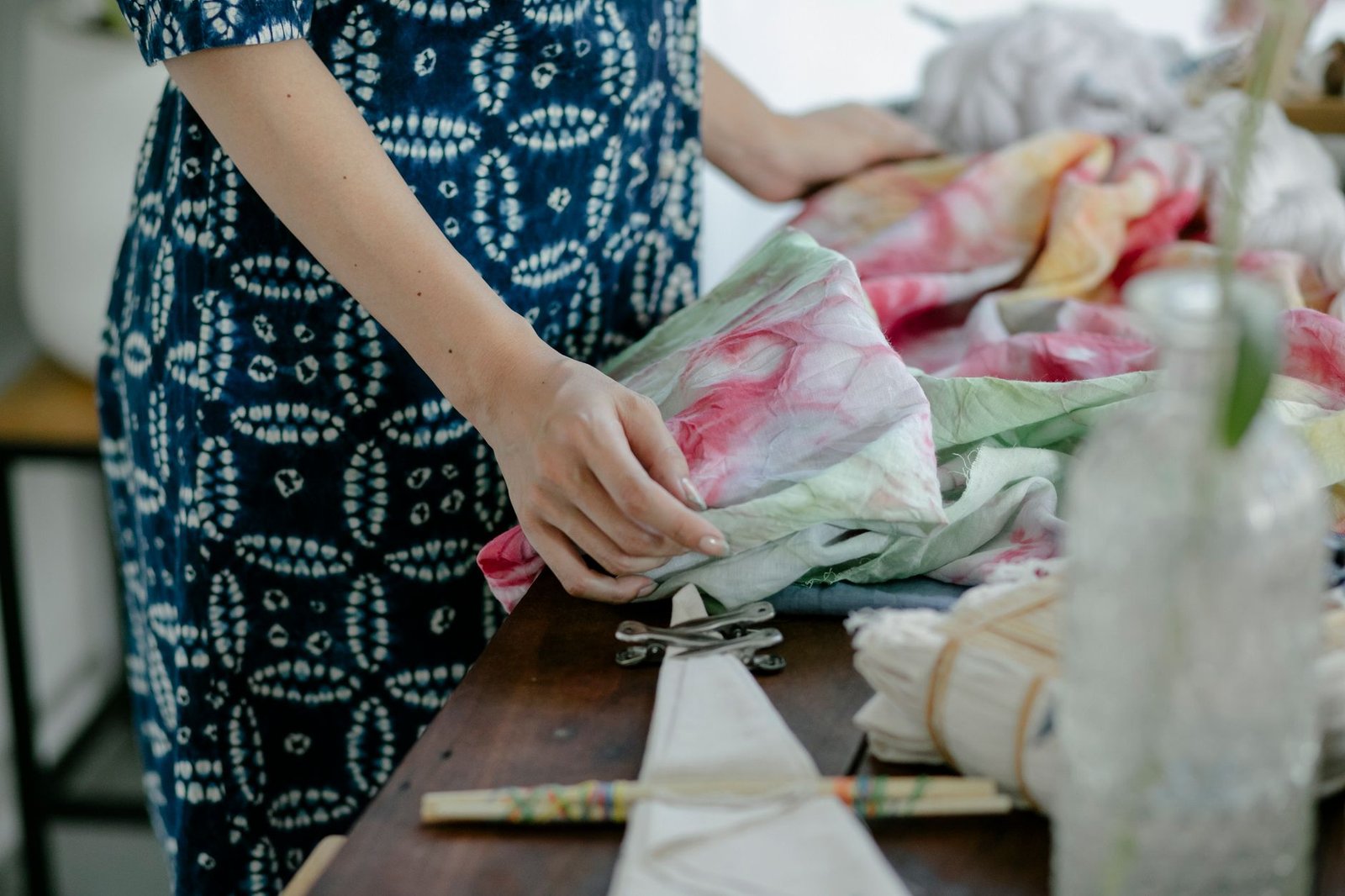
Gradient tie-dye fashion uses dyeing techniques that create smooth, flowing colour transitions across a garment — from deep to pale, or from one colour to another — rather than the knotted spiral patterns of traditional tie-dye. The result is a contemporary, refined colour effect that reads as sophisticated colour design rather than retro pattern decoration.
How do you wear gradient tie-dye without looking too casual?
Wear the gradient tie-dye piece as the single statement item in an otherwise minimal outfit. Plain dark jeans or tailored trousers, clean white trainers or leather shoes, and no competing patterns or graphics. The gradient becomes a deliberate design choice rather than casual clothing when the rest of the outfit provides clean visual support.
What colours work best for gradient tie-dye?
Analogous colour combinations — colours adjacent on the colour wheel — create the most harmonious and wearable gradient tie-dye results. Monochromatic fades (one colour from dark to light) are the most refined option. High-contrast complementary pairs create the boldest effects but require the most careful outfit management.