90s Streetwear Fashion: The Era That Defined Modern Street Style
Why 1990s Streetwear Still Defines Contemporary Street Style
The 1990s was the decade in which streetwear established itself as a coherent cultural and commercial phenomenon. The confluence of hip-hop’s mainstream cultural ascent, the rise of skateboarding as a recognised subculture, the crossover of athletic performance brands into fashion, and the emergence of the first streetwear brand ecosystem created a visual language and a business model that still defines how streetwear is made, marketed, and consumed in 2026.
The brands founded in the 1990s — Supreme, Stüssy, FUBU, Wu-Tang Clan’s Wu-Wear, A Bathing Ape — established the principles of streetwear brand culture: limited production, subcultural credibility, graphic-led design, and community as brand infrastructure. The silhouettes of the era — baggy jeans, oversized hoodies, loose-fit tees, technical outerwear — return repeatedly as direct references in contemporary streetwear collections.
The 1990s Streetwear Silhouette
The defining characteristic of 1990s streetwear proportion is volume and relaxation. Against the previous decade’s athletic-influenced tight fits, the 1990s moved toward generously oversized garments across almost every category:
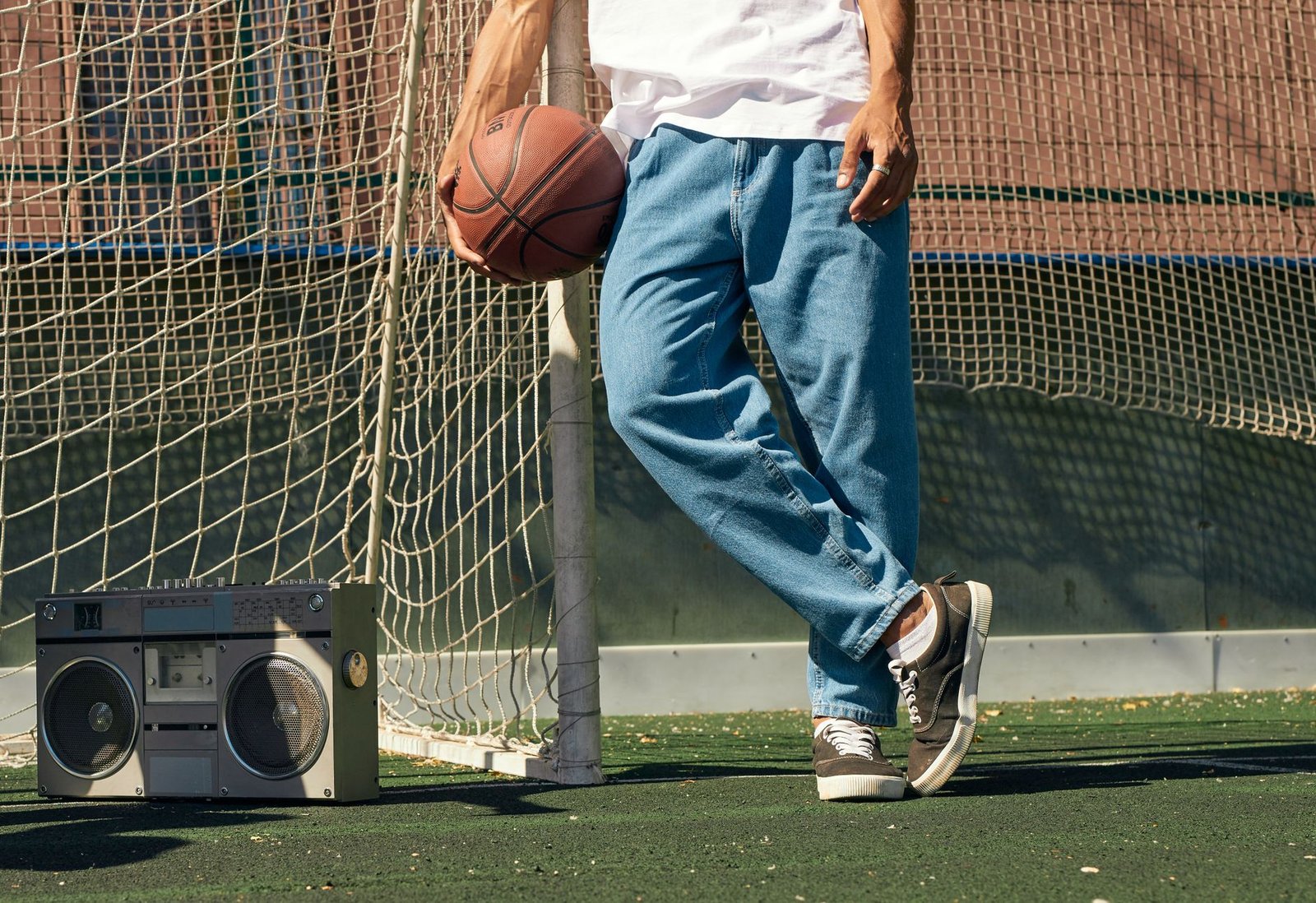
- Extremely wide-leg or baggy jeans — from JNCO’s exaggerated proportions to the relaxed fit of Levi’s 550 and 560 to the full-seated sag of hip-hop-influenced denim
- Oversized graphic tees — large format graphics on generous cuts that read as intentional visual canvases
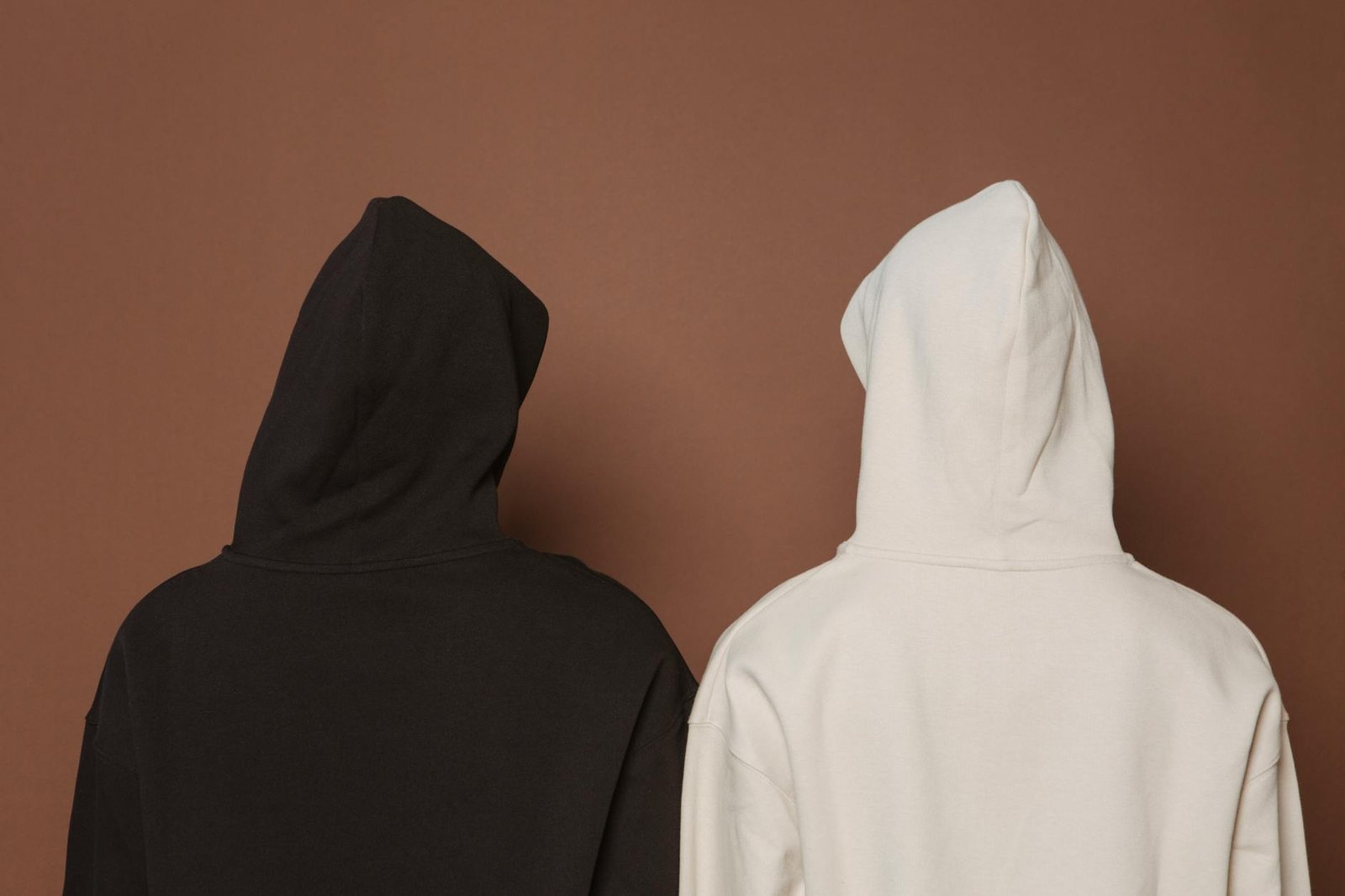
- Boxy hoodies and crewnecks — Champion Reverse Weave, Stüssy, and branded college-licensed sweatshirts in oversized, boxy cuts
- Loose-fit cargo trousers and shorts — functional pocketing as visual language, loose enough to pool at the knee or ankle
- Technical outerwear — early Gore-Tex and nylon shells, the beginning of the outdoor brand crossover into fashion that would later become gorpcore
Key 1990s Streetwear Brands
Stüssy
Stüssy, founded by Shawn Stussy in the early 1980s but defining its influential identity through the 1990s, created the template for the streetwear brand — the signature logo mark, the limited-run graphic tee, the brand as cultural community rather than product line. Stüssy’s connection to surf, skate, and early hip-hop culture created a brand identity that was genuinely cross-subcultural in a way no brand had been before.
Supreme
Supreme was founded in 1994 in New York’s Lafayette Street — the origin of the streetwear commercial model that has defined independent brand strategy ever since. The box logo, the drop model, the collaboration programme, the skateboarding community as brand foundation: Supreme invented or perfected every mechanism that contemporary streetwear brand culture runs on. Supreme’s cultural influence on contemporary streetwear is immeasurable and its status as the defining brand of the era is essentially undisputed.
FUBU
FUBU (For Us By Us) was the defining hip-hop fashion brand of the mid-to-late 1990s, bringing Black American streetwear identity and aesthetic to mainstream commercial scale. FUBU’s signature logo, its large-format branding, and its explicit cultural positioning as a Black-owned brand for the hip-hop community gave it a cultural specificity and community connection that no mainstream brand could match.
A Bathing Ape (BAPE)
BAPE, founded by Nigo in Tokyo in 1993, brought Japanese streetwear culture and its specific aesthetic sensibility — camouflage patterns, ape graphic iconography, the Shark hoodie — into global streetwear consciousness. BAPE’s influence on the relationship between Japanese street fashion and global streetwear culture is defining, and its design vocabulary (the all-over camo print, the bold logo, the full-zip graphic hoodie) remains one of the most recognisable streetwear visual languages globally.
Tommy Hilfiger and Ralph Lauren
Tommy Hilfiger and Ralph Lauren occupy a specific position in 1990s streetwear history — mainstream American fashion brands that were adopted and recontextualised by hip-hop culture, particularly in New York. Rakim, Biggie, and the broader Harlem and Brooklyn hip-hop community styled Tommy and Ralph Lauren pieces within a distinctly streetwear aesthetic, creating the phenomenon of high-volume logo and preppy brand clothing worn within hip-hop’s visual language.
1990s Streetwear Outfit Formulas
The Classic Hip-Hop Build
Baggy or wide-leg jeans — Timberland-length sag at the waist — with an oversized graphic tee or hooded sweatshirt, and Timberland 6-inch boots or Nike Air Force 1s in wheat or white. A fitted cap — New Era, snapback, or five-panel — angled as worn.
This is the most direct reference to the East Coast hip-hop streetwear aesthetic of the mid-1990s. Worn accurately in 2026 with genuine vintage or vintage-faithful pieces, it reads as deliberate archival reference.
The Skate-Influenced Build
Baggy cargo shorts or wide-leg jeans, a large graphic tee (skate brand or band reference), and DC, Etnies, or Vans slip-ons or half-cabs. A beanie pushed up on the head or a faded six-panel cap. This is the West Coast skate-influenced aesthetic — more graphic-driven and brand-specific than the hip-hop build, with footwear that is explicitly skating-coded.
The 1990s Sports Build
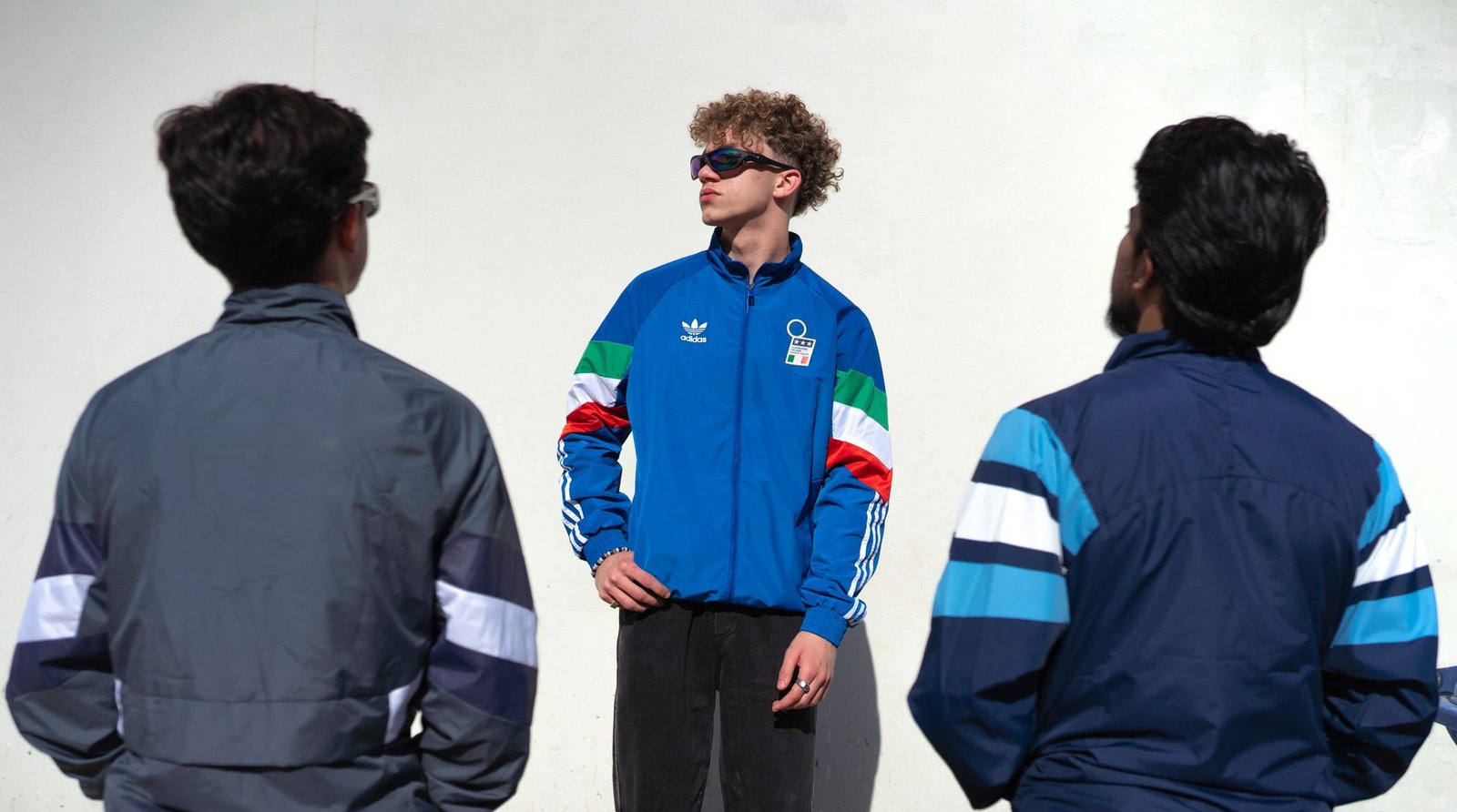
Athletic sweatpants or track bottoms — nylon or heavy cotton — with a logo crewneck or hoodie in matching or contrasting team or brand colours, and chunky 1990s athletic sneakers. Nike Airs, Reeboks, New Balance 990-series. This is the athleisure baseline of 1990s streetwear — the athletic performance aesthetic worn as casual dressing.
The Japanese Streetwear Build
Full BAPE camouflage or a similarly all-over-printed top with coordinating or plain bottoms. Or the mix of carefully curated vintage Japanese and American brands that defines the Tokyo streetwear aesthetic of the era. Japanese 1990s streetwear valued graphic and print density over volume — a more complex, layered visual language than the American hip-hop volume-first approach.
Contemporary 90s Reference
A 2026 interpretation of 1990s streetwear: wide-leg jeans with a gentle sag, an oversized logo crewneck or boxy graphic tee, chunky vintage-profile sneakers (Nike Air Max 90, New Balance 990v3, Adidas Forum), and a bucket hat or vintage cap. The proportions are 1990s; the execution is contemporary — no genuine vintage pieces required, just the silhouette logic and brand references of the era applied through current production.
Key 1990s Streetwear Pieces Still Relevant Today
- Champion Reverse Weave crewneck — the quintessential 1990s collegiate sweatshirt. The Reverse Weave construction prevents shrinkage across the body; the brand’s C-logo and university licence archive are both deeply embedded in 1990s streetwear visual culture.
- Nike Air Max 90 — one of the defining athletic shoes of the decade and still current.
- Timberland 6-inch boot — fundamental to East Coast hip-hop streetwear since the early 1990s.
- Surplus and military cargo — the functional workwear crossover into streetwear.
- Fitted caps (New Era 59FIFTY) — the team-licensed fitted hat as streetwear accessory.
The brands and silhouettes that defined 1990s streetwear continue to influence the market in 2026, with reissues, archival drops, and direct references appearing across collections at every price point. Highsnobiety’s history of 90s hip-hop fashion traces the brands and visual codes that established the decade’s lasting influence on how streetwear looks and operates today.
Frequently Asked Questions
What defines 1990s streetwear fashion?
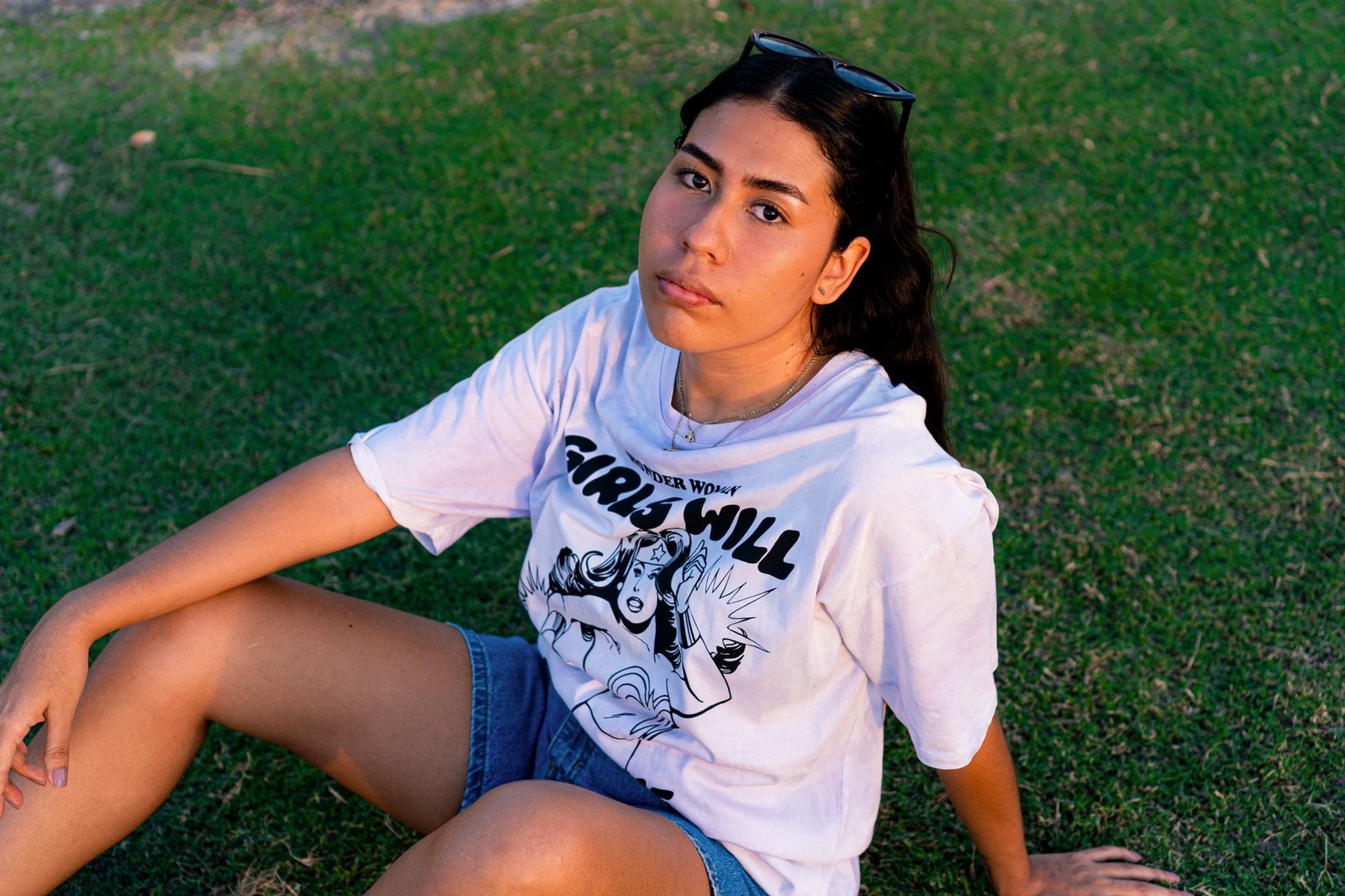
1990s streetwear is defined by oversized, relaxed silhouettes — baggy jeans, boxy tees, wide hoodies — large-format graphic design, athletic and outdoor brand crossover into casual dressing, hip-hop and skate subcultural roots, and the beginning of the brand-as-community model that still defines how streetwear brands operate. The 1990s established the visual language, the business model, and the cultural infrastructure of contemporary streetwear.
What brands were important in 1990s streetwear?
The foundational 1990s streetwear brands are Supreme, Stüssy, FUBU, A Bathing Ape, Wu-Wear, and Cross Colours. Adjacent to these are the mainstream brands adopted by hip-hop culture — Tommy Hilfiger, Ralph Lauren Polo, Champion, and Carhartt. Athletic brands Nike, Adidas, and Reebok provided the footwear and performance wear foundation of the era.