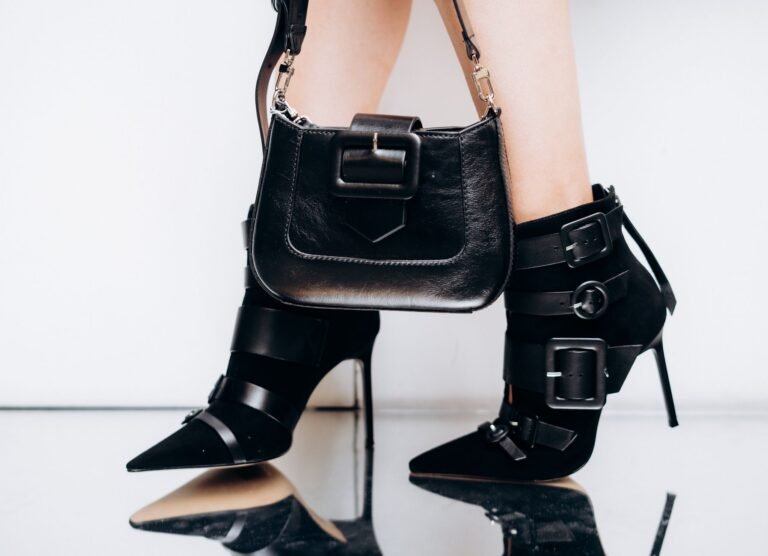

All Black Outfit Ideas for Women: How to Make Monochrome Work
An all-black outfit is the single most universally flattering and the single most broadly appropriate colour formula in women’s fashion. It works for every body type, for every occasion, across every season, and in every style register from casual streetwear through to formal occasion dressing. Its consistency and reliability are precisely why it can appear safe or uninspired when assembled without thought — and why, when assembled with genuine consideration for texture, proportion, and detail, it reads as sophisticated, intentional, and quietly powerful.
The key distinction between a thoughtful all-black outfit and a simply-dark-coloured one is texture. When every piece in an outfit is the same flat, matte black, the eye has nothing to travel across — the outfit reads as a single unbroken visual block. When the same black palette is expressed across multiple textures (leather, ribbed knit, matte jersey, velvet, satin, sheer), the outfit creates the same visual interest that a multi-colour outfit achieves through colour contrast, but through material contrast instead.
Trend Overview
All-black dressing has a permanent status in fashion that transcends individual trend cycles — it appears consistently in every decade’s most referenced wardrobes, from Audrey Hepburn’s little black dress through to the contemporary dark streetwear aesthetic‘s all-black urban uniformity. The current moment’s appreciation for monochrome dressing and the quiet luxury movement’s preference for restraint and tonal sophistication have reinforced all-black’s relevance rather than diminishing it.
Texture Combinations That Work
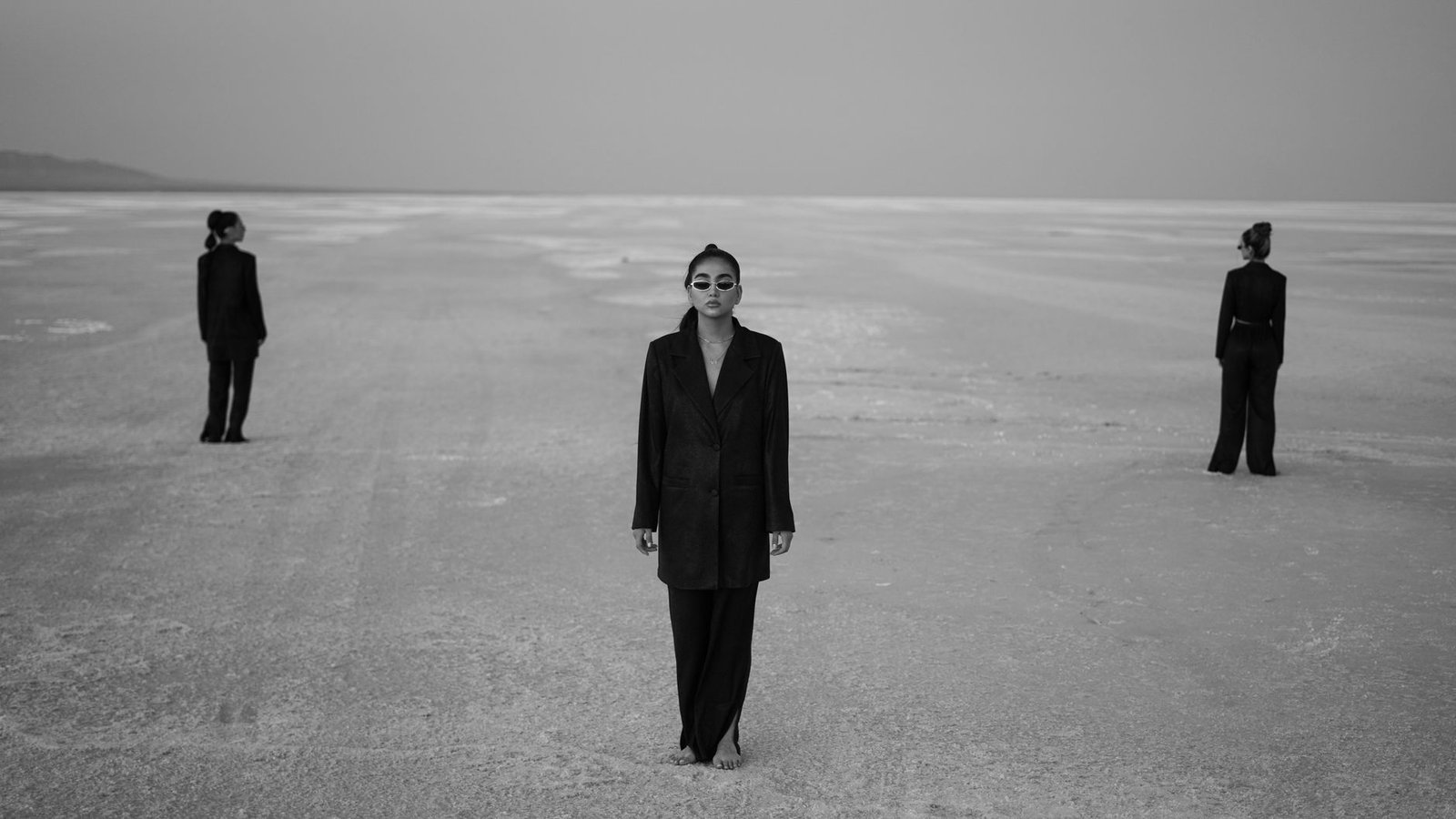
Leather and Knit
A black leather trouser or leather skirt paired with a black ribbed knit or chunky sweater is one of all-black dressing’s most reliably strong texture combinations. The leather’s smooth surface and light-reflecting quality creates a maximum contrast with the knit’s matte, textured surface — the two materials make each other look more interesting than either would in isolation. Add black ankle boots to complete the look.
Satin and Matte
A black satin or silk top paired with matte black tailored trousers or a black midi skirt creates an evening-appropriate all-black combination where the satin’s light-reflecting surface provides the outfit’s visual interest against the matte fabric’s absence of reflection. This is one of the strongest all-black approaches for evening occasions and smart-casual events — the satin reads as elevated; the matte bottom grounds it.
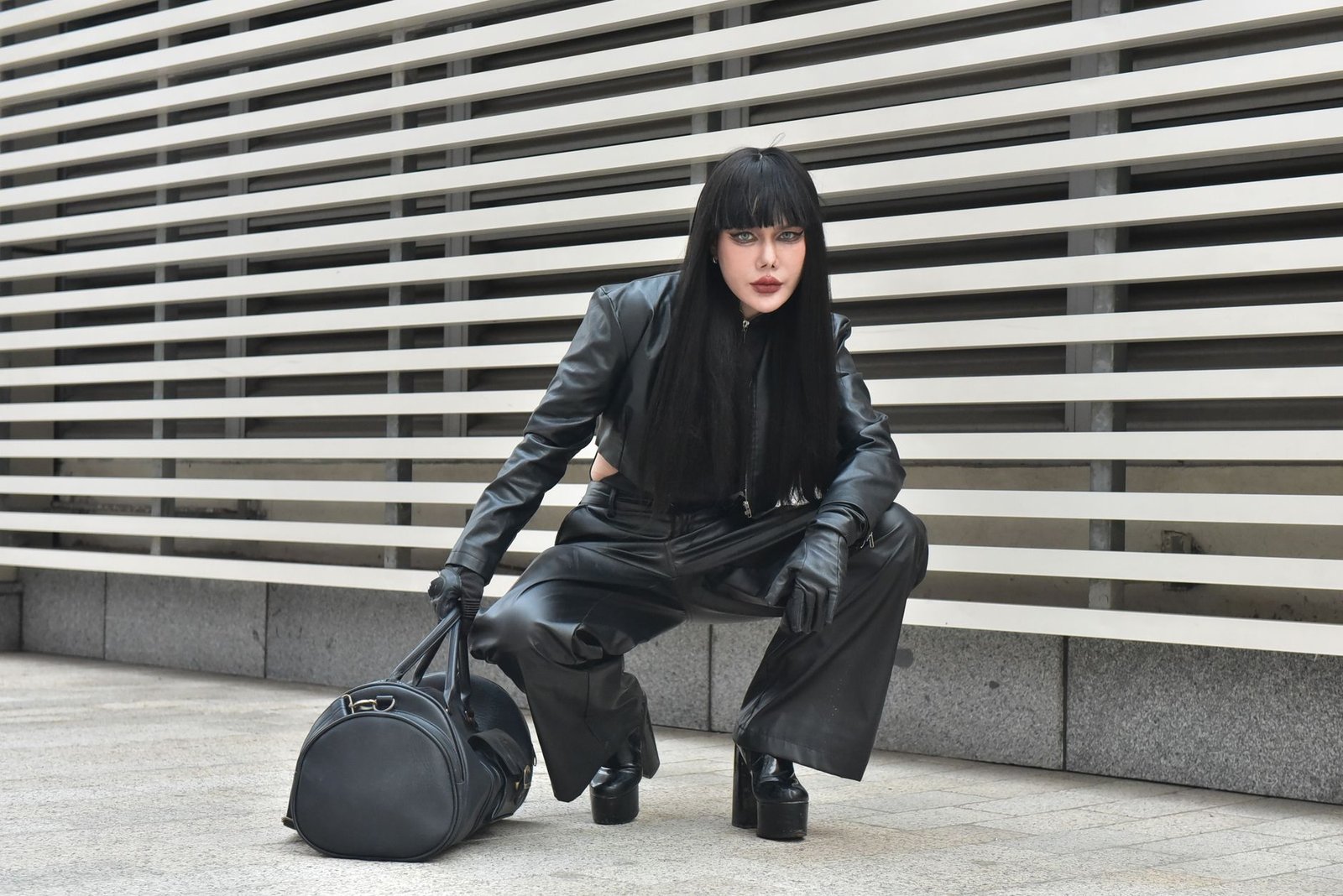
Sheer and Opaque
A black sheer top or blouse over a black camisole or bralette, with opaque black trousers or a black skirt, creates a transparency contrast that adds layered visual depth to all-black dressing. The sheer layer visible over the opaque base creates a specifically fashion-forward effect that reads as considered and deliberate. This is all-black dressing at its most directional and its most editorial.
All-Black Outfit Ideas
Casual all-black: a black oversized graphic tee or a simple black crew-neck tee, black straight-leg jeans, and black chunky trainers or clean leather sneakers. A black crossbody bag. This is all-black streetwear at its most effortless — the monochrome palette reads as deliberately chosen; the casual pieces prevent it from reading as overdressed. For a more complete streetwear reference, the dark streetwear guide covers this territory in more detail.
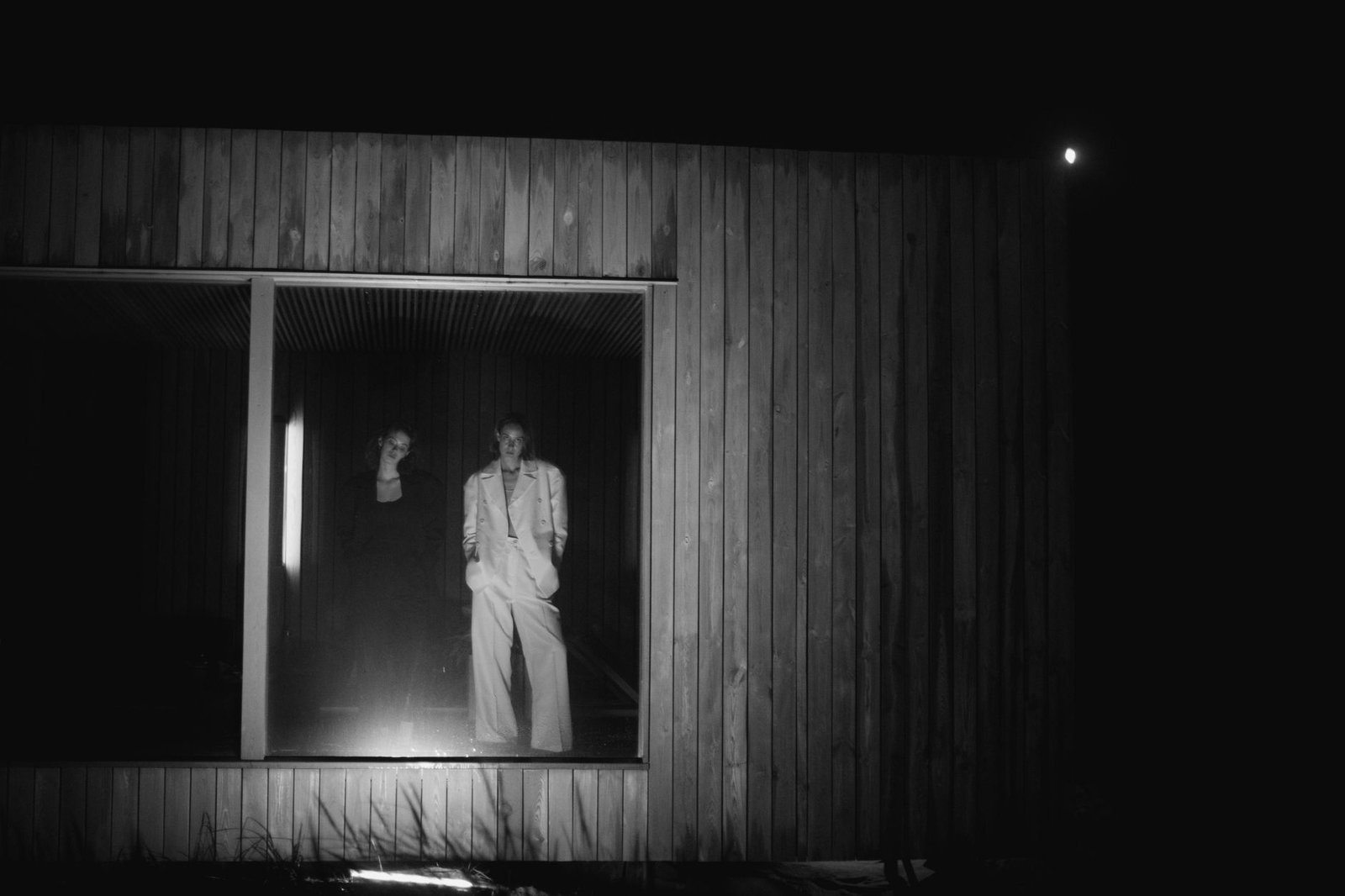
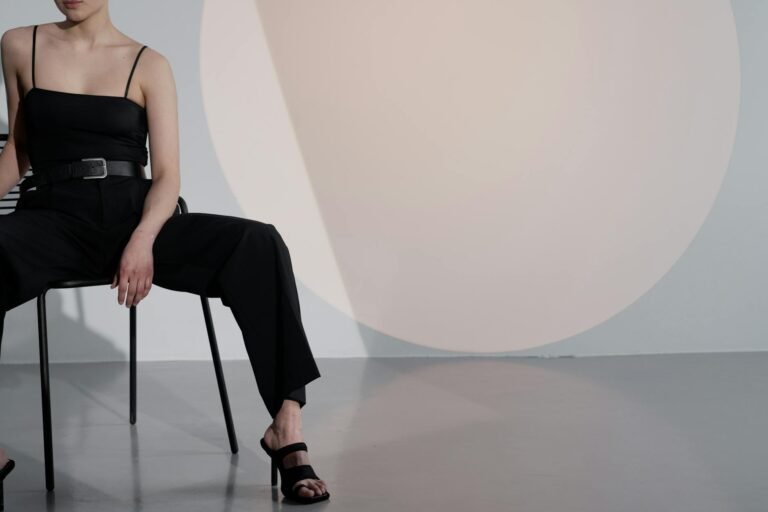
Smart-casual all-black: a black silk or satin top tucked into black tailored wide-leg trousers, with black heeled loafers and a simple black structured bag. A single piece of silver jewellery — a fine chain or a simple earring. The silver’s cool metal against the all-black palette creates a single precise accent that reads as more considered than no accessories at all while maintaining the all-black visual purity.
Evening all-black: a black velvet blazer over a fitted black ribbed top, black leather trousers, and black heeled ankle boots. The velvet’s richness against the leather’s smoothness and the ribbed knit’s texture creates three distinct black surfaces in the same palette — this is all-black outfit architecture at its most sophisticated. According to Harper’s Bazaar, the all-black outfit remains the single most searched fashion formula in global online fashion content, with searches consistently highest in autumn and winter when the season’s lower light makes black’s light-independent elegance most visually effective.
Common Mistakes
The most common all-black mistake is wearing blacks from different dye batches or different fabric types that don’t match — a warm black (slightly brown-toned) against a cool black (slightly blue-toned) creates a jarring visual discord that undermines the monochrome formula’s coherence. When building an all-black outfit, ensure the pieces’ blacks are in the same colour temperature family, or deliberately separate them with enough texture contrast that the slight colour difference reads as a material variation rather than a mismatched mistake.
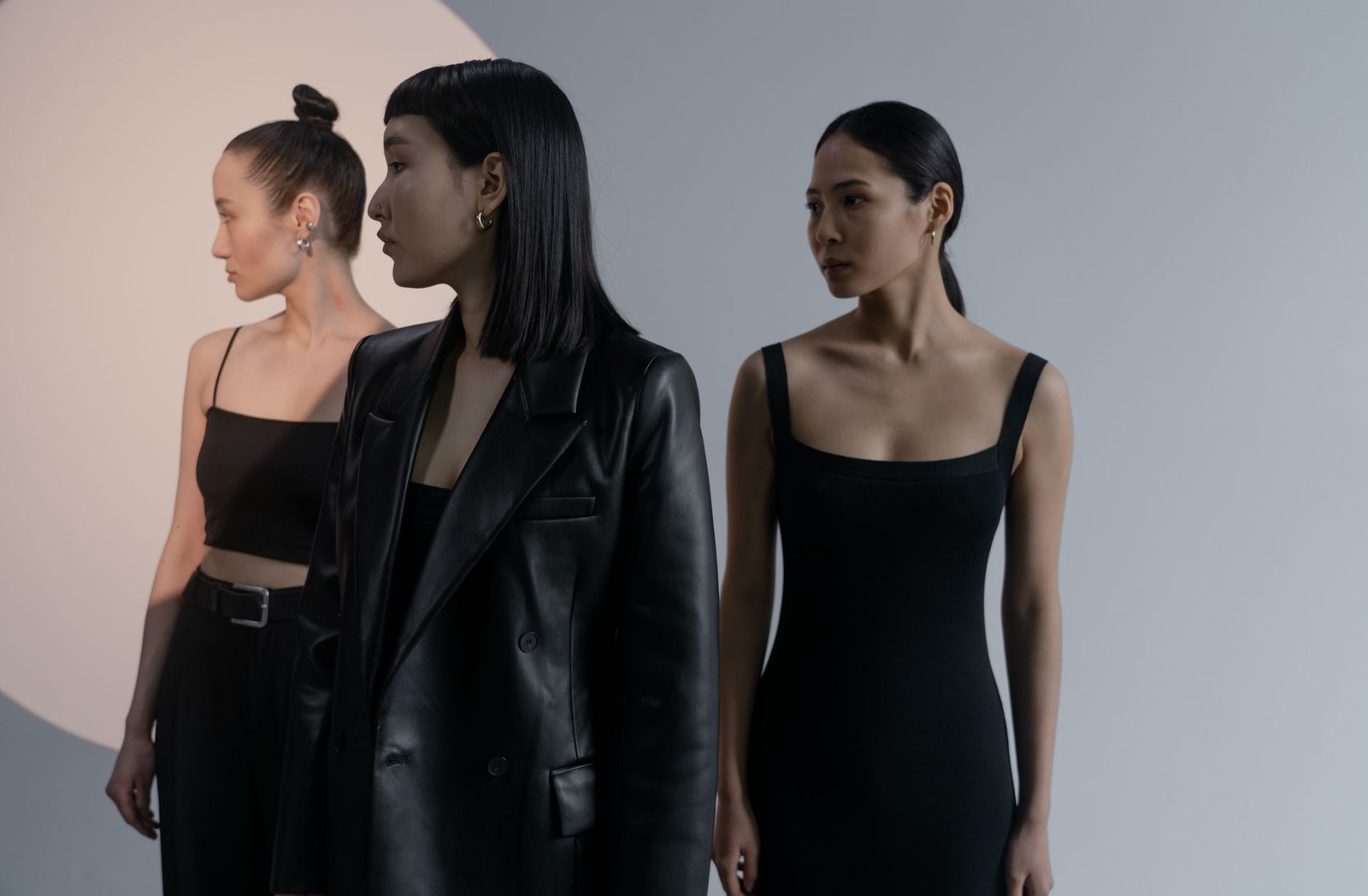
The second mistake is neglecting proportion and silhouette within the all-black palette. Because all-black removes colour contrast as a visual tool, the outfit’s proportion and silhouette become the primary sources of visual interest — and a poorly considered all-black silhouette (e.g., oversized top AND oversized trouser with no waist definition) reads as shapeless and uniform rather than sleekly monochromatic.
Shopping Considerations
When building an all-black wardrobe, prioritise fabric quality and texture diversity over quantity. Five pieces in five different black textures (leather, velvet, jersey, satin, woven wool) produce more all-black outfit variety than fifteen pieces in the same matte jersey black. Also prioritise care for black pieces specifically — black fabric shows lint, pet hair, and surface pilling more visibly than any other colour, so quality fabric care is essential for maintaining the clean, precise impression that all-black dressing requires.
Seasonal Considerations
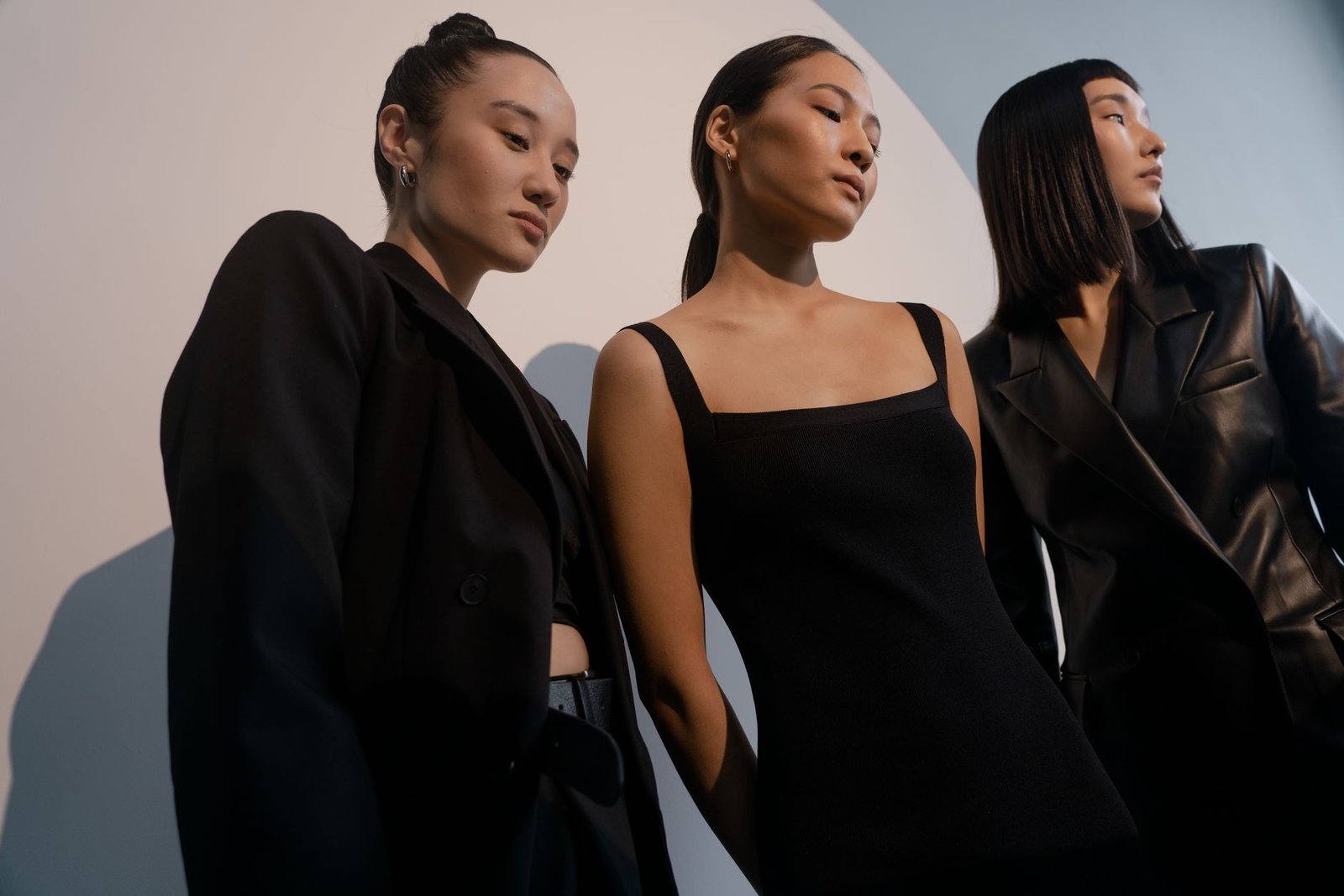
All-black dressing works across all seasons but peaks in visual power in autumn and winter, where its depth and richness reference the season’s lower light naturally. In summer, all-black can read as too heavy unless the fabrics are genuinely lightweight — black linen, black silk, and fine black cotton can all work in warm weather without the heaviness of winter fabrics. The winter outfit guide and autumn outfit guide both feature all-black approaches as core seasonal styling territory.
Frequently Asked Questions
Can you wear all-black to a wedding?
Wearing all-black to a wedding was once considered inappropriate, but modern wedding etiquette has largely relaxed this position — particularly for evening receptions, city weddings, and any occasion where the couple has not specified a colour preference. A sophisticated all-black outfit (a black midi dress or a black tailored suit) with elegant accessories and appropriate shoes is now broadly accepted at most contemporary Western weddings. If the wedding is very traditional, religious, or the couple has specifically requested colourful attire, a black outfit may not be the right choice. When in doubt, ask the couple or other guests in the wedding party.
Does all-black make you look slimmer?
All-black does have a slimming visual effect in the sense that it reduces the colour contrast between body sections that creates visual shape definition — the eye reads a single dark mass rather than light and dark contrasts at different points of the body. This tends to create a more streamlined overall silhouette. However, the most impactful factor in a flattering silhouette is always fit and proportion rather than colour — a well-fitting, well-proportioned outfit in any colour will be more flattering than an all-black outfit with poor fit or unflattering proportions.
Conclusion
All-black dressing is not safe — it is sophisticated, when done correctly. Build texture diversity within the black palette, consider proportion and silhouette as the primary visual tools, match colour temperatures across pieces, and allow the material richness of different black fabrics to create the interest that colour contrast provides in other palettes.