Luxury Streetwear Brands: Where High Fashion Meets Street Culture
What Is Luxury Streetwear?
Luxury streetwear occupies the intersection where high fashion production values meet streetwear’s cultural codes and silhouette language. It is not simply expensive streetwear — a pricey hoodie from a standard brand is not luxury streetwear. Luxury streetwear is defined by the combination of craft-level production, limited availability, cultural credibility within the streetwear community, and an aesthetic that bridges the fashion world and street culture without compromising either.
The category emerged as a distinct market position in the mid-2010s, when streetwear’s cultural dominance became impossible for luxury fashion houses to ignore. Rather than creating streetwear lines or licensing deals, the most effective responses involved genuine creative collaborations, hiring streetwear-literate designers into senior creative roles, and building entirely new brand identities that operated from the start at the intersection of both worlds.
The Luxury Fashion Houses That Entered Streetwear
Louis Vuitton
The appointment of Virgil Abloh as Men’s Artistic Director in 2018 was the most significant single moment in luxury streetwear history. Abloh’s tenure brought the visual and cultural language of streetwear — oversized silhouettes, graphic typography, sneaker design, collaboration culture — into a house with the highest craft standards in luxury fashion. The Off-White x LV collaboration that preceded his appointment demonstrated that a streetwear-coded brand could exist at a price and quality level previously reserved for traditional luxury.
Post-Abloh, Louis Vuitton continues to operate within the streetwear-adjacent register he established, maintaining the cultural dialogue he opened while evolving the creative vision under subsequent direction.
Balenciaga
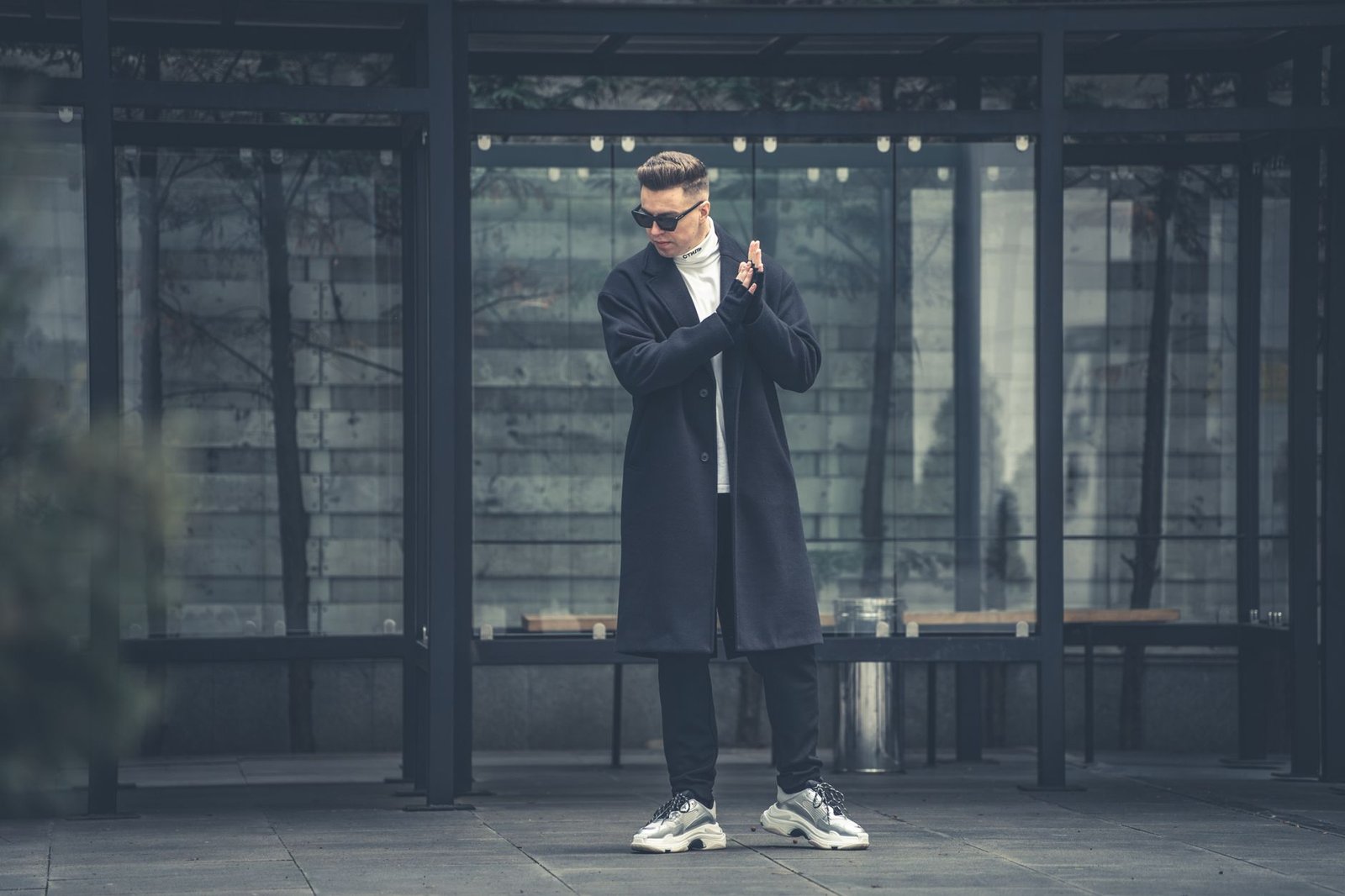
Under Demna Gvasalia, Balenciaga became the definitive example of a luxury house using streetwear’s aesthetic subversiveness as high fashion content. Triple S sneakers, oversized logo hoodies, political statement pieces, and deliberately uncanny takes on workwear and corporate clothing — all executed in luxury fabrics and construction. Balenciaga proved that the most disruptive thing a luxury brand could do was treat streetwear seriously as a creative philosophy rather than a style reference to borrow from.
Gucci
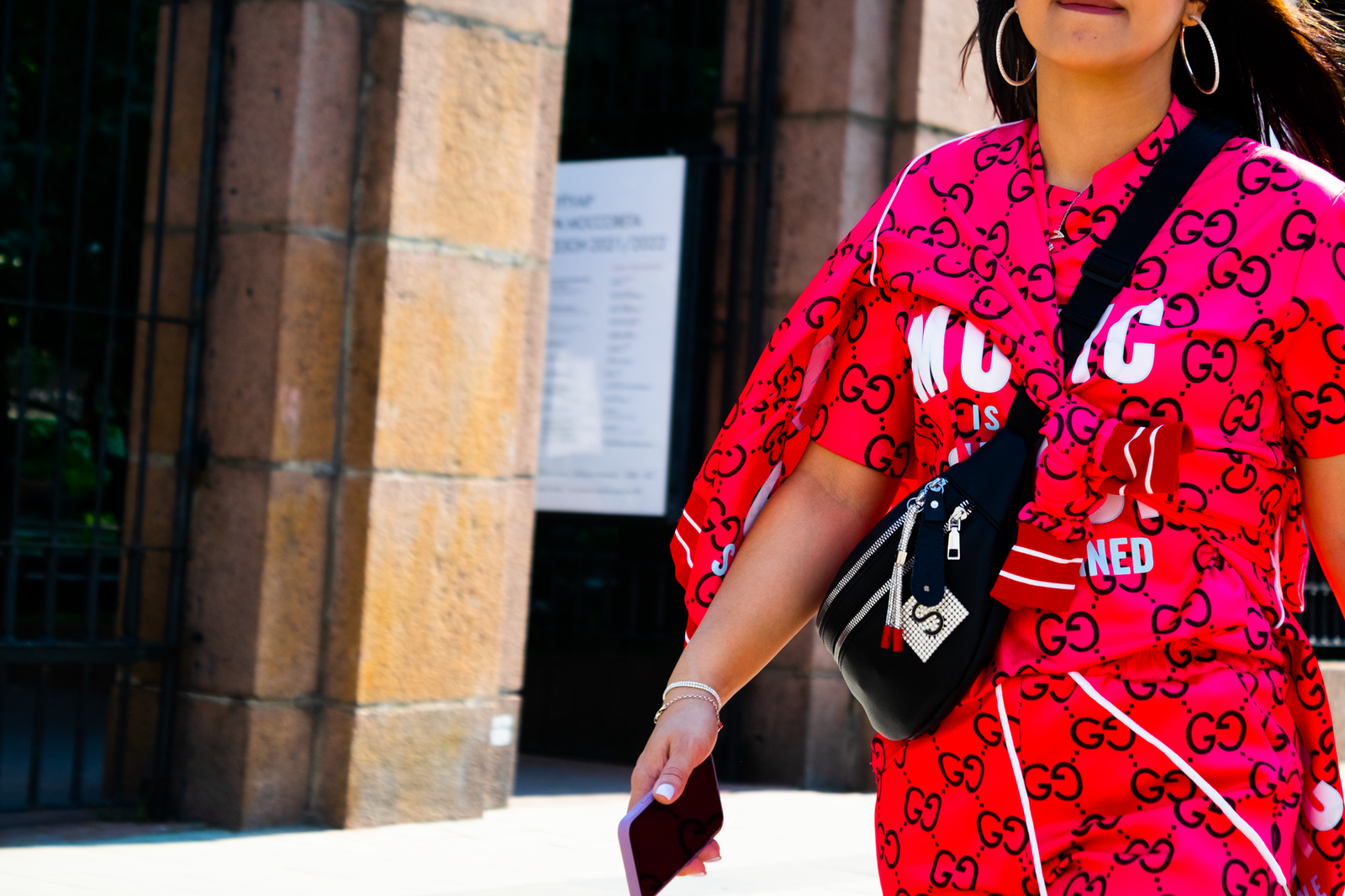
Alessandro Michele’s tenure at Gucci brought an eclectic, maximalist streetwear adjacency to the house — oversized silhouettes, graphic-heavy pieces, and collaboration with streetwear artists and brands. The Gucci x The North Face collaboration demonstrated how a luxury house could engage with functional outdoor and streetwear brands without losing its luxury positioning.
Brands Built From the Start as Luxury Streetwear
Off-White
Virgil Abloh’s own label is the clearest example of a brand purpose-built to exist at the intersection of streetwear and luxury fashion. Off-White’s visual language — quotation marks, diagonal stripes, “CAUTION” tape detailing, deconstructed tailoring — was coherent from the first collection and remained consistent until Abloh’s death in 2021. The brand continues under new creative direction but maintains the visual codes Abloh established.
Off-White’s pricing placed it above traditional streetwear but below the major luxury houses — a deliberate positioning that created a new market tier. Its distribution through both streetwear retailers and luxury department stores reinforced the dual positioning.
Fear of God
Jerry Lorenzo’s Fear of God occupies a specific spiritual and aesthetic position in luxury streetwear that no other brand replicates. The California label’s collections reference American sportswear, workwear, and menswear heritage through a lens of studied minimalism and premium material selection. Fear of God’s mainline collection operates at luxury price points with luxury craft; the Essentials diffusion line makes the aesthetic accessible at a lower price while maintaining the visual vocabulary.
Amiri
Mike Amiri’s Los Angeles brand built luxury streetwear credibility through rock-and-roll cultural references, extreme denim craft, and a Southern California lifestyle aesthetic. Amiri jeans — with their distinctive hand-done distressing, leather patch detailing, and premium denim construction — became objects of desire in both the music industry and the streetwear community. The brand’s expansion into footwear, knitwear, and tailoring has maintained the craft-first positioning.
Rhude
Rhuigi Villaseñor’s Rhude brand synthesises American archival references — varsity jackets, bandana prints, workwear details — with Italian manufacturing and luxury-level material sourcing. The brand’s ability to look rooted in American streetwear culture while being produced at Italian luxury standards is its central achievement. Rhude’s celebrity clientele and recent NFL collaboration confirm its position at the upper end of luxury streetwear.
Japanese Luxury Streetwear Brands
Sacai
Chitose Abe’s Sacai is defined by its hybrid construction technique — garments built from two distinct pieces fused into one, creating silhouettes that simultaneously reference multiple garment archetypes. A Sacai piece might combine a bomber jacket and a dress, or a striped oxford shirt and a technical hoodie, into a single coherent garment. This approach elevates both the streetwear and the luxury fashion references it works with, producing something that belongs to neither category exclusively.
Visvim
Hiroki Nakamura’s Visvim is among the most craft-obsessed brands operating anywhere in fashion at any price point. The brand sources rare materials from around the world — vintage Japanese indigo fabrics, Native American beadwork techniques, Andean weaving traditions — and applies them to footwear and clothing constructions that take years to develop.
Visvim’s prices reflect genuine material and craft costs, not brand premium. It is luxury streetwear rooted in artisanal practice rather than in fashion positioning.
What Makes Luxury Streetwear Worth the Investment
The case for spending significantly on luxury streetwear pieces rests on several factors that standard streetwear pricing does not account for:
- Material quality — luxury streetwear uses fabric weights, dyeing processes, and material sourcing that are not financially viable at standard streetwear price points. The difference in how the garment wears, holds its shape, and ages is significant.
- Construction standards — seam finishes, lining, hardware, and construction details at luxury level outlast cheaper alternatives. A well-made luxury streetwear piece can be worn for years or decades.
- Resale value — key pieces from established luxury streetwear brands hold or appreciate in resale value, creating a different financial relationship with the purchase than standard streetwear.
- Cultural legacy — the most significant luxury streetwear pieces become cultural objects in their own right — referenced, studied, and collected beyond their function as clothing.
Frequently Asked Questions
What is luxury streetwear?
Luxury streetwear is clothing that combines streetwear’s cultural codes — oversized silhouettes, graphic content, sneaker culture, subculture references — with luxury fashion’s craft standards, material quality, and price positioning. It sits above standard streetwear in cost and production quality while maintaining genuine cultural credibility within the streetwear community.
Which brands are considered luxury streetwear?
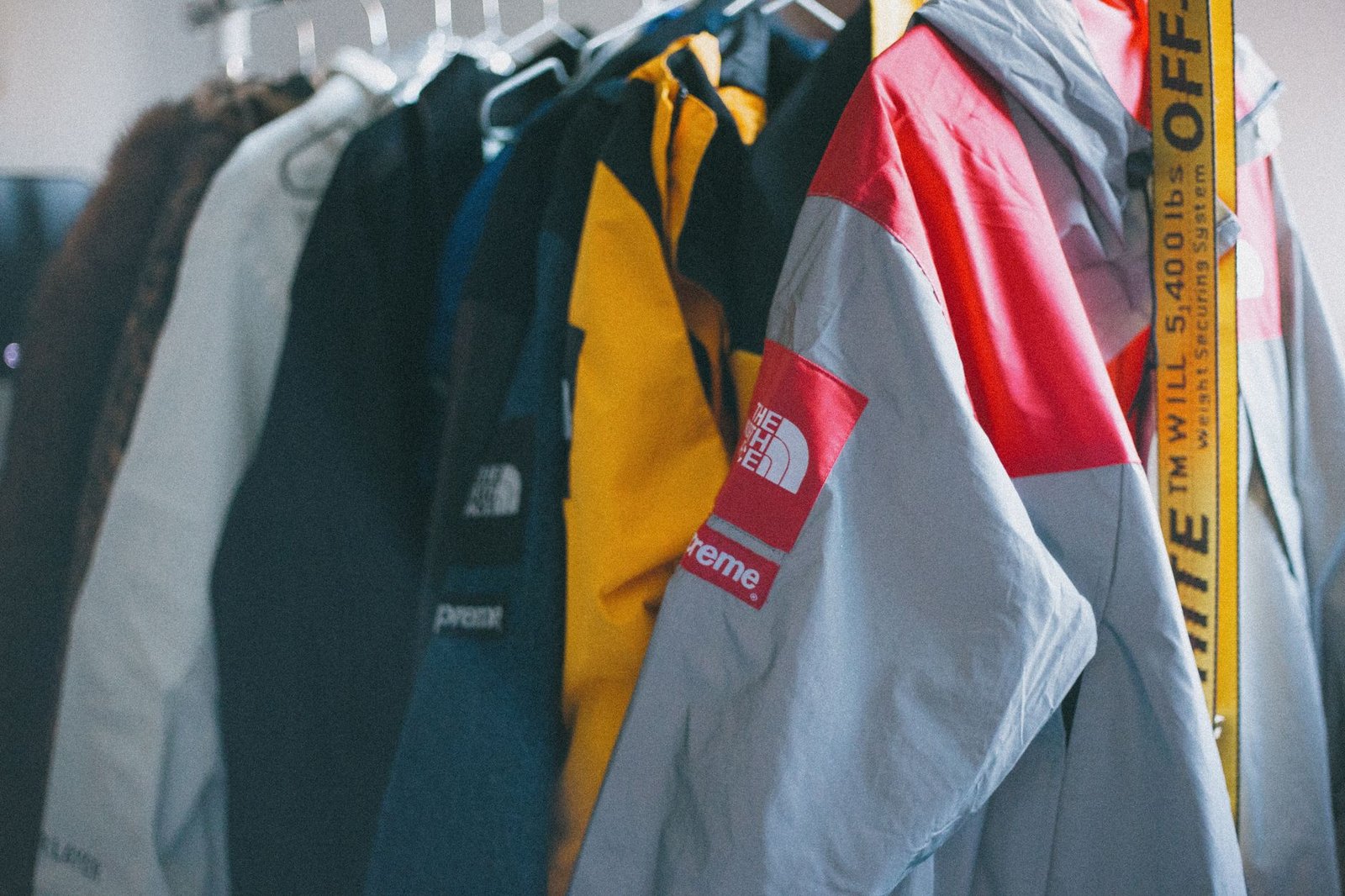
The established luxury streetwear brands include Off-White, Fear of God, Amiri, Rhude, Sacai, and Visvim at the brand level, and the streetwear-adjacent lines of Louis Vuitton, Balenciaga, and Gucci at the luxury house level. The category continues to expand as new designers build brands at the intersection of both worlds.
Is luxury streetwear worth buying?
For pieces from brands with strong cultural positioning and high craft standards, luxury streetwear can represent genuine value over time — particularly key pieces that hold resale value and that are built to last significantly longer than standard streetwear. The purchase decision should be based on the specific piece’s construction quality, the brand’s track record, and whether the cultural significance of the item matters to you personally.
Sacai and Visvim represent the luxury end of a broader scene — our guide to Japanese streetwear brands covers the full range from accessible heritage labels to the high-craft independent labels that feed into luxury streetwear’s aesthetic language.
Highsnobiety’s analysis of how luxury brands learned to speak streetwear traces the strategic and cultural shifts that brought Louis Vuitton, Balenciaga, and other major houses into genuine engagement with street culture rather than surface-level appropriation.