Art-Inspired Accessories Brands You Need to Know
Why Accessories Are Where Art Meets Streetwear Most Directly
In the broader streetwear market, the loudest brand statements happen on hoodies and tees. But accessories are where art-inspired design has the most interesting room to work. A hat, a bag, a pair of socks, or a piece of jewellery is a smaller canvas — and smaller canvases demand more precise, more considered design decisions than a large garment print.
The brands in this guide are making accessories that treat the object as an art piece first and a functional item second. The result is goods that hold their visual interest wear after wear, improve an outfit even when the rest of the look is plain, and often appreciate in desirability over time rather than dating quickly.
What Makes an Accessory Brand Art-Inspired?
The distinction is in the design process. A standard accessories brand starts with a functional brief — make a cap, make a bag — and applies branding afterward. An art-inspired accessories brand starts with a visual or conceptual idea and builds the object around it.
That means the artwork shapes the object rather than decorating it. Seam placement becomes compositional.
Colour choices are palette decisions, not colour-matching exercises. Hardware and materials are part of the visual language, not just structural components.
The brands here share that design orientation regardless of their price point or aesthetic direction.
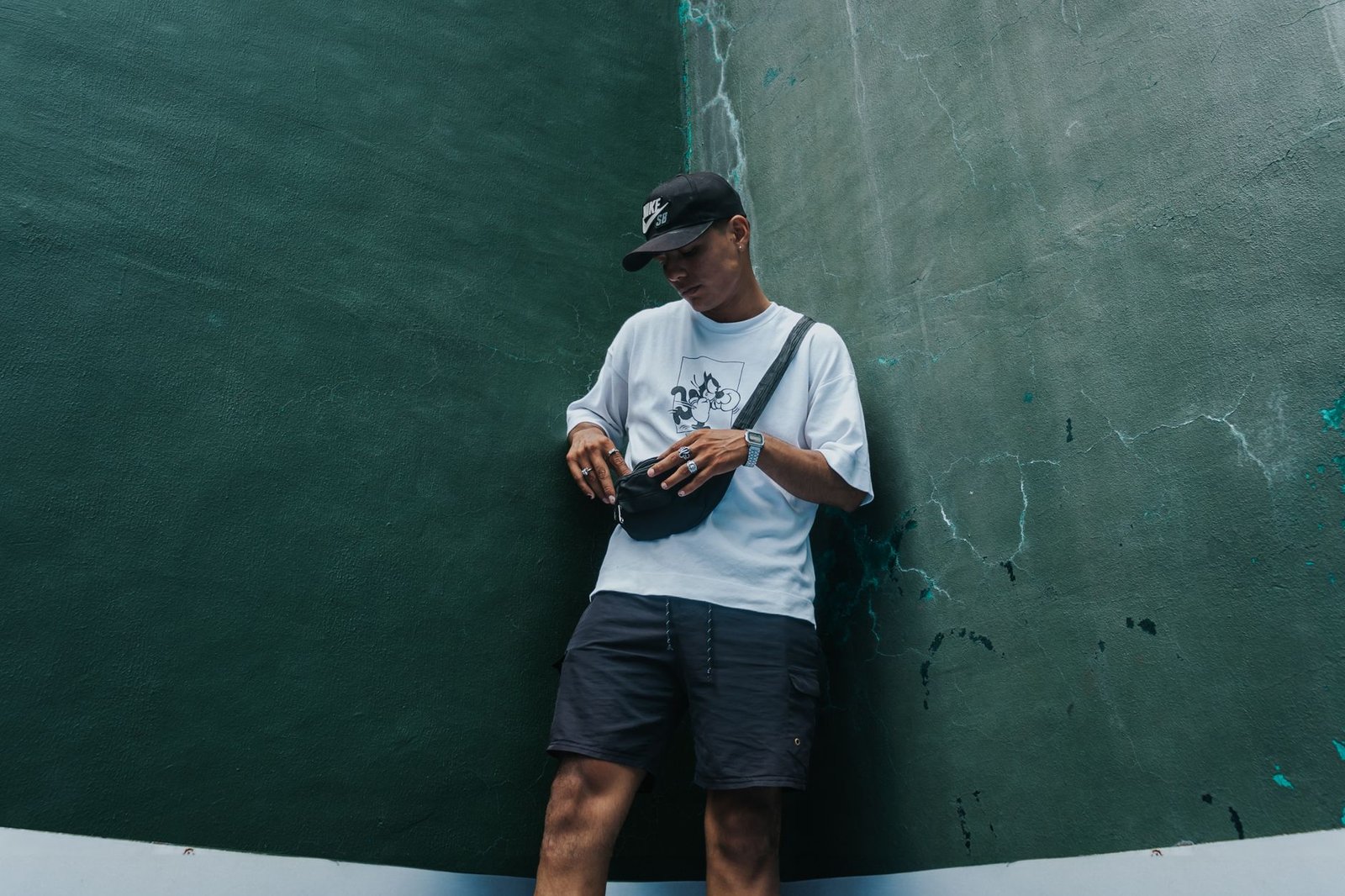
Headwear: Caps and Hats with Artistic Intent
New Era x Artist Collaborations
New Era’s collaboration programme is one of the most consistent sources of art-directed headwear in the market. The brand has worked with artists across illustration, graffiti, fine art, and digital design to produce limited capsule collections where the cap itself is a designed object. The 59FIFTY silhouette provides a stable canvas that artists and designers approach with the same rigour as a gallery print.
The collaborations worth tracking tend to arrive unannounced and sell out within hours — New Era’s own channels and the specific artist’s platforms are the best way to catch drops.
Brain Dead
Brain Dead’s headwear operates within the brand’s broader graphics-led, collective-made visual identity. Caps, beanies, and bucket hats from Brain Dead carry the same distorted, punk-influenced, collage-aesthetic graphics as their clothing — making each accessory recognisable as part of a coherent artistic vision rather than a standalone branded product.
Pleasures
Pleasures makes headwear that pulls from music culture, horror aesthetics, and outsider art. Their caps and beanies carry graphics that reference specific subcultures — heavy metal, post-punk, experimental music — in a way that signals genuine cultural knowledge rather than surface-level trend adoption. The result is headwear with a specific identity rather than generic streetwear branding.
Bags: Totes, Crossbodies, and Backpacks as Art Objects
BAGGU
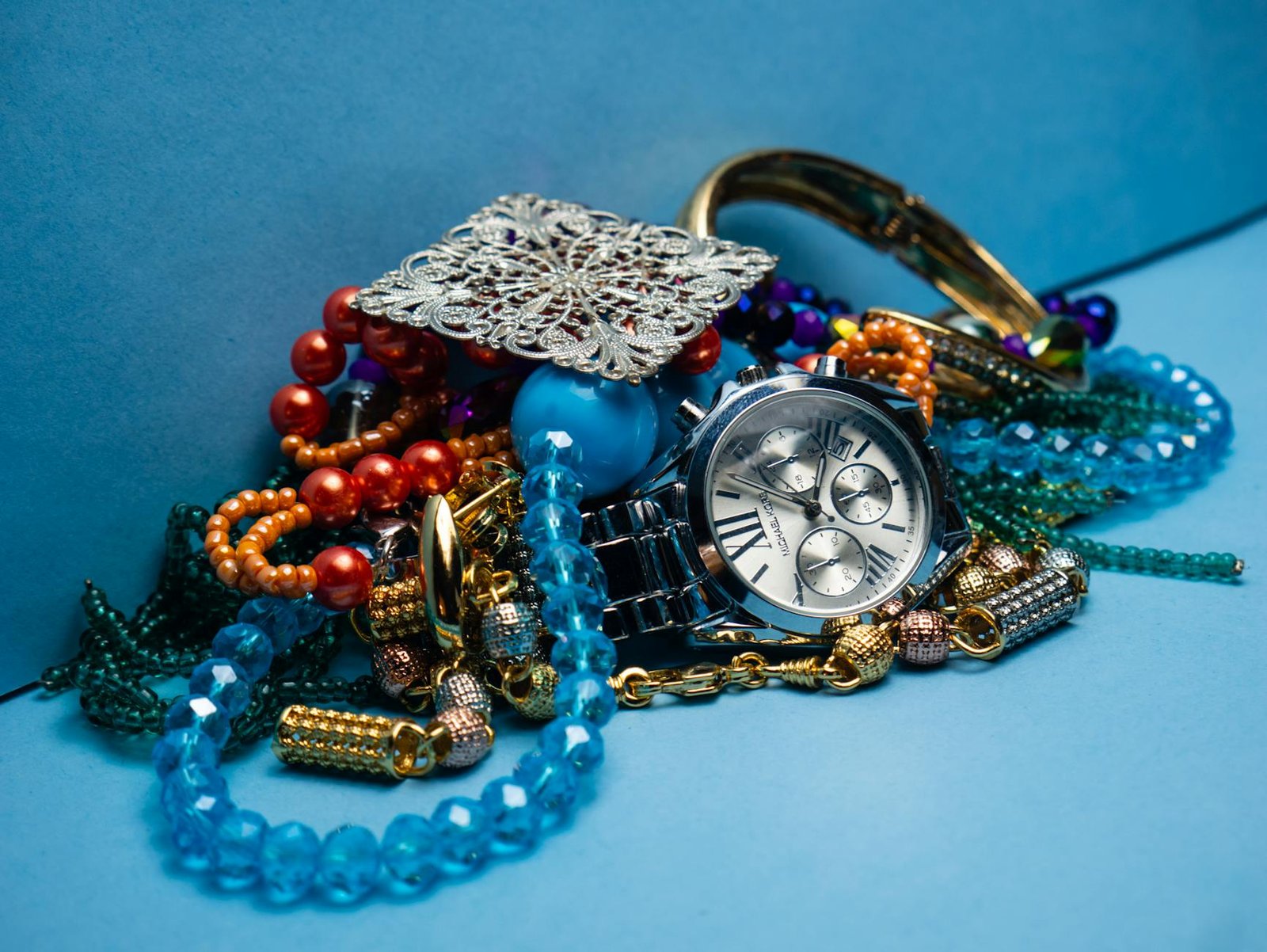
BAGGU’s approach to bag design is rooted in a consistent commitment to considered graphics and colour. Their canvas bags and duck bag silhouettes are produced in limited seasonal colour releases that function as collection drops rather than permanent catalogue items. The brand works with illustrators and graphic designers to produce print editions that treat the bag surface as a print medium — the tote becomes a poster you carry.
Porter (Yoshida & Co)
Porter’s functional bag designs are made in Japan with craft-level attention to material selection, hardware, and construction. The art-inspired dimension is in the materials themselves — technical fabrics, woven textiles, and nylon treatments that create visual texture and depth rather than relying on surface graphics. Porter collaborations with streetwear brands (Supreme, WTAPS, Needles) bring the craft baseline into more graphic-forward visual territory.
Comme des Garçons Wallets and Small Goods
CDG’s small accessories — wallets, card cases, coin purses — frequently carry the brand’s pattern-based graphics in unexpected material combinations. A polka-dot pattern that appears across a CDG season will surface on a nylon wallet alongside clothing and bags, creating a total world feel. The small goods are accessible entry points to the CDG aesthetic at a significantly lower price point than clothing.
Jewellery: Wearable Sculpture in Streetwear
Ambush
Ambush was founded by Yoon Ahn, who subsequently became Men’s Jewellery Director at Dior. The brand’s jewellery treats accessories as three-dimensional graphic objects — oversized chain hardware, logo-based sculptural pendants, and chunky earring forms that function as wearable sculptures. The scale is intentional: Ambush jewellery is meant to be seen as a garment-level statement rather than a fine detail.
Maple
Maple makes jewellery that sits between fine and fashion — materials include sterling silver and gold vermeil, but the design sensibility is streetwear-influenced. Clean geometric forms, minimal branding, and a focus on silhouette over ornamentation. Maple pieces function well as the only accessory in an outfit, carrying the visual weight without competing with clothing.
Tom Binns
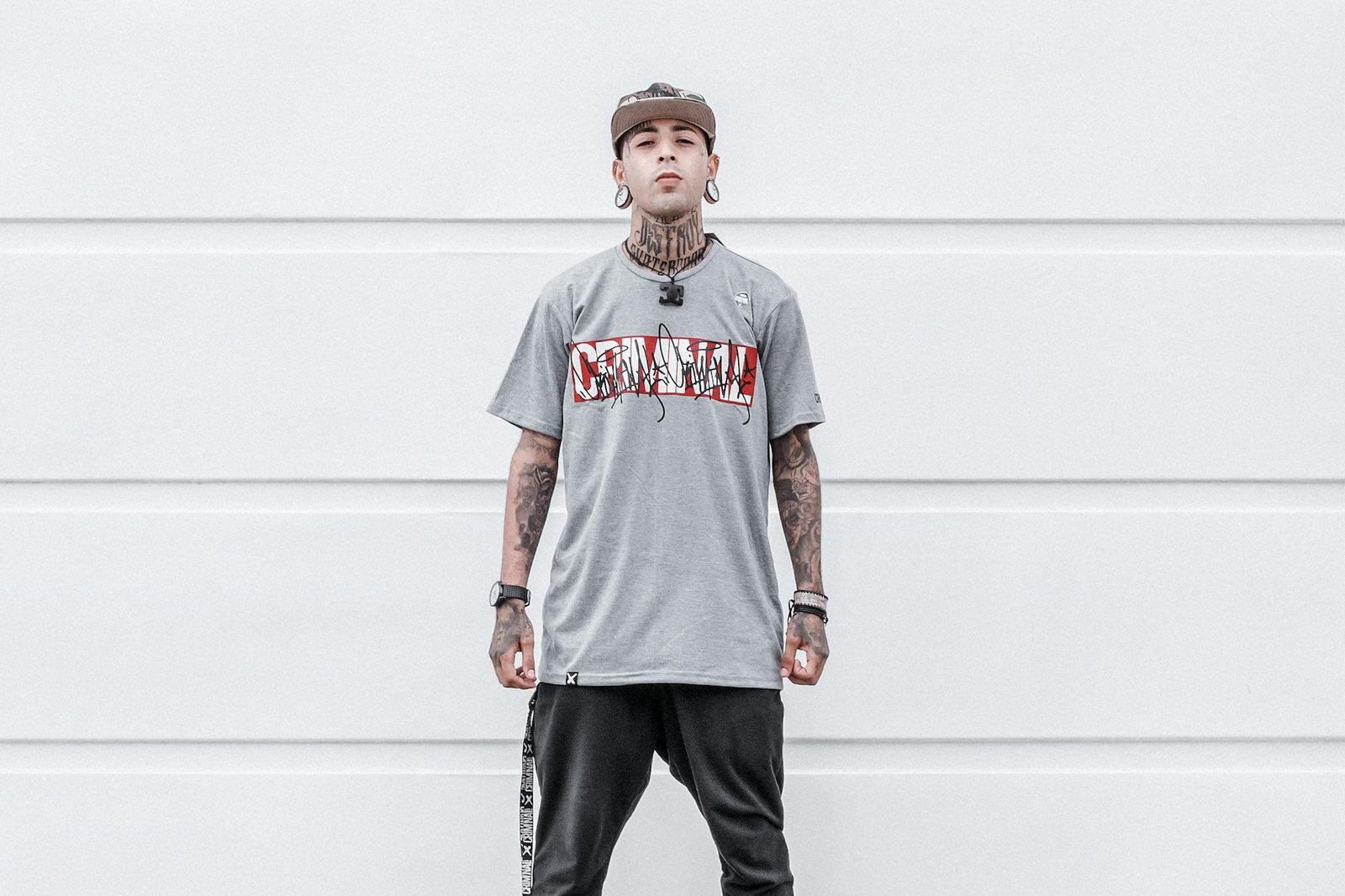
Tom Binns creates jewellery with a maximalist, art-world sensibility — mixing pearls, crystals, hardware, and found objects into pieces that reference both luxury jewellery traditions and contemporary sculpture. The pieces are conversation objects that happen to be worn. Artists, stylists, and fashion insiders have consistently been the core audience.
Socks and Small Goods: Art at the Lowest Entry Point
Stance
Stance built its brand on the premise that socks were an under-designed product. Their artist collaboration programme has included work with fine artists, illustrators, and musicians, producing socks where the knit is used to render detailed artwork across the ankle and foot. The accessible price point makes Stance collaborations the most-purchased art-branded accessory in streetwear.
Happy Socks
Happy Socks works with an unusually wide range of artists and cultural figures — from contemporary illustrators to iconic brands — on limited collections. The graphic intensity of their prints treats the sock as a small gallery piece: tight repeat patterns, bold palettes, and illustration styles that demand close inspection to fully appreciate.
How to Build an Art-Inspired Accessories Collection
Buying art-inspired accessories as a coherent collection rather than random individual pieces requires the same thinking as building any other part of a considered wardrobe:
- Pick a palette anchor — decide whether your accessories collection leans warm, cool, monochromatic, or maximalist, and filter purchases through that lens
- Prioritise pieces that work with your existing clothing — the best art-inspired accessory is one that elevates what you already own, not one that has nowhere to go
- Buy for the artwork, not the brand — a collaboration piece from a brand you do not usually follow is still worth buying if the artwork itself speaks to you
- Limit the number of statement pieces per outfit — one art-inspired accessory as a focal point is stronger than five competing for attention
For a broader look at the independent brands shaping art-inspired fashion right now, Marie Claire’s guide to the best indie fashion brands covers the labels consistently pushing design boundaries beyond mainstream streetwear.
Building a considered accessories collection works best alongside a strong overall wardrobe strategy. The streetwear accessories guide covers how to select, style, and prioritise pieces that complement your full wardrobe rather than competing with it.
Frequently Asked Questions
What are the best art-inspired accessories brands for everyday wear?
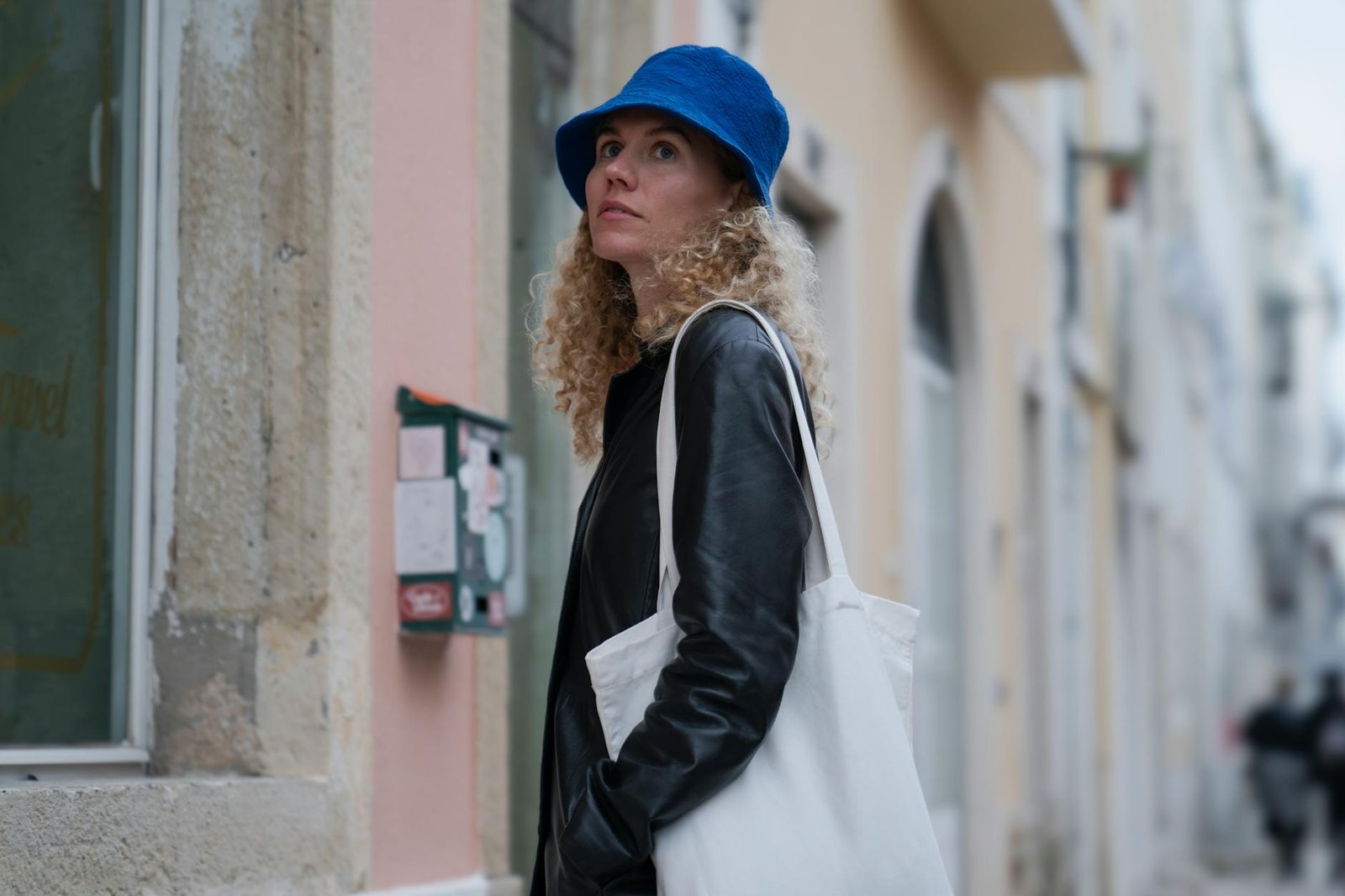
For everyday wearability, Brain Dead, Stance, and BAGGU offer the strongest combination of artistic intent and practical function. Their pieces are durable, widely available, and designed to integrate with regular dressing rather than requiring a specific occasion or outfit level to justify wearing them.
How do art-inspired accessories differ from regular branded accessories?
Art-inspired accessories treat the design process as a primary consideration rather than a branding exercise. The visual content — graphics, patterns, forms, materials — is developed from a creative concept rather than applied as a logo or signature after the object is designed. The difference is visible in the result: art-inspired accessories hold visual interest independently of knowing the brand name.
Are art-inspired accessories worth investing in?
Limited art-collaboration accessories from established brands have a track record of holding or increasing in value, particularly when the collaborating artist subsequently gains mainstream recognition. Beyond investment logic, well-designed accessories have a longer lifespan in a wardrobe than trend-driven clothing because they operate at a scale where design quality is more apparent than in a full garment.