How to Style a Statement Coat: The Complete Outfit Guide for 2026
The Statement Coat in 2026
The statement coat — a coat distinguished by a bold colour, a rich texture (teddy, faux fur, velvet), a distinctive silhouette (very oversized, dramatically longline), or an unusual material — is one of autumn and winter fashion’s most powerful single-piece choices. A statement coat is visible at the outer layer of every cold-weather outfit, meaning it functions as the outfit’s primary visual introduction in a way that no other single piece does.
Its styling principle is therefore distinctive from most other fashion pieces: while most outfit construction involves building multiple elements that work together, the statement coat requires that everything else in the outfit works for the coat rather than alongside it. The coat is the outfit’s visual centre; everything else is context and support.
Types of Statement Coats
- Bold colour coat — in a saturated colour (cobalt, emerald, camel, burnt orange); the most widely-wearable statement
- Teddy or faux-fur coat — in a textured fabric; the most visually dramatic
- Oversized or longline coat — in an exaggerated silhouette; the most proportion-led
- Check or plaid coat — in a bold pattern; the most classic-fashion reference
- Velvet or rich-fabric coat — in an occasion fabric; the most elevated
How to Style a Statement Coat: Outfit Ideas
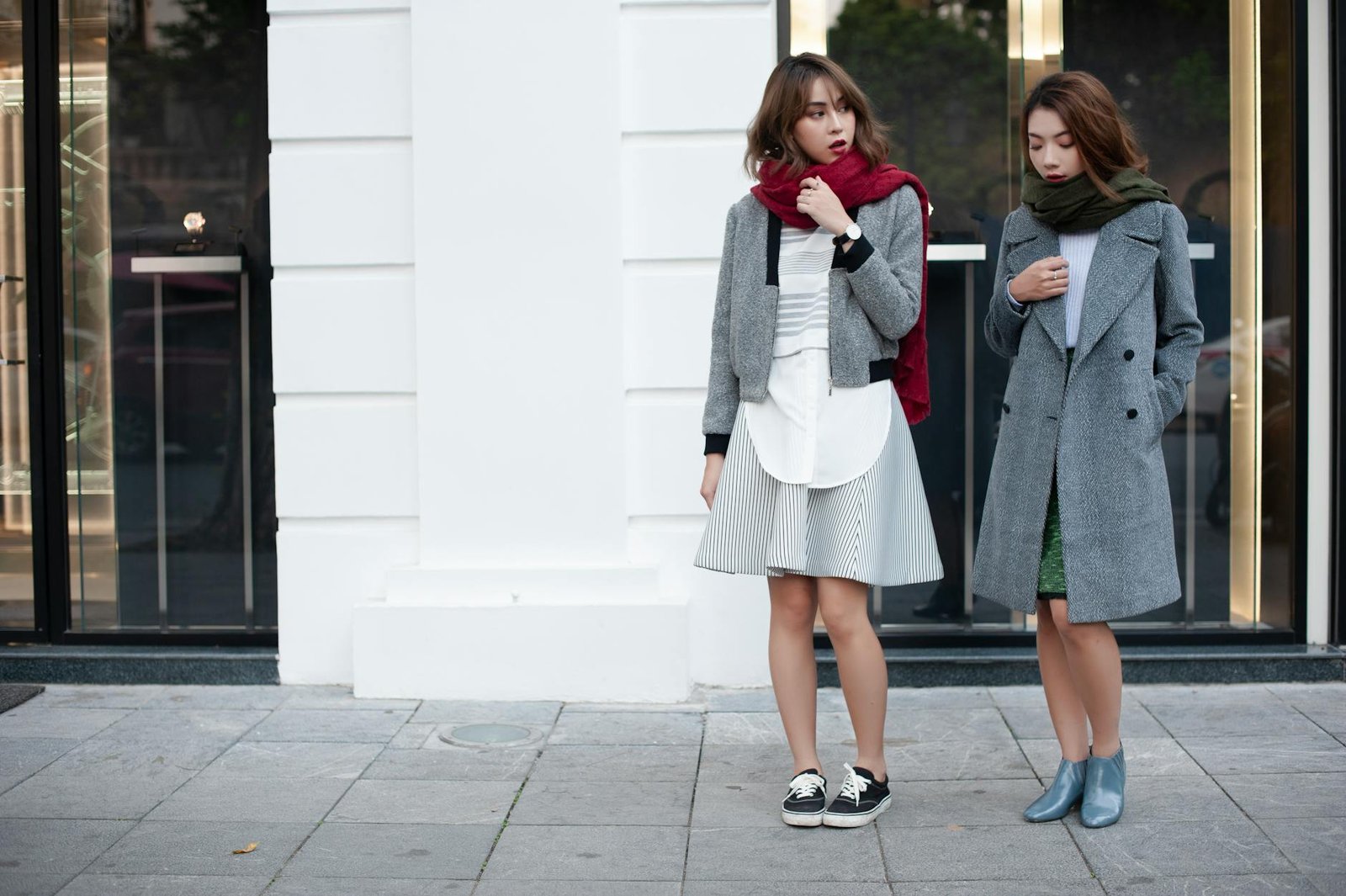
Bold Colour Coat Over Neutral Outfit
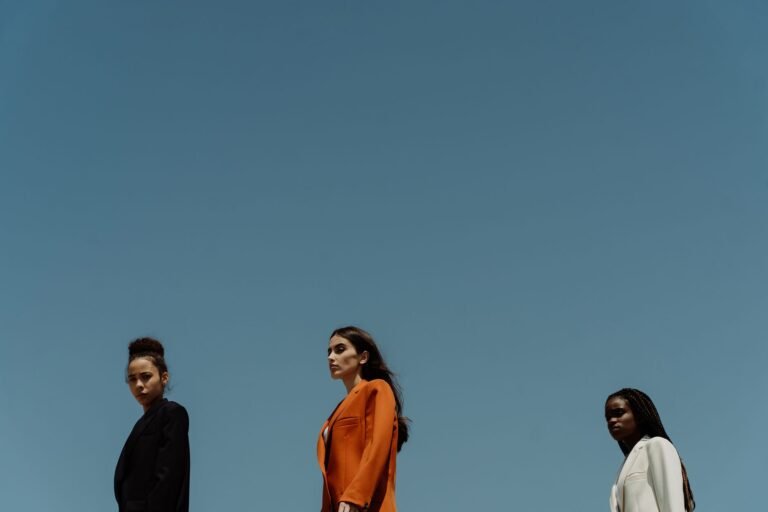
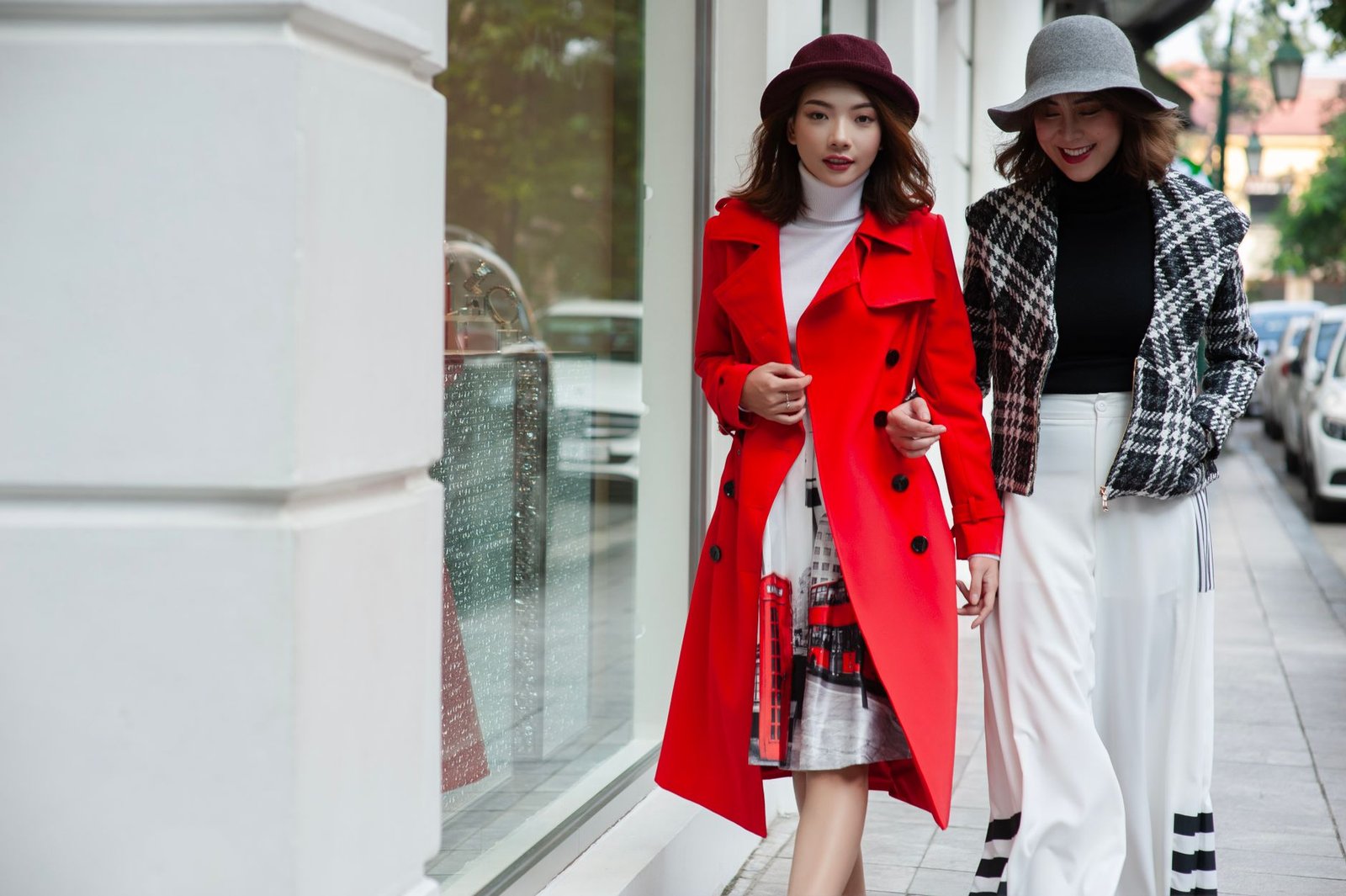
A bold colour coat — cobalt blue, burnt orange, rich emerald green, or bright camel — worn over a completely neutral inner outfit (black, white, or cream top and trousers or jeans), with simple quality shoes in a neutral that complements the coat. The bold colour coat’s most effective styling principle: let the colour be the entire outfit’s statement by keeping everything underneath completely neutral.
A cobalt coat over a black outfit with black ankle boots creates a clean, powerful colour statement; a cobalt coat over a patterned or coloured outfit creates visual competition that neither the coat nor the outfit wins. Neutral underneath, colour on top.
Teddy or Faux-Fur Coat Casual
A teddy or faux-fur texture coat in a natural tone (cream, sand, warm white, or warm brown) worn over a simple quality jeans-and-top outfit with quality ankle boots or trainers. The teddy coat’s casual application: in a natural tone, the textured coat provides warmth, visual richness, and a specifically fashion-aware outer layer that requires minimal inner outfit styling.
The coat’s texture is its statement; the inner outfit should be clean, simple, and uncompetitive. With minimal accessories — the teddy coat is already visually rich enough to be the outfit’s entire statement.
For outfit formulas and styling guidance specific to textured winter coats including shearling and faux-fur styles, the guide to styling a shearling coat covers how to work with the texture in every seasonal context.
Oversized Statement Coat

A very oversized or dramatically longline coat — in a quality suiting fabric or quality material, in a neutral or bold colour — worn over a deliberately simple and streamlined inner outfit (slim-cut trousers or fitted jeans and a simple quality top), with quality shoes that are visible below the coat’s long hem. The oversized coat’s proportion play: the coat’s dramatic size creates the outfit’s visual character; the slim inner outfit provides the visual contrast that makes the oversized coat’s size readable as deliberate rather than accidentally ill-fitting.
The quality of the coat’s fabric and construction is particularly visible with oversized coats where the drape and structure of the fabric are central to the silhouette.
Check Coat Classic
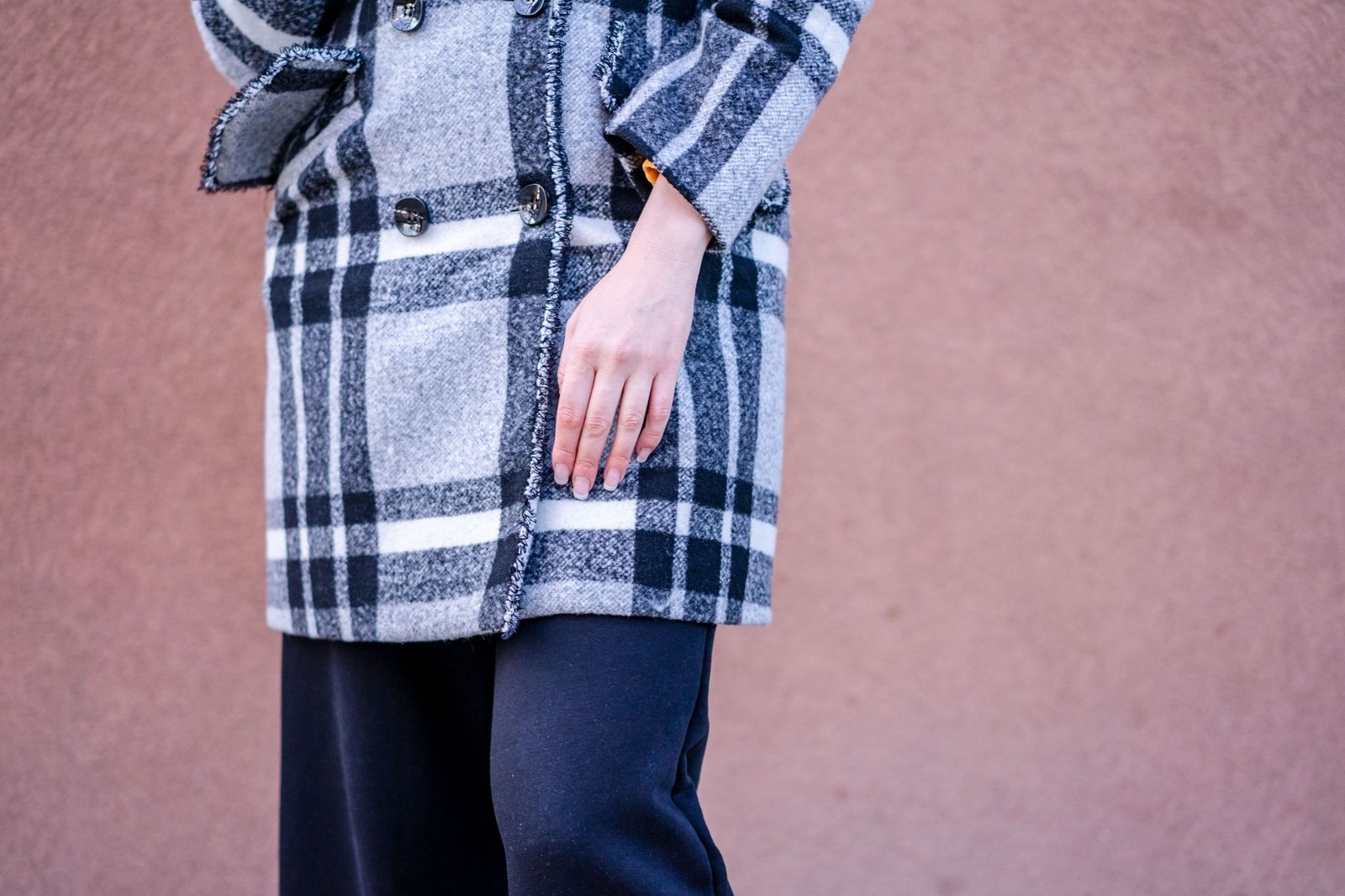
A bold check or plaid coat — in the classic English check, a large graphic check, or a tartan — worn over a simple, solid-colour inner outfit with quality leather shoes or ankle boots. The check coat’s most effective styling principle: the check pattern creates strong visual complexity that requires everything else in the outfit to be solid-colour and simple.
A single check pattern leads the outfit’s visual character; multiple patterns create visual chaos. With a simple, quality inner outfit and quality solid-colour accessories.
Statement Coat Evening
A velvet, statement-fabric, or richly-coloured coat worn as an outer layer over an evening outfit — providing the occasion’s visual statement at the outer layer rather than through the outfit underneath. The statement coat’s evening application: for outdoor movement between venues in cold weather, a quality statement coat over a simple evening dress communicates occasion-awareness through the coat’s fabric and quality rather than through an elaborate outfit underneath. A quality velvet coat in a rich colour over a simple black dress is a more considered and often more fashion-aware choice than an elaborate dress under a basic coat.
Statement Coat Styling Principle
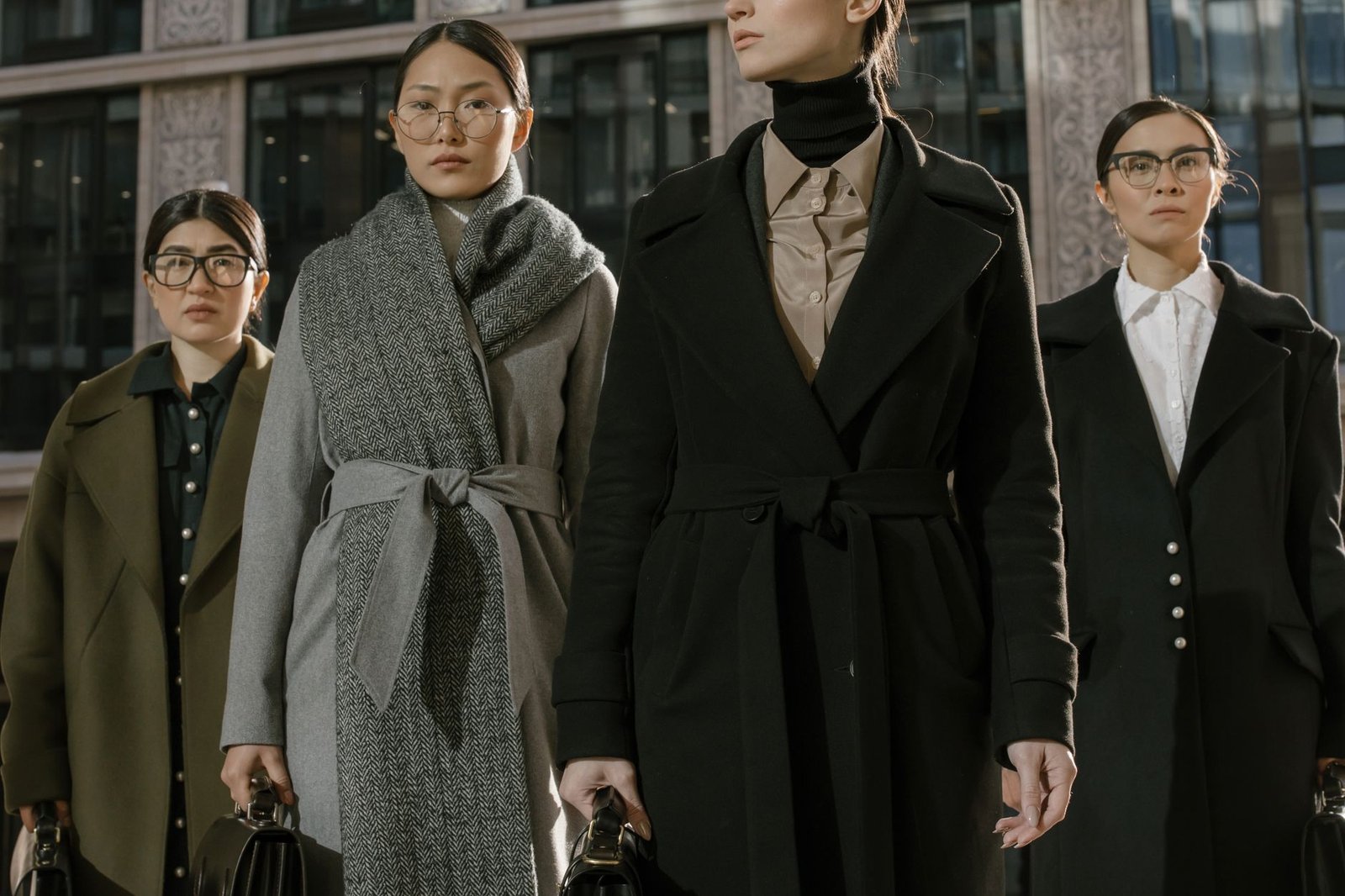
The Outfit Serves the Coat
The fundamental principle for statement coat styling: when the coat is the statement, everything else in the outfit is context. A bold-colour coat needs a neutral inner outfit.
A textured coat needs a simple inner outfit. A dramatically-silhouetted coat needs a streamlined inner outfit.
The coat’s quality, colour, texture, or silhouette is the outfit’s message; the inner outfit’s job is to deliver that message cleanly and without distraction. Resist the impulse to add additional statement elements to a statement coat outfit — the coat is enough.
For a curated edit of statement coats and how fashion editors style them across autumn and winter, Who What Wear’s coat-is-the-outfit styling guide illustrates how the right outerwear functions as the entire outfit’s centrepiece.
Byrdie’s statement coat edit showcases twelve winter coats that function as the outfit’s primary visual statement, from bold colour wool blends to textured faux-fur styles.
Frequently Asked Questions
How do you style a statement coat?
The most effective statement coat principle: keep everything underneath the coat simple, neutral, and quality-focused, letting the coat lead as the outfit’s primary visual element. A bold-colour coat over a black or neutral inner outfit; a teddy coat over simple jeans and a quality top; an oversized coat over slim-cut simple clothes; a check coat over a solid-colour outfit. The less the inner outfit competes with the coat’s statement, the more powerful the coat’s visual impact.
What to wear under a statement coat?
The most effective inner outfit for a statement coat: quality basics in neutral tones (black, cream, camel, navy) that complement the coat’s colour without competing. Simple trousers or jeans with a quality fitted top is the most universal inner-outfit formula for a statement coat — it provides a clean, considered base that lets the coat’s colour, texture, or silhouette be the sole visual message. Quality is still important even for the inner outfit — a quality inner outfit communicates considered dressing throughout; a cheap-looking inner outfit undermines the coat’s quality signal.