Fashion on a Budget: How to Dress Well Without Spending More in 2026
Dressing Well at Any Budget
The fashion industry has a persistent narrative that dressing well requires significant financial investment — and while quality typically does cost more, the relationship between spending and dressing well is not as direct as this narrative suggests. People who dress well on limited budgets do so not by finding cheap alternatives to expensive things, but by applying a different framework for decision-making: prioritising versatility over trend-responsiveness; investing strategically in the pieces where quality is most visible; using second-hand and vintage sourcing for specific piece categories; and, most importantly, developing a clear aesthetic identity that makes buying decisions more deliberate and less impulsive.
This guide maps the specific principles and practical strategies that enable genuinely good dressing without high spending.
The Core Principles
Buy Less, Wear More
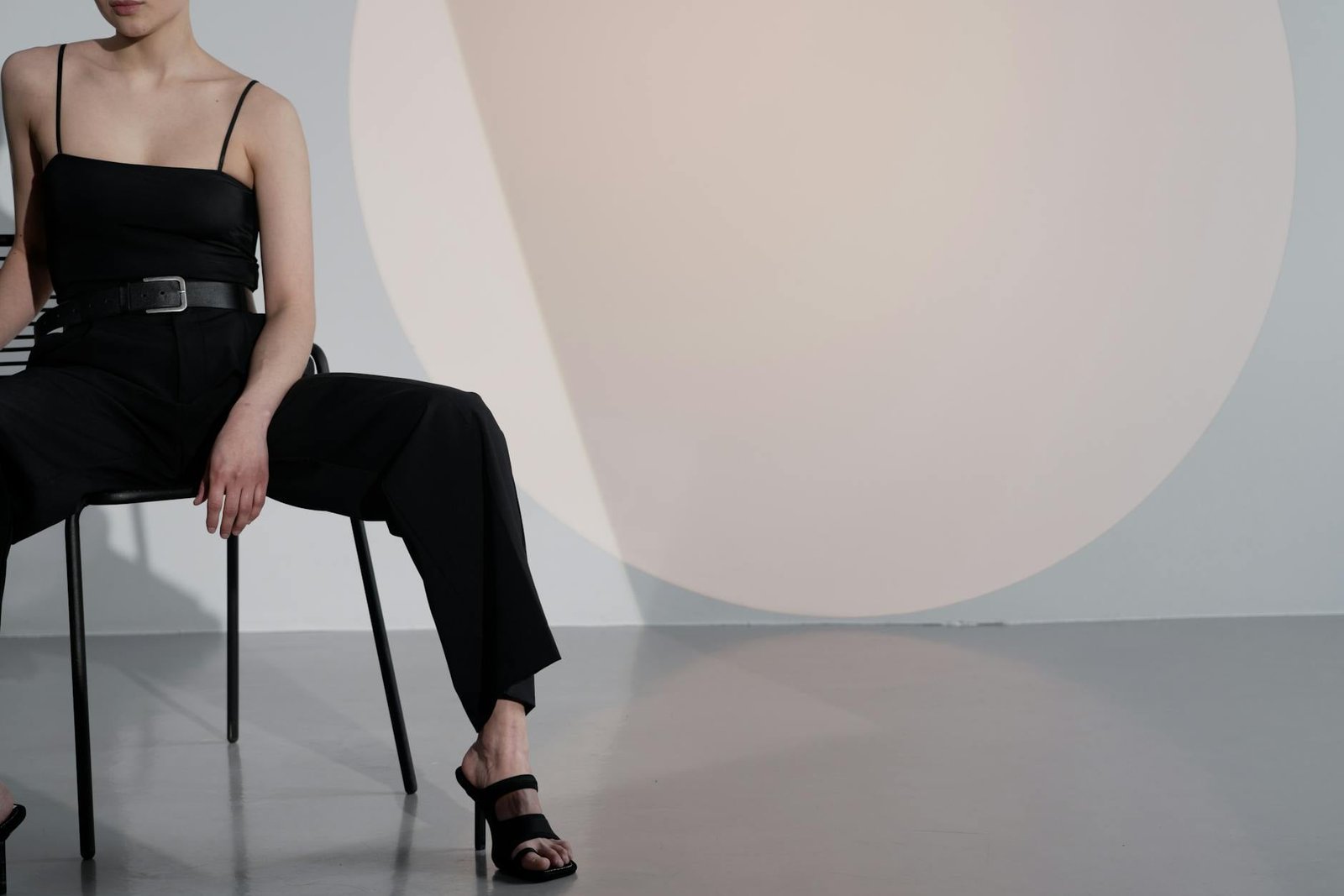
The single most effective budget-fashion principle is also the simplest: buying fewer items and wearing each of them more times is better than buying many items and wearing each rarely. A wardrobe of twenty well-chosen, well-combined items worn regularly provides more genuine value than a wardrobe of two hundred items where most are worn once or twice. The first purchase decision to make is not ‘is this affordable?’ but ‘will I wear this at least twenty times?’ — an item worn twenty times at any price point provides more value than an item worn twice at the lowest price point.
Cost-Per-Wear Thinking
Cost-per-wear is the most practically useful framework for budget fashion decisions: divide the item’s price by the number of times you expect to realistically wear it. A £150 quality ankle boot worn three times per week for three years has a cost-per-wear of approximately 20p — significantly cheaper than a £20 pair worn three times before falling apart.
Conversely, a £100 statement piece worn once at a single event has a cost-per-wear of £100 regardless of the purchase price. Budget fashion thinking requires accepting that high cost-per-wear items are expensive regardless of their purchase price, and low cost-per-wear items are affordable regardless of theirs.
Identify Your Five Most-Worn Item Categories
Most people, regardless of lifestyle, have five to seven item categories that account for 80% of their actual wearing: typically trousers or jeans, a shoe type, a specific jacket or outer layer, a top category, and a dress or skirt category. The most impactful budget-fashion decision is investing the most in these five categories — even within a strict budget — and spending the least on categories that account for little actual wearing.
Most people are wearing more expensive items less often than their cheaper high-use items. The reverse produces better results.
Where to Save and Where to Spend
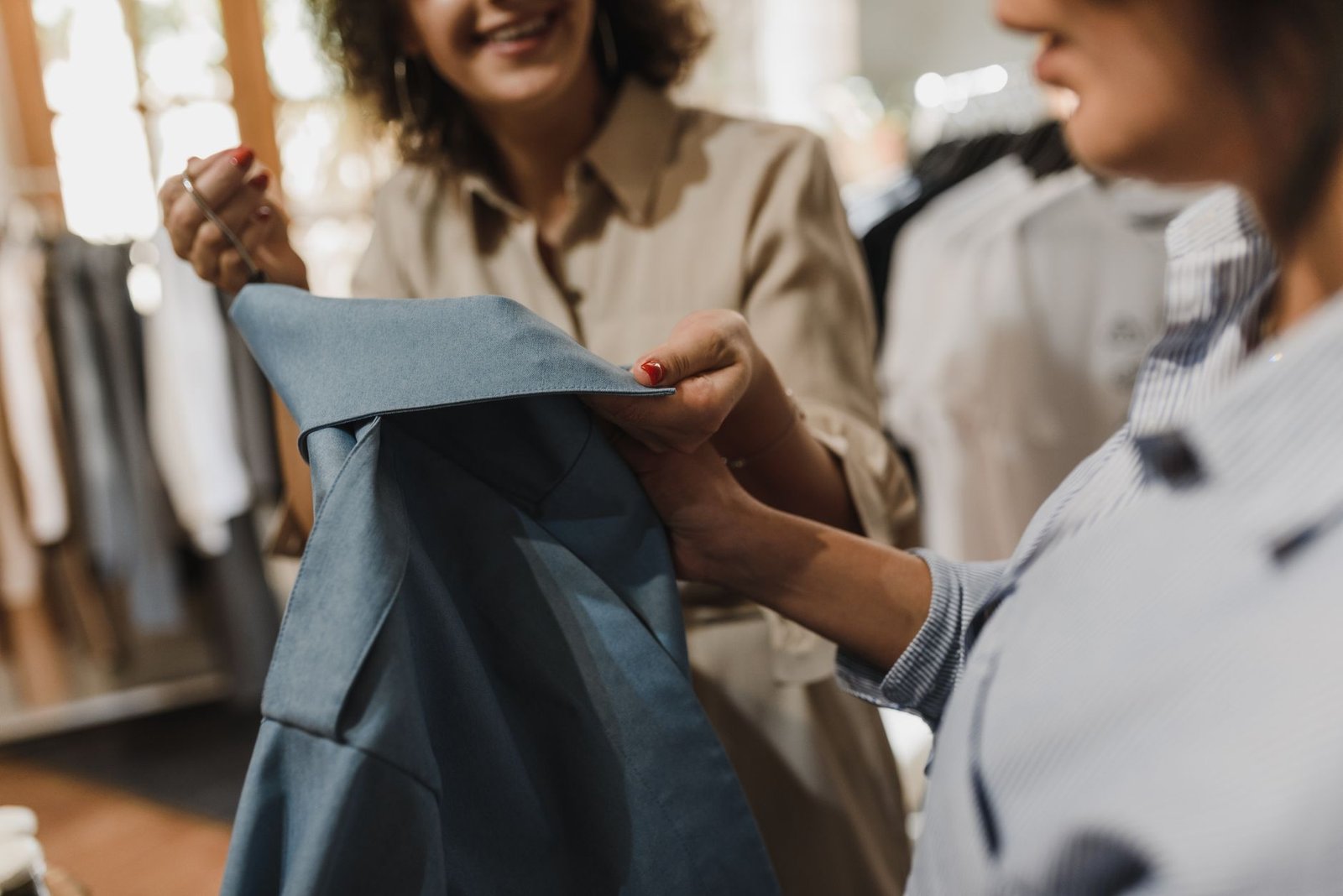
Quality matters most where it is most visible and most tactile: shoes (quality is visible in construction, and good shoes last significantly longer); outerwear (a coat is worn every day in cold weather and is highly visible); knitwear (quality fabric feels and looks different from cheap acrylic); and bags (quality leather ages well and maintains appearance; cheap bags deteriorate quickly). Quality matters least for basic, hidden, or quick-turnover items: plain socks, basic t-shirts under layers, casual gym or athleisure pieces. The budget framework: invest in the five most-visible and most-worn categories; save on everything else.
Practical Budget Fashion Strategies
Second-Hand and Vintage for Key Pieces
The most powerful budget-fashion strategy for specific piece categories is second-hand and vintage sourcing: quality blazers, quality knitwear, quality leather goods, and quality outer layers at significantly reduced prices are routinely available through second-hand platforms (Depop, Vinted, eBay, local charity shops). The key is specificity: searching for specific items by brand, size, and condition rather than browsing aimlessly. A quality vintage Barbour jacket, a quality second-hand cashmere knitwear, or a quality second-hand leather bag provide quality-at-price-point combinations that are difficult to replicate through new purchases at the same budget.
Neutral Palette Investment
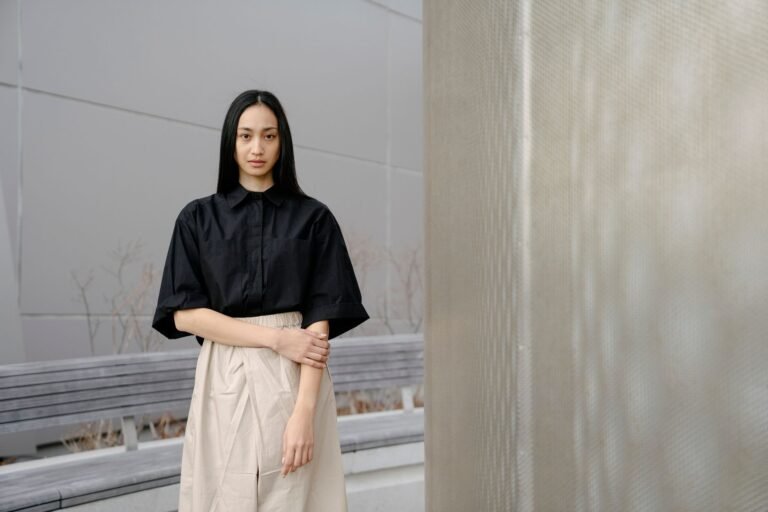
Restricting a budget wardrobe’s palette to a tight neutral range (cream, camel, navy, black, chocolate) maximises the number of outfit combinations from a small number of items — every piece coordinates with every other piece, and no item is left unworn because it only works with one other specific thing. A ten-item wardrobe in a coordinated neutral palette creates more outfits than a twenty-item wardrobe in unrelated colours. Colour can be introduced through accessories (a quality scarf, a quality bag in an accent colour) rather than through multiple expensive statement pieces.
For a practical framework for building a coordinated, neutral-palette wardrobe where every piece works with every other, the winter capsule wardrobe guide maps the 15 essential versatile pieces that cover every cold-weather context.
The One Investment Per Season Rule
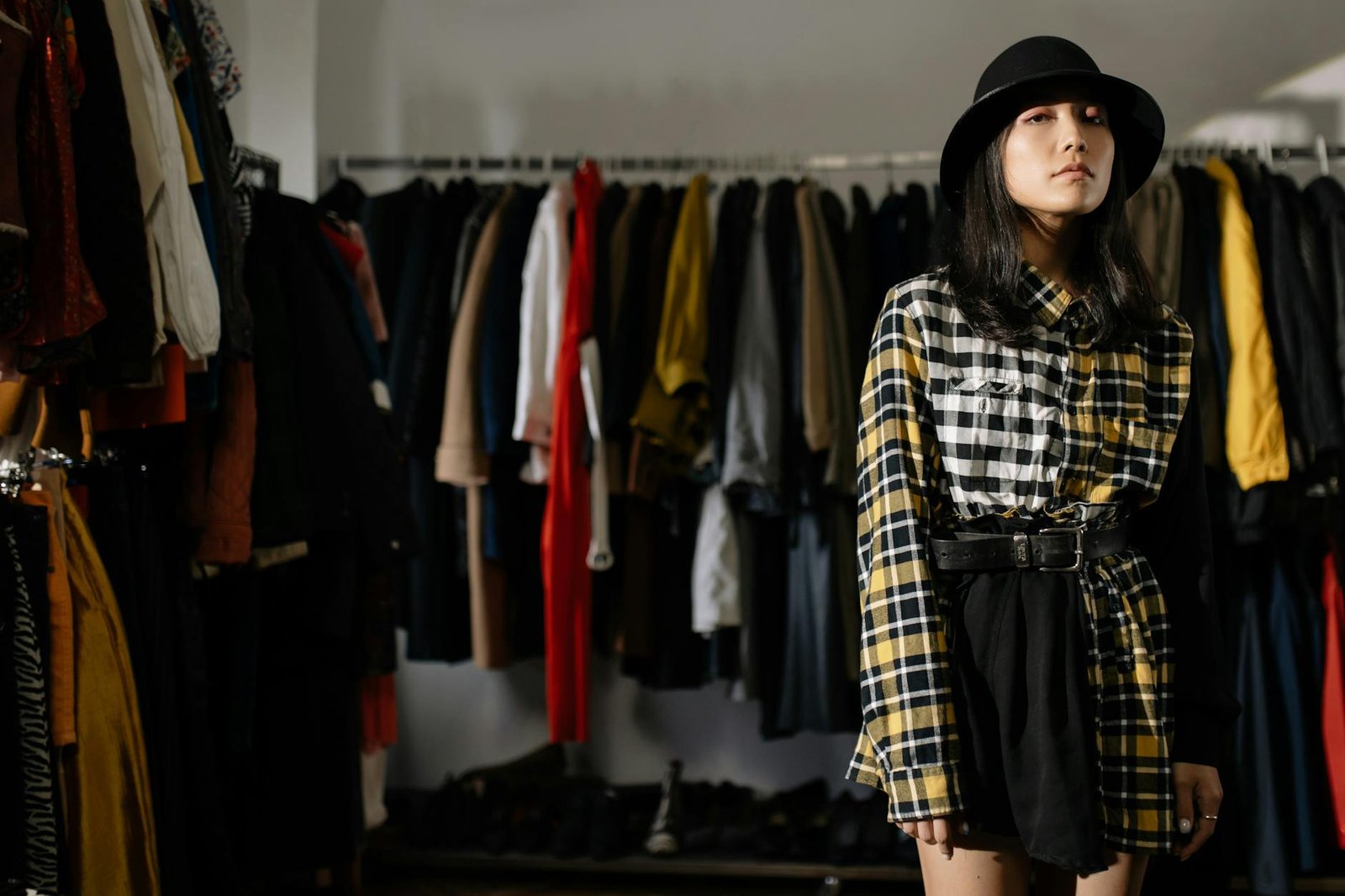
Rather than buying many cheap items throughout a season, the most effective budget fashion approach is identifying one item per season where quality genuinely matters — the one piece that will anchor multiple outfits and be worn most — and investing meaningfully in that single item. One genuinely good pair of boots makes every autumn outfit better; one quality blazer makes every smart-casual outfit more considered. The rest of the season’s needs can be met with more affordable choices, because the quality anchor piece elevates the outfits around it.
Budget-Fashion Mindset
The most lasting budget-fashion change is not strategic — it is the development of a clear aesthetic identity that makes buying decisions more deliberate. When you know clearly what aesthetic you are building (quiet luxury, downtown cool, dark academia, clean minimal), you automatically filter out the many items that don’t fit the aesthetic and are impulse or trend purchases.
The impulsive variety purchase — buying something because it’s cheap or because it looked good in the shop — is budget fashion’s most common and most expensive habit. Aesthetic clarity is the filter that prevents it.
For expert stylist advice on shopping strategically at any budget, including cost-per-wear thinking and where to invest versus save, Refinery29’s guide to shopping like a stylist on any budget covers the practical decisions that produce genuinely good dressing without high spending.
Frequently Asked Questions
How do you dress well on a budget?
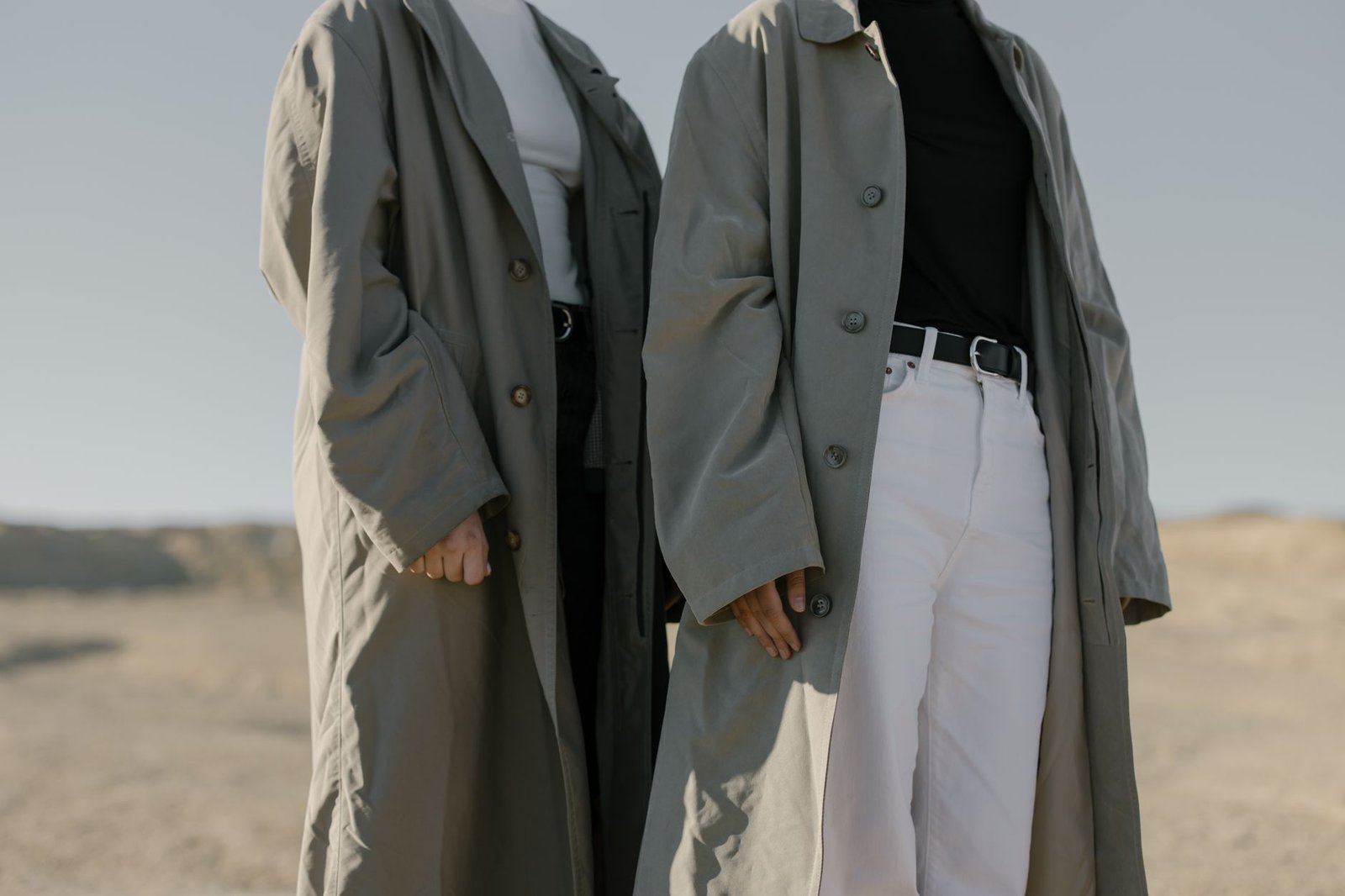
The most effective budget-fashion principles: buy fewer items and wear each more times; apply cost-per-wear thinking rather than purchase-price thinking; invest most in the five most-worn item categories; use second-hand sourcing for quality pieces in specific categories; keep the colour palette neutral to maximise outfit combinations; and develop a clear aesthetic identity that prevents impulse purchases. The most common and most expensive budget-fashion mistake is buying many cheap items that don’t combine well — a smaller number of well-chosen, well-combining items is always better value.
What are the best budget-fashion investments for 2026?
The highest-return budget-fashion investments: quality ankle boots (second-hand if possible); one quality blazer in a neutral (second-hand blazers are widely available at great prices); quality wide-leg trousers in a quality fabric; a quality linen shirt in cream or white; and a quality ribbed tank in black and cream. These five items create the foundation of multiple outfits across contexts and seasons. Invest in quality for these five and keep all other purchases minimal and affordable.