
Goth Aesthetic Outfits: How to Dress the Dark Style in 2026
What Is the Goth Aesthetic?
The goth aesthetic is one of fashion’s most durable and internally complex subculture-derived style systems. Originating in the post-punk music and art scenes of late 1970s and early 1980s Britain — Siouxsie Sioux, Bauhaus, The Cure, Joy Division — goth fashion developed a distinctive visual language built around black clothing, Victorian and Edwardian silhouette references, silver jewellery, and a deliberate aesthetic darkness that communicated both subcultural membership and a particular philosophical sensibility: an embrace of the morbid, the romantic, and the melancholic as sources of beauty.
In 2026, goth fashion exists across a wide spectrum: traditional goth (close to the original subcultural aesthetic), soft goth (goth visual language applied with a lighter, more accessible touch), trad goth revival (a specific nostalgic return to 1980s goth aesthetics), and the broader mainstream fashion absorption of goth elements (leather, black, platform boots) into everyday dressing. Each sub-category has different outfit formulas, garment requirements, and cultural contexts.
Types of Goth Fashion
- Traditional goth — close to the original subculture; all-black, Victorian references, dramatic silhouettes
- Soft goth — goth elements with lighter or more accessible touches; greys, dark purples, softer fabrics
- Trad goth — specifically 1980s post-punk aesthetic; deathrock, Siouxsie-era visual language
- Nu-goth or modern goth — goth visual language with contemporary streetwear influences
- Pastel goth — goth aesthetics combined with kawaii pastel colours; pink, lavender, mint
- Gothic Lolita — Japanese fashion subculture; elaborate Victorian-influenced dress with goth colours
Of the goth sub-genres, Gothic Lolita and pastel goth represent the strongest overlap with kawaii fashion aesthetics — both combine elaborate garment construction and maximalist accessorising with a specific Japanese street fashion cultural context, creating a visual language that sits distinctly at the intersection of cute and dark.
Goth Aesthetic Outfit Ideas
Classic Goth Outfit
All-black: a fitted or layered black top (a band tee, a mesh top over a black bodysuit, or a Victorian-collared blouse) with black fitted jeans or a long black skirt, platform or creeper boots, and silver jewellery — cross pendants, ring-stacked fingers, silver cuff bracelets. The traditional goth outfit’s power is in the completeness of its black palette and the quality of the individual black pieces: a genuine leather jacket, high-quality platform boots, a Victorian-detail blouse. The absence of colour is the deliberate aesthetic choice — all-black worn with high-quality, interesting-textured pieces rather than uniformly flat black basics.
Soft Goth Daily Wear
Dark, muted tones — deep charcoal, dark burgundy, forest green, or plum — rather than strict all-black; a quality ribbed long-sleeve top or a fitted turtleneck with wide-leg black trousers or a midi skirt, ankle boots, and subtle silver accessories. Soft goth allows entry into the aesthetic’s visual language without the full commitment of the traditional goth wardrobe — it communicates the aesthetic’s darkness and considered approach to monochromatic dressing while remaining wearable in everyday contexts. With minimal or natural makeup rather than full goth beauty looks.
Trad Goth Revival
A vintage-style or genuinely vintage 1980s-inspired outfit: a big-hair or backcombed hair aesthetic (or a sculptural goth ponytail); a black wrap or asymmetric draped top; fishnet tights; a short black skirt; and ankle boots or court heels. Heavy eye makeup — smudged dark liner, bold brows — is integral to the trad goth revival look rather than optional decoration. This is a more committed aesthetic expression than soft goth or nu-goth and is most appropriate for fashion-forward contexts, events, or deliberate aesthetic expression rather than everyday casual wear.
The trad goth revival shares its post-punk cultural roots with other 1980s-adjacent aesthetic revivals, including the indie sleaze aesthetic — both draw from an era when underground music scenes defined visual culture, and both are experiencing renewed interest among younger fashion audiences engaging with subcultural history through a retrospective lens.
Nu-Goth Streetwear
Black wide-leg jeans or joggers with an oversized black graphic band tee or alternative-culture graphic top, a black leather or faux-leather jacket, and chunky platform trainers or Doc Martens. Nu-goth merges goth’s visual vocabulary (all-black, platform footwear, graphic alternative-culture references) with streetwear’s silhouette language (oversized tees, wide-leg trousers, chunky trainers) to create a contemporary casual goth outfit that works in everyday streetwear contexts without requiring formal commitment to subculture dressing. With silver jewellery and minimal other accessories.
Gothic Occasion Dressing
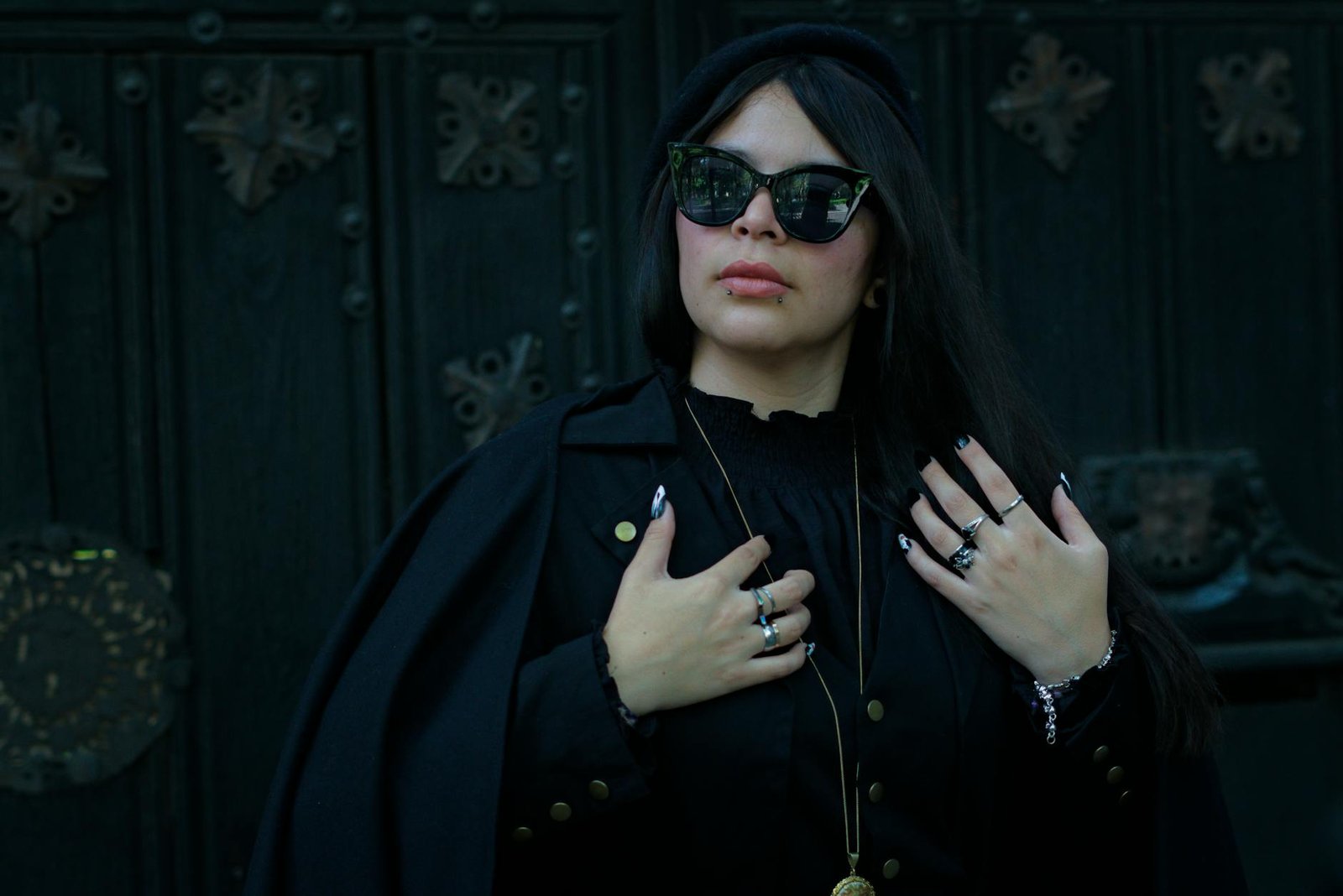
A full-length or midi black dress in a quality fabric — velvet, satin, lace-detail, or layered chiffon — with platform or heeled boots or court heels, dramatic silver or black jewellery, and black or dark accessories. Goth occasion dressing takes the aesthetic’s visual language into formal or semi-formal contexts: an alternative to the conventional LBD, using goth’s fabric and silhouette vocabulary to create an occasion outfit with genuine visual presence. With dramatic eye makeup and a dark or bold lip colour for the most committed result.
For dark occasion outfits, the principles in the party outfit context guide apply: one strong statement piece — the velvet midi dress, the dramatic lace layer — with everything else kept simple and supporting, rather than multiple competing dramatic elements.
Goth Key Pieces and Accessories
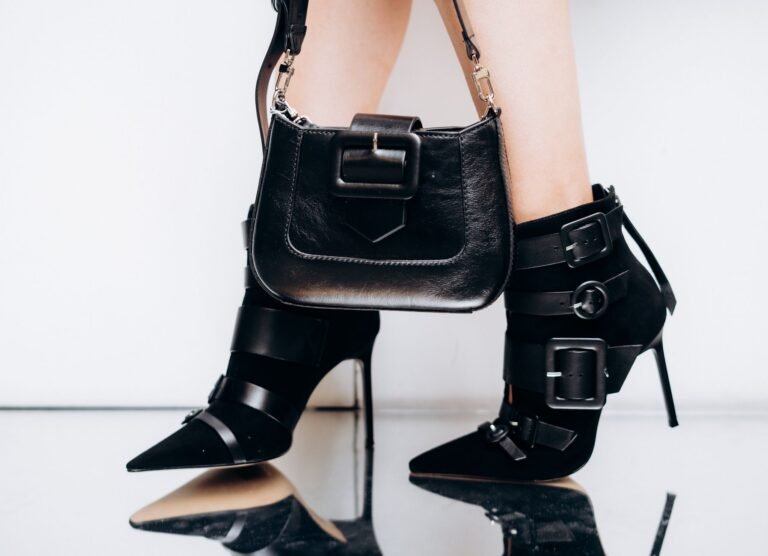
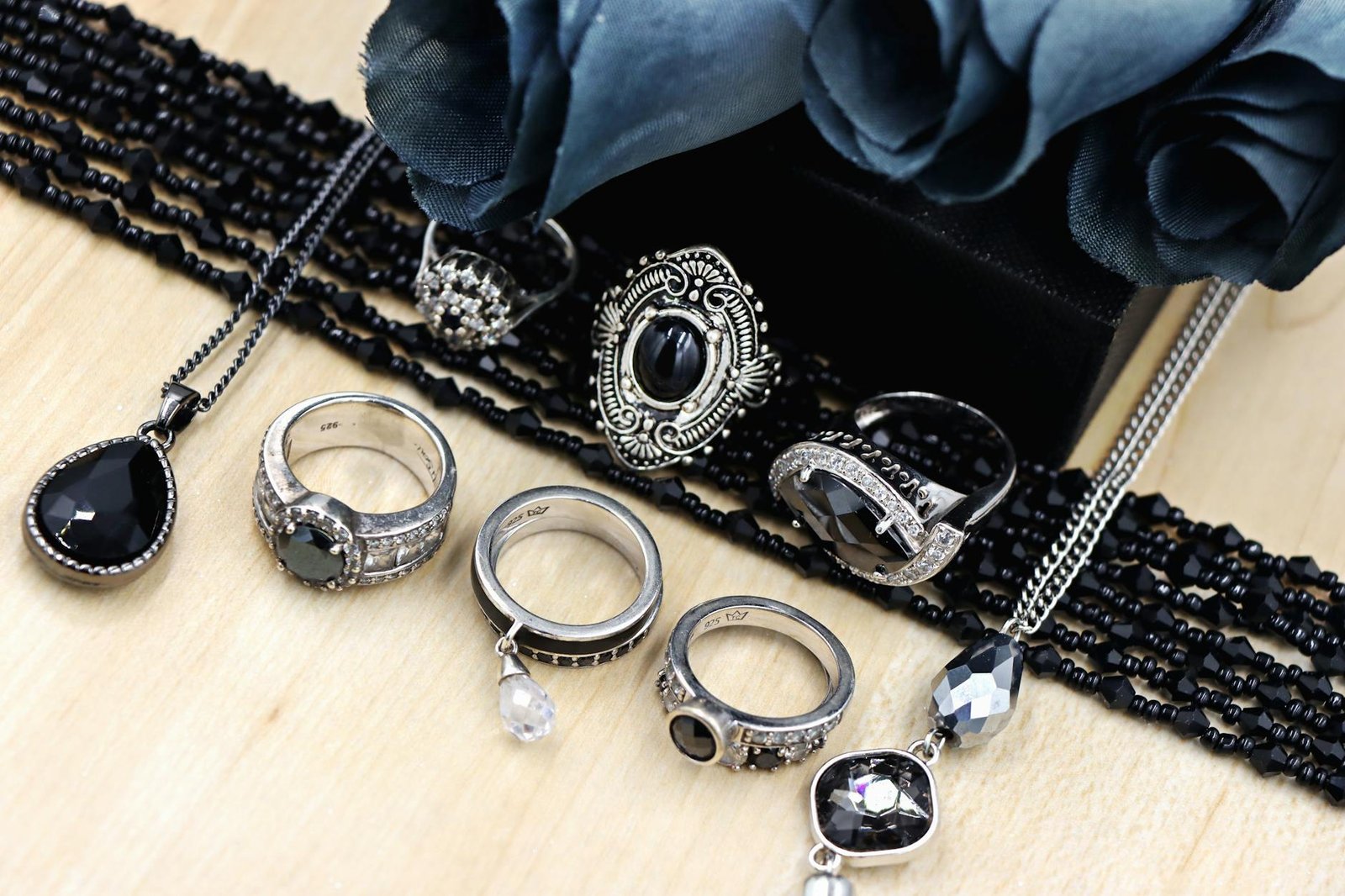
Beyond clothing, the goth aesthetic is defined substantially by its accessories: silver jewellery (particularly cross pendants, skull motifs, and occult symbols); platform or creeper boots in leather or patent leather; fishnet tights or stockings; a leather or faux-leather structured bag; and dark nail polish (black, deep burgundy, or midnight blue). The beauty element — pale foundation, dark eye makeup, dark lip colour — is integral to the fully committed goth aesthetic but optional in softer or streetwear-adjacent interpretations. Quality matters most in the boots and the leather jacket: these are the pieces that communicate the genuine aesthetic investment.
Highsnobiety’s profile of designers who pioneered dark and gothic fashion provides useful context for understanding how goth aesthetics have shaped high fashion — from Yohji Yamamoto’s all-black tailoring philosophy to Gareth Pugh’s theatrical gothic silhouettes.
Frequently Asked Questions
What is goth aesthetic in fashion?
Goth aesthetic in fashion is a subculture-derived style originating in 1980s post-punk music culture, characterised by all-black or dark-toned clothing, Victorian and Edwardian silhouette references, silver jewellery with occult or gothic motifs, platform boots, and a deliberate aesthetic darkness. In 2026, it exists across a spectrum from traditional subculture goth (all-black, fully committed) to soft goth (dark tones, subtle goth elements) and nu-goth (goth visual language merged with contemporary streetwear).
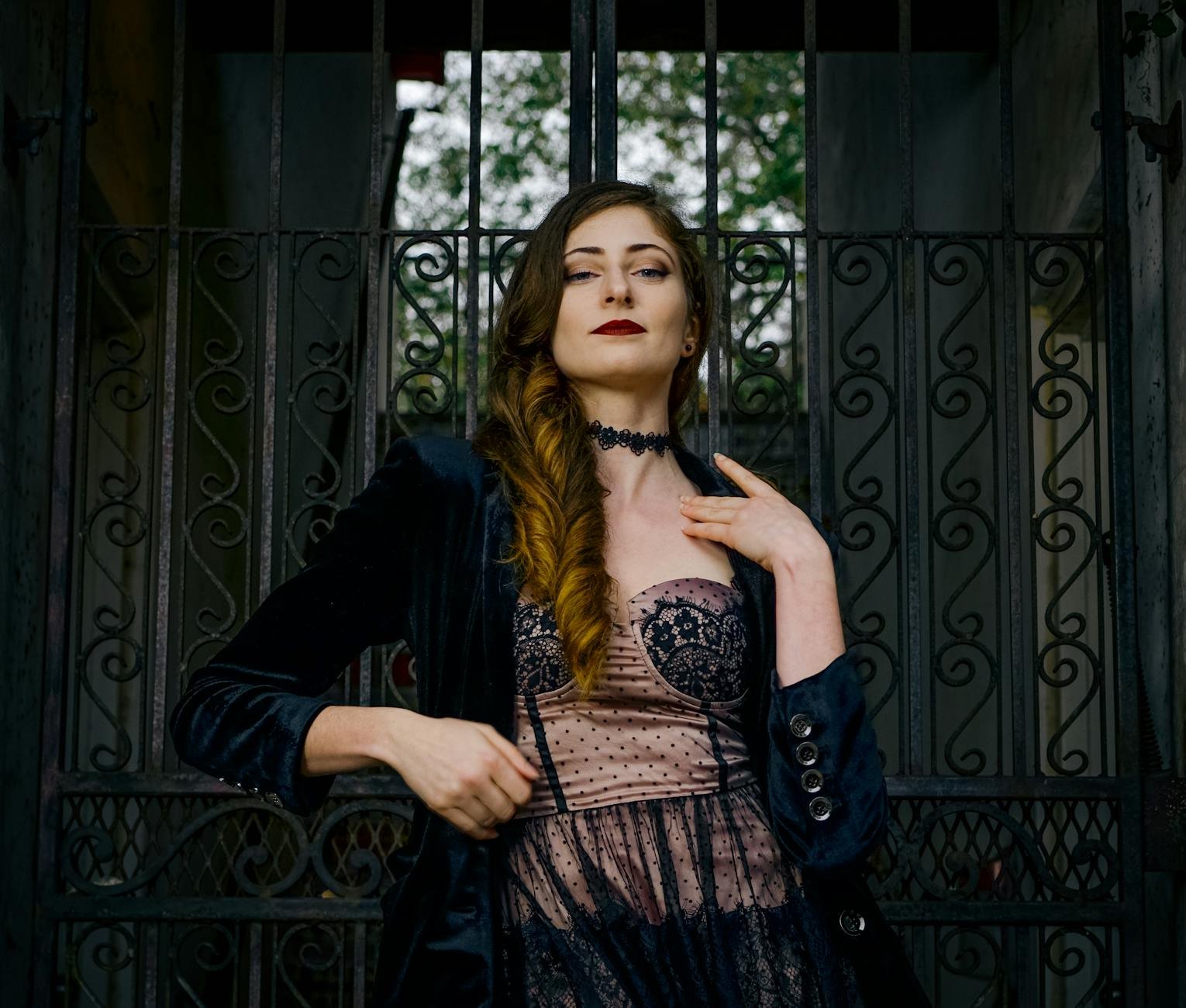
How do you dress goth without it looking like a costume?
The key is investing in quality pieces and building the aesthetic gradually rather than deploying all its iconography simultaneously. Start with a quality leather jacket and platform boots as the aesthetic’s anchors; build the rest of the outfit from quality basics in black and dark tones; add accessories (silver jewellery, dark nail polish) as goth-specific details. The most wearable goth outfits treat the aesthetic as a sensibility (a preference for darkness, quality, and considered anti-mainstream dressing) rather than a cosplay of goth’s most dramatic visual elements.