Cottagecore Aesthetic Outfits: How to Dress the Romantic Rural Fantasy in 2026
What Is the Cottagecore Aesthetic?
Cottagecore is a fashion and lifestyle aesthetic built around the romanticised image of rural life — the visual world of wildflower meadows, honey-coloured stone cottages, overgrown herb gardens, hand-thrown pottery, freshly baked bread, and a way of life imagined as more connected to natural rhythms and craft traditions than contemporary urban existence. The fashion expression of cottagecore translates these associations into clothing: floral and botanical prints, natural fibres, layered and slightly voluminous silhouettes, soft colour palettes, and a general aesthetic of gentle imperfection rather than polished contemporaneity.
Cottagecore emerged as a named aesthetic on social media around 2018–2020, gaining significant momentum during the 2020 pandemic period when the appeal of an imagined simpler rural life resonated particularly strongly. In 2026, cottagecore has matured from a social media trend into a stable aesthetic vocabulary — a genuine style approach with its own visual logic and a community of practitioners who wear it as a primary wardrobe identity rather than an occasional novelty.
The Cottagecore Colour Palette
The cottagecore colour palette is derived from the natural world — the colours of garden flowers, hedgerow berries, summer fields, and autumn foraging:
- White and cream — the neutral foundation of cottagecore dressing. Represents simplicity, freshness, and the natural undyed quality of traditional textiles.
- Botanical greens — sage, moss, forest, and muted olive. The palette of foliage in its many values and temperatures.
- Floral pinks — dusty rose, blush, dried lavender pink. The soft, slightly faded tones of garden flowers after the first flush of bloom.
- Warm earthy tones — terracotta, ochre, warm tan, and burnt sienna. The colours of clay, autumn leaves, and dried botanicals.
- Butter and chamomile yellow — soft warm yellows that suggest meadow flowers and summer light.
- Berry and bramble tones — dusty lavender, muted plum, dark berry. The colours of hedgerow fruits and autumn.
Key Cottagecore Garments
Floral and Botanical Print Dresses
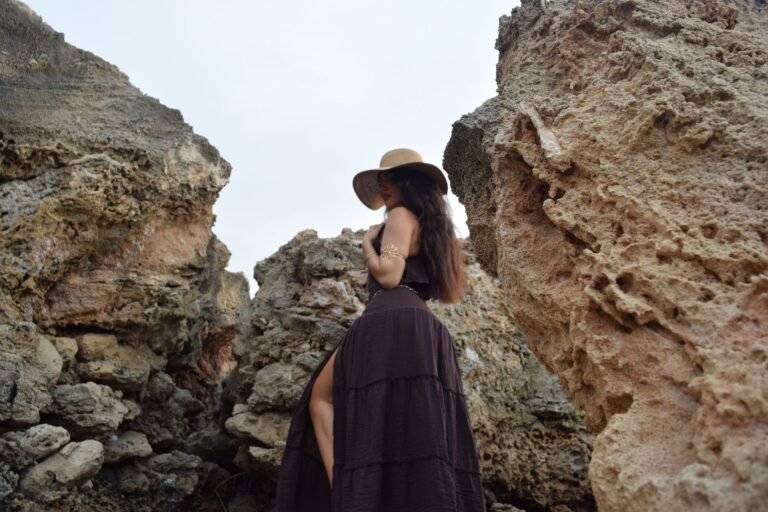
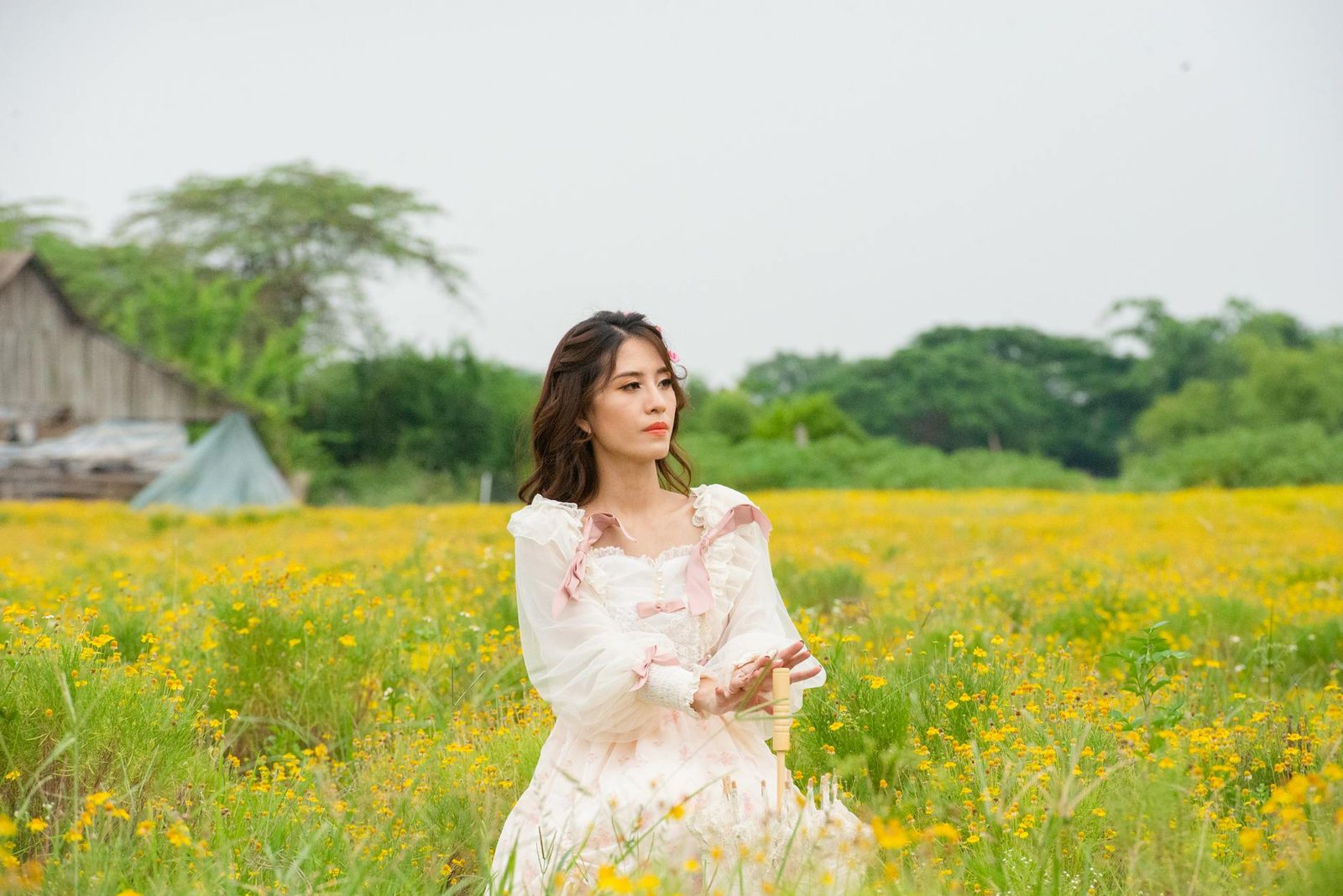
The floral dress is the most recognisable cottagecore garment — flowing, midi or maxi length, with a botanical or floral print in soft, slightly faded tones rather than vivid commercial florals. The silhouette is traditionally feminine: gathered skirt, puffed sleeves, peasant neckline, or empire waist. Milkmaid dresses and prairie-influenced silhouettes are particularly strongly cottagecore-coded.
Linen and Natural Fibre Basics
Linen is the quintessential cottagecore fabric — its natural texture, its slight irregularity, its ability to crease beautifully, and its association with pre-industrial textile traditions align perfectly with the aesthetic’s values. Linen shirts, linen trousers, linen dresses, and linen pinafores are all cottagecore wardrobe staples. Cotton muslin, cotton gauze, and natural-dye cotton all share similar associations.
Knitwear in Earthy Tones
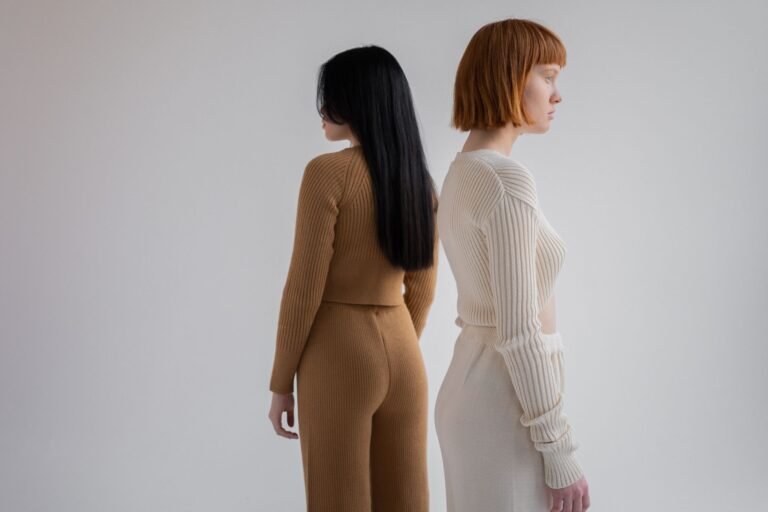
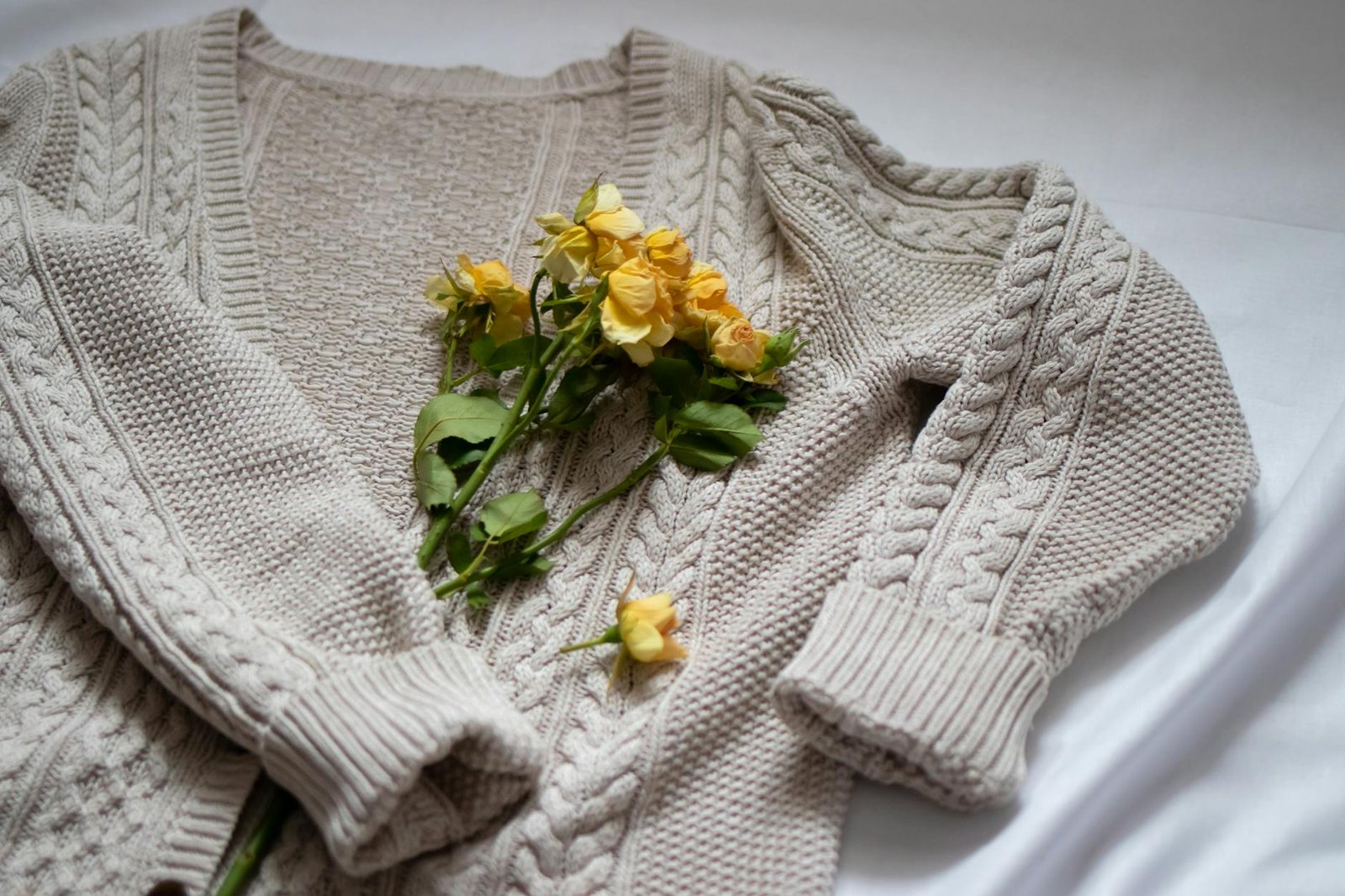
Handmade-looking or artisan-quality knitwear — cable-knit cardigans, textured pullovers, boxy knit vests — in earthy or botanical palette tones. The hand-knitted quality (even when machine-produced) and the textural richness of knitwear aligns with the cottagecore emphasis on craft and tactile material quality. Layered over floral dresses or linen shirts.
Pinafore and Apron-Style Garments
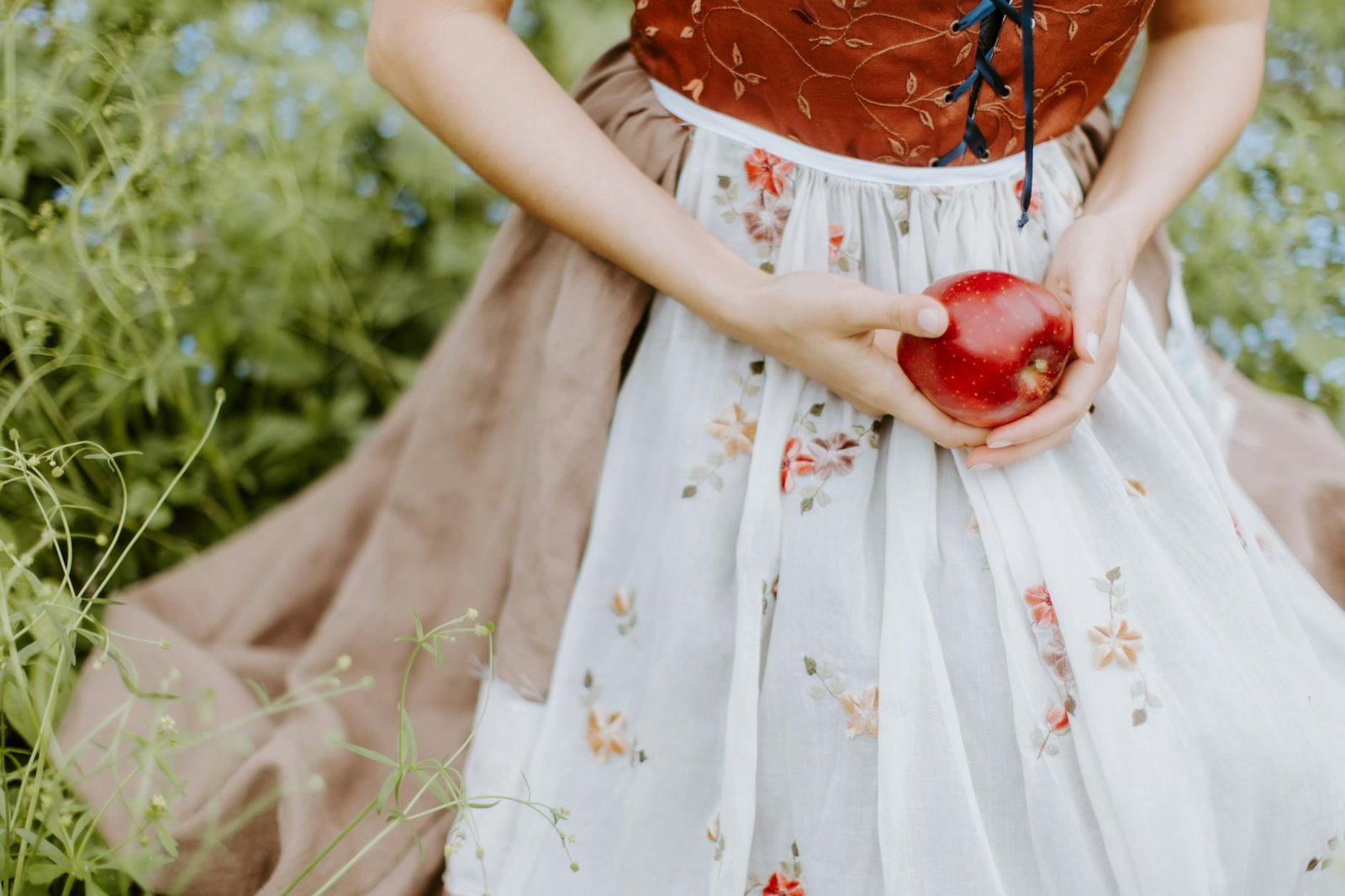
The pinafore — a sleeveless dress or apron-style garment worn over a blouse or shirt — is one of the most cottagecore-specific garment silhouettes. It references domestic and agricultural labour traditions without being literally functional in a contemporary context; it signals the cottagecore aesthetic legibly and works as a layering piece over shirts, tees, and blouses across seasons.
Embroidered and Hand-Detailed Pieces
Embroidered blouses, hand-detailed smock dresses, and garments with visible craft work — eyelet cotton, broderie anglaise, lace trim — are all strongly cottagecore-coded. The embroidery and hand-work reference the pre-industrial craft traditions that the aesthetic idealises. These details transform otherwise simple garments into cottagecore statements — a plain white cotton blouse with floral embroidery at the collar becomes a distinctly aesthetic piece.
Cottagecore Outfit Ideas
The Classic Prairie Dress Look
A floral or botanical print midi or maxi dress with puffed sleeves and a gathered skirt — the most direct cottagecore outfit. With flat Mary Janes or simple leather sandals, a woven straw bag, and minimal simple jewellery. This is the most immediately identifiable cottagecore outfit and requires no additional layering or styling beyond the dress itself.
Pinafore and Puffed Blouse Layer
A linen or cotton pinafore dress over a white or cream puffed-sleeve blouse. The layering of the pinafore over the blouse creates the cottagecore silhouette in a modular way that adapts across seasons — remove the pinafore in summer, add a cardigan over the blouse in autumn and winter. One of the most practical cottagecore outfit formulas.
Cottagecore in Autumn
A floral midi skirt in autumn tones — berry, rust, sage — with a linen or cotton blouse in cream and a chunky cable-knit cardigan in camel or oatmeal. Ankle boots in brown leather and a wicker or leather bag. The transition from summer cottagecore to autumn cottagecore primarily involves swapping open sandals for ankle boots, adding knitwear as a layer, and shifting the palette toward warmer, deeper tones.
Linen Summer Set
A matching linen two-piece — wide-leg linen trousers and a loose linen button-down shirt or boxy top — in a soft botanical palette tone (sage, cream, dusty rose). With flat leather sandals and minimal jewellery. The matching linen set provides an effortless, slightly oversized cottagecore look that is practical for warm weather while maintaining the natural-textile aesthetic identity of the style.
Embroidered Blouse and Simple Skirt
A hand-embroidered or broderie anglaise blouse with a simple gathered skirt in a complementary plain or small-print fabric. The embroidery on the blouse provides the decorative focal point; the plain skirt allows it to read clearly. With simple flat shoes or ankle boots and no competing accessory pattern.
Knitted Vest Layering Build
A knit vest over a floral blouse or printed dress, with ankle boots and a simple wicker or cloth bag. The knit vest is one of the most versatile cottagecore layering pieces — it adds warmth without the weight of a full cardigan and creates a visual middle-layer that breaks the silhouette into the top-vest-bottom layered structure that is characteristic of the aesthetic.
Winter Cottagecore
A heavy wool or brushed cotton midi dress in an earthy or berry tone, with a thick cable-knit cardigan or vintage-style wool coat, tights in a complementary tone, and flat ankle boots or lace-up leather boots. A wool or plaid scarf for warmth. Winter cottagecore maintains the soft palette and natural-fabric emphasis of summer cottagecore in heavier, more insulating materials.
Cottagecore Accessories
- Wicker and straw bags — basket bags, straw tote bags, and woven clutches reference pastoral craft traditions
- Simple leather or fabric shoes — Mary Janes, simple sandals, plain leather ankle boots in earthy tones
- Floral hair accessories — dried flower clips, floral-print scrunchies, floral hair bands
- Simple gold or silver jewellery — thin chains, small floral or nature-motif charms, simple stud earrings
- Vintage-inspired spectacle frames — round or oval in warm tortoiseshell or simple gold frames
For insight into how cottagecore functions as a lived aesthetic rather than simply a visual one, Refinery29’s guide to living the cottagecore era covers the slow-fashion sourcing approach — thrift shops, vintage markets, and artisan brands — that aligns the aesthetic’s visual values with its underlying emphasis on craft and material quality.
Frequently Asked Questions
What is the cottagecore aesthetic in fashion?
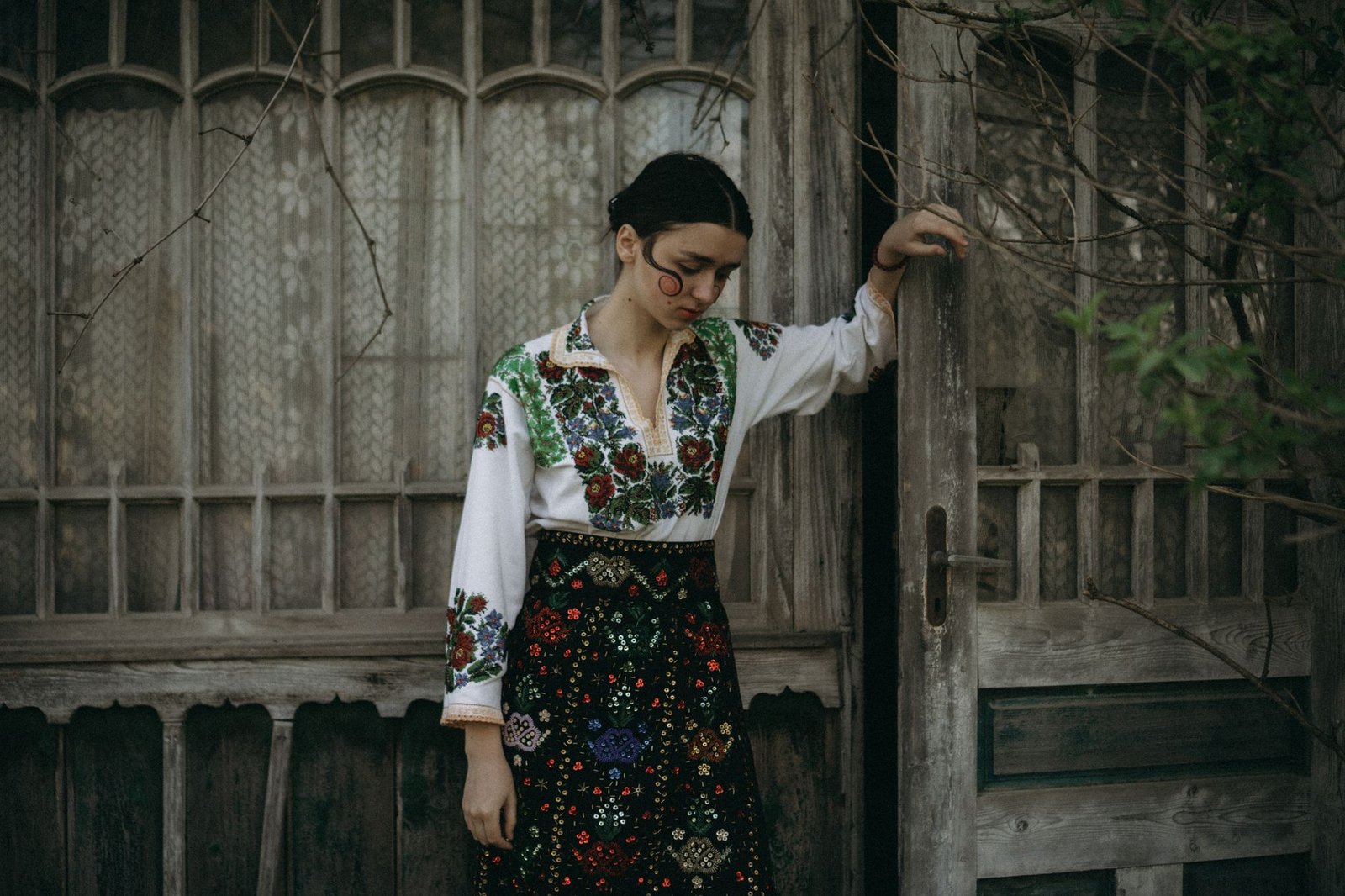
Cottagecore fashion draws from the romanticised imagery of rural life and traditional craft culture — floral and botanical prints, natural fibres like linen and cotton, slightly voluminous and feminine silhouettes, soft earthy and botanical palettes, and visible craft details like embroidery and lace. The aesthetic values visual simplicity, natural materials, and a gentle femininity that references pre-industrial European and rural folk clothing traditions.
How do you build a cottagecore wardrobe?
Start with natural fibre basics in the cottagecore palette: cream and white linen pieces, a soft floral dress or skirt, a cable-knit cardigan in an earthy tone. Add layering pieces — a pinafore, a knit vest — that work over multiple bases.
Prioritise quality of fabric and visible craft details (embroidery, eyelet, lace trim) over quantity of pieces. Thrift shops and vintage markets are excellent sources for cottagecore pieces with genuine patina and quality that contemporary fast fashion cannot replicate.
What shoes go with cottagecore outfits?
The most authentically cottagecore footwear options are flat Mary Janes (ideally in black or warm brown leather), simple leather or suede sandals, and ankle boots in brown leather or suede. All of these options share the quality of visual simplicity and natural material association that the cottagecore aesthetic values.
White or cream canvas shoes also work in more casual cottagecore outfits. Avoid very technical, synthetic, or heavily branded footwear — it creates aesthetic dissonance with the handcraft and natural-world visual language of cottagecore.