Gradient Hair Styles 2026: The Colour Techniques Creating the Most Stunning Effects
Gradient Hair in 2026: Why the Colour Transition Endures
Gradient hair techniques have been the dominant hair colouring approach for over a decade, and their continued relevance in 2026 reflects something more fundamental than trend longevity — the gradient transition is simply one of the most flattering ways to use colour in hair. The blended movement from one shade to another creates dimension, visual weight, and a luminosity that flat, single-process colour cannot achieve. As colour technology and colourist technique have improved, the quality and variety of gradient hair effects available has expanded dramatically.
In 2026, gradient hair ranges from the most natural and subtle (barely-visible highlights that add depth and movement to natural colour) to the most vivid and fashion-forward (electric colour melts that move through the full spectrum). The underlying technique — a smooth transition from one tone to another — is consistent; the colour choices and placement determine where on the natural-to-vivid spectrum a given gradient style sits.
The Major Gradient Hair Techniques
Balayage
Balayage (from the French word meaning “to sweep”) is a freehand colour placement technique where highlights are applied by painting colour onto sections of hair without using foil. The result is a soft, graduated colour effect that mimics the way sun would naturally lighten hair — lighter at the ends and through the lengths, darker and more natural at the roots. Balayage is the most popular gradient hair technique globally and the foundation technique from which most other gradient colour approaches derive.
The key characteristic of balayage is its grown-out, low-maintenance quality — because there is no defined root line, the gradient remains flattering even as the colour grows out. This makes balayage a practical as well as aesthetic choice for many clients.
Choosing the right gradient colour palette for your hair is guided by the same principles as outfit colour selection — understanding warm versus cool tone relationships, value contrast between root and end colour, and how saturation levels affect the overall visual result. The core principles of colour theory apply directly to hair colour decisions, particularly in the selection of complementary or analogous colour combinations for vivid and fashion-forward gradient work.
Colour Melt
A colour melt is a gradient technique that seamlessly blends two or more distinct colours — often within a vivid or unconventional colour palette — so that the transition from one to another has no visible boundary. Colour melts are achieved through careful toning and blending of adjacent colour zones while the hair is being coloured. The result is a smooth, seamless flow between colours — the technical execution is more demanding than natural balayage because vivid colours are less forgiving of imprecise blending boundaries.
Popular colour melt combinations in 2026 include: rose gold to copper, chocolate to caramel, ash blonde to platinum, and vivid palettes moving through sunset tones (coral, amber, golden yellow) or cool jewel tones (violet, cobalt, turquoise).
Ombré
Ombré is the most structured form of gradient hair — a deliberate, visible transition from dark at the root and lengths to light at the ends, with a defined blend zone between the two. Where balayage creates subtle, dimension-adding colour movement throughout the hair, ombré creates a dramatic, two-tone effect with the transition as the visual centrepiece. Ombré can be executed in natural tones (brunette to blonde) or in vivid colours (dark navy at the root graduating to electric blue or silver at the ends).
Sombré (Soft Ombré)
Sombré is a softer, more blended version of the traditional ombré — the transition from dark to light is more gradual, the colour difference between the root and ends is less dramatic, and the blend zone is more feathered. Sombré is the current preferred approach for clients who want the dimensional movement of an ombré effect without the more obvious two-tone contrast. Most modern “ombré” effects requested in salons in 2026 are technically sombré in execution.
Babylights
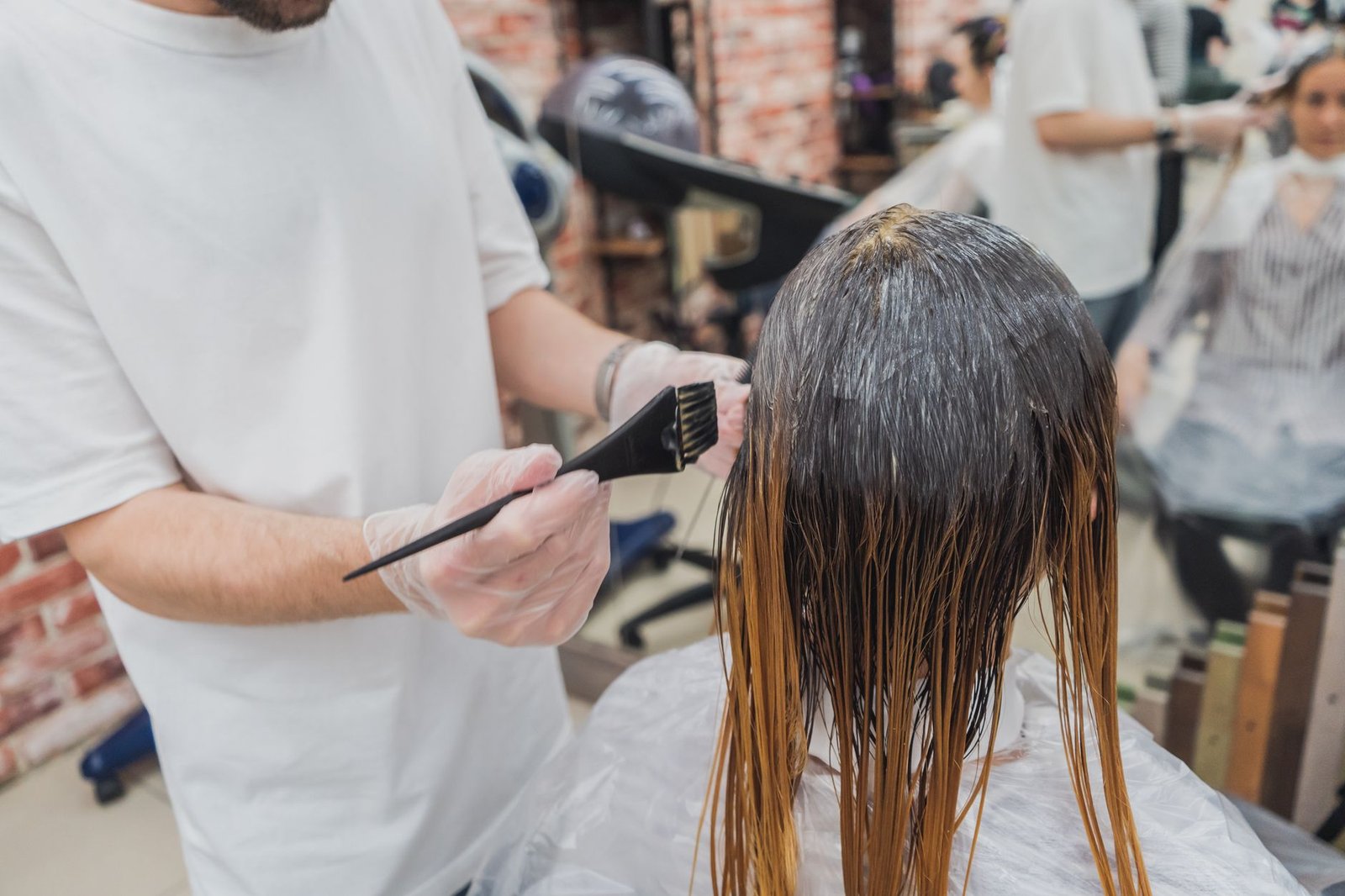
Babylights are ultra-fine, natural-looking highlights placed throughout the hair to create the luminous, multitonal colour effect of naturally sun-kissed hair on children. The technique uses very fine sections of hair, highlighted to create subtle dimension without any obvious highlight chunks.
Babylights are the most natural-looking gradient technique — the colour effect is so subtle and well-distributed that it reads as natural variation rather than visible colouring. Often combined with balayage for depth and dimension in blonde colour work.
Vivid Colour Gradient
Vivid gradient techniques apply the same colour transition principles as natural colour work but with fashion colours — electric blues, vivid purples, neon pinks, warm golds, and metallic silvers. The technical challenge of vivid gradient hair is pre-lightening the hair to the correct level to achieve the target vivid colour, then executing the colour melt or gradient blending without muddy mid-tones at the boundaries. Vivid gradient hair requires more maintenance than natural-toned gradients because vivid colours fade more quickly, and requires a higher baseline level of hair health to support the lightening process.
2026’s Most Popular Gradient Hair Colour Trends
Copper to Blonde Gradient
A warm copper or amber at the roots and lengths melting into a honey or pale golden blonde at the ends. The warmth of the copper provides richness and depth; the blonde at the ends creates brightness and luminosity.
This combination flatters a wide range of skin tones and suits both natural and fashion-forward aesthetics. It is one of the most requested colour services in salons globally in 2026.
Chocolate Brown to Caramel Melt
A rich chocolate or espresso brown at the root and mid-length, melting through warm caramel into a honey or golden blonde at the ends. This gradient is particularly flattering on medium to deeper skin tones and suits anyone whose natural hair is in the brown range looking to add warmth and dimension without a dramatic colour change. The colour stays within the brown-to-blonde natural spectrum, making it one of the lower-maintenance gradient options.
Slate to Silver Gradient

A modern, cool-toned gradient from dark slate grey at the root through medium grey to pale silver or white at the ends. This gradient has a distinctly contemporary, editorial quality — the grey-to-silver transition references both natural greying processes and deliberate fashion colour choices. It suits cool skin undertones most strongly and works across all hair lengths.
Sunset Colour Melt
A vivid colour gradient moving through the warm-saturated tones of a sunset: deep burgundy or dark coral at the roots, moving through warm orange and amber, to golden yellow at the ends. The sunset melt requires full pre-lightening of the hair before colour application and is one of the more technically demanding gradient services. When executed well, it creates one of the most visually dramatic and photographically striking hair colour effects possible.
Pastel Gradient
Soft, desaturated versions of vivid colours applied in gradient formation: lavender to blush pink, mint to sky blue, soft peach to cream. Pastel gradient hair requires pre-lightening to platinum or near-platinum blonde before pastel toning.
The pastels are mixed into a toner or conditioner rather than being direct dye applications, which means they are relatively gentle on pre-lightened hair but also fade faster than vivid colours. Pastel gradients are particularly popular with longer hair where the colour movement develops over more surface area.
Pastel gradient hair — lavender to blush, mint to sky blue — sits naturally within the soft-toned aesthetic frameworks that have been most prominent in recent fashion. Both the coquette aesthetic’s blush and champagne palette and the clean girl aesthetic’s warm neutral colour language translate directly to hair colour choices — pastel gradients complement coquette styling particularly well, while the clean girl aesthetic pairs best with subtle, natural-toned balayage that maintains the overall impression of effortless simplicity.
How to Talk to Your Colourist About Gradient Hair
- Bring reference images — gradient colour terminology is imprecise; showing exactly what you want is more reliable than describing it
- Specify whether you want a natural or fashion-forward palette
- Ask about the maintenance schedule your colourist recommends for the specific technique
- Ask what starting point (current colour level) you need to be at to achieve the target result — this affects how many sessions may be needed
- Discuss your hair health and history of chemical services before any lightening process
For a broader view of how the ombré trend has evolved — from the stark two-tone contrasts of its 2014 peak to the softer, more blended versions of today — Who What Wear’s analysis of the ombré hair colour trend’s return traces the technique’s changing aesthetic register and explains why the current iteration looks more expensive and less dated than its predecessor.
Frequently Asked Questions
What is a gradient hair colour?
A gradient hair colour is any technique that creates a smooth, seamless transition from one colour to another through the lengths of the hair — from roots to ends, or from one part of the head to another. Balayage, ombré, sombré, colour melts, and babylights are all gradient hair techniques, differing in how the colour transition is structured and how defined or seamless the transition zone is.
What is the difference between ombré and balayage?
Ombré is a specific effect — a defined two-tone gradient from dark at the root to light at the ends, with a visible transition zone. Balayage is a placement technique — freehand painting of highlights throughout the hair to create soft, sun-kissed dimension.
Balayage typically creates a more natural, scattered-highlight effect; ombré creates a more dramatic, directional gradient. Many colour services combine both: balayage placement to create dimension throughout the hair with an ombré-style lightening at the ends for brightness.
How long does gradient hair colour last?
Natural-toned gradient colour (balayage, ombré in natural shades) typically lasts 8–16 weeks between refresh appointments, depending on how quickly the hair grows and how dramatic the colour change was. Vivid or pastel gradient colours fade faster — vivid colours may need refreshing every 4–6 weeks to maintain their intensity, and pastels can fade noticeably within 3–4 weeks. Using colour-safe shampoo and conditioner, washing in cool water, and minimising heat styling extends the life of gradient colour significantly.