
How to Style a Cut-Out Dress: Daring Outfit Ideas That Work
The cut-out dress — a dress featuring strategically placed openings in the fabric that reveal skin at specific points of the body — is one of fashion’s most deliberately bold design choices. Unlike a simply low-cut or sheer garment, a cut-out dress creates its impact through specificity: the openings are precisely placed, precisely sized, and precisely shaped, making the exposed skin a designed element of the garment rather than simply an area of coverage absence. This specificity is what makes cut-out dresses read as fashion-intelligent rather than simply revealing.
Cut-outs appear at different points of the body in different designs — at the waist or midriff, at the chest or décolletage, at the back, at the shoulders, or across the sides. Each placement creates a different visual effect and a different styling consideration. A waist cut-out creates a hourglass impression; a back cut-out is invisible from the front and surprising from behind; a shoulder cut-out introduces asymmetric interest at the neckline.
Trend Overview
Cut-out dresses have been a recurring presence in fashion collections for several seasons, driven by fashion’s continued interest in body-conscious dressing that operates through strategic revelation rather than all-over exposure. The most prominent cut-out designs balance the revealed skin with enough surrounding coverage to prevent the dress from reading as simply small — a maxi dress with a single waist cut-out, or a midi dress with shoulder cut-outs, achieves a maximum impact-to-coverage ratio that makes the exposed areas feel deliberate and considered. The bodycon dress covers a related but distinct approach to body-conscious dressing — the cut-out dress uses strategic absence rather than fabric tension to achieve its effect.
For occasion dressing that shares the cut-out dress’s emphasis on a deliberately sculpted, body-conscious silhouette, ruched dress outfit ideas explore how gathered fabric creates a similarly flattering and figure-forward look — with gathering and draping replacing strategic openings as the primary design tool.
Styling Recommendations
Undergarment Planning
Cut-out dresses require specific undergarment planning that ordinary dresses do not. A midriff cut-out makes a standard bra band visible; a back cut-out makes a standard bra entirely visible; a side cut-out may expose both. The most common solutions are: adhesive cups or nipple covers (for most cut-out types), a longline bandeau that extends below the cut-out, a low-back bra attachment, or a body suit designed to work with specific cut-out placements. Planning the undergarment solution before the occasion — rather than discovering the problem while dressing — is the most important cut-out dress preparation step.
Keeping the Rest Simple
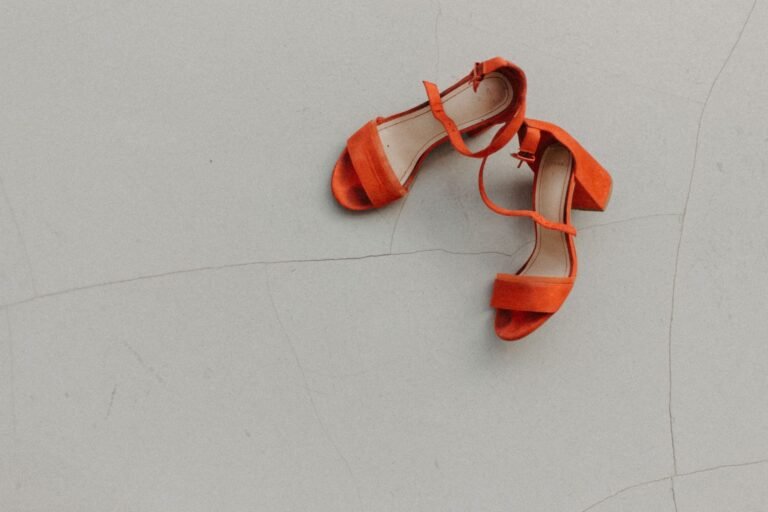
A cut-out dress is always the outfit’s statement — it requires very little additional styling to make a strong impression. Simple heeled sandals or pointed-toe heels in a nude or complementary colour, minimal jewellery (a simple chain or delicate earrings), and a small clutch are all the accessories needed. Over-accessorising a cut-out dress adds visual noise to a garment designed for maximum impact with minimum complication.

Footwear
Heeled shoes are the most naturally compatible footwear with a cut-out dress — they complete the dress’s body-conscious impression and create a continuous elevated silhouette from heel to neckline. Strappy sandals work with midriff and shoulder cut-outs; pointed-toe mules or heeled slingbacks work with most cut-out placements. The high heels guide and the sandals guide cover footwear pairings for occasion dressing in more detail.
Outfit Ideas
A black midi dress with a single circular waist cut-out, paired with black strappy heeled sandals, simple gold jewellery (small hoops and a fine chain), and a minimal black clutch. This is the cut-out dress at its most refined and its most broadly occasion-appropriate — the single cut-out creates impact without revealing too much; the all-black palette ensures the cut-out reads as deliberate design rather than accidental exposure.
A cream or ivory cut-out bodycon mini dress with shoulder cut-outs, worn with nude or cream heeled mules and simple stud earrings. A minimal crossbody or small bag. For a night out or an evening event, this is one of the most confidently feminine and most photographed cut-out approaches.
A cobalt blue or jewel-toned maxi dress with side or back cut-outs — the cut-out visible as an unexpected detail rather than the dress’s primary design statement. With simple gold heeled sandals and gold jewellery. This is the cut-out dress at its most sophisticated — the length and coverage of the maxi silhouette creates an elegant impression, while the cut-out introduces a specifically fashion-informed detail that makes the dress more interesting than a simple maxi without it. According to Highsnobiety, cut-out dresses have consistently appeared in season-defining fashion coverage for several consecutive years, positioned as the definitive occasion piece for women who want maximum impact from a single garment.
The shoulder cut-out in particular connects to the same collarbone and upper-body revealing aesthetic as the off-shoulder neckline — for a similar exposure approach in a top rather than a dress context, off-shoulder top outfit ideas cover the full range of bardot and off-shoulder styling. For a broader shopping guide to the best cut-out dress styles and silhouettes available right now, Refinery29’s cut-out dress guide curates options across mini, midi, and maxi lengths at every price point.
Common Mistakes
The most common cut-out dress mistake is wearing one with an inadequate undergarment solution — a visible bra strap across an open back, a visible bra band through a side cut-out, or a mismatched skin tone in a body tape application reads as an undergarment oversight rather than deliberate styling. Every cut-out dress requires an occasion-specific undergarment solution that is as carefully considered as the outfit itself.
The second mistake is choosing a cut-out size or placement that doesn’t suit the wearer’s comfort level with the amount of skin it reveals. A cut-out dress that makes the wearer self-conscious throughout wearing it will never look as good as a less revealing option worn with genuine confidence. Choose the cut-out placement and size that you feel comfortable in — the most effective cut-out dress is always the one worn with complete confidence.
Shopping Considerations
The most important quality consideration for a cut-out dress is the finishing around the cut-out edges — these should be clean, precisely hemmed, and stable enough not to stretch or distort with movement. A poorly finished cut-out edge that rolls, frays, or shifts reads as low quality regardless of the fabric or overall dress quality. Also check the cut-out size when trying on — cut-out openings that are comfortable when standing may shift and expand with sitting and movement; the opening should remain the right size in all positions.
Seasonal Considerations

Cut-out dresses are strongest as spring, summer, and early autumn pieces — both practically (the exposed skin is comfortable in warm conditions) and aesthetically (the design reads as deliberately warm-weather-appropriate). In cooler months, a cut-out dress worn over a thin bodysuit or layered under a blazer or coat can extend the season, but the effect is less successful than in warm weather. The spring outfit guide provides context for the broader occasion dressing landscape in which cut-out dresses work most naturally.
For fitted, waist-defining occasion dressing that uses structure rather than strategic openings, corset top styling ideas show how boning and silhouette construction achieve a similarly deliberate and body-conscious effect without revealing skin.
Frequently Asked Questions
Are cut-out dresses appropriate for formal occasions?
Cut-out dresses can be appropriate for formal occasions when the overall silhouette is formal (floor-length or midi), the cut-outs are precisely placed and modest in size (single waist or back cut-out rather than multiple large openings), and the surrounding styling (footwear, bag, jewellery) is fully occasion-appropriate. A floor-length gown with a single back cut-out reads as formal and fashion-intelligent at black tie or gala events. A mini dress with multiple large cut-outs reads as too casual for most formal contexts regardless of how expensive it is.

How do you prevent a cut-out from gaping?
Cut-out openings that are too large for the wearer’s specific body dimensions will gap — the opening’s shape will distort rather than lying flat. The solution is ensuring the dress fits correctly everywhere else: if the dress is too large through the body, the cut-out will not sit at the correct position on the body and will therefore not hold its designed shape. Body tape applied around the cut-out edges is a secondary solution for dresses that fit well overall but have a cut-out that is slightly prone to movement.
Conclusion
The cut-out dress rewards specificity — in the opening’s placement, in its size, in the undergarment solution, and in the confidence with which it is worn. Plan the undergarment approach before the event, keep the surrounding styling minimal, choose a cut-out placement you feel genuinely comfortable with, and allow the dress’s deliberate design to make all the statements the outfit needs to make.