How to Dress for Your Body Type: A Complete Style Guide for 2026
Why Body Type Dressing Matters
Dressing for your body type is not about conforming to conventional ideas of what is or is not flattering — it is about understanding proportion, balance, and how specific silhouettes relate to specific body shapes so that you can make informed choices about what to wear and why. The most consistently well-dressed people across all body types are those who understand what works on their specific body and why — not those who follow generic lists of what people with their body type “should” or “shouldn’t” wear.
The most useful framework for body type dressing is proportion rather than prescription: the goal is to create a balanced, proportional overall silhouette through deliberate clothing choices — adding visual volume where you want it, reducing it where you don’t, and creating vertical or horizontal visual lines that suit your body’s natural proportions. These principles apply regardless of size.
For another expert framework on this balance, this proportion dressing guide outlines a similar rule-of-thirds approach to aligning clothing with your natural silhouette.

Understanding Your Proportions
Shoulder-to-Hip Relationship
The most important proportion to understand is the relationship between your shoulder width and your hip width. If your shoulders are significantly wider than your hips, clothing choices that add visual volume to the hip area (quality full skirts, quality wide-leg trousers, quality A-line silhouettes) create balance. If your hips are significantly wider than your shoulders, clothing choices that add visual volume to the shoulder area (quality structured blazers, quality boat-neck tops, quality statement sleeves) create balance. If your shoulders and hips are roughly equal, you have the greatest flexibility in silhouette choice — both balanced silhouettes and those that emphasise the waist (quality wrap dresses, quality belted styles) work equally well.
Waist Definition
Where the waist sits and how clearly it is defined significantly affects how clothing reads on the body. High-waisted pieces (high-waist trousers, high-waist skirts) create the visual impression of a longer leg and a higher waistline, which most bodies benefit from visually. Defined-waist pieces (quality wrap dress, quality belted styles, quality fit-and-flare silhouettes) create a waist emphasis that is flattering on bodies with a natural waist-to-hip differential. Straight or boxy silhouettes that do not define the waist can work for certain body types but typically benefit from thoughtful length — cropped box tops with high-waisted bottoms create a waist definition through the layering break point.
Silhouette Principles by Body Shape
Creating Balance at the Hip
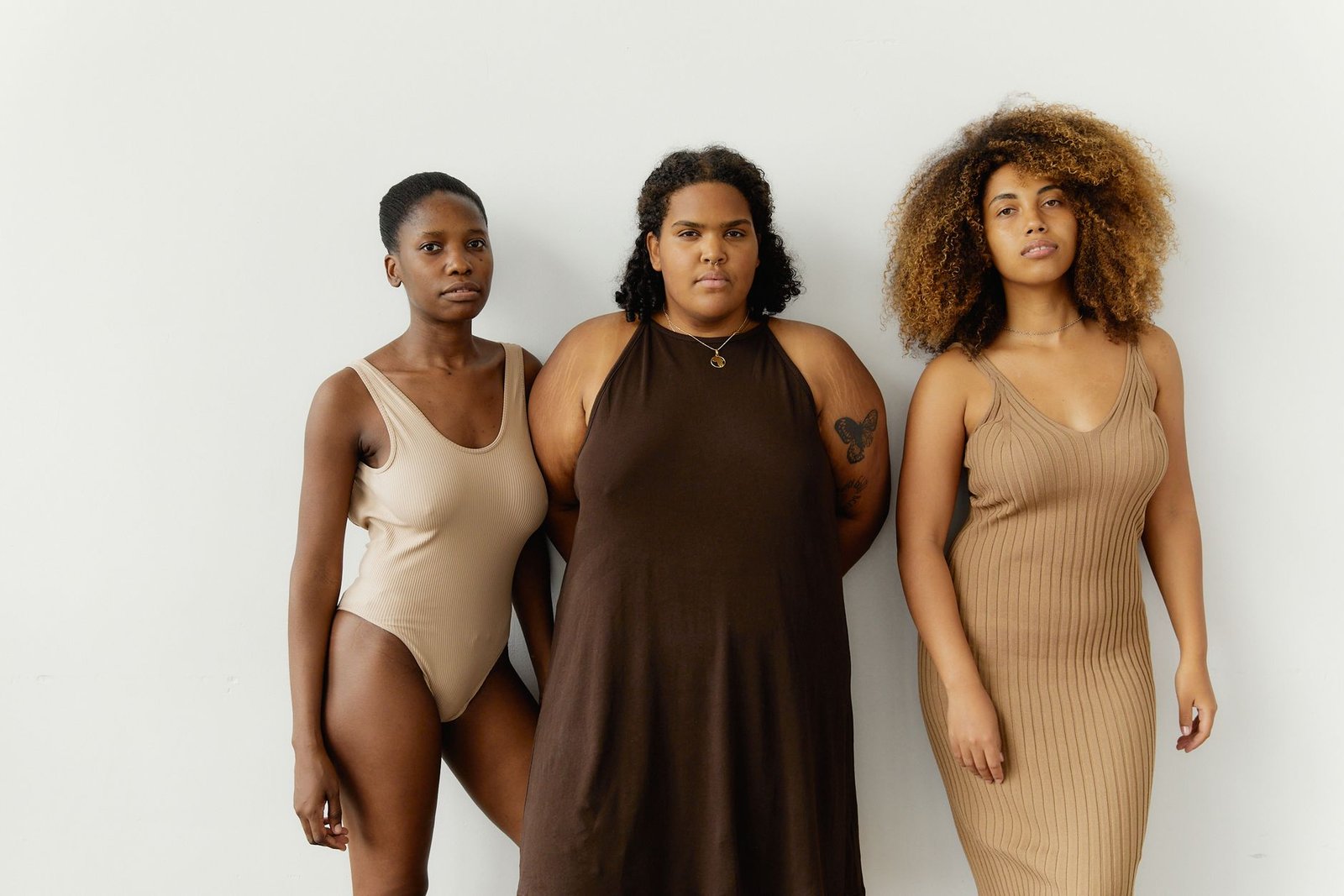
Quality wide-leg trousers add visual volume to the lower half and create balance for shoulders that are broader than hips. Quality A-line skirts and quality full midi skirts create fullness at the hip and thigh that balances broader shoulders. Quality quality horizontal details (wide waistbands, quality quality horizontal seams at the hip) draw the eye outward and add visual width. Quality flare jeans create a balanced visual line from hip to hem for those wanting to balance a broader upper body.
For more on this silhouette specifically, A-line skirt styling ideas cover how the gradual flare from waist to hem creates this exact balancing effect across lengths and fabrics.
Creating Balance at the Shoulder
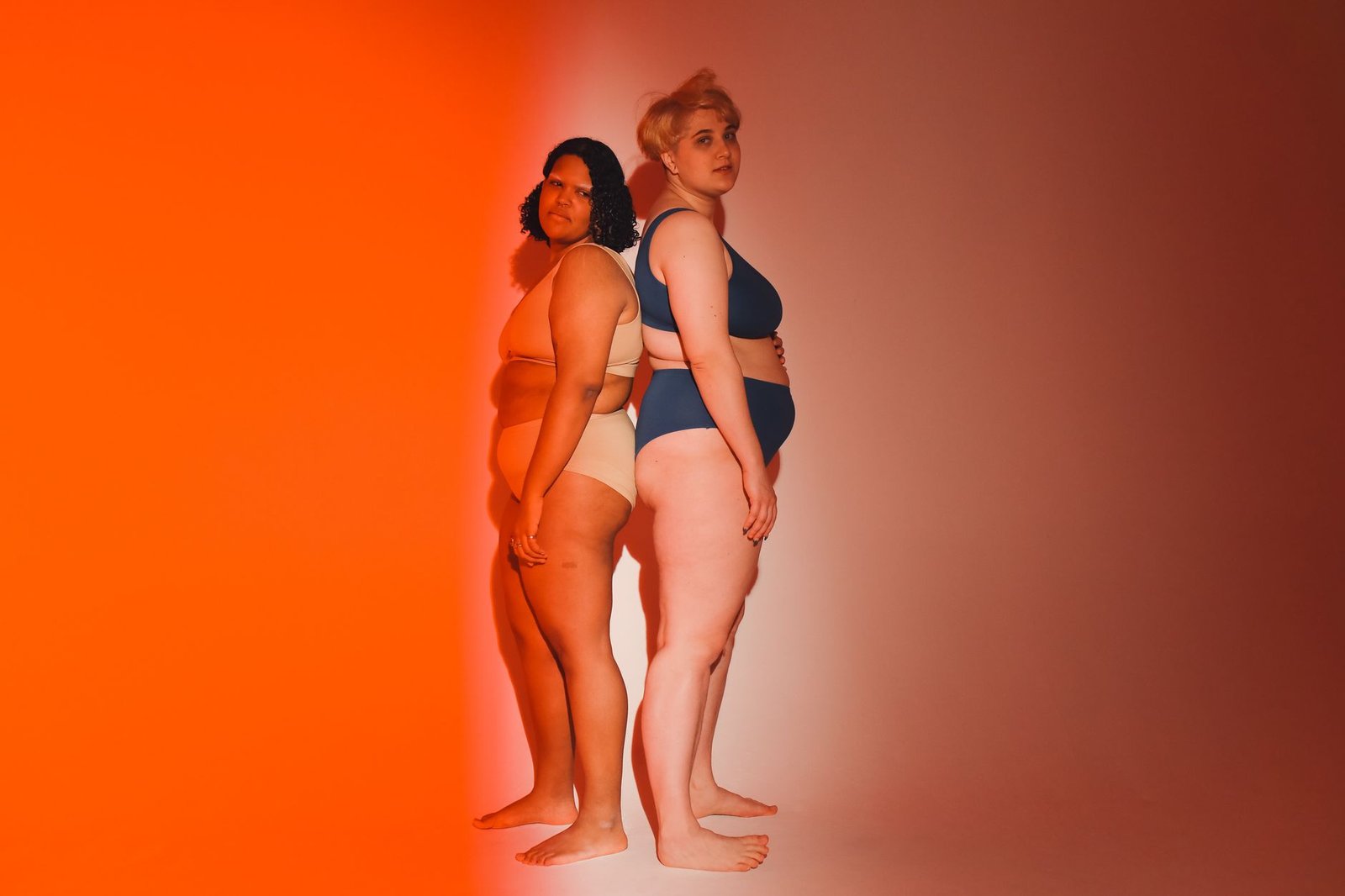
Quality structured blazers and quality quality shoulder-detail tops add visual width at the shoulder and create balance for hips that are broader than shoulders. Quality boat-neck or quality wide-scoop necklines draw the eye outward at the shoulder. Quality quality vertical lines (quality quality V-neck, quality quality vertical seams, quality long pendants) create vertical emphasis that balances visual horizontal width at the hip. Quality quality wrap tops and quality quality V-neck tops are among the most broadly flattering neckline choices because they draw the eye toward the centre of the body.

The Universal Principles
Good fit is the most important factor regardless of body type — quality clothing in a good fit flatters every body shape more effectively than any silhouette prescription. Quality fabric that drapes rather than stiffens or clings creates more flattering results than stiff or very stretchy fabrics. Proportion-appropriate lengths matter: the most flattering hemline for a given body shape is the one that cuts across the body at the most flattering point — typically not at the widest point of the leg or the thigh, but at a narrowing point (the knee or below, the ankle, or well above the knee for slim legs).
Frequently Asked Questions
What is the most important thing when dressing for your body type?
Fit is the single most important factor — quality clothing that fits your body correctly will always look better than quality clothing in a “flattering” silhouette that doesn’t fit properly. Beyond fit, understanding the shoulder-to-hip proportion balance is the most practically useful body type dressing principle: creating visual balance between shoulder and hip width through deliberate silhouette choices produces a proportional, considered result on virtually every body type. Everything else — hemline length, fabric choice, print placement — refines and extends this foundation.